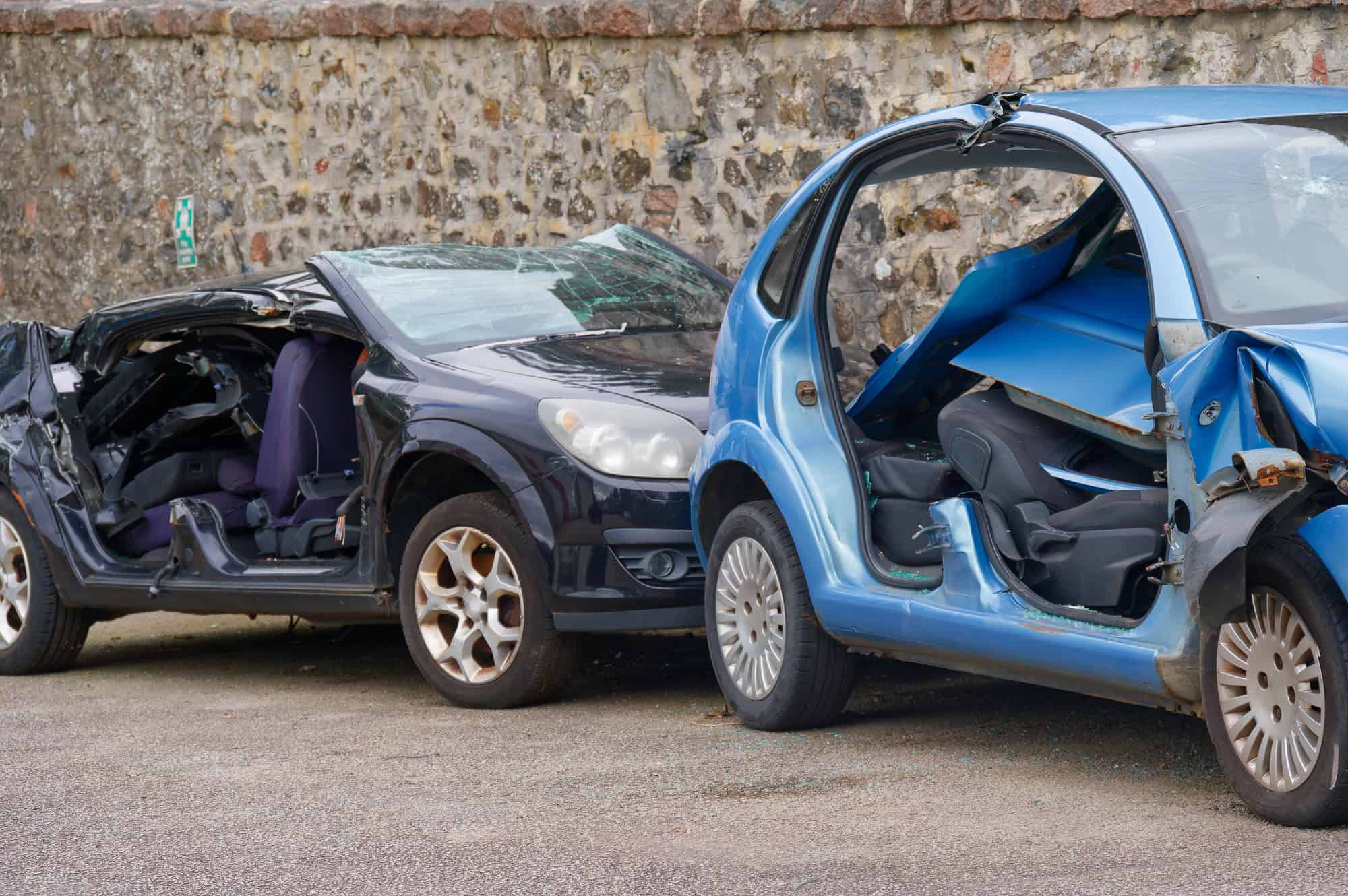
Ford Recalls 419,967 Expeditions and Navigators Over Seat Belts That Can Lock Up


If you drive a Ford Expedition or Lincoln Navigator built between 2018 and 2022, your seat belt could lock up on its own, and Ford now wants to inspect it. The company is recalling 419,967 of these full-size SUVs in the United States because the front seat belt pretensioners can fire when there is no crash, jamming the belt so it will not retract or extend the way it should. The repair is free, and the first thing every owner should do is run their 17-character VIN through the federal recall lookup at nhtsa.gov/recalls to confirm whether their truck is on the list.
This is one of the largest single recall campaigns Ford has filed so far in June 2026, and it lands during a stretch in which the automaker has issued more recalls than any other carmaker. The defect carries a real safety risk in two directions: a belt that cannot move properly may not protect an occupant in a collision, and the sudden, uncommanded tightening can itself injure the person wearing it. Here is what is going wrong, which vehicles are affected, and the exact steps to take if yours is one of them.
What Ford Found and Why It Is Dangerous
The problem sits inside the front seat belt retractor pretensioner. A pretensioner is a small pyrotechnic device that fires in a crash to instantly pull the slack out of the belt, pinning the occupant against the seat before they can pitch forward. It is supposed to deploy only when sensors detect an impact. In the recalled Expeditions and Navigators, the driver and front passenger pretensioners can deploy when no one is at risk, locking the belt in place so it no longer extends or retracts normally.
Ford traced the cause to the propellant sealed inside certain pretensioners. After prolonged exposure to high temperatures, that material can degrade and produce corrosive byproducts. Those byproducts can attack internal components until the device fires without a command. Owners may get a warning before it happens: an illuminated airbag warning light on the dashboard can appear ahead of an unexpected deployment, because the seat belt pretensioner is tied into the same restraint system the airbag light monitors.
The danger is not just the inconvenience of a frozen belt. Ford says a belt that cannot move properly could increase the risk of injury in a collision, since it may not position or restrain the body correctly. On top of that, the force generated when a pretensioner fires unexpectedly can injure the person in the seat at the moment it goes off. That combination is why federal regulators treat uncommanded pretensioner deployment as a serious defect rather than a minor annoyance.
Which Vehicles Are Covered
The recall covers 2018 through 2022 Ford Expedition and Lincoln Navigator SUVs, including the long-wheelbase Expedition Max and Navigator L variants that share the same hardware. All 419,967 vehicles were built at Ford’s Kentucky Truck Plant between May 2017 and October 2022. These are heavy, family-hauling three-row SUVs, the kind that routinely carry children in the second and third rows, which is part of why a front-seat restraint defect draws attention.
There is an important wrinkle for owners who think they already handled this. The new campaign expands two earlier recalls that addressed the same pretensioner issue. Ford says vehicles that were previously repaired under those older campaigns may still need to be inspected again under this one. In plain terms, a prior fix does not automatically clear your vehicle. If your VIN comes back as included, you need the inspection even if you remember a seat belt repair in the past.
Federal concern about exploding or self-deploying pretensioners in Ford’s full-size SUVs is not new. Regulators had been examining seat belt pretensioners in the Expedition family in prior years, and this June 2026 action widens the population of affected vehicles and folds the earlier efforts into a single, larger campaign. For a sense of how active Ford’s recall slate has been this month, the company also told thousands of Bronco Sport and Maverick owners to stop driving over a separate suspension defect.
What Owners Should Do Now
Start by confirming whether your vehicle is included. Find your 17-character Vehicle Identification Number on the lower driver’s side of the windshield, on your registration card, or on your insurance card, and enter it at nhtsa.gov/recalls. The same tool shows every open recall on your vehicle, not just this one. You can also call the NHTSA Vehicle Safety Hotline at 1-888-327-4236, or contact Ford customer service directly.
The remedy is free regardless of the vehicle’s age, mileage, or warranty status, and you do not need to be the original owner. Dealers will inspect both front seat belt retractors and replace any suspect units at no cost. The replacement parts use a revised propellant and stabilizer combination that Ford says offers improved long-term chemical stability, which is meant to stop the degradation that caused the problem in the first place. Ford has indicated that the inspections and repairs will begin in late summer 2026, and owner notification letters are scheduled to follow.
Until the fix is done, there is no instruction to stop driving the vehicle, but owners should pay attention to the airbag warning light. If it illuminates, schedule service promptly rather than waiting for the mailed letter, because that light can be the early signal that the restraint system has a fault. Keep wearing your seat belt; a working belt remains far safer than no belt, and the recall is about preventing a malfunction, not a reason to skip buckling up. If you experience an unexpected deployment, report it through the NHTSA complaint portal at nhtsa.gov, which helps regulators track the real-world rate of the defect.
Why Recall Fatigue Is the Real Risk
The biggest threat with a recall this size is not the defect itself but the number of owners who never act on it. Recall completion rates routinely fall well short of 100 percent, and older vehicles fare worst because they change hands, the original buyer moves, and mailed letters never reach the current driver. A 2018 Expedition is now several owners removed from the showroom in many cases, which means a large share of these 419,967 SUVs could stay on the road with the defect unaddressed simply because nobody checked.
That is why the VIN lookup is the single most useful action available to you today. It takes under a minute, costs nothing, and works even if you bought the vehicle used and have never received a recall notice. Drivers who want a hands-off approach can download NHTSA’s SaferCar app, which stores your vehicle and pushes an alert whenever a new recall is filed against it. Given how many campaigns Ford has issued this year, that kind of standing notification is worth setting up once. For owners weighing a different popular SUV with its own recent restraint recall, Kia recently flagged a seat belt issue on the Telluride as well.
The bottom line is simple. Nearly 420,000 Ford and Lincoln SUVs have a front seat belt component that can fire on its own, the repair is free, and confirming whether yours is affected is a one-minute VIN check. Do that check, watch for the airbag light, and book the inspection once parts are available at your dealer.
One more practical note for owners thinking about selling or trading in. An open, unrepaired recall can complicate a private sale and is often flagged on a vehicle history report, and some buyers will use it to negotiate the price down. Getting the free inspection done before you list the SUV removes that friction and documents that the restraint system has been addressed. The same applies if you are at the end of a lease: handle the recall before you return the vehicle so there is no dispute over its condition. Recall repairs do not expire, so even an SUV that has sat unused for years remains eligible for the free fix once you confirm the VIN is covered.
Sources:
- https://www.howtogeek.com/ford-honda-toyota-others-june-2026-recalls/
- https://www.carscoops.com/2026/06/ford-expedition-navigator-seatbelt-recall/
- https://www.nhtsa.gov/recalls

Leave a Comment
More in News

Nine in 10 Pothole Damage Claims Are Rejected Under a 1980s Legal Defence

Police Could Soon Access Your DVLA Driving Data for Any Investigation, Not Just Traffic Stops
How to Claim Your $2,000 Mercedes-Benz Settlement Before September 30

Tesla Recalls 20,349 Model 3 and Model Y Cars Over Illegally Bright Headlights
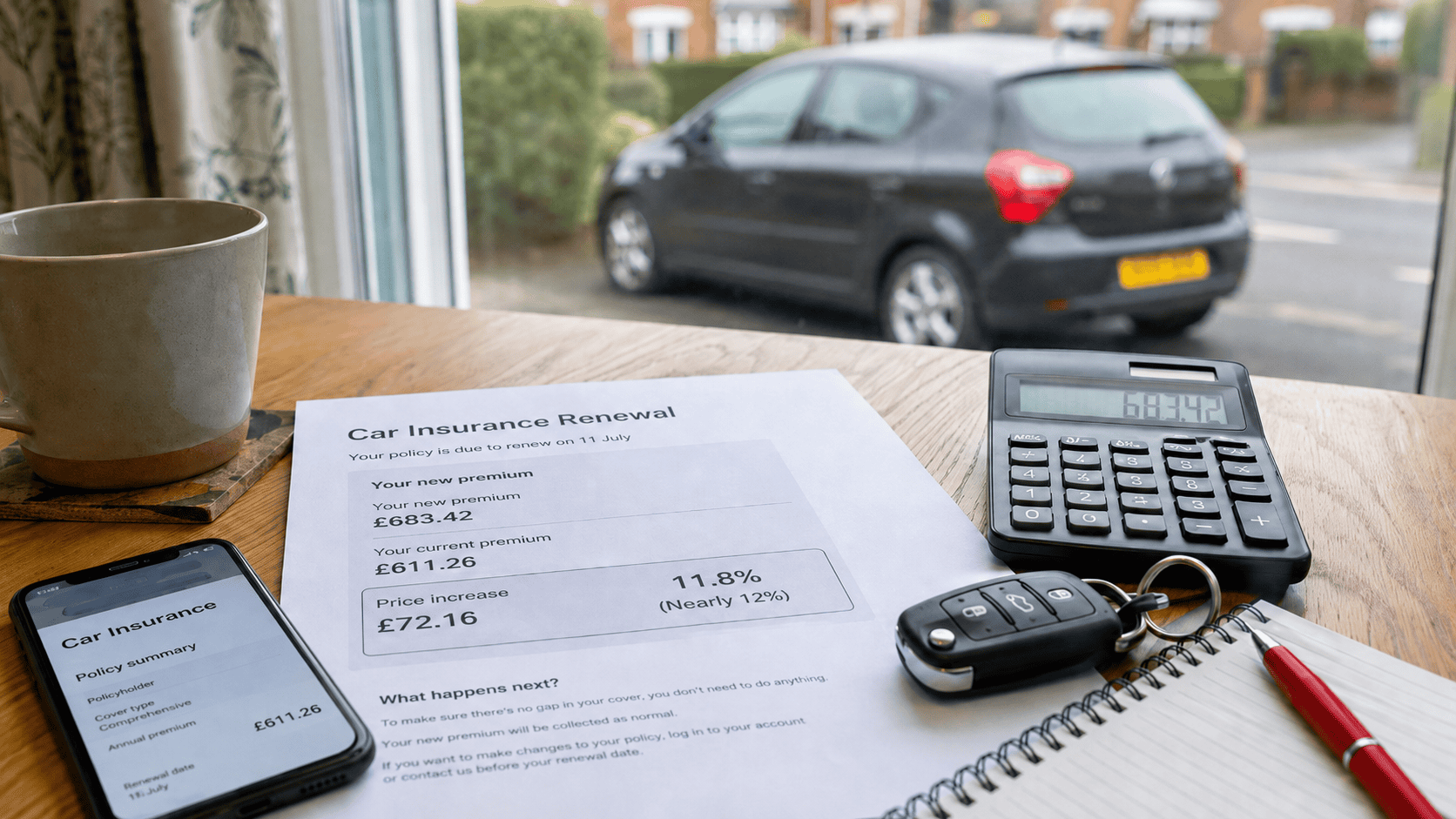
Car Insurance Rates Are Rising in 32 States as the Average Hits $2,237
Trending on Motoring Chronicle
Why New Car Paint Scratches More Easily Than Old Paint

2026 Nissan Armada, Nissan LEAF named Cars.com Best of 2026 Awards winners

Toyota Announces Powerful All Electric bZ Woodland SUV [Photo Gallery]

Introducing Toyota’s Bold New Side-by-Side Concept, the Scion 01