
Why Rural Scottish Drivers Are Paying £2.17 a Litre as Forecourts Close and Queues Stretch for Miles
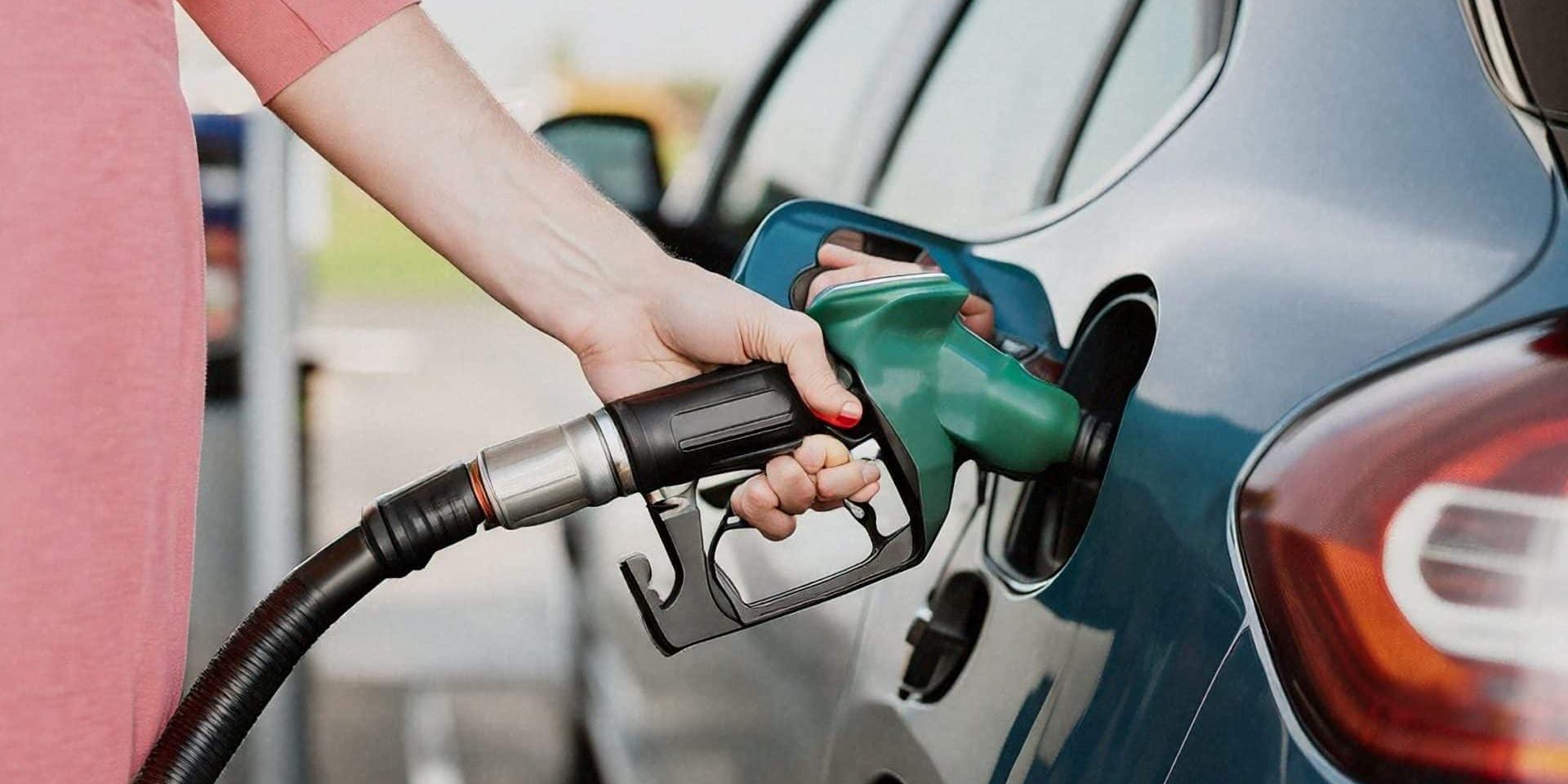
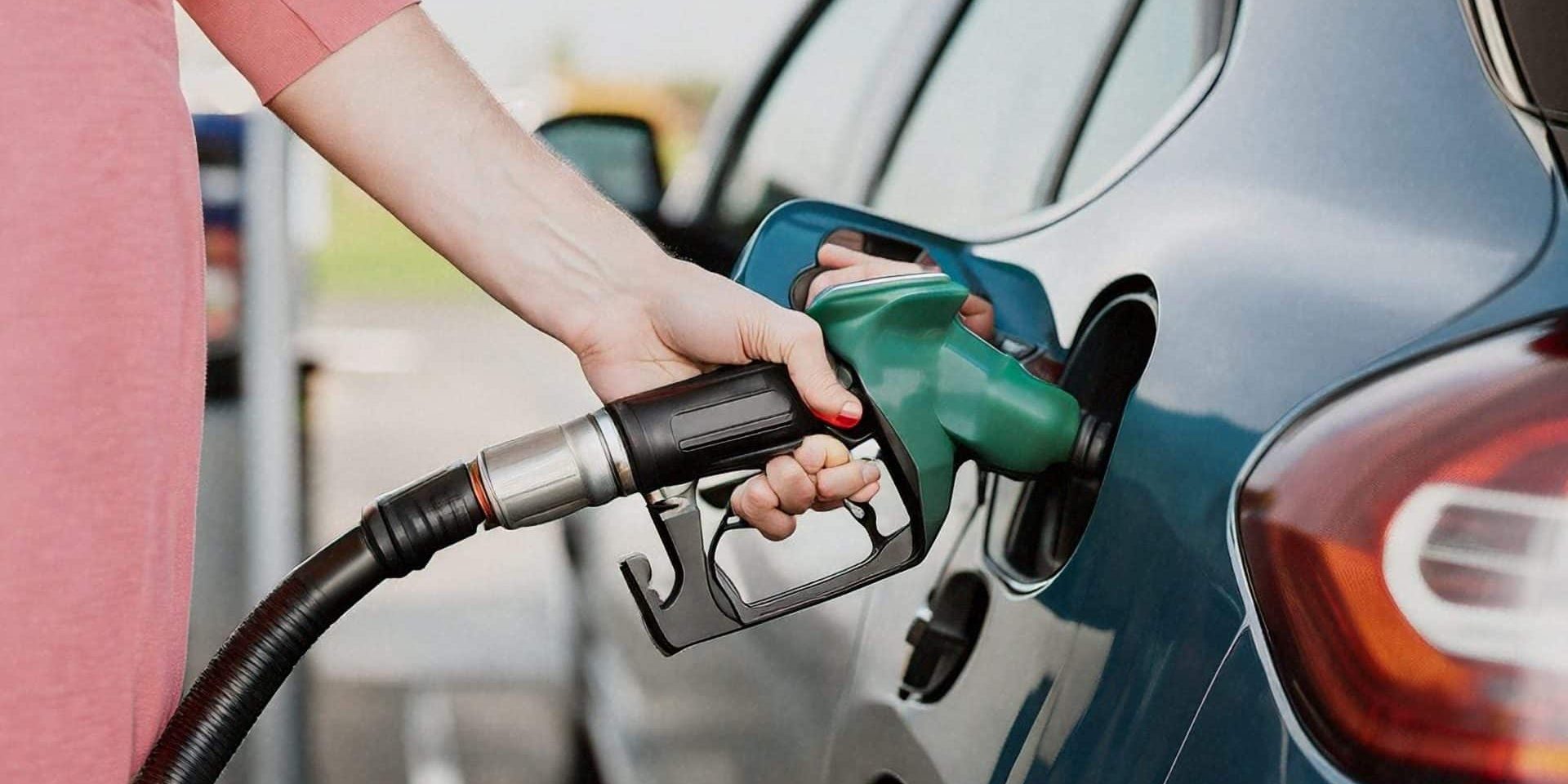
Drivers in rural Scotland are facing a crisis at the pumps. Diesel prices have hit 217p per litre at some forecourts, queues are forming outside the few stations that still have fuel, and entire communities have been left without supply for days at a time. While UK-wide fuel prices have risen sharply following tensions in the Middle East, Scotland is bearing a disproportionate share of the pain, and experts say relief is not coming quickly.
A 55-litre tank fill now costs more than £100 at many Scottish stations. For rural households where a car is not optional but essential, the financial squeeze is severe. Here is what is driving the shortages, where they are worst, and what drivers can do while the situation persists.
Why Scotland Has Been Hit Harder Than the Rest of the UK
Scotland lost its only oil refinery when Grangemouth closed permanently in late 2023. The facility had processed crude oil into usable fuel for decades, providing a significant buffer against global supply shocks. Without it, Scotland now depends entirely on refined fuel shipped in from elsewhere in the UK or imported directly. When international supply chains tighten, Scotland is exposed in a way that England and Wales simply are not.
The current pressure stems from disruption to tanker traffic through the Strait of Hormuz, a narrow waterway through which around 20 percent of the world’s oil passes. Escalating tensions in the region in early 2026 caused shipping insurers to hike premiums and some carriers to reroute entirely, reducing the volume of refined product reaching European terminals. A two-week ceasefire between the US and Iran in April 2026 gave brief relief, but prices did not fully retreat and the underlying uncertainty remained.
Distribution within Scotland is a further complication. Rural areas are served by a smaller number of forecourts than urban centres, and many of those forecourts are owner-operated with limited storage capacity. When a delivery is delayed by even a day or two, shelves run dry. Panic buying then accelerates the problem, with drivers in affected areas filling jerry cans and topping up tanks that are already three-quarters full, leaving nothing for those who need fuel to get to work or reach medical appointments.
Where the Shortages Are Worst
The worst affected areas are concentrated in Fife and Tayside, where multiple forecourts have run dry simultaneously. Stations in Glenrothes, Dunfermline, Kirkcaldy, St Andrews, Dairsie, and Cupar have all reported supply interruptions in recent weeks, with some remaining without diesel for 48 hours or more at a stretch.
In these areas, drivers have been travelling significant distances to find an open forecourt, which in turn depletes supply at those sites and creates a ripple effect across a wider geography. Social media groups have been used by local residents to share live updates on which stations have fuel and which have sold out, replicating the kind of information networks that emerged during the HGV driver shortage-related supply disruptions of 2021.
Highland and island communities, which were already paying more than the UK average due to transport costs, have seen prices reach their highest levels in years. In some more remote locations, the nearest alternative forecourt is over 20 miles away, making running out of fuel a serious logistical problem rather than a minor inconvenience.
Scotland has historically paid more for fuel than the UK average due to distribution costs. Analysis from the Competition and Markets Authority has previously highlighted the structural reasons why rural UK prices remain stubbornly elevated, and the current crisis has amplified those longstanding inequalities.
How Long This Is Likely to Last
Economists are not offering much short-term comfort. The National Institute of Economic and Social Research published analysis in May 2026 suggesting that elevated pump prices in the UK are likely to persist through at least Q3 2026, even assuming no further deterioration in the geopolitical situation. The fundamental issue is that oil markets price in risk, and the risk premium attached to Hormuz-linked supply is not disappearing quickly.
Even if the ceasefire holds and tanker traffic normalises, the fuel that has already been delayed takes weeks to work through refineries, into distribution networks, and onto forecourts. The lag between a geopolitical development and its effect at the pump is rarely less than four to six weeks in either direction, which means price rises arrive fast but price drops tend to be sluggish and incomplete.
For Scottish drivers specifically, the absence of domestic refining capacity means recovery will depend on how quickly wholesale refined product can be sourced and shipped to Scottish terminals. Industry observers note that this is a structural vulnerability that the Grangemouth closure has made permanent, not a temporary glitch that will self-correct.
Businesses with vehicle fleets are being advised to review their HMRC advisory fuel rates, which are updated quarterly and serve as the baseline for staff mileage reimbursement. With diesel prices at current levels, the gap between HMRC rates and real costs is widening, creating a reimbursement liability that finance teams need to account for.
What Scottish Drivers Can Do Right Now
The most immediate practical step is to avoid contributing to the panic buying cycle. Filling a tank beyond its usual level draws fuel away from drivers with urgent needs and deepens localised shortages. If your tank is above a quarter full, waiting until supply stabilises is both practical and considerate.
Using a fuel price comparison app or website before setting out can help identify which stations have stock and what they are charging. Apps such as PetrolPrices.com and Waze integrate live pricing data, though in areas with limited forecourt coverage, availability is often a bigger constraint than price at present.
Drivers who can adjust their travel patterns should consider doing so. Consolidating journeys, working from home on high-demand days, or coordinating with neighbours for shared trips can reduce overall fuel consumption while prices remain elevated. These are temporary adjustments rather than permanent solutions, but they can make a meaningful difference to monthly fuel bills.
Business owners should document current fuel costs carefully. If prices fall significantly over the coming months, having a clear record of elevated costs during this period supports any commercial claims or renegotiations with clients whose contracts include fuel-linked pricing.
The Scottish Government has faced calls to intervene, including pressure to lobby Westminster for a temporary fuel duty relief mechanism for rural areas. So far there has been no formal announcement, but political pressure is building and any developments would be worth monitoring for drivers in affected communities.
Sources
- https://news.stv.tv/
- https://www.wegotravel.blog/
- https://brumble.co.uk/
- https://oilprice.com/

Leave a Comment
More in News

Why Insurers Are Writing Off Repairable Electric Cars Over £15,000 Battery Bills

Every Driver’s MOT Is Safer After DVSA Barred Rogue Testers In January

Is It Illegal to Have Lights On in Your Car?

New Volvo XC60 and XC90 Plug-In Hybrids Offer Up to 78 Miles of EV Range

Electric Car Repairs Now Cost UK Drivers 19 Percent More Than Petrol Cars
Trending on Motoring Chronicle
How the New Highways Bill Could Put Private Toll Charges on Roads That Are Free Today

Audi Concept C: manifestation of a new design philosophy [Photo Gallery]

Why Electric Car Owners Now Pay Hundreds Just to Register [and What You Will Pay]
What the AI Cameras Now Watching for Phones and Seatbelts Can See Inside Your Car
