
How New CMA Fines Could Save Drivers £9 a Tank as 760 Petrol Stations Refuse to Show Prices
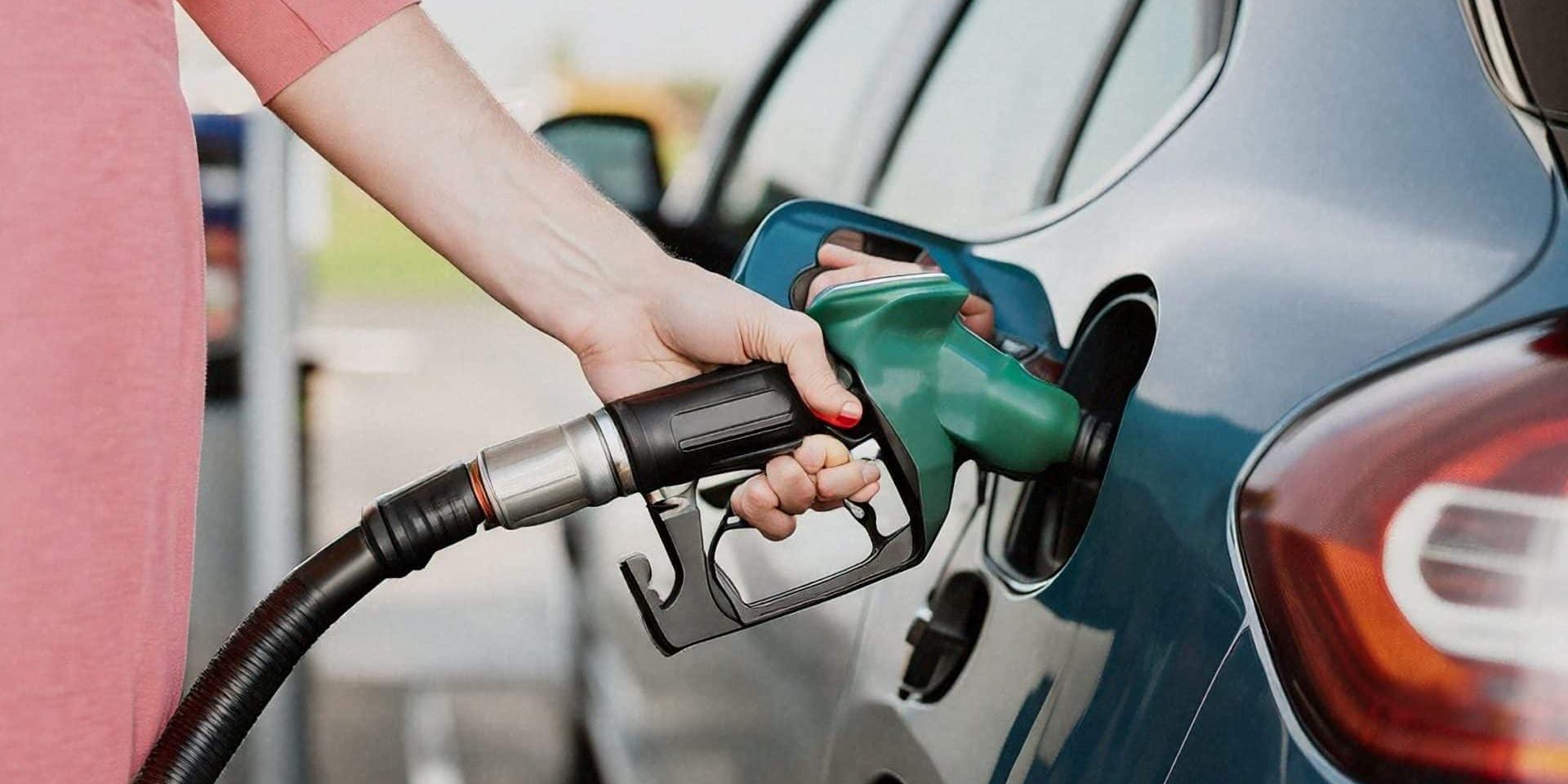
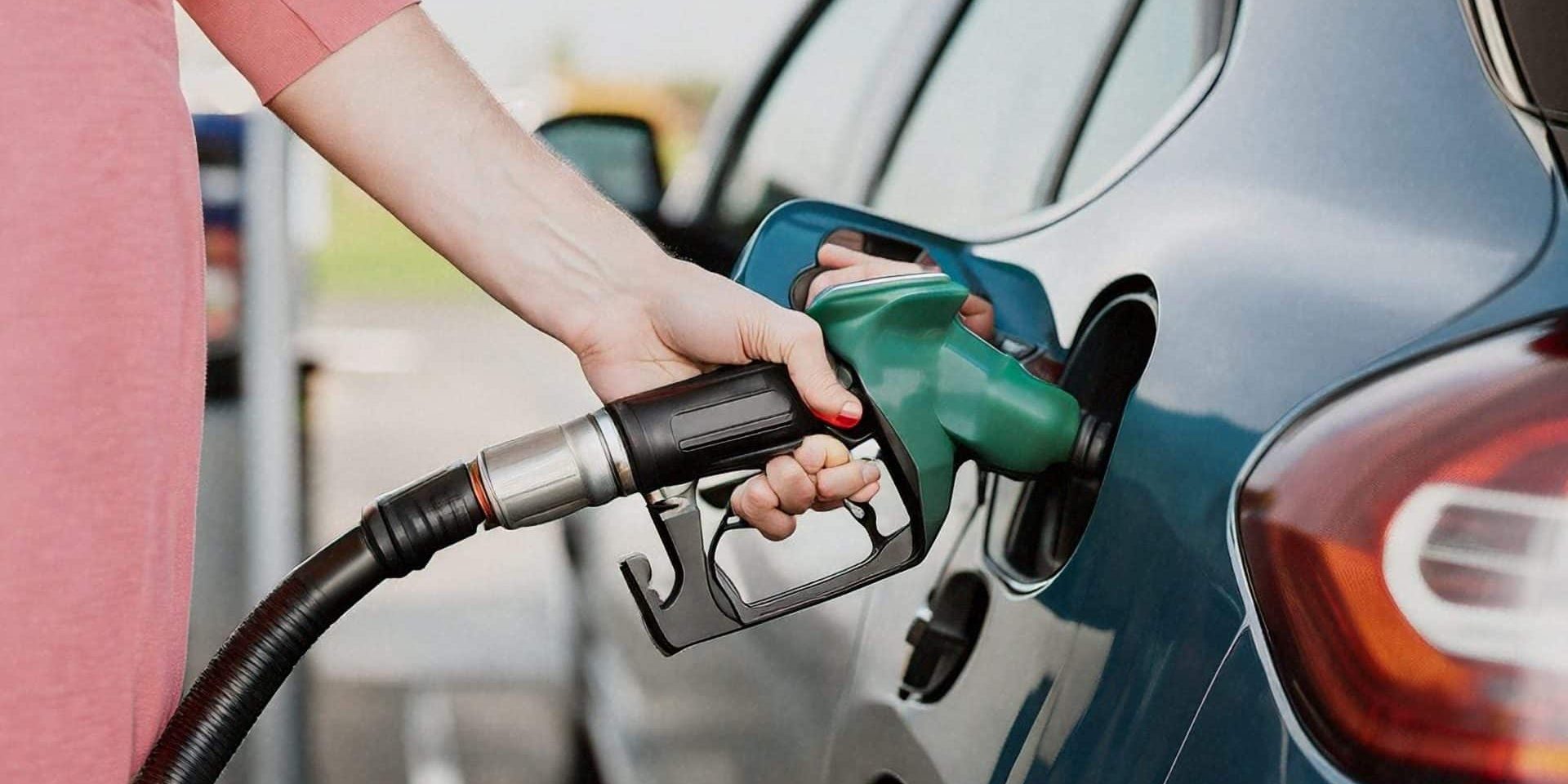
From 1 May 2026, the Competition and Markets Authority started actively fining petrol stations that fail to report their fuel prices to the government’s Fuel Finder service within 30 minutes of any change. Hundreds of warning letters have already gone out to forecourt operators who never registered with the scheme in the first place. The penalty for non-compliance is up to 30 per cent of a retailer’s worldwide turnover. For the 760 petrol stations that have so far refused to play, that is no longer a theoretical risk.
For drivers, the change matters because Fuel Finder is the first time the UK has had a single, official, near-real-time database of what every forecourt is charging for petrol and diesel. The scheme estimates that a driver who consistently uses the cheapest fuel within a five-mile radius could save up to £9 on a single tank, and considerably more over the course of a year. None of that works unless the data is reliable, which is what the new enforcement powers are designed to deliver.
What Fuel Finder Actually Does
Fuel Finder is run on behalf of the Department for Business and Trade by VE3 Global, a private contractor, with regulatory oversight provided by the CMA. Every petrol station selling at least four million litres of fuel a year, plus every operator with three or more sites, must register and submit their petrol and diesel prices in a standard data format. Updates must be filed within 30 minutes of any price change at the pump. Forecourt information, including opening hours and amenities, must be updated within three days of any change.
The data is published openly. Comparison sites including PetrolPrices, the AA’s Fuel Price Checker, and the RAC’s Fuel Watch pull from the Fuel Finder feed, as do most major sat nav and map applications. The aim is to make competition between forecourts visible enough that retailers undercut each other on price rather than relying on driver inertia.
The legal basis for the scheme is the Motor Fuel Price (Open Data) Regulations 2025, which came into force on 2 February 2026. The regulations make registration with Fuel Finder mandatory for in-scope retailers, set the 30-minute update window, and grant the CMA the enforcement powers that came into active use on 1 May.
Why the CMA Has Been Patient Until Now
The CMA gave operators a three-month soft launch between February and May. It used that period to send out registration reminders, hold webinars with the Petrol Retailers Association and the British Independent Retailers Association, and publish detailed guidance on what counts as compliance. The grace period was designed to bring stragglers in without resorting to fines on day one.
That approach has produced mixed results. The CMA’s latest monitoring report, published in early May, shows that around 760 forecourts had still not registered. VE3 Global, which administers the database, puts the figure slightly lower at 418 unregistered sites, and the Petrol Retailers Association has questioned the accuracy of both figures, citing cases where members received non-compliance letters despite being able to show they had registered correctly. The discrepancies are being worked through, but the principle is now settled: from 1 May, the CMA’s preferred response to non-compliance is enforcement.
The CMA has been explicit about what it will prioritise. Its first target is operators who have not registered at all. Its second is retailers who are registered but routinely miss the 30-minute price update window. Its third is retailers whose published price differs materially from the price actually being charged at the pump, which is the area most likely to harm consumers directly. The fourth is operators who file updates only at convenient times, such as overnight, to avoid showing higher daytime prices.
The Penalty Structure
The fines are calibrated to deter rather than to crush. The CMA can impose a fixed administrative penalty of up to 1 per cent of worldwide turnover, or a daily rate of up to 5 per cent of daily worldwide turnover for ongoing breaches, up to an overall cap of 30 per cent of annual worldwide turnover. For a small independent forecourt, that translates into a potentially business-ending fine for sustained refusal to comply. For a major operator like BP, Shell, or one of the supermarket fuel arms, it could run into tens of millions.
The CMA has indicated it will look at four factors when deciding whether to impose a penalty: whether the breach risks adverse impact on consumers or on a CMA investigation, whether the trader has previously failed to comply, whether the breach is continuing, and whether the trader gained any commercial advantage by not complying. A one-off late update on a quiet bank holiday will not trigger enforcement. A pattern of late or inaccurate updates that consistently keeps the published price below the actual price at the pump is exactly the kind of conduct the CMA has said it will pursue.
What Drivers Get Out of It
The latest Fuel Watch numbers from the RAC put the average UK petrol price at 156.98p per litre and diesel at 188.53p per litre. Prices have been pushed up by the conflict in the Middle East and a corresponding spike in oil costs through March, with weekly retail data showing petrol up 12p and diesel up 25p across the first three weeks of that month. The CMA’s diesel margin analysis has also revived its long-running concern about rocket and feather pricing, where pump prices rise sharply when wholesale costs go up but fall slowly when they come down.
Against that backdrop, a transparent live database is the most useful tool a driver has. Filling a typical family hatchback with petrol at the current average costs around £86. The most expensive petrol on the Fuel Finder feed in early May was at Spar Lapford Cross in Crediton, Devon, at 193.9p per litre. Several motorway service areas, including Hilton Park South on the M6 in Wolverhampton and Ferrybridge on the M62 in West Yorkshire, sit at 180.9p. The cheapest petrol on the feed during the same week was running close to 142p in parts of Yorkshire, the Midlands, and South Wales. The gap between most expensive and cheapest is now routinely more than 50p per litre.
Even halfway down that spread, the difference between filling at the most expensive nearby forecourt and the cheapest nearby forecourt typically lands at £5 to £9 per tank. Over a year of weekly fills, that is £260 to £470 of pure choice money for any driver willing to look at an app before pulling on to a forecourt.
How to Actually Use Fuel Finder
Drivers do not have to interact with Fuel Finder directly. The simplest route is to install the PetrolPrices app, the AA’s Fuel Price Checker, or the RAC Fuel Watch tool. Apple Maps and Google Maps both display forecourt prices for many locations using the same Fuel Finder data. The official government feed is also available at gov.uk/fuel-finder for anyone who wants the raw data.
Two practical points are worth noting. First, the most accurate data is now from the major supermarket operators (Asda, Sainsbury’s, Tesco, Morrisons) and the big oil company forecourts (BP, Shell, Esso). These were the first to register and now update within the 30-minute window almost without exception. Independent rural forecourts and small chains remain the most likely sources of stale data, and they are also where the CMA’s enforcement attention is concentrated.
Second, the data is only useful if a driver makes a habit of checking it. Most drivers default to filling up at whichever forecourt is most convenient, which is exactly the behaviour Fuel Finder is designed to disrupt. Choosing a forecourt before the journey rather than during it is the single biggest practical change a driver can make to act on the data the scheme produces.
What Happens Next
The first formal fines under the new regime are expected to be issued during the summer. The CMA will publish the names of any operator hit with a penalty as part of its monthly Enhanced Road Fuel Monitoring Report. The Petrol Retailers Association expects most of those early cases to involve smaller independent operators, although the trade body has warned that the data discrepancies between Fuel Finder records and operator records could lead to disputed cases in the first wave.
The CMA has also confirmed that it will keep margin monitoring in place alongside the registration enforcement. Its concern, set out in successive monitoring reports, is that retailers have been quietly widening margins on diesel in particular and that the 5p fuel duty cut that drivers were supposed to benefit from in 2022 has been largely absorbed at the wholesale and retail levels. That cut is now scheduled to expire in September 2026, after the most recent extension, which means pump prices will rise by 5p per litre at that point unless the Treasury intervenes again.
For drivers, the message is simple. The data is now live, the enforcement is now active, and the difference between the cheapest and the most expensive forecourt within a few miles of home is now visible in real time. The £9 per tank figure quoted by Fuel Finder is not a marketing claim. It is the going gap between the best and worst sites on any given day, and from 1 May it is a gap that the law is finally prepared to protect.
Sources:

Leave a Comment
More in News

What Happens Next in the Fight Over Mandatory Eye Tests for Over-70s

More Than Half of Glasgow’s Clean Air Zone Fines Are Overturned on Appeal

Honest Drivers Are Paying for a Billion Pound Insurance Fraud Bill

Why Learner Drivers in Some Postcodes Are Far More Likely to Fail

DVSA Photo Checks Begin at 2,500 More Garages to Catch Fake MOT Passes
Trending on Motoring Chronicle

How to Avoid a £200 Car Air Conditioning Bill This Summer

Why Blue Badge Drivers Will Not Pay to Park in Northampton After All

Rolls-Royce ‘Makers of the Marque’: Eric Platford

Why British Drivers Could Be Stuck With a £3,500 Bill in Europe This Summer
