
Why Are Cars So Expensive In 2026?
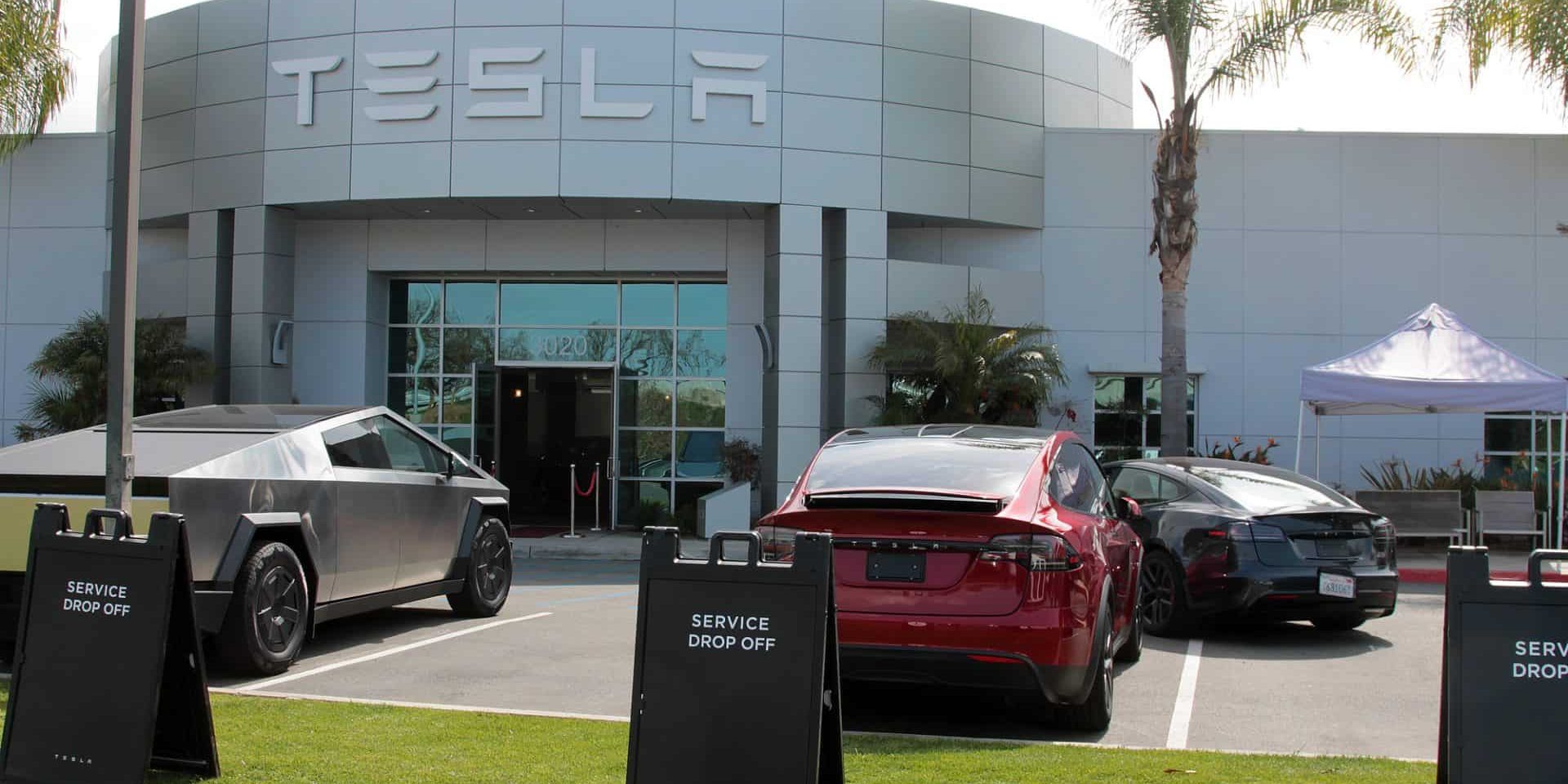

Cars are expensive right now for a combination of structural reasons that built on each other over several years and show no sign of reversing. The average transaction price for a new vehicle in the United States crossed $50,000 (approx. £39,700) for the first time in September 2025, according to Cox Automotive’s Kelley Blue Book data. In the UK, the average new car transaction price climbed past £39,000 ($49,100) during the same period, driven by the same global forces: a 25 percent US tariff on imported vehicles and parts, the consumer shift from sedans toward higher-priced SUVs and trucks, mandatory safety and emissions technology that adds thousands to production costs, a structural semiconductor shortage created by AI data centers consuming 70 percent of global memory chip output, and a consumer financing environment where the average monthly payment now exceeds $770 (£610) on loan terms stretching to 84 months.
The Tariff and Trade Policy Effect
A 25 percent tariff on imported vehicles and imported automotive parts took effect in the US in April 2025. The tariff applies to finished vehicles shipped from overseas and to individual components used in domestic assembly. A car built in the United States still contains thousands of parts sourced from Mexico, Canada, Japan, South Korea, and Germany. When those parts become 25 percent more expensive at the border, the cost flows directly into the sticker price of the finished vehicle. Industry estimates put the per-vehicle cost increase between $3,000 and $12,000 (£2,400 to £9,500) depending on how much of the car is assembled domestically versus imported.
The UK faces its own version of this pressure. Post-Brexit rules of origin requirements mean vehicles and components moving between the UK and EU are subject to documentation costs and potential tariffs if they fail to meet local content thresholds. The Society of Motor Manufacturers and Traders (SMMT) has repeatedly warned that these requirements add cost to every vehicle sold in the UK market. In Australia, the New Vehicle Efficiency Standard (NVES) is creating what analysts describe as a “structural shock,” with projected cumulative costs to motorists of between $5.7 billion and $12.8 billion (£4.5 billion to £10.2 billion) through 2029. The NVES design favors Chinese OEMs with deep low-emission portfolios, putting legacy brands at a compliance disadvantage that translates directly into higher retail prices.
The Shift from Sedans to SUVs and Trucks
The average new car price is pulled upward by what consumers are buying, not just what automakers are charging. More than 80 percent of new vehicle sales in the US are now SUVs, crossovers, or pickup trucks. In the UK, SUVs and crossovers overtook traditional hatchbacks and saloons as the most popular body style in 2022 and have held that position ever since. These vehicles cost more to build, carry higher sticker prices, and generate larger profit margins for the manufacturer.
Ford stopped selling sedans entirely in the US market after 2020 outside of the Mustang. In the UK, Ford discontinued the Mondeo and has shifted its lineup toward the Puma, Kuga, and Explorer crossovers. When the affordable end of the market disappears, the statistical average climbs even if individual model prices stay flat. Larger vehicles also cost more to own. Larger tires wear differently and cost more to replace, a factor covered in extending the life of your tires.
The Semiconductor Crisis: AI Is Taking the Chips Cars Need
The semiconductor shortage that began during the pandemic has evolved into something more permanent. The 2020-2023 chip crisis was a logistical problem caused by factory shutdowns and demand spikes. The 2025-2026 chip crisis is a capital allocation problem. Global foundries are prioritizing the AI sector over automotive orders for a simple economic reason: a single AI GPU sells for $30,000 (£23,800), while an automotive microcontroller sells for as little as $5 (£4). Foundries are incentivized to dedicate wafer capacity to the customer that pays more per square millimeter of silicon.
AI data centers are projected to consume 70 percent of all memory chip production by the end of 2026. Investment is flowing toward advanced semiconductor nodes and High-Bandwidth Memory (HBM), leaving the mature-node capacity that 95 percent of automotive electronics depend on in a state of chronic underinvestment. The impact is already visible in component pricing. Automotive-grade LPDDR4 memory prices spiked 70 to 100 percent year-over-year by January 2026. Forecasts from EnkiAI project that this supply diversion could result in 600,000 fewer vehicles being built globally in 2026.
Proactive manufacturers are responding with direct foundry partnerships that bypass the traditional tiered supply chain. Tesla secured a $16.5 billion (£13.1 billion) agreement with Samsung to produce next-generation chips through 2033. General Motors partnered with NVIDIA to align its vehicle architecture with NVIDIA’s compute roadmap. Hyundai Mobis launched a coalition of more than 20 partners to build a resilient semiconductor ecosystem in South Korea. Automakers that fail to establish these direct relationships face production halts and model-year delays, and those costs ultimately land on the buyer.
Technology and Regulatory Costs Built into Every New Car
Safety Equipment
Every new car sold in the US and UK now includes electronic safety systems that did not exist on mass-market vehicles ten years ago. Automatic emergency braking, lane departure warning, blind spot monitoring, rear cross-traffic alert, and backup cameras are either standard equipment or regulatory requirements. Each system requires sensors, cameras, wiring, and processing hardware. A vehicle that would have been a base-model commuter car in 2015 now ships with $2,000 to $4,000 (£1,600 to £3,200) worth of electronic safety hardware that the buyer cannot opt out of.
Emissions and Fuel Economy Standards
Federal fuel economy standards in the US and Euro 7 emissions regulations in Europe have tightened steadily. Meeting those standards requires lighter materials, turbocharging, start-stop systems, and in many cases hybrid or plug-in hybrid powertrains. Aluminum body panels cost more than steel. Turbochargers and their associated intercoolers add parts and complexity. The result is a vehicle that produces fewer emissions but costs substantially more to engineer, build, and sell. Buyers weighing fuel savings against a higher purchase price face the same calculation explored in whether turning off the engine at lights saves fuel.
The Disappearance of Budget Cars
In 2024, three new cars were available in the US for under $20,000 (£15,900). By early 2026, that number dropped to zero. The Nissan Versa, the Mitsubishi Mirage, and the Chevrolet Spark, the last holdouts of the sub-$20,000 segment, have all been discontinued or priced above the threshold. In the UK, the sub-£15,000 new car segment has shrunk to a handful of models, with the Dacia Sandero standing as the last credible option for buyers seeking a new car at that price point.
The disappearance of budget cars is deliberate. Automakers make very little profit on their cheapest models. A $19,000 (£15,100) subcompact generates a fraction of the margin that a $45,000 (£35,700) midsize SUV produces on the same assembly line. When supply chain costs rose and tariffs added further pressure, manufacturers cut their lowest-margin products rather than absorb the losses. The result, on both sides of the Atlantic, is a market where the entry point for new car ownership is the highest it has ever been.
Raw Material and Production Cost Increases
The bill of materials for a new vehicle has risen across every major input category. Lithium carbonate prices more than doubled over the 12 months leading into 2026, inflating battery pack costs and stalling progress toward mass-market EV price parity. Steel, aluminum, and synthetic rubber, the baseline materials for chassis, body panels, and tires, have all seen broad price surges. United Auto Workers (UAW) negotiations in the US secured pay raises of more than 30 percent, and while labor accounts for less than 10 percent of total vehicle production cost, the increase still feeds into the final price.
China controls over 90 percent of raw material processing for battery components and rare earth minerals. That concentration gives a single country enormous influence over the cost of every electric and hybrid vehicle sold anywhere in the world. Volatile crude oil prices, driven higher by Middle East conflict in early 2026, have pushed national average gasoline prices above $4 per gallon in the US (equivalent to roughly £1.55 per liter in the UK at current exchange rates), increasing both consumer operating costs and manufacturer shipping expenses.
Interest Rates and the Cost of Financing
The sticker price of a car is only part of what a buyer pays. The interest rate on the loan determines the total cost of ownership over the repayment period. Average US auto loan rates climbed from around 4 percent in early 2022 to above 7 percent by late 2024 and have held near that level into 2026. In the UK, average car finance APR has followed a similar trajectory, with PCP deals that once sat below 4 percent now regularly exceeding 7 percent.
On a $50,000 (£39,700) vehicle financed over 72 months, the difference between a 4 percent rate and a 7 percent rate adds roughly $5,400 (£4,300) in total interest. More than 20 percent of US new car buyers in the fourth quarter of 2025 signed loan agreements with monthly payments above $1,000 (£790), the highest share ever recorded. Loan terms of 72 and 84 months have become standard as buyers stretch payments to afford vehicles that would otherwise be out of reach, but longer terms trap more buyers in negative equity. In Q4 2025, 29.3 percent of new vehicle trade-ins in the US involved negative equity, meaning the owner owed more on the loan than the vehicle was worth.
Auto Loan Delinquency: Worse Than the Headlines Suggest
Headline auto loan delinquency reached a seasonally adjusted peak of 1.68 percent in late 2025, the highest rate recorded. Philadelphia Fed data shows that the crisis is defined by an accumulation of unresolved defaults rather than a sudden wave of new ones. The rate of borrowers entering delinquency for the first time has remained relatively stable, but existing delinquent loans are not resolving. Expanded loss mitigation tools like loan extensions temporarily return borrowers to “current” status but often create a cycle of redefault. The share of redefaulters has increased by 50 percent over pre-2020 levels. Subprime borrowers with credit scores below 620 account for nearly two-thirds of all delinquent auto loans, with subprime delinquency rates sitting at a 20-year high of 6 percent.
The EV Transition and Chinese Overcapacity
The automotive industry is in the middle of a generational shift from internal combustion to electric powertrains, and that transition is expensive. Every major manufacturer is spending billions on battery factories, EV platforms, and retooling existing assembly plants. Those capital expenditures are spread across the entire vehicle lineup, which means the price of a gasoline-powered SUV today partially subsidizes the development of the electric model that will replace it.
The EV transition has also exposed a massive overcapacity problem in China. In 2025, China manufactured approximately 35 million vehicles against a staggering capacity of 55 million units. That 20-million-unit surplus, roughly equal to the entire US domestic market, triggered severe margin compression. Chinese automaker profit margins fell to 3.2 percent in early 2026, well below the national enterprise average of 6 percent. To meet manufacturing quotas, some firms resorted to recording vehicles as sold domestically before shipping them overseas as used inventory, a practice known as “zero-mileage” car exporting that destabilized global used-car price floors.
While Chinese manufacturers like BYD have begun raising prices to restore margins, the overcapacity overhang continues to distort global pricing. The maintenance picture for EVs looks different from combustion vehicles, with fewer fluids and fewer traditional wear items, a topic covered in whether electric cars need less maintenance.
Used Car Prices Followed New Car Prices Up
New and used car markets are connected. When new car supply dropped during the chip shortage, buyers who could not find or afford a new vehicle flooded the used market. Used car prices jumped 40 to 50 percent between 2020 and their peak in early 2022. In the UK, Auto Trader data showed average used car prices rising from approximately £13,000 in 2019 to over £17,000 at the 2022 peak. Prices have come down from those highs on both sides of the Atlantic, but remain well above pre-pandemic baselines.
The used market also lost a source of affordable inventory when rental car companies sold off their fleets during the pandemic to generate cash. Those fleet vehicles, typically one-to-three-year-old models with moderate mileage, had historically fed the affordable end of the used market. When the rental companies rebuilt, they bought at the new, higher prices, which means the next wave of off-lease and off-rental vehicles entering the used market will carry higher residual values.
When Car Prices Will Come Down
Prices are unlikely to return to pre-2020 levels. The structural factors that pushed them higher, including tariff regimes on both sides of the Atlantic, the shift to larger vehicles, added technology content, the AI-driven semiconductor reallocation, and the industry’s learned preference for lower inventory and higher margins, are not temporary disruptions. They are permanent features of the current market.
Prices could stabilize or ease modestly if tariffs are reduced, if interest rates fall, or if a new generation of affordable EVs from Chinese manufacturers enters Western markets and forces pricing competition. Several sub-$30,000 (£23,800) EVs are in development from multiple manufacturers. Toyota’s approach of balancing hybrids and battery-electric vehicles has allowed it to maintain industry-leading profit margins, and its early adoption of newer memory chip generations (LPDDR5/6) has insulated it from the DRAM price shocks hitting competitors. That diversified strategy is emerging as the template for navigating the current environment.
For buyers right now, the most effective way to manage the cost of car ownership is to maintain the vehicle they already have, extend its useful life, and avoid unnecessary depreciation by keeping it in good condition through a consistent seasonal maintenance routine.
Car Price Frequently Asked Questions
Will car prices go down in 2026?
Average transaction prices have eased slightly from their late-2025 peak but remain above $49,000 (£38,900) as of early 2026. The tariff on imported vehicles, the AI-driven semiconductor shortage, and the ongoing shift toward higher-priced SUVs keep a floor under new car pricing. Modest declines are possible if manufacturer incentives increase or if interest rate cuts improve buyer affordability, but a return to pre-2020 pricing is not expected by any major industry forecaster.
Why are used cars still so expensive?
Used car prices remain elevated for two reasons. First, the new car supply shortage from 2020 to 2023 reduced the number of late-model trade-ins and off-lease vehicles entering the used market, limiting supply. Second, the higher cost of new cars pushes more buyers into the used market, sustaining demand. In the UK, average used car prices remain approximately 25 percent above their 2019 level. In the US, the gap is similar.
Are cars more expensive than they used to be after adjusting for inflation?
Yes. The average new car transaction price in the US rose from roughly $36,000 (£28,600) in 2019 to over $50,000 (£39,700) by late 2025, an increase of about 39 percent in six years. General CPI inflation over the same period was approximately 22 percent. The gap represents real price increases driven by tariffs, technology content, semiconductor scarcity, vehicle mix, and the industry’s shift away from high-volume discounting.
Why are cars more expensive in the UK than the US?
UK car prices include 20 percent VAT (compared to variable US sales tax averaging 5 to 8 percent), higher fuel duty built into running cost expectations, Vehicle Excise Duty, and generally smaller production volumes for right-hand-drive models. Post-Brexit rules of origin requirements add documentation and compliance costs. The combination of these factors means that a model sold in both markets will typically carry a higher price tag in the UK, even after currency conversion.
Sources

Leave a Comment
More in News

Why Catalytic Converter Theft Is Surging Again [and How to Protect Your Car]

What Michigan USAA Drivers Must Know Before the Oct 8 Deadline

How Rivian Fixed 98,828 EVs Camera Bug Before Owners Even Knew

Ford Recalls 11,405 Rangers After Fake Parts Knock Out the Backup Camera

Why Alabama Just Made Fatal Hit and Run Crashes a More Serious Felony
Trending on Motoring Chronicle

Mercedes-AMG GLE 63 S and GLS 63 Return with 612hp Twin-Turbo V8
2027 Kia Seltos Priced from $24,990 with Telluride-Inspired Design and Turbo Option
How New Council Powers Could Land Pavement Parkers With Fines of up to £130

Why Driving Test Wait Times Are Still 22 Weeks Despite Army Examiners Being Drafted In
