
Pump Pressure: Petrol at a Two-Year High and Fuel Duty Rising From September
Petrol Already at Its Highest in Two Years. Then Fuel Duty Starts Going Up.
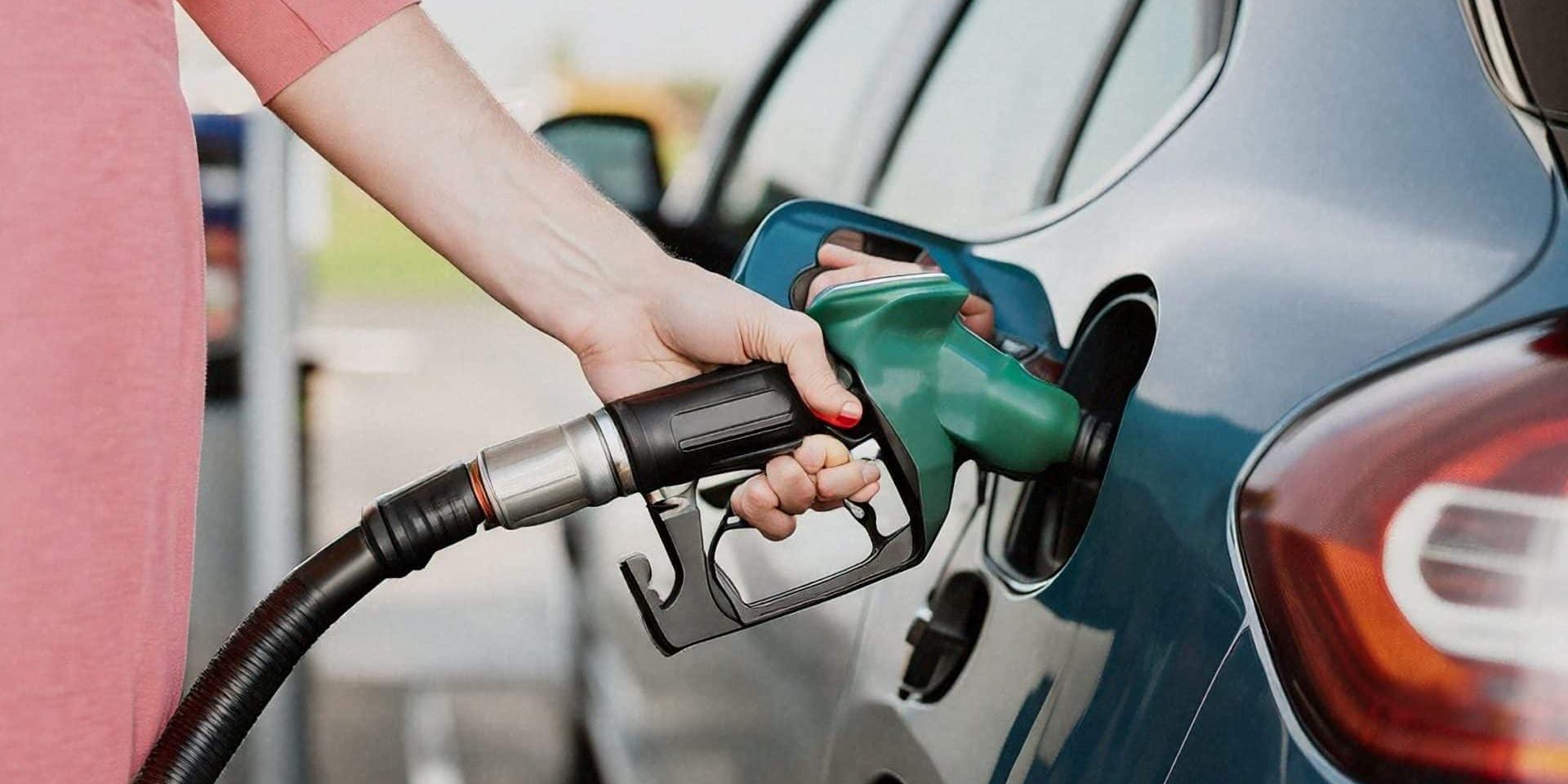
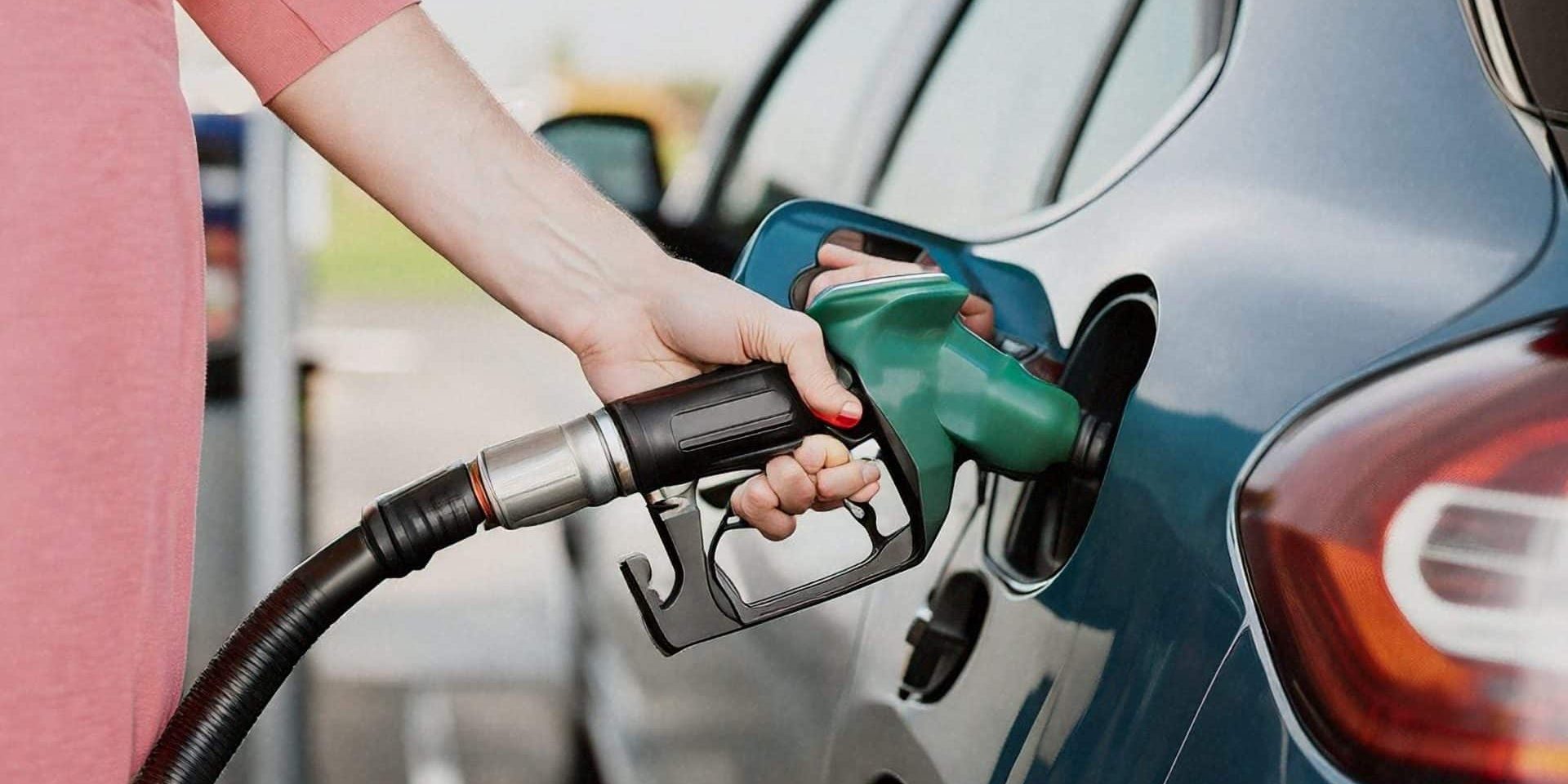
British drivers are caught in a squeeze from two directions at once. The first is the global oil market. Since late February 2026, conflict in the Middle East has disrupted supply through the Strait of Hormuz, the narrow waterway that carries roughly 20% of the world’s energy, and Brent crude has surged past $110 a barrel. Average petrol prices in the UK have risen to around 157p per litre, and diesel is hovering near 189p. These are the highest pump prices seen in over two years. The RAC confirmed that both petrol and diesel rose every single day for 40 consecutive days before the first minor dip in mid-April.
The second pressure point is coming from the government’s own tax calendar. The temporary 5p-per-litre fuel duty cut that has been in place since March 2022, extended multiple times under both Conservative and Labour administrations, is finally being withdrawn. Not all at once, but in three stages starting from 1 September 2026. By March 2027, fuel duty will have returned to 57.95p per litre. From April 2027 onwards, it will rise in line with inflation every year, ending a freeze that had been in place since 2011.
The combination means that drivers who are already paying significantly more than they were at the start of the year can expect further increases in the months ahead, with no clear end date to the current oil-driven price spike and a confirmed schedule of tax rises on top.
The Duty Timeline: Exactly What Is Coming and When
The phased withdrawal of the 5p fuel duty cut was confirmed in the Autumn Budget 2025. Currently, fuel duty sits at 52.95p per litre, the rate that has been in place since the emergency cut in March 2022. This remains in place until 31 August 2026. On 1 September 2026, the rate increases by 1p to 53.95p per litre. On 1 December 2026, a further 2p is added, bringing the rate to 55.95p. On 1 March 2027, the final 2p is restored, returning duty to 57.95p per litre. From April 2027, the duty rate begins rising with the Retail Prices Index annually, something that has not happened since 2011.
Because fuel duty attracts VAT at 20%, each 1p increase in the duty rate adds approximately 1.2p at the pump. The total impact of the three-stage restoration is roughly 6p per litre by March 2027. For a driver filling a typical 55-litre tank, the duty restoration adds approximately £3.30 per fill-up by March 2027. For someone filling up weekly, that translates to around £172 per year in additional fuel duty alone. For two-car households or high-mileage workers, the figure doubles.
Why the Government Is Doing This Now
The 5p cut was introduced in March 2022 by then-Chancellor Rishi Sunak as an emergency response to fuel prices that were breaking records in the wake of the Ukraine conflict. It was always described as temporary. It has since been extended four times, costing the Treasury an estimated £6 billion per year in foregone revenue.
Fuel duty raises approximately £25 billion annually and is one of the largest single sources of Treasury revenue from motoring. As more drivers switch to electric vehicles, which pay no fuel duty, that revenue base has been shrinking. The introduction of a pay-per-mile road pricing mechanism for EVs is partly designed to replace it, but that system will take years to ramp up. In the interim, the government needs the fuel duty revenue that the cut has been forgoing.
The phased approach, three increases over six months rather than a single 5p hike, is deliberate. It softens the immediate impact and avoids the kind of forecourt price shock that accompanied the 2022 peak, when many drivers were paying close to £2 per litre. The direction of travel, however, is clear.
The Current Oil Situation Makes Timing Particularly Painful
The problem with timing the duty restoration in the middle of an oil price spike is that there is no relief from falling pump prices to cushion the blow. Diesel drivers are feeling the existing spike most sharply. A full 55-litre diesel tank now costs over £103 on average, up more than £25 since before the Middle East conflict began, according to RAC data. Petrol drivers have seen their fill-up cost rise by around £14 over the same period.
The situation is also feeding through to other costs. Higher fuel prices push up haulage costs, which filter through into the price of goods in shops. Car insurance premiums track repair costs, which themselves rise when oil-based products like engine oil, lubricants and tyres become more expensive. EY’s motor insurance analysis forecasts that UK insurers will pay out £1.11 for every £1 earned in premiums through 2026, a loss-making position that historically translates into premium increases for consumers.
What Drivers Can Do Right Now to Reduce the Impact
Since February 2026, all UK fuel retailers are legally required to report their pump prices within 30 minutes under the Fuel Finder scheme. The RAC estimates that using this data to find cheaper local fuel could save an average driver around £40 a year, which would offset much of the first stage of the duty increase. Supermarket forecourts consistently undercut branded stations by 4p to 8p per litre. The gap between supermarkets and motorway services can reach 17p to 38p per litre, so filling up before joining a motorway is one of the easiest ways to cut costs on a longer journey.
Driving technique also makes a meaningful difference. Maintaining correct tyre pressure, removing unnecessary weight from the boot, avoiding harsh acceleration and braking, and using cruise control on motorways can together improve fuel economy by 10% to 15%. For a driver covering 10,000 miles a year at 40mpg, that improvement is worth roughly 20 to 30 litres of fuel, or around £30 to £45 at current prices.
Loyalty schemes from BP (BPme), Shell (Shell Go+) and Tesco Clubcard all offer effective discounts on fuel. While the savings per litre are modest, typically 1p to 3p, they compound over a year of regular filling. Electric vehicle drivers are not immune to cost pressures either. The Ofgem energy price cap fell to £1,641 for a typical household from 1 April 2026, but forecasters at EDF Energy expect the July cap to rise by around £217 as the delayed impact of the Middle East gas supply disruption feeds through. Even so, home charging on a standard rate at 24.67p per kWh works out at roughly 7p per mile, significantly cheaper than petrol at 157p per litre.
The critical date to watch is 1 September 2026, when the first 1p duty increase takes effect. If the oil-driven price spike has eased by then, the rise may feel manageable. If pump prices are still at current levels, the September increase simply adds to an already elevated cost. For now, the advice for UK drivers is simple: fill up smart, shop around before you fill, and plan for costs to remain elevated through the rest of 2026 and beyond.
Sources:

Leave a Comment
More in News
What the FCA Court Delay Means for Your Average £830 Car Finance Payout

What Counts as Fair Wear and Tear When You Hand Back a PCP Car

Every Car Since 2012 Can Fail Its MOT Over a £60 Warning Light

Start Rescue Warns Nine in Ten UK Drivers Blinded by Headlight Glare

GEM Warns Drivers to Give Pedestrians and Horse Riders Extra Space This Weekend
Trending on Motoring Chronicle

How Long Does Car Maintenance Take?

Why Drivers Are Ditching Claims Firms to Fight Insurers Themselves
How to Tell if Your Brake Pads Need Replacing Before Your MOT

Why Oregon Drivers Face Some of the Nation’s Steepest Insurance Hikes in 2026
