How to Check All Your Car’s Fluids in Under 10 Minutes


Checking all of your car’s key fluids takes less than ten minutes with the engine cold or recently cooled. The six fluids to check are engine oil, coolant, brake fluid, power steering fluid, transmission fluid where a dipstick is accessible, and windshield washer fluid. Each check requires locating the correct reservoir or dipstick, reading the level against the marked range, and assessing the fluid’s color and condition.
Before You Start , Engine Temperature and Safety
Why a cold engine is required for some checks
The engine must be off and allowed to cool for at least five minutes prior to checking most fluids. This cooling period is essential, as liquids expand when hot, and checking levels on a warm engine produces inaccurate readings. Engine oil, coolant, and transmission fluid all have thermal expansion coefficients that cause them to occupy more space at operating temperature than at rest. A dipstick reading taken immediately after driving will show the level as higher than it actually is; the oil is expanded and will settle to a true lower level as the engine cools.
Coolant is most notably sensitive to temperature-related readings. The coolant expansion tank is designed with minimum and maximum marking lines that are calibrated for a cold engine condition. If the engine is hot, the coolant level will naturally rise to higher than the maximum line as the fluid expands. A driver who tops up coolant while the engine is hot can overfill the system, causing coolant to be forced out of the overflow tube as the engine cools and the fluid contracts. This creates the false impression that a leak has occurred.
Power steering fluid and brake fluid are less sensitive to temperature than coolant or oil, yet cold readings are still preferred. Brake fluid is hygroscopic and will absorb water from humid air if the brake fluid reservoir cap is removed for extended periods. Keeping checks brief by performing them on a cold engine minimizes the time the cap is removed. A morning check prior to driving is ideal for all fluid inspections, as the engine will be at ambient temperature and you will not be handling hot components.
Which checks can be done with the engine warm
Windshield washer fluid can be checked at any time, regardless of engine temperature, as it is stored in a plastic tank that is not exposed to engine heat. The level is immediately visible through the translucent plastic tank; no dipstick or reservoir inspection is required. This is the only fluid that has no temperature-related accuracy concerns.
Transmission fluid in automatic transmissions with a dipstick can be checked with the engine warm, yet this introduces complexity. Some manufacturers specify that automatic transmission fluid should be checked with the transmission in Park on level ground and the engine running at idle. Others specify a cold check. Consult your owner’s manual for the specific procedure for your vehicle. Following the manufacturer’s procedure verifies an accurate reading and prevents overfilling or underfilling the transmission. If your vehicle’s manual specifies a warm check, then a brief check with the engine at idle is acceptable, yet the car must be parked on level ground.
Modern vehicles with sealed transmissions and no user-accessible dipstick cannot be checked by the owner at all. These vehicles have fluid level sensors and automatic transmission fluid change intervals specified by the manufacturer. If your transmission has no dipstick and no access cap, the fluid cannot be safely checked without dealer equipment. Attempting to find a fill plug or check point on a sealed transmission can introduce contamination or cause leaks.
What you need , no tools required for most checks
You will need a white cloth, paper towel, or white rag for checking fluid conditions on dipsticks. This provides visual contrast that makes color assessment much more reliable than examining the dipstick in direct light. A cloth is also useful for identifying particles or discoloration that might not be obvious on the dipstick itself. Most drivers already have clean rags available in the vehicle or garage.
No other tools are required for fluid level checks. No wrenches, screwdrivers, or pliers are necessary. The reservoir caps and dipsticks are all designed to be removed by hand or with a quarter-turn of the cap. Transmission fluid reservoirs could have caps that require hand-turning only. Avoid using tools to force open fluid caps or dipsticks, as forcing the cap can damage the seal or strip the threads. If a cap will not open by hand, stop and seek mechanical assistance rather than risk damage.
Windshield washer fluid can be assessed by visual inspection alone; no cloth is required, as the tank is transparent. Simply open the engine compartment and look at the plastic tank. If the level is below the minimum marking, a windshield washer fluid container is needed. These are inexpensive and widely available at any fuel station, auto parts store, or supermarket. Windshield washer fluid does not require any checks for color or condition; it is either full or it is not.
The Six Fluid Checks, One by One
Engine oil , level and color
Engine oil is the first fluid to check and the most informative about engine condition. Locate the oil dipstick under the hood; on most vehicles it has a bright yellow or orange handle to distinguish it from other items in the engine bay. Pull the dipstick straight out without twisting. Some oil will cling to the stick; this is the sample you will examine. Wipe the oil onto a clean white cloth to assess its color. Fresh oil is amber or light brown. Oil that has darkened to black yet remains translucent after several thousand miles of operation is normal. Oil that appears milky or grey indicates coolant contamination and requires immediate diagnostic attention.
Check the level by re-inserting the dipstick fully and removing it again. The oil should reach the maximum mark or fall within the marked range between minimum and maximum. If the level is below the minimum mark, the engine should be topped up prior to driving. Use the correct oil grade specified in the owner’s manual; typically 5W-30 or 0W-20 for modern gasoline engines. Diesel engines will require different viscosity grades, so confirm the specification prior to adding oil. Check the owner’s manual for the total capacity; most modern cars require one to one and a half quarts to raise the level from minimum to maximum.
Do not top up the oil if the level is within the normal range. The space between the minimum and maximum lines is the normal operating range. Some engines consume a small amount of oil between service intervals, and this is normal. If the engine is consuming more than one quart between 3,000 mile service intervals, this can indicate a leak or engine problem worth investigating. Topping up oil every 1,000 miles is a sign of excessive consumption.
Coolant , reservoir level and color
Coolant is stored in an expansion tank (or recovery reservoir) that is separate from the main radiator on most modern vehicles. This plastic tank is clearly marked with minimum and maximum level lines. The tank is normally located on the side of the engine bay, away from the main radiator. With the engine cold, the coolant level should be at or very slightly above the minimum line. Some vehicles display the level within the marked range as acceptable.
Do not open the main radiator cap. The main radiator is under pressure when the engine is hot and can release scalding coolant if opened while pressurized. Stick to checking the expansion tank, which is not pressurized. The expansion tank allows coolant to expand as it heats up and contracts as it cools without building excessive pressure in the system. If the expansion tank level is low yet the main radiator cap area does not show signs of leaking or corrosion, the low level could simply indicate normal coolant contraction from recent cool-down.
Assess the coolant color while examining the expansion tank. Red and orange coolants indicate extended-life formulations. Green coolant indicates conventional or older technology formulations. Pink or violet coolants are also extended-life types used by some manufacturers. The choice between red and green coolants depends on your vehicle’s specifications. The color should be clear and uniform; if the coolant appears brown, rusty, or discolored, this suggests corrosion or contamination in the system. A full flush will be needed if the coolant appears heavily discolored. Follow the vehicle manufacturer’s recommended coolant change interval, which varies significantly based on the coolant type used.
Brake fluid , reservoir level and color
The brake fluid reservoir is typically located on the driver’s side of the engine compartment, often mounted on or near the master cylinder. It is a plastic container with a translucent body that allows visual inspection of the fluid level without opening the cap. The reservoir will have marking lines indicating minimum and maximum levels. The fluid should be at or above the minimum level. Brake fluid naturally decreases in level as the brake pads wear; wear is normal and reduces the level gradually over tens of thousands of miles.
Do not open the brake fluid reservoir cap unless you are prepared to add fluid. Brake fluid is hygroscopic, meaning it absorbs water from humid air. Leaving the cap open for extended periods allows moisture to enter the fluid, which degrades its boiling point and braking performance. If the level is low enough to require topping up, use only the specific brake fluid grade specified in the owner’s manual. Most modern vehicles use DOT 3 or DOT 4 fluid. Never mix fluid grades or use the wrong type.
Brake fluid color should be clear to pale golden. Fluid that has darkened significantly to brown or black indicates the fluid is aged and has absorbed moisture and contaminants. If the fluid appears very dark, the brake system should be bled and the fluid replaced. A full brake fluid flush is recommended every two to three years regardless of appearance, as the fluid’s ability to protect the system degrades over time even if it still appears clear. Some modern vehicles have brake fluid monitoring systems that alert the driver when the fluid condition has deteriorated; if this warning appears, schedule a service appointment soon.
Power steering fluid , level and condition
Power steering fluid is stored in a reservoir usually located near the power steering pump on the side of the engine bay. The reservoir is typically plastic and semi-translucent, allowing direct visual inspection of the fluid level. The cap is usually red or labeled with a steering wheel symbol. Check the level with the engine off and cold. The fluid should be at or above the minimum mark indicated on the side of the reservoir or visible through the translucent plastic.
Power steering fluid color should be clear to pale pink or amber, depending on the fluid type. Fluid that appears dark, murky, or contains visible particles indicates contamination from internal pump wear or age-related degradation. If the fluid appears dark, the system should be professionally flushed and the fluid replaced. Never ignore dark power steering fluid, as continued use with contaminated fluid can cause pump failure.
Power steering fluid should rarely need topping up if the system is healthy. A consistently low level indicates a leak in one of the hoses, the pump seal, or the steering rack. If you are topping up power steering fluid more than once per year, a leak exists and should be located and repaired. Consult a mechanic to identify the source of the leak. Continuing to operate a power steering system with an active leak will eventually cause the pump to fail from loss of fluid, potentially leaving the vehicle with no steering assistance.
Transmission fluid , where accessible
Not all vehicles have an accessible transmission fluid dipstick. Many modern automatic transmissions are sealed, with fluid changes performed only by dealers using specialized equipment. If your vehicle has a transmission dipstick, it is usually located toward the back of the engine bay or on the side of the transmission itself. The dipstick is typically red or orange and clearly labeled. Check your owner’s manual for the exact location if you cannot locate it visually.
Transmission fluid color should be bright red or pink. Fluid that has darkened to brown or black indicates heat damage or oxidation from extended service. Fluid that smells burnt or contains a strong odor indicates internal transmission wear or overheating. If the transmission fluid appears dark or smells burnt, the transmission should be serviced. Dark fluid often means the transmission is operating at elevated temperatures and the fluid’s protective properties are degrading.
Transmission fluid level should be checked according to the owner’s manual’s specifications. Some manufacturers specify a cold check; others specify a warm check with the engine running. Follow your vehicle’s procedure exactly. Most automatic transmissions hold approximately ten to fifteen quarts of fluid, and the range between minimum and maximum on the dipstick represents one to two quarts. If the level is low, the cause is usually a leak in one of the cooler hoses, the transmission pan seal, or the transmission input shaft seal. A leak should be addressed indicately, as continued operation with low transmission fluid will cause overheating and eventual transmission failure.
Windshield washer fluid , the one fluid that is purely functional
Windshield washer fluid is stored in a plastic tank that is usually located under the hood on one side of the engine bay. It has no minimum or maximum markings; it is simply full or empty. The translucent plastic allows you to see the level at a glance. No color assessment or dipstick examination is required. If the level is below halfway, plan to refill it soon to verify it is available when needed.
Windshield washer fluid is inexpensive and available year-round at every fuel station, auto parts store, and supermarket. The fluid comes pre-mixed with water and additives that clean and protect the windshield. The only consideration when selecting washer fluid is the climate; in freezing climates, use winter-grade washer fluid that contains antifreeze to prevent the fluid from solidifying in the lines. This is typically available only during the colder months. If you are in a warm climate, any standard windshield washer fluid is acceptable.
Refilling windshield washer fluid requires only unscrewing the cap and pouring in the new fluid. This is the only vehicle fluid that any driver can confidently top up without consulting the owner’s manual or worrying about specifications. Windshield washer fluid cannot harm the vehicle if overfilled; the excess simply does not fit in the tank. Empty the tank completely and refill it whenever you notice the level is low.
What to Look for Beyond the Level
Color as a condition indicator across all fluids
Color is the most reliable quick indicator of fluid condition for five of the six fluids checked. Engine oil color ranges from amber when fresh to black when aged, with normal darkening reflecting the additive package working as designed. Color transition happens gradually, and comparing the current oil color to an oil chart or your personal baseline from the last service helps you determine if darkening is normal or accelerated.
Coolant color depends on the formulation. Red and orange represent extended-life coolants that remain effective for 100,000 miles or more. Green represents conventional coolant needing replacement every 30,000 to 50,000 miles. Pink represents some newer extended-life formulations. The color should remain uniform; if the coolant appears brown, murky, or separated into layers, the cooling system is experiencing corrosion or the wrong coolant types have been mixed together. Severely discolored coolant indicates a system flush is overdue.
Brake fluid should be clear to pale golden. Darkening to brown or black indicates moisture absorption and age. Power steering fluid should be clear to pale pink or amber without cloudiness. Transmission fluid should be bright red or pink. Any deviation from these baseline colors, except for the gradual darkening of engine oil with age, suggests a condition that warrants attention. Taking a photograph of your fluids when the car is new gives you a reliable visual baseline to compare against at every future check.
Smell and texture as secondary checks
Smell provides important information about fluid condition and can alert you to problems that color alone does not reveal. Engine oil that smells burnt or has a strong fuel odor indicates abnormal combustion or fuel dilution. Coolant should have no strong smell; a sweet smell suggests the cooling system is intact. Brake fluid should have no smell; a pungent odor can indicate moisture or age-related degradation. Power steering fluid should have minimal smell. Transmission fluid should have minimal smell; a burnt or acrid smell indicates overheating.
Texture is assessed by rubbing a small amount of the fluid between your fingers or observing how it behaves on a white cloth. Fresh oil is slippery and flows freely. Aged oil can feel slightly thicker or more viscous. Oil that feels gritty contains particles or sludge and warrants concern. Brake fluid should feel slippery and flow freely. Fluid that feels sticky or thick could have absorbed water or become contaminated. Power steering fluid should be smooth and free-flowing. Transmission fluid should flow smoothly without clumping or separation.
Do not rely on smell and texture alone; use them as supplementary information to confirm what the color is telling you. A combination of observations is more reliable than any single indicator. If color looks normal yet the fluid smells burnt or feels gritty, take the vehicle to a mechanic for a professional assessment rather than assuming everything is fine.
When a top-up is not the correct response to a low reading
A consistently low power steering fluid level indicates a leak. Topping up the fluid temporarily will mask the problem yet does not solve it. A leak will continue and eventually leave the vehicle without power steering assistance. Power steering fluid should not drop more than a quarter inch in the reservoir between annual service appointments. If you are topping up more frequently, a leak exists and must be located and repaired.
Transmission fluid that drops significantly between service intervals indicates a leak in the system. The transmission cooler lines, pan gasket, input shaft seal, and output shaft seal are common leak sources. A leak will continue to worsen and will eventually cause the transmission to overheat and fail. Do not ignore a declining transmission fluid level; address the leak as soon as possible.
Brake fluid level should drop only slightly as the brake pads wear. The pads themselves wear and reduce the volume of fluid needed to fill the system. This is normal and expected. A sudden, dramatic drop in brake fluid level indicates a leak in the brake lines, wheel cylinders, or calipers. A leak in the brake system is a safety issue and must be addressed immediately. Do not drive the vehicle if the brake fluid level has dropped suddenly or significantly.
What to Do When a Fluid Is Low
Identifying a leak vs. normal consumption
Engine oil consumption is the most common fluid loss that drivers experience and is sometimes normal rather than indicative of a leak. Modern engines with tight tolerances consume very little oil; most are designed to consume less than one quart per 3,000 miles. Older engines or engines with higher mileage can consume more. Consult the owner’s manual for your vehicle’s specification. If consumption falls within the manufacturer’s range, no action is required; simply top up as needed.
Consumption exceeding the manufacturer’s specification indicates a leak or internal engine problem. Oil can leak from the pan gasket, the valve cover gasket, the crankshaft seals, or internal components. Internal leaks (past piston rings or valve guides) cause oil to enter the combustion chamber and burn off, which is why high-consumption engines often produce blue smoke from the exhaust. A mechanic can diagnose the source by performing a visual inspection under the hood. Leaking oil will leave visible drips under the parked vehicle or residue on engine components.
Coolant loss can occur through leaks in the radiator, hoses, water pump, or heater core. A puddle of coolant under the vehicle or sweet-smelling drips in the engine bay indicate a leak. Overheating on a cold day with low coolant in a sealed system points to an internal leak into the combustion chamber. Transmission fluid leaks are visible as red or pink spots under the transmission area. Power steering fluid leaks leave yellowish or amber spots under the pump or steering rack. Brake fluid leaks are less visible externally yet will cause the brake pedal to feel soft or travel further than normal.
Which fluids should never need topping up
Transmission fluid should never require topping up between service intervals in a healthy vehicle. The transmission is a sealed system, and the fluid remains constant unless a leak has developed. If the transmission fluid level drops noticeably between services, a leak exists and must be repaired. Do not treat the low level as a maintenance item requiring periodic topping up; identify and fix the leak.
Brake fluid in a closed brake system should never drop significantly between service intervals. The only normal decrease occurs as brake pads wear and need less fluid to fill the system. This is a very slow process over tens of thousands of miles. If you are topping up brake fluid every few months, a leak is present and the brake system should be inspected immediately. This is a safety issue that cannot be deferred.
Power steering fluid, like transmission fluid, should remain constant in a healthy system. A declining level indicates a leak that will eventually cause pump failure. These fluids are not designed for normal consumption the way engine oil is. Any need for frequent topping up of these systems signals a problem requiring diagnosis and repair.
When to see a mechanic vs. handle it yourself
Adding engine oil is within the capability of any driver. The process requires only locating the oil filler cap (usually on top of the engine and clearly labeled), removing it, pouring in the correct grade and quantity of oil, and replacing the cap. Double-check that the dipstick shows the correct level after adding oil. Do not overfill; if the level exceeds the maximum mark, siphon out the excess. You can handle routine oil top-ups between service intervals on your own.
Topping up coolant is straightforward if the expansion tank is being used and the engine is cold. The process is the same as topping up oil. If the vehicle is overheating or the expansion tank is empty, do not open the main radiator cap. The main radiator could be under pressure and can release scalding coolant. Allow the vehicle to cool fully prior to adding coolant, or seek mechanical assistance. If coolant is consistently low, a mechanic must locate the leak source.
Windshield washer fluid can be refilled by any driver. The cap is simple to remove and the fluid is poured directly into the tank. No special knowledge or skill is required. Topping up power steering fluid, transmission fluid, or brake fluid can be done by a driver if the appropriate fluid type is known and on hand. If any of these fluids are low, the vehicle should be brought to a mechanic to identify the cause of the loss prior to additional fluid being added. Consistently adding fluid to a system with a leak only delays the eventual failure of that system.
A mechanic should be consulted if any fluid appears discolored, smells burnt, or contains particles. Milky coolant, dark transmission fluid, or gritty engine oil all require professional diagnosis. A mechanic can identify the source of the contamination and perform necessary repairs or system flushes. Do not attempt to operate a vehicle with obviously degraded fluids; have the condition assessed by a professional prior to continuing to drive.
If you enjoyed this article, be sure to follow us on Microsoft Start.

Leave a Comment
More in News

Why Paying a £35 Surrey Parking Fine Closed the Door on an Ombudsman Complaint

DfT Floats Random Breath Tests and a Cut to the 80mg Drink Drive Limit

She Took A 90s BMW Through 18 Countries. Then A Commenter Told Her Never To Leave The Motorway In Slovakia

Do Starter Motors Fail Suddenly? Usually Not, and the Warning Gets Missed
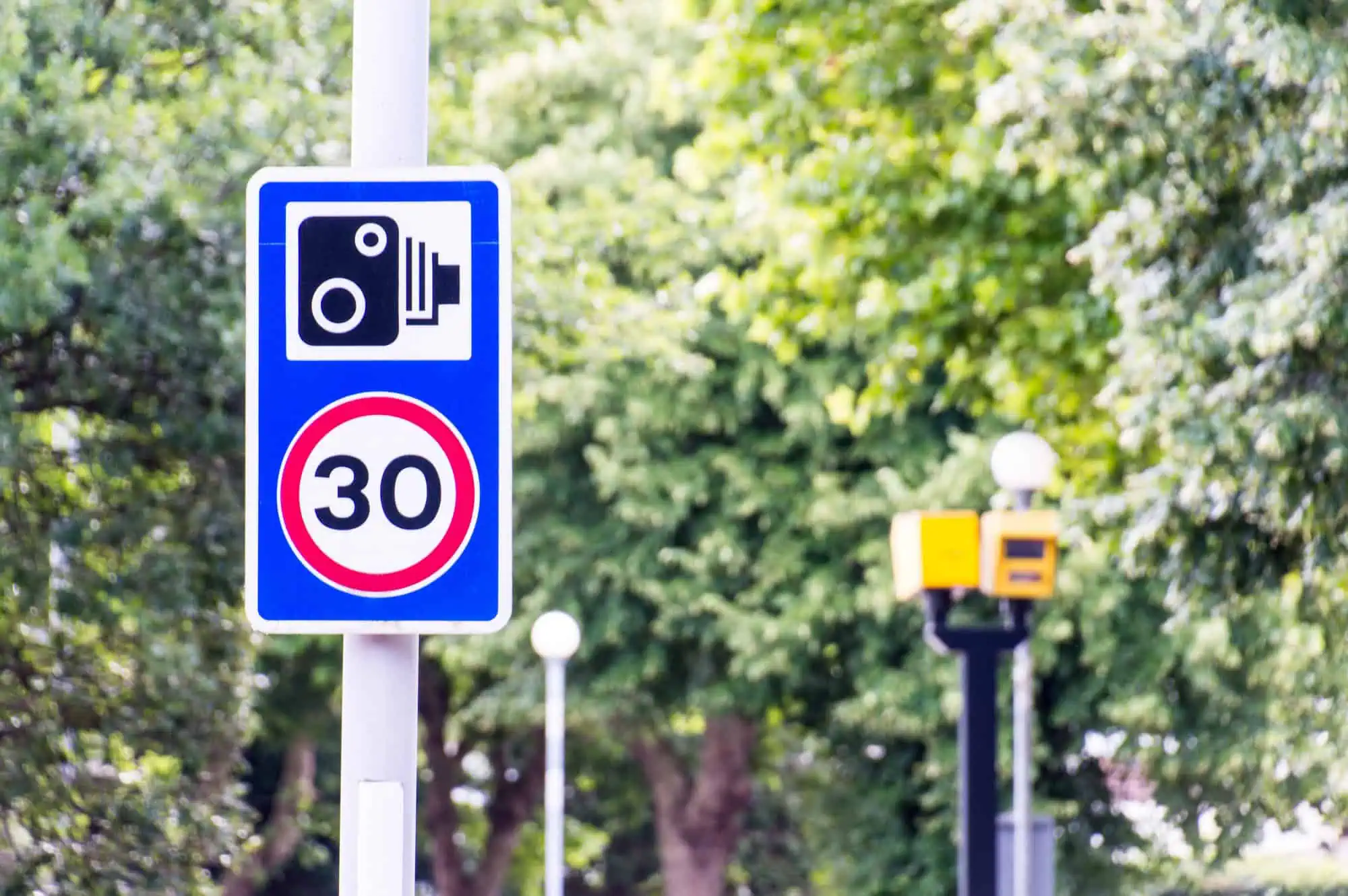
What a Speed Awareness Course Actually Costs (and Who Gets Offered One)
Trending on Motoring Chronicle
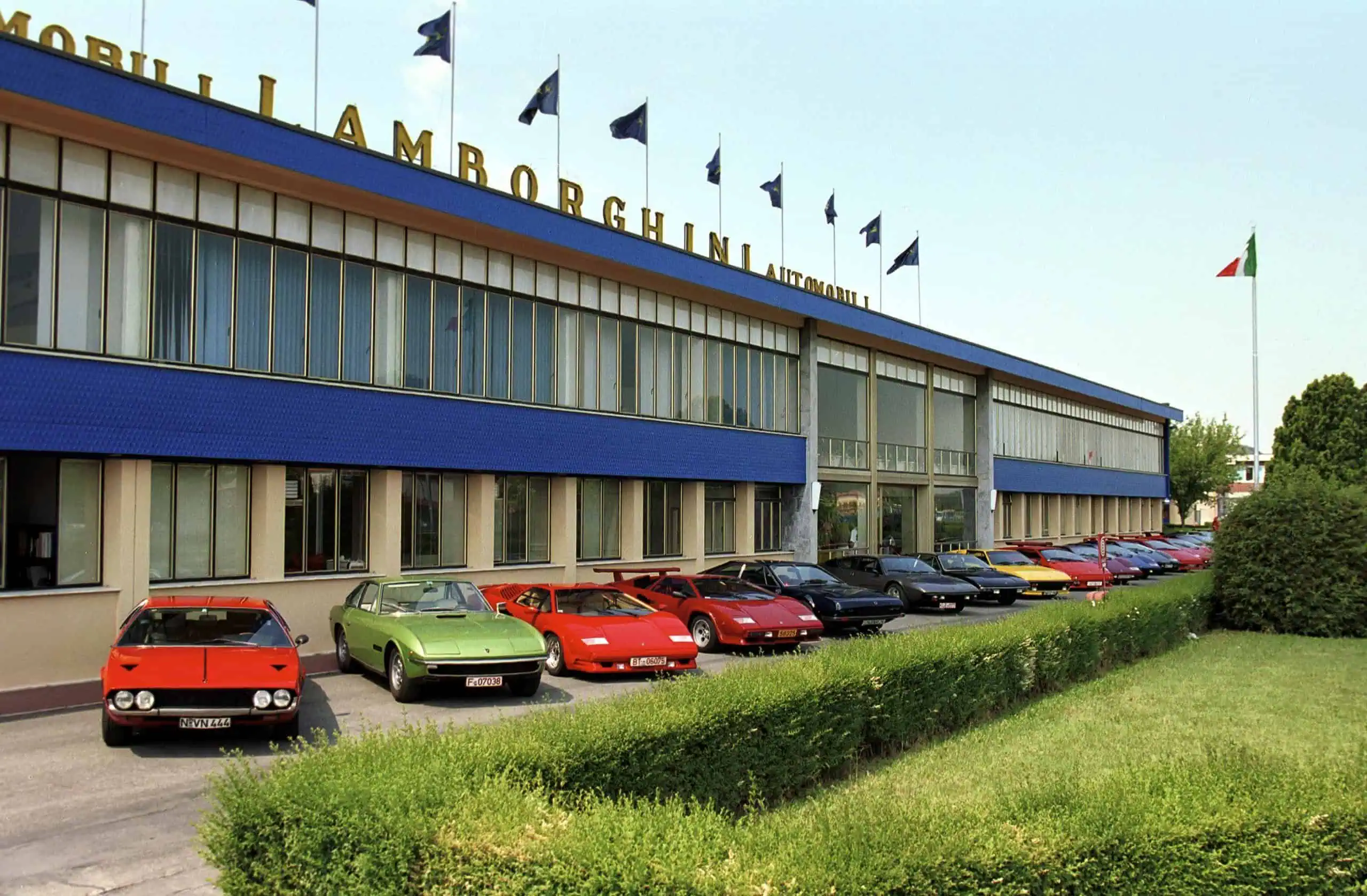
Automobili Lamborghini Turns 63 Today

GEM Warns Drivers to Book Eye Test Before Autumn Evenings Get Darker

What a Sudden Heavy Steering Wheel Actually Means for Your Car’s Safety

Motability Drivers Now Pay Up to £400 More to Join; Here’s What Changed