Window Tint Rules Change in Several States This Summer With Fines Reaching $500
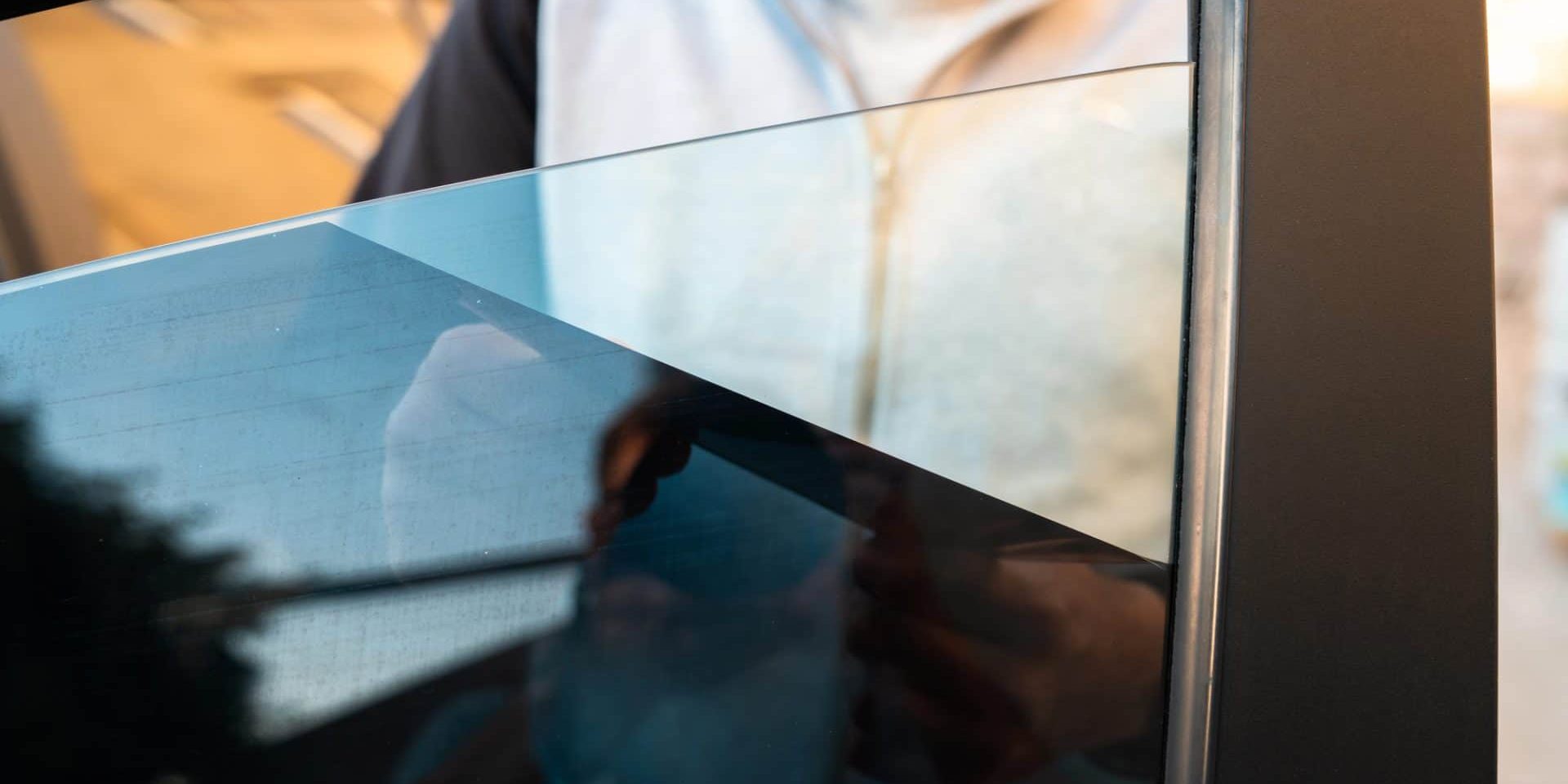

If you have ever wondered whether your factory or aftermarket window tint is actually legal where you drive, this summer is a good time to check. A wave of state changes in 2026 is rewriting the rules on how dark your windows can be, how police check them, and what it costs if you get it wrong. Iowa loosens its limits on July 1, North Carolina has stopped checking tint at annual inspection, Florida is enforcing with digital meters and steeper fines, and New York has reworked how tint violations hit your record. The result is a patchwork where the same tint can be perfectly legal in one state and a ticket in the next.
Tint is measured by Visible Light Transmission, or VLT, which is the percentage of light a window lets through. A 50 percent VLT film lets half the light in. A 5 percent limo tint lets almost none. The lower the number, the darker the glass. Every state sets its own minimum VLT for the windshield, front side windows, rear side windows, and rear glass, and those minimums are exactly what changed this year.
What Iowa’s New Tint Law Changes on July 1
Iowa has had some of the strictest tint rules in the Midwest. Until now, the front side windows had to allow at least 70 percent of light through, the same standard as the windshield, which left almost no room for any aftermarket film. Governor Kim Reynolds signed House File 766 on May 15, 2026, and the change takes effect July 1, 2026. From that date the front side windows and sidewing windows only need to allow 50 percent of light through, while the windshield stays at 70 percent and there is no darkness limit on the rear glass.
The practical effect is large. Many vehicles already wearing 50 percent film, including some that were technically illegal under the old rule, become compliant on July 1 without any change to the car. It also brings Iowa in line with neighboring Minnesota, which already permits 50 percent VLT on front side windows. Drivers who want to add film this summer now have a legal target to aim for, and existing owners who were nervous about a stop have one less worry. The catch is that the 50 percent figure is a minimum, so a darker film below that threshold is still a violation.
Where Else the Rules Have Shifted in 2026
Florida has not changed its darkness limits, but it has changed how the state enforces them and what a violation costs. For 2026, Florida police and inspection stations are using state approved digital tint meters to measure VLT at the roadside, replacing older guesswork and giving officers a precise reading. Penalties have climbed too, with a first offense costing up to $150 and repeat offenses reaching up to $500. Florida still requires 28 percent VLT on front side windows and 15 percent on the rear sides for most passenger cars, so the change is about certainty of detection rather than the limit itself.
North Carolina took a different path. As of December 1, 2025, tint is no longer checked during the annual vehicle safety inspection, so a car can pass inspection regardless of its film. That does not make dark tint legal. Roadside enforcement continues under the same VLT standards, and the new rules add a requirement that drivers roll down whichever window an officer approaches during a traffic stop so the officer can see inside. The shift moves tint from a once a year inspection issue to something handled entirely at the curb.
New York has reworked the consequences rather than the limits. Changes to the state driver violation point system took effect February 16, 2026, and there has been public confusion over whether illegal tint now carries a point. The state Department of Motor Vehicles has indicated that equipment violations, the category that has long covered tint, remain zero point offenses, while some attorneys and outlets reported that tint would begin carrying one point. New York separately requires at least 70 percent VLT on front side windows, one of the tougher standards in the country, and a bill has been floated to set a uniform 50 percent standard on all windows except the windshield.
Why the Limits Exist and Who Gets Caught
Tint rules are written around two competing interests. Drivers want privacy, cooler interiors, and protection from glare and ultraviolet light. Police and safety regulators want to be able to see into a vehicle during a stop and want drivers to have a clear view out, especially at night and in bad weather. That is why almost every state keeps the windshield near 70 percent and allows darker film toward the rear, where forward visibility is not affected.
Enforcement usually happens during a stop for something else, when an officer notices glass that looks too dark and pulls out a meter. Because the standards vary so widely between states, the people most likely to get caught are drivers who tint to the legal limit at home and then travel. A film that is legal at 50 percent in Iowa or Minnesota can be a violation at 70 percent in New York. Medical exemptions exist in many states for conditions made worse by sunlight, but they almost always require paperwork carried in the vehicle, and an unsupported claim will not stop a ticket.
What To Do Before You Tint or Travel
Start by checking the exact VLT rule for the state where the car is registered, not the state where you bought the film. Ask the installer for the measured VLT of the film on each window and keep the receipt, since reputable shops will give you the percentage in writing. If you plan to drive across state lines for the summer, look up the front side window minimum in every state on your route and tint to the strictest one if you want to avoid surprises.
If you are pulled over, be ready to roll down the window an officer approaches, which is now an explicit requirement in North Carolina and a sensible move anywhere. Carry any medical exemption documentation in the glovebox. If you already have film that is now legal under a relaxed rule such as Iowa’s, you do not need to do anything, but it is worth keeping a note of the new limit in case you are stopped soon after the change. Drivers who receive a tint ticket can usually fix the film and show proof of correction to reduce or dismiss the fine, a process often called a compliance or fix it option, though it varies by court.
The wider pattern across 2026 is a slow loosening of front window limits in some states paired with sharper enforcement tools in others. Digital meters and roll down rules make it harder to argue your way out of a reading, while relaxed minimums in places like Iowa give drivers a clearer legal target. Knowing your own state’s number, and the numbers in any state you visit, is the simplest way to keep cool glass and an empty mailbox this summer.
One common point of confusion is factory tint, the lightly shaded glass many vehicles come with from the rear doors back. That privacy glass is built into the vehicle and is legal everywhere, and adding film on top of it is what changes the measured VLT. If you stack aftermarket film over factory privacy glass, the combined reading is what an officer’s meter sees, so a rear window that looked legal can fail once film is added. Reputable installers measure the finished result on the glass rather than quoting the film’s rating alone, which is the number that actually counts at the roadside.
It is also worth remembering that tint rules can differ for the rear windows of SUVs and vans compared with sedans, and that some states allow darker film if a vehicle has working side mirrors on both sides. The safest path is to confirm the limit for your exact vehicle type and the window in question before committing to a shade, because reversing a too dark install means stripping and refitting film at extra cost.
Sources:

Leave a Comment
More in News

Honda Civic Hybrid Gains S+ Shift Tech and New Sport Grade from £34,325

BYD Shark Pick-Up Earns Five-Star Euro NCAP Rating, Priced from £47,295
What the Colour of Your Exhaust Smoke Reveals About a £2,000 Repair Bill

How Nearly 70 Percent of Stolen Cars Are Never Returned to Their Owners

DfT Could Make Every Learner Driver Wait Before Their Test After 273 Deaths
Trending on Motoring Chronicle

What the Record May Heat Means for Your Tyres and the Risk of a Summer Blowout
How the ZEV Mandate Is Already Changing What Cars Are Available and at What Price
Feeling The Track: Bugatti Bolide Owners Take on Circuit Paul Ricard [Photo Gallery]

A decade of vision: the 10 most iconic Genesis concept cars