Car Hire Firms Charge £232 a Week for Cover You Can Buy for £2 a Day


A week’s car hire excess cover bought at the rental desk can cost more than £232, according to industry pricing data reviewed by the Competition and Markets Authority. The same protection, bought as a standalone policy before you leave home, costs from £2.15 a day, or roughly £15 for a week. Millions of UK drivers are heading abroad this August, and many will be handed the same pitch at the counter: buy our excess waiver now, or risk being charged up to £1,800 if anything happens to the car.
The gap between the two prices is not a rounding error. It is the result of a well-documented sales pattern that regulators have spent years trying to rein in, with limited success.
The Pitch at the Desk
Car hire firms are required to sell you a basic collision damage waiver as part of most rental agreements, but that basic cover typically comes with an excess of anywhere between £800 and £1,800. If the car is damaged or stolen at any point in the hire period, you are liable for that excess amount, sometimes taken as a pre-authorisation hold on your card before you even collect the keys.
At the counter, staff then offer to reduce or remove that excess entirely for an extra daily charge, commonly £10 to £20 a day. Over a two-week holiday, that alone can add £280 or more to the cost of the hire, frequently exceeding the price of the car rental itself. The Competition and Markets Authority has previously found that customers are pressured into buying this cover at the desk, often after arriving tired from a flight and wanting to avoid a dispute in front of a queue of other travellers.
The Alternative Nobody Mentions at the Counter
Independent excess insurance, sold by specialist providers rather than the rental company itself, covers exactly the same financial risk for a fraction of the price. A single-trip policy covering the excess on a two-week hire typically costs under £30 in total. An annual policy, covering unlimited hires across the year, can work out even cheaper for anyone renting a car more than once, with some providers estimating a saving of 40 per cent or more compared with buying single-trip cover each time.
Rental companies are not required to tell customers that cheaper alternatives exist, and in practice, staff are commonly incentivised to sell the in-house product rather than point customers elsewhere. The British Vehicle Rental and Leasing Association, the trade body most UK hire firms belong to, operates a mandatory code of conduct covering how damage charges and excess products should be sold, including rules on giving customers a clear pre-hire inspection record. The CMA has said it wants to help motorists avoid what it calls “nasty surprises at the rental desk,” where customers face pressure to buy excess cover and are billed for damage after the event.
Who This Hits Hardest
First-time renters and older drivers unfamiliar with the standalone insurance market are the most likely to accept the desk offer without question, simply as it is presented as the default option rather than a choice among several. Younger drivers, meanwhile, often face inflated excess amounts tied directly to their age, meaning the gap between the rental firm’s own waiver price and an independent policy can be even larger for exactly the group least able to absorb a £1,800 charge if something goes wrong. Families travelling with children are among the most vulnerable to accepting whatever is offered quickly, as holding up the queue at the desk to research alternatives on a phone while tired children wait is rarely a realistic option in practice.
Why the Excess Itself Can Be a Trap
Even drivers who decline the extra cover are not always protected by what they think they bought. Damage disputes are one of the most common complaints made against hire firms, with customers reporting charges applied for damage they say was already present, backed by photographs taken before collection that the company disputes or claims not to have received. Without an independent inspection report signed at both ends of the hire, proving the car’s condition on return becomes a case of one party’s word against the other, with the rental firm holding the payment card details and the ability to charge first and let the customer dispute it afterwards.
This is where standalone excess insurance earns its price. The policy is entirely separate from the hire agreement, so a claim against it does not depend on winning an argument with the rental company. The customer pays the disputed charge if the hire firm insists on it, then claims that amount back from their own excess insurer, rather than being stuck negotiating a refund directly with the counter staff who took the payment.
Regulators Have Been Here Before
The pattern of pressuring customers into buying excess cover at the counter is not new, and it is not something regulators have discovered by accident. The Competition and Markets Authority has previously investigated car hire pricing practices and worked with the industry on a code of conduct intended to stop firms hiding the true cost of a rental until the customer is standing at the desk. Complaints about a lack of transparency on pricing and contract terms, and pressure to buy the rental firm’s own additional waiver products, have featured repeatedly in that enforcement history.
Even so, the underlying business model has not fundamentally changed. Advertised rental prices remain low precisely as so much of a hire firm’s revenue comes from add-ons sold after the customer has already committed to the booking and travelled to collect the car, at which point walking away and finding an alternative rental is rarely a realistic option.
It Is Not Just the Excess
Excess waivers are the largest single add-on, but they are rarely sold alone. Fuel policies that charge for a full tank regardless of how much is actually used, satellite mapping rental when most drivers already have a smartphone, and additional driver fees stacked on top of each other can add hundreds of pounds to a booking that looked competitively priced when it was first advertised online. Anyone comparing hire prices between providers should treat the headline figure as a starting point rather than the likely final cost, and budget for the desk pitch before arriving rather than being caught out by it.
How to Fight Back
- Buy standalone excess insurance before you travel, not at the desk. Prices from £2.15 a day are widely available online, and an annual multi-trip policy is worth comparing if you expect to hire more than once in the next 12 months.
- Photograph the car from all angles, including close-ups of any existing scuffs or marks, the moment you collect it and again the moment you return it. Time-stamped photos are the single strongest piece of evidence in any dispute.
- Ask for a written pre-hire inspection report at the counter. Under the BVRLA code of conduct, member companies are expected to provide this, and refusal to do so is itself worth noting and reporting.
- Decline add-on products verbally and clearly if you do not want them, and ask for the decline to be noted on the rental agreement. Pressure-selling complaints are taken more seriously when there is a paper trail showing the customer said no.
- If you are charged unfairly after returning the car, raise it with the rental company in writing first. If unresolved, the BVRLA runs a free conciliation service for disputes involving its member firms, and this route does not require legal representation.
Anyone planning to hire a car this month should also check the wider costs of driving abroad or around UK airports before booking, as drop-off charges and toll increases have been climbing alongside hire and excess fees. Millions of drivers are already facing heavy delays this bank holiday month, and the RAC has separately flagged this as one of the busiest getaway periods on record. RAC warns of Britain’s busiest getaway weekend in four years, meaning hire desks will be under even more pressure to move customers through quickly, which is exactly the environment in which pressure-selling tends to happen most.
Sources:

Leave a Comment
More in News

How California’s New Robotaxi Law Could Fine Waymo and Tesla $10,000

Car Thefts Fell 21 Percent Nationwide, but Los Angeles Remains the Theft Capital

Why Truckers Could Save $100 a Fill Under Trump’s New Diesel Tax Order

What a 46 Percent Rise in Ombudsman Car Insurance Complaints Means for UK Drivers

Every Driver Pays Up to £4.72 More a Tank by Postcode, AA Finds
Trending on Motoring Chronicle
Drivers Aged 19 Now Pay £1,853 for Car Insurance, Confused.com and WTW Show
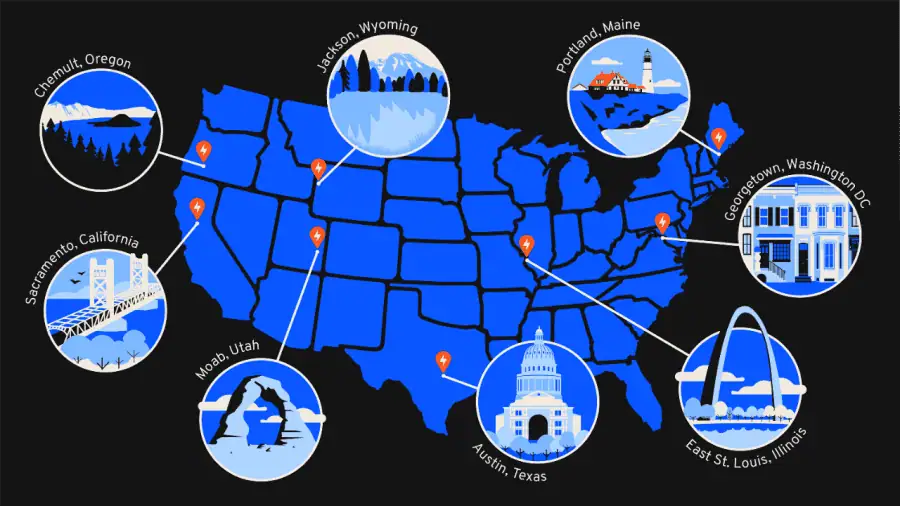
Ten EV Charging Stations Worth Building Your Next US Road Trip Around

Ram 1500 Rumble Bee Muscle Trucks Start Under $60,000, Top Out at 777HP

Pennsylvania EV Owners Can Now Pay Their $250 Road Fee in Installments