
Why the $1,000 Home EV Charger Tax Credit Ends June 30 [and How to Claim It]
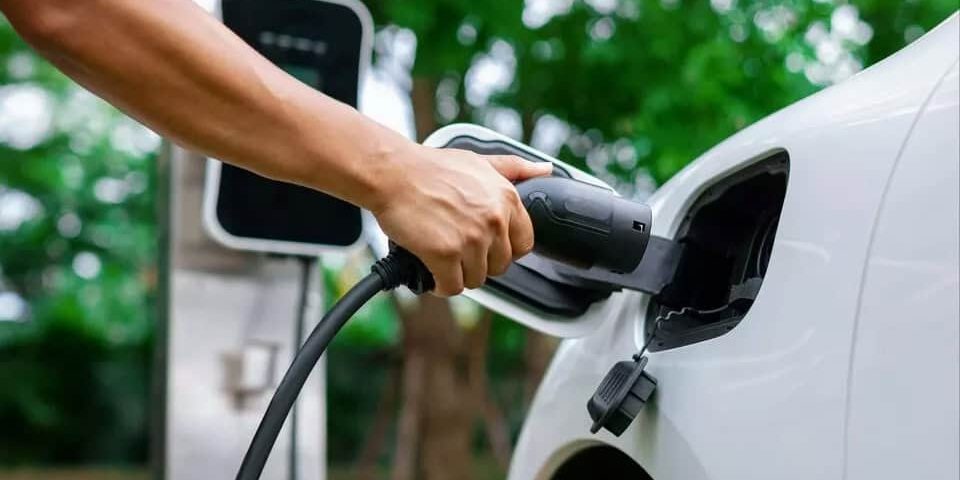
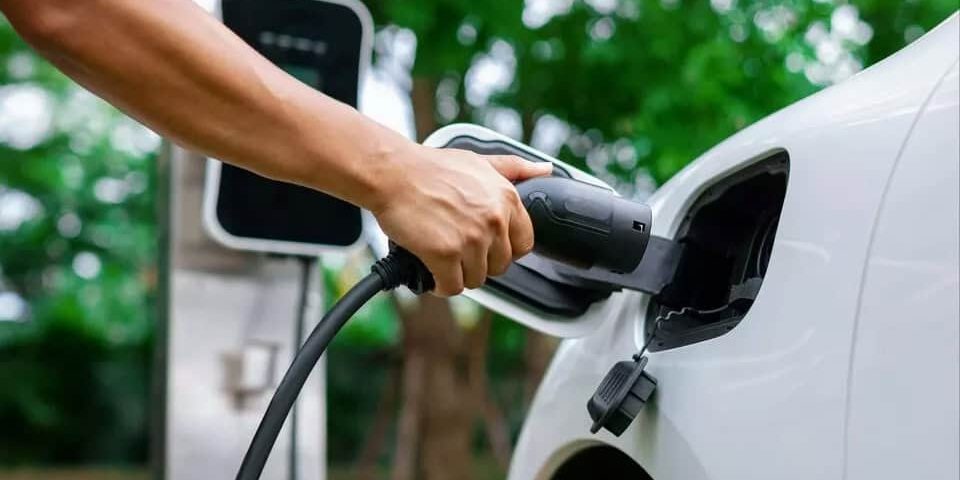
If you have been thinking about installing a home charger for an electric vehicle, the clock is about to run out on a federal tax break worth up to $1,000. The home EV charger tax credit officially expires on June 30, 2026, years earlier than originally planned. After that date, the equipment and installation that qualify today will no longer earn the credit on your federal return. Here is exactly what the credit covers, how much you can recover, how to claim it, and what financial help is left for electric vehicle owners once it is gone.
What the Credit Is and What Changed
The break is formally the Alternative Fuel Vehicle Refueling Property credit, and most people know it as the EV charger tax credit. It was revived and extended through the Inflation Reduction Act, which set the expiration date all the way out at December 31, 2032. That long runway is why many homeowners assumed they had years to act.
That assumption no longer holds. The tax and spending law signed on July 4, 2025 pulled the expiration date forward dramatically. The federal EV purchase credit for new and used electric vehicles was eliminated as of September 30, 2025, and the charger credit was given a hard stop of June 30, 2026. In other words, the incentive for buying the car is already gone, and the incentive for installing the equipment that powers it at home is days from following. Anyone who has been waiting for a better moment has run out of runway.
How Much You Can Get Back
For a home installation, the credit is worth 30 percent of the combined cost of the hardware and the installation, capped at $1,000. A typical Level 2 home charger and a professional electrical install can easily run from $1,500 to more than $3,000 once a licensed electrician adds a dedicated 240 volt circuit, so for many households the 30 percent calculation reaches the full $1,000 ceiling. The credit also applies to other qualifying charging equipment, including bidirectional chargers, the two way units that can send power from the vehicle back to the home or grid.
One detail decides whether the credit is worth anything to you. It is not a refundable credit. That means it is subtracted from the federal tax you owe, and it cannot generate a cash refund larger than your liability. If you owe little or no federal income tax in the year you claim it, the credit may be reduced or lost. This is the single most common way people miss out, so it is worth understanding your expected tax bill before you count on the full $1,000.
Businesses are treated more generously. A company that installs new charging equipment can claim up to 30 percent of the total cost of equipment and installation, up to $100,000 per charger, although the full incentive requires meeting certain labor and construction standards. Before the Inflation Reduction Act, the business limit was just $30,000 per location, so the per charger structure is far larger for qualifying commercial projects racing to beat the same June 30 deadline.
How to Claim It With Form 8911
To claim the credit for a home charger, you file Form 8911 with the IRS along with your federal income tax return for the year the equipment was placed in service. Keep your receipts showing the purchase price of the charger and any installation charges, since those figures are the basis for the 30 percent calculation. You will also need to know your tax liability for the year, because the credit is applied against the federal tax you owe.
The placed in service timing is what controls the deadline. To stay on the right side of the June 30, 2026 cutoff, the charger generally needs to be installed and ready to use by that date, not merely purchased or scheduled. If you are cutting it close, talk to your electrician about completion timing and to a tax professional about how the placed in service rule applies to your situation. This article is general information, not personalized tax advice, and a qualified preparer can confirm what you are entitled to before you file.
What Is Left After the Credit Disappears
The federal charger credit and the federal EV purchase credits are ending, but a few forms of help remain. The same 2025 tax law created a new deduction for auto loan interest. Buyers of new vehicles assembled in the United States can deduct up to $10,000 per year in auto loan interest, a benefit scheduled to run through 2028. Because it is a deduction rather than a credit, the dollar value depends on your tax bracket, but for buyers financing a new American built vehicle it softens the blow of the lost purchase credit.
State and regional incentives are also still in play and vary widely. Many states, utilities, and local programs continue to offer rebates or credits for home charging equipment, and these are separate from the expiring federal credit. The U.S. Department of Energy keeps a searchable database of state laws and incentives at afdc.energy.gov, where you can look up what your state and even your local utility provide. In some areas a utility rebate can stack on top of the federal credit if you act before June 30, then continue to help after the federal break is gone.
There is also a market reason this break feels timely. With gasoline prices climbing again, electric vehicle sales have been rebounding in 2026, helped along by aggressive cash back and lease deals as automakers compete for buyers. A home charger is what makes daily electric driving cheap and convenient, since charging overnight at home is almost always less expensive than relying on public fast chargers.
The reason a home charger pays off is the gap between charging at home and charging in public. Residential electricity averages somewhere around 16 cents per kilowatt hour nationally, though it varies by state and utility. Public fast charging is far more expensive, averaging close to 49 cents per kilowatt hour across the country, with several states now above 50 cents. For a driver who covers 12,000 miles a year, shifting most charging from public stations to an overnight home plug can save hundreds of dollars annually, which is how a one time install pays for itself over the life of the vehicle. The expiring tax credit simply lowers the upfront cost of setting that up.
One practical warning as the deadline nears. Electricians in many areas are already busier than usual with homeowners rushing to beat June 30, and a proper Level 2 install often requires a permit and an inspection on top of the labor itself. Booking late in June risks missing the placed in service date even if you order the equipment in time. If you are serious about claiming the credit, the safe move is to lock in a contractor now and confirm in writing that the work, including any required permit sign off, will be finished before the cutoff.
What To Do Before June 30
If a home charger is on your list, the practical steps are simple. Get a written quote from a licensed electrician now and confirm the install can be completed and energized by June 30, 2026. Choose equipment that qualifies, keep every receipt for hardware and labor, and check your expected federal tax liability so you know how much of the $1,000 you can actually use. Look up your state and utility incentives in the Department of Energy database before you buy, since some programs require pre approval or have their own paperwork. Finally, plan to file Form 8911 with your return and, if your situation is at all complicated, have a tax professional confirm the placed in service timing so the credit is not disallowed.
The credit has been on the books in one form or another for years, and its sudden early expiration means a real deadline rather than a vague someday. For a homeowner who was going to install a charger anyway, beating June 30 can mean the difference between recovering up to $1,000 and recovering nothing at all.
Sources:
- https://www.kiplinger.com/taxes/605201/federal-tax-credit-for-electric-vehicle-chargers
- https://www.irs.gov/forms-pubs/about-form-8911
- https://portal.ct.gov/deep/news-releases/news-releases—2026/take-advantage-of-electric-vehicle-ev-charging-infrastructure-federal-tax-credit-before-it-expires
- https://afdc.energy.gov/laws/search

Leave a Comment
More in News
How to Tell When Your Cabin Filter Needs Replacing (and What It Costs)

Five Classic Cars Tipped to Rise in Value Next Year, and One Costs Under £15,000

Why Every New Car Buyer Could Pay More as Manufacturers Chase a £12,000 EV Fine
DWP Can Now Ask Courts to Ban Drivers Who Owe £1,000 in Benefit Debt

Waiting on a DVLA Medical Licence? The Rule That Lets Many Drivers Keep Driving
Trending on Motoring Chronicle

Every Driver in England and Wales Faces a Lower Drink-Drive Limit Under Government Plans
Councils Made Almost £1.1 Billion From Parking While Nearly Half of Appeals Succeed

Wolverhampton Licenses 38,000 Minicabs as Cross-Border Loophole Leaves Passengers in the Dark

Older Cars and Vans Now Cost Drivers £780 Annually in Clean Air Zone Charges
