
Walmart’s EV Charging Network Quietly Becomes One of the Nation’s Largest
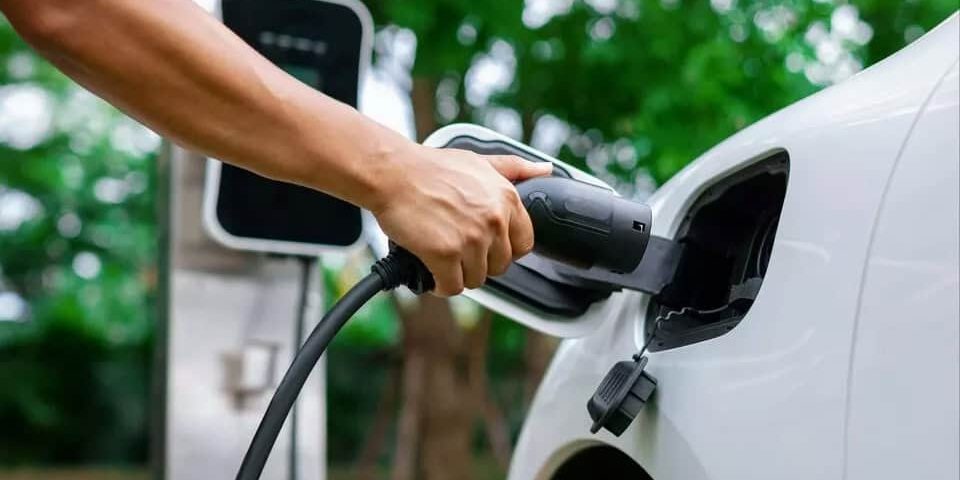
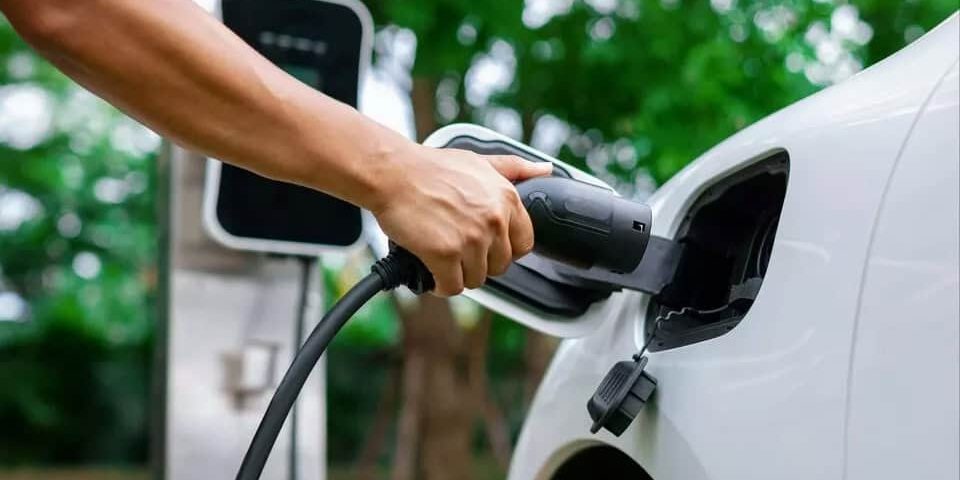
Walmart has quietly built one of the fastest growing electric vehicle charging networks in the country, and new figures released this month show just how much ground the retailer has covered. The company closed June with 73 charging locations and more than 600 individual charging stalls spread across 17 states, a pace that puts it on track to join the industry’s biggest players well ahead of schedule.
The expansion is a real gain for everyday drivers, not just Walmart’s balance sheet. As automakers push more people toward electric vehicles, the biggest complaint from owners remains finding a reliable place to plug in that isn’t a specialty charging lot tucked behind a strip mall. Turning thousands of existing parking lots at big box stores into charging hubs solves that problem in a way few competitors can match.
Walmart’s Buildout Picks Up Speed
Walmart opened 12 new charging stations last month, a smaller jump than May’s record of 25 new sites but still a 20 percent expansion in a single month. That brought the total to 73 locations, up from 61 at the start of June. The number of individual stalls crossed 600 for the first time, reaching 612 by the end of the month.
Each Walmart location averages 8.4 stalls, and the company’s plan calls for at least four dual head chargers, or eight stalls, at standard sites, with some larger locations reaching 16 stalls. Every charger Walmart deploys delivers up to 400 kilowatts of power and includes both a CCS1 connector and the newer NACS connector, so the equipment works with nearly every electric vehicle currently sold in the United States, including Tesla models. Illinois and North Carolina joined the network in June, bringing the total footprint to 17 states.
Where Walmart Ranks Nationally
Walmart’s growth stands out against the backdrop of the broader US fast charging market, which is approaching a milestone of its own. Government tracking through the Department of Energy’s Alternative Fuels Data Center counted 74,265 public DC fast charging ports nationwide as of July 1, a 27 percent increase from a year earlier.
Tesla’s Supercharger network still dominates that total with 37,159 ports, roughly half of every fast charger in the country. The rest of the top 10 breaks down to Electrify America with 5,743 ports, EVgo with 5,208, ChargePoint with 4,848, Blink with 2,039, Red E Charge with 2,037, EV Connect with 1,793, Ford Charge with 1,258, Ionna with 1,190, and the Rivian Adventure Network with 1,065. Together those ten networks control roughly 84 percent of every fast charging port in the country.
Walmart doesn’t crack that official top 10 list yet, but the report tracking the industry singled the retailer out as the “dark horse” of the race, noting its stall count already outpaces established names like Francis Energy, EVCS, BP Pulse, and Mercedes-Benz’s own charging network. At its current growth rate, Walmart could pass several of those smaller networks before the end of the year.
Tesla’s own numbers offered one surprise in the latest count. The Supercharger network’s stall total actually dropped by close to 580 from the previous month, even as Tesla continues adding chargers worldwide, and the report’s authors could not fully explain the dip. One possibility is that a batch of stalls run by third party businesses got reclassified in the federal database rather than physically removed.
Not every fast charger in the national count belongs to a major network. Roughly 16 percent of ports, nearly 12,000 nationwide, are operated by smaller regional companies or individual site owners who list their equipment separately, and that segment grew 64 percent over the past year, faster than the growth rate posted by any of the top 10 networks.
What makes Walmart different from most of the networks ahead of it is its footprint. The company operates more than 5,200 Walmart and Sam’s Club stores nationwide, giving it a real estate advantage that dedicated charging companies simply don’t have. An estimated 5.4 percent of the US population already lives within 10 miles of a Walmart charger, a figure that will only climb as the buildout continues.
New Payment Options and a Hardware Hiccup
Walmart has started installing credit card terminals on its newest chargers, giving drivers a way to pay without opening the company’s app first. The rollout will eventually cover every existing and future charger in the network, though the app is expected to stay the cheaper option, with Walmart Plus members getting a 10 percent discount on charging sessions.
Not everything has gone smoothly. Some of Walmart’s chargers built by supplier ABB have shown a durability problem with the holster that holds the NACS connector when it isn’t in use, and Walmart has already confirmed it will swap in a different part to fix the issue. The company is also shifting the physical layout of its stations going forward, moving the NACS plug to the left side of each charger and the CCS1 plug to the right, a change meant to better fit the reach of most electric vehicles parked at the stall, Tesla models included.
What This Means for EV Owners Choosing Where to Charge
For drivers planning road trips or simply looking for a dependable place to top off a battery, Walmart’s expansion adds a new category of charging stop to the map, one attached to a store that already sells groceries, gas, and tires under one roof. Charging a vehicle while running errands cuts out the dead time that comes with sitting at a stand alone charging lot with nothing nearby.
The retailer’s pace also puts pressure on competing networks to keep building in markets where Walmart hasn’t arrived yet. Analysts tracking the buildout expect Walmart to reach 100 charging locations by the end of August, sooner than earlier estimates had projected, with another 141 sites already listed as coming soon or under construction and more than 180 additional locations spotted in permitting records. Combined, that puts the total of built or planned Walmart charging stations above 400.
Drivers shopping for a new electric vehicle often rank charging access right alongside range and price when picking a model, and a familiar retail chain adding hundreds of fast chargers nationwide changes that calculation for buyers who were previously hesitant. A driver who once ruled out an EV, put off by a nearest fast charger sitting 40 minutes from home, might find a Walmart location much closer within the next year, especially in the 17 states where the network has already established a presence.
How the Rest of the Industry Is Responding
Walmart isn’t the only retailer betting on charging infrastructure this year. Circle K locations across the country are getting upgraded with 400 kilowatt chargers from the Ionna network, a joint venture backed by several major automakers, and gas station chains are increasingly treating fast chargers as a way to keep customers on site longer rather than a side project. The shift mirrors what happened with Walmart years ago when it first began testing charging stalls at a handful of stores before expanding nationwide.
For now, Tesla’s Supercharger network remains far ahead of every competitor combined, though its stall count actually dipped slightly last month for reasons the industry hasn’t fully explained. Smaller networks like the Rivian Adventure Network and Red E Charge crossed their own milestones in June, each passing 1,000 and 2,000 stalls respectively, evidence that the fast charging market as a whole is still expanding quickly even as individual companies take different paths to get there.
Retailers entering the charging business also change the economics for drivers in a way dedicated charging companies can’t easily replicate. A gas station or grocery chain earns money on fuel, food, and merchandise the moment a driver walks inside, so a charging stall functions more like a loss leader that keeps customers on the property for 20 to 30 minutes rather than a stand alone profit center that has to cover its own costs through charging fees alone. That pricing flexibility is part of why Walmart, Circle K, and other retail chains are increasingly the ones setting the pace of national buildout rather than the specialty networks that pioneered fast charging a decade ago.
Shoppers considering an electric vehicle purchase this year can check whether Walmart, Sam’s Club, or another retail chain already operates a charger near their regular routes before assuming a home charger is the only practical option. With the national network closing in on 75,000 fast charging ports and retail chains adding new locations every month, the charging gap that once discouraged EV buyers keeps shrinking, even if it hasn’t disappeared everywhere just yet.
Sources:

Leave a Comment
More in News

2027 Toyota Sequoia Adds Trailhunter Package and 14-Inch Touchscreen

2027 Toyota Crown Hybrid Adds Fifth-Gen System, Priced From $41,640

How Arizona and North Carolina Are Cracking Down on Predatory Tow Trucks
Vehicle Thefts Keep Falling as Arizona Reports a 24 Percent Drop

BMW Recalls 318,495 Vehicles as Overheating Starters Risk Catching Fire
Trending on Motoring Chronicle

2027 Toyota GR86 Gains Sharper Throttle and New Thunder Color for Summer 2026 Arrival

14 useful tips for driving in the snow

New Rolls-Royce extension building reaches landmark moment

Hybrid for Less: BYD ATTO 2 DM-i Hits UK with 621-Mile Range from £26,995
