2027 Volvo EX60 EPA-Certified for Up to 330 Miles of Range


The EPA has certified the 2027 Volvo EX60 P10 AWD at up to 330 miles of range on a single charge, a higher figure than Volvo gave when the SUV opened for US orders in May. The certification arrives as Volvo prepares to start handing the electric SUV to customers.
The EX60 competes in the mid-size electric SUV segment, which Volvo calls the largest and fastest-growing category in the US EV market. The company built the car on a new platform aimed at pushing range and charging speed past anything else currently wearing a Volvo badge.
Volvo unveiled the EX60 earlier this year and opened US order books in May, ahead of EPA certification. The gap between debut and certified numbers is typical for new EV platforms. The agency needs production-representative vehicles on hand to complete its standardized test cycle rather than accepting a manufacturer estimate.
The EX60 slots into the middle of Volvo’s US electric SUV lineup, sitting above the compact EX30 and below the three-row EX90. That gives Volvo a full spread of all-electric SUVs for the first time in the American market, rather than relying on plug-in hybrid versions of gasoline models to fill the gap.
Range Splits By Wheel Size
The EPA numbers vary by trim and wheel choice. The dual-motor P10 AWD on 20 or 21-inch wheels reaches 330 miles, while the same model on 22-inch wheels drops to 312 miles. The single-motor P6 covers 307 miles on 20 or 21-inch wheels and 295 miles on 22-inch wheels. Volvo says the P10 AWD now delivers the longest certified range of any Volvo sold in the US, ahead of the smaller EX30 and the three-row EX90.
The gap between wheel sizes, 18 miles on the P10 AWD and 12 miles on the P6, follows a pattern familiar to EV shoppers: larger wheels add rolling resistance and cut range, so buyers chasing the longest possible range should order the smaller wheel option.
Volvo splits the EX60 lineup into two power tiers to match that range spread. The single-motor P6 targets buyers who want a lower price and still-competitive range, while the dual-motor P10 AWD adds performance and all-wheel drive at the cost of a small range penalty. That structure mirrors how Tesla, Ford and Hyundai price their own single-motor and dual-motor EV variants.
An 800-Volt System Built for Fast Charging
The EX60 is the first Volvo built on the brand’s SPA3 architecture, which runs an 800-volt electrical system rather than the 400-volt setups common across most of the brand’s existing EVs. Volvo says the P10 AWD can add up to 165 miles of range in 10 minutes once the battery has been preconditioned, about the time it takes to grab a coffee before getting back on the road. Charging speed still depends on the charger used, the battery’s temperature, and outside conditions, so real-world results will vary from that peak figure.
A Tesla Charging Network Without an Adapter
The EX60 is also the first Volvo fitted with a native North American Charging Standard port, giving owners direct access to more than 29,000 Tesla Supercharger stations across the US and Canada without carrying a separate adapter. That network dwarfs the CCS charging options most non-Tesla EV owners relied on before Tesla opened its plug standard to rival brands.
For drivers who cover long interstate distances, pairing a 330-mile range with adapter-free Supercharger access changes the math on how far an EX60 can travel between stops. A driver starting a trip at a full charge could cover the distance between many major US cities without a mid-route charge at all, especially on routes where average speeds stay moderate.
Why an EPA Number Beats a Company’s Own Estimate
The EPA runs its own standardized testing rather than publishing a figure a manufacturer supplies, and that independence is why buyers trust a certified number over an early company estimate. The agency’s five-cycle test covers city driving, highway speeds, aggressive acceleration, air conditioning use and cold weather, a tougher combination than the single-cycle tests some other countries rely on. That process is usually why EPA-certified range reads lower than a manufacturer’s early estimate, which makes Volvo’s result unusual: the certified figure for the P10 AWD came in above what the company originally quoted.
The result gives Volvo a genuine range argument against rivals in the segment, including the Hyundai Ioniq 5, Kia EV6 and Tesla Model Y, all of which compete on similar pricing and size. A 330-mile certified figure puts the EX60 near the top of that group rather than trailing it.
The EPA’s window sticker rules require every new vehicle sold in the US to display these certified numbers. Buyers compare that sticker figure directly against every other EV on a dealer’s lot, which makes a higher-than-expected certification like this one a genuine selling point rather than a rounding error.
Volvo dealers are taking orders now, with customer deliveries underway. Buyers can check current pricing and configuration options through their local retailer or at Volvo’s website.

Leave a Comment
More in News

How to Remove Moisture From Inside Your Headlight Before It Costs You £500
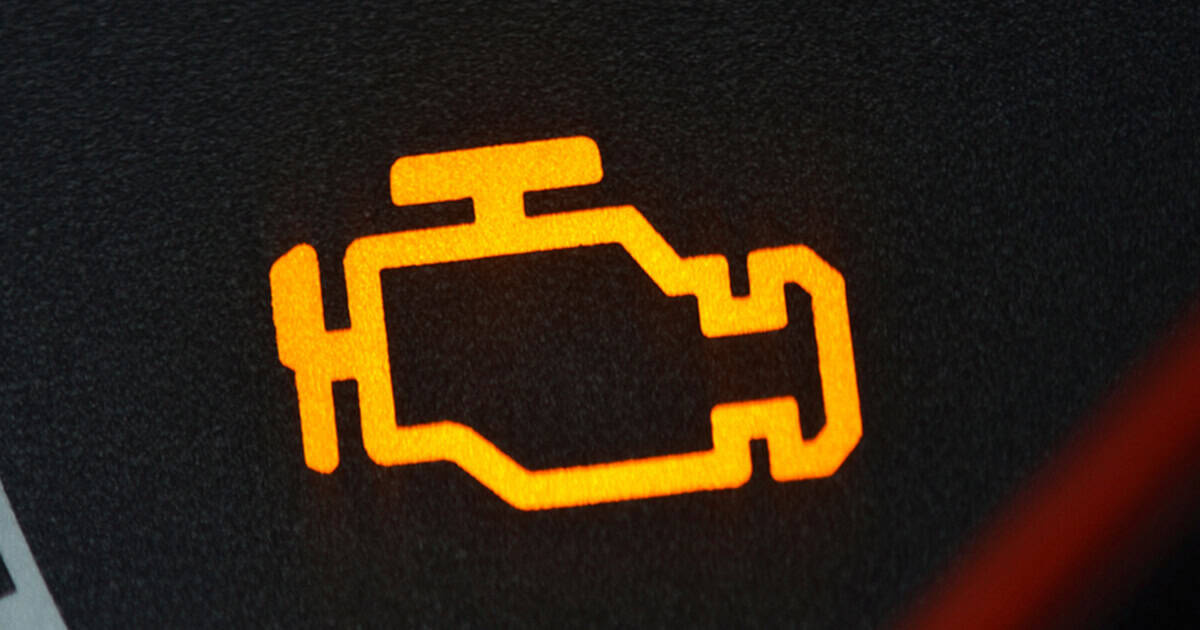
What Red and Amber Warning Lights Actually Mean (and Which Fail an MOT)

How to De-Ice Your Windscreen Fast Without Cracking It (and Staying Legal)

New Cars Face Euro 7 Rules From 29 November With a £264 Price Rise
What the Traffic Penalty Tribunal’s 33 Percent Success Rate Means for Every Driver
Trending on Motoring Chronicle

Bentley Motors announces bold new direction for its Foundation

The Amelia Concours-Winning 1938 Alfa Romeo 8C Earns The Peninsula Classics Best of the Best Award 2025

How to jump start a car safely, step by step

DVSA Shows Learners in Some Postcodes Pay Twice as Often for a £75 Retest