
Why Catalytic Converter Thefts Are Surging Again as Rhodium Tops $10,400


Catalytic converter theft, the crime wave that seemed to fade out by 2024, is climbing again in 2026, and the reason sits in the commodities market rather than in any change to state law. Rhodium, the rare metal packed into every converter, more than doubled from a 2024 low of $4,600 an ounce to $10,400 an ounce by February 2026. Thieves noticed, and the numbers from cities that track the crime closely show it.
In St. Paul, Minnesota, reported catalytic converter thefts jumped from 172 in 2024 to 504 in 2025, a 193 percent increase, while Minnesota’s strict 2023 anti-theft law stayed on the books unchanged. Berkeley, California recorded nine thefts in the first week of January 2026 alone, including one armed robbery linked to a converter theft, after thefts there had fallen from 847 in 2022 to roughly 250 across all of 2025.
How a $2,000 Repair Bill Can Happen in 90 Seconds
A catalytic converter sits bolted to the underside of a car as part of the exhaust system, and it contains platinum, palladium and rhodium, precious metals used to neutralize harmful gases before they leave the tailpipe. A thief with a battery-powered saw can cut one loose in about 90 seconds without needing to raise the vehicle on a jack, then sell it to a scrap metal buyer for anywhere from $50 to $250, or as much as $800 for a converter pulled from a hybrid.
Replacing a stolen converter typically runs from $1,000 to $3,500, and that gap between what a thief earns and what an owner pays is the entire economic engine behind this crime. State Farm’s insurance claims data traces the full arc: claims rose from 2,500 in 2019 worth $4.7 million combined, to a peak of 45,000 claims worth $115.4 million in 2022, before falling to roughly 7,600 claims worth about $22 million by 2024, an 81 percent drop in dollar terms. Rhodium tracked the same curve almost exactly, peaking near $20,254 an ounce in 2021 before collapsing 77 percent to $4,600 by 2024.
The Rebound Nobody Expected to Happen So Fast
By late 2025, rhodium, platinum and palladium had all staged sharp recoveries. Analysts point to a handful of overlapping causes: a supply deficit out of South Africa, above-ground rhodium stockpiles that fell to roughly 349,000 ounces, representing only about four months of global demand, slower electric vehicle adoption than automakers had planned for, which kept demand for gas and hybrid converters higher than expected, and a wave of new Chinese futures trading that pulled in speculative buyers. Platinum hit an all-time record of $2,475 an ounce in December 2025, its biggest annual gain in Bloomberg’s records for the metal, which stretch back to 1987, before easing back to roughly $2,090 by February. Palladium climbed from a $980 low to about $1,670 over the same stretch.
Academic researchers had already modeled how closely theft tracks these price swings. A University of Wisconsin study that reviewed 42 months of police reports across eight California cities calculated a price elasticity of 1.98, meaning a 10 percent rise in precious metal prices produces roughly a 20 percent rise in thefts. A separate December 2025 study from the London School of Economics and Singapore Management University, built on nine years of FBI crime data, found elasticities ranging from 0.45 to 0.89. Applied to rhodium’s 126 percent jump from 2024 to early 2026, those models predicted theft increases anywhere from 57 percent to 249 percent. St. Paul’s actual 193 percent jump landed squarely inside that range.
Why State Laws Slowed the Crime but Could Not Stop It
Between 2021 and 2024, 31 states passed laws aimed directly at catalytic converter theft, mostly requiring scrap metal dealers to keep electronic records of sellers and vehicle identification numbers, and some, including California and Minnesota, requiring VIN etching on the converter itself. New York’s law, in force starting March 2023, requires dealers to photograph sellers and converters and keep records for five years. Gothamist reported thefts in New York City fell 80 percent from 2022 to 2024 under that law.
St. Paul’s 2025 numbers show what those laws actually do and do not accomplish. Minnesota’s recordkeeping and VIN-marking requirements stayed fully in force throughout 2025, yet thefts still nearly tripled the moment rhodium prices climbed back above $8,000 an ounce. Legislation raised the floor on how easy it is to resell a stolen converter, but it never removed the underlying financial incentive to steal one in the first place. St. Paul Deputy Police Chief Kurt Hallstrom put it plainly to local media: these crimes are cyclical, tied to the economy, and a law’s effectiveness comes down to what people actually follow and what police have the capacity to investigate.
Federal enforcement tells a similar story. In November 2022, the Department of Justice announced the largest catalytic converter theft ring prosecution in the country’s history, a nine-state operation involving $545 million in stolen converters and 21 people charged. No comparable national takedown has followed, yet theft is climbing again in multiple cities at once, evidence that breaking up one network does not prevent new ones from forming once the financial incentive returns.
Which Vehicles Thieves Target Most
Three categories of vehicle account for most catalytic converter thefts, according to insurance claims and data from Carfax. Hybrid vehicles, led by the Toyota Prius, top the list. Their converters run cooler and degrade more slowly than a standard gas engine’s, leaving more precious metal intact inside. Pickup trucks with high ground clearance, especially the Ford F-150 and F-250, let a thief slide underneath without needing to jack the vehicle up at all. Mid-size sedans, especially the Honda Accord, round out the list by combining decent ground clearance with converters that carry above-average metal content.
What Vehicle Owners Can Do Right Now
A converter shield, a metal plate bolted onto the undercarriage that covers the converter, costs $200 to $600 installed and will not stop a determined thief with power tools and time, but it can stretch the job from 90 seconds to 10 minutes or more, long enough that most thieves simply move to an easier target parked nearby. VIN etching, sometimes offered free through local police departments or insurers, engraves the vehicle’s identification number onto the converter casing, which does not prevent theft outright but makes a stolen part harder to resell in states with strict scrap dealer recordkeeping rules.
Parking choices count too. Thieves favor dark, isolated spots where they can work unobserved, so a well-lit spot near a building entrance or security camera, or a locked garage when one is available, cuts the odds of becoming a target. Auto insurance policies that include theft protection, often sold as “other-than-collision” or full coverage, pay for catalytic converter theft above the policy deductible, and vehicle owners deciding whether to add a shield should think about the two costs together rather than separately: pairing a $500 shield with a $500 deductible commits a third of a typical replacement cost to combined protection, while a cheaper shield paired with a higher deductible often works out better overall. Some insurers, including State Farm, GEICO and Progressive, offer discounts for anti-theft devices, though availability varies by state, so it is worth calling before paying for installation.
Owners of hybrid vehicles, high-clearance trucks and the Honda Accord in particular should treat 2026 as the year to act rather than wait. With rhodium, platinum and palladium all trading well above their 2024 lows and supply deficits expected to persist through the rest of 2026, the cycle that produced 2022’s record theft numbers appears to be repeating, just three years later and with a new set of vehicles parked in driveways across the country.
Sources:

Leave a Comment
More in News

Renault 5 E-Tech Gains Up to 259-Mile Range for MY27 with No Price Rise

Nissan PIXO Revealed as New Electric City Car with 161-Mile Range

Volkswagen Reveals Electric ID.3 GTI with 326PS and 5.6-Second Sprint

Bentley Torcal Revealed as Its Cheapest Model Yet, from £173,300

GM Duramax 8.3L V8 Brings 555 Horsepower to 2027 HD Trucks
Trending on Motoring Chronicle

Winter tyres vs all season tyres, what matters
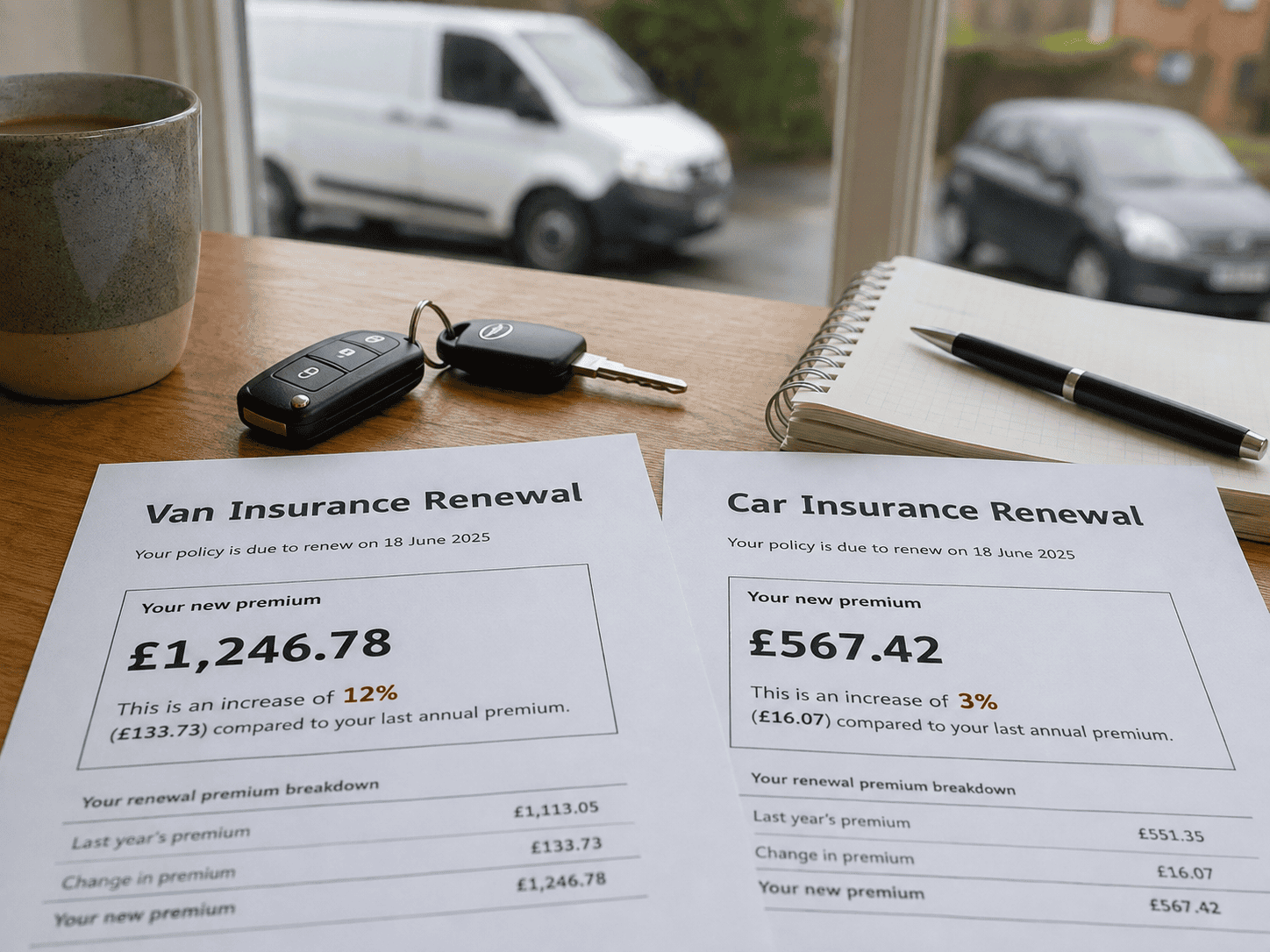
Van Insurance Premiums Are Rising Four Times Faster Than Car Cover

Is Warming Up Your Car Still Necessary?

Why Driver Anxiety on Smart Motorways Has Doubled in a Year
