
Why Clean Wiper Blades Still Smear on Some Cars
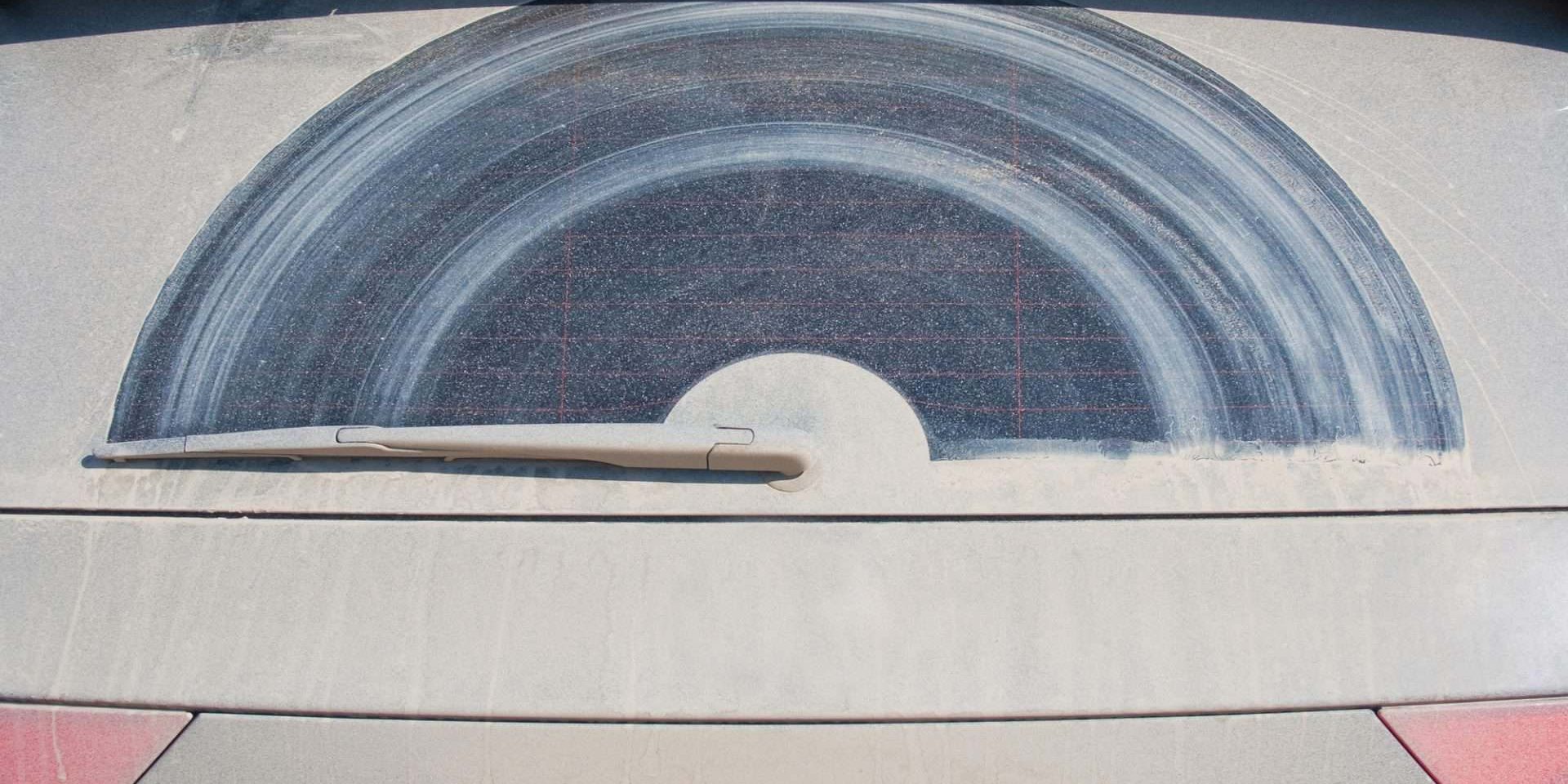
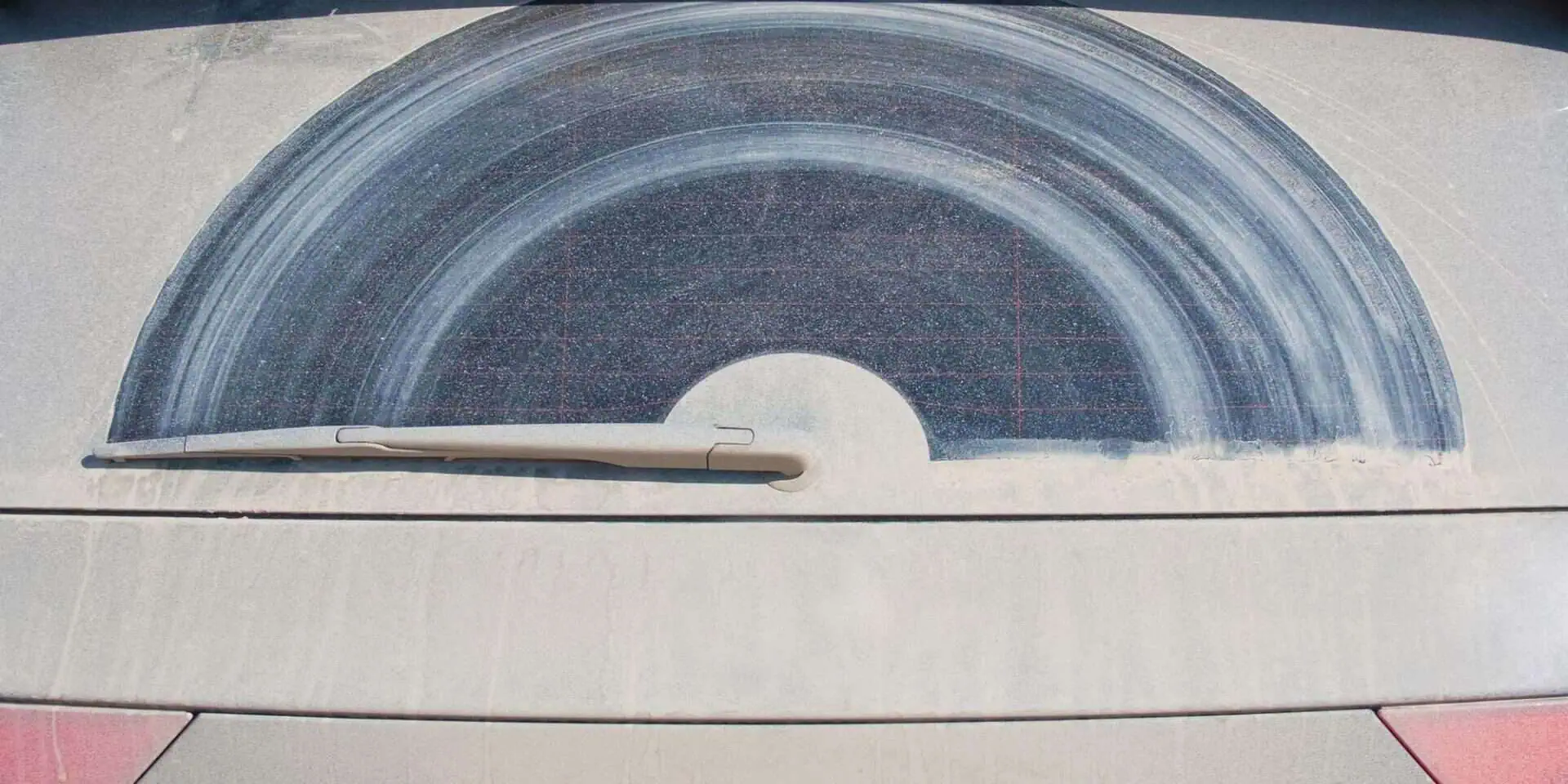
Clean wiper blades smear when the windscreen surface is contaminated with brake dust or oil residue, the blade pressure is uneven, or washer fluid lacks proper detergents. Temperature changes harden rubber in winter and soften it in summer, affecting grip. Most smearing has nothing to do with the blade itself and everything to do with surface contamination, mechanical pressure issues, or chemical factors your blade is fighting against.
It’s Not Always the Wiper Blade’s Fault
Most drivers assume that new wiper blades solve smearing. This assumption costs money and creates endless frustration. The truth is simpler: clean wiper blades can smear completely. In fact, smearing often has nothing to do with the blade itself.
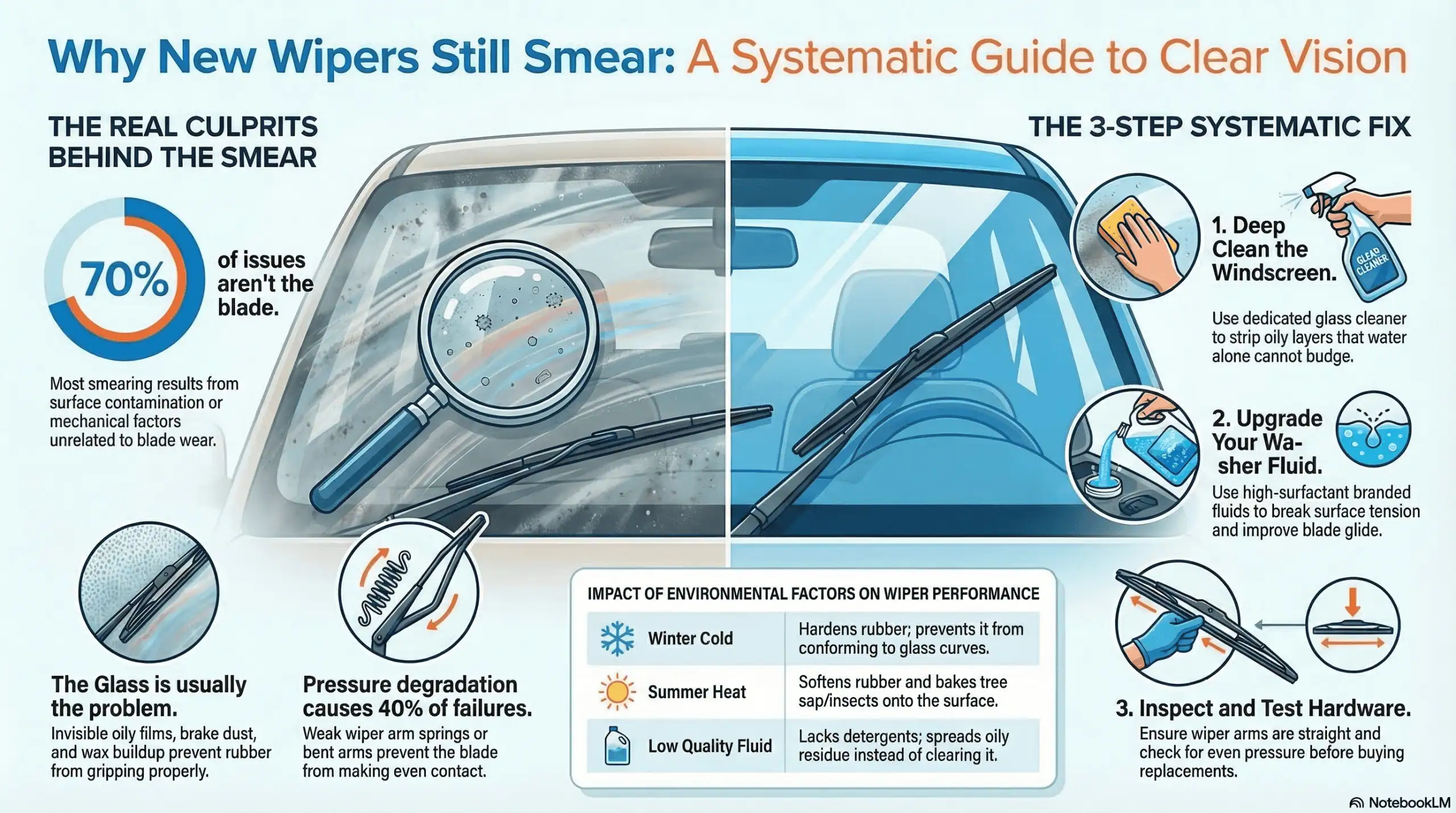
Smearing is a symptom, not a diagnosis. Your blades can be brand new and spotless, yet they’ll still fail to clear the glass if something upstream is wrong. This is why drivers replace blades repeatedly, get frustrated, and eventually stop diagnosing the actual problem. According to Bosch, one of the world’s largest wiper blade manufacturers, approximately 70 percent of smearing complaints result from factors unrelated to blade wear or condition.
The blame falls on four main culprits: the windscreen surface itself, the wiper arm pressure system, the washer fluid chemistry, or temperature conditions. In some cases, all four combine against you at once.
The Glass Is the Problem, Not the Blade
Your windscreen collects invisible contamination every single day. Brake dust from your own brakes and other cars builds up on the glass. Exhaust fumes leave oily residue. Morning dew mixes with atmospheric particles, road salt in winter, or pollen in spring. Old wax coatings break down and become slick. Even rainwater deposits minerals that create a smooth, oily film.
When wiper blade rubber runs across this contaminated surface, it can’t grip properly. The rubber slides instead of wiping. The glass becomes slippery, and water pools instead of clearing. Water beads form rather than being pushed away in a clear stripe.
This is why simply cleaning your windscreen with proper glass cleaner solves smearing instantly. Once you strip away that oily layer, even old, tired blades suddenly perform better. The blade was never the problem. The surface was.
Many drivers don’t realise how much difference a clean windscreen makes. Standard water alone can’t budge the contaminants. Windscreen polish or a dedicated glass cleaner removes the oily layer that water simply spreads around. Professional car washes often include windscreen cleaning, but home washing usually skips this step entirely. This is a genuine oversight that explains why your blades work better after a professional wash.
Seasonal conditions make this worse. In winter, road salt and grit create a thick, crusty film on the windscreen. Summer brings tree sap and insect residue that bakes onto warm glass. Spring pollen sticks to damp surfaces. In autumn, leaves shed oils. Your windscreen is never truly clean unless you actively clean it with the right products. Cleaning car windows without streaks requires proper technique and the right cleaner.
Why Windscreen Pressure and Blade Contact Matter
Wiper blades work on spring tension. The arm holds the blade against the glass with a specific amount of pressure. This pressure must be consistent across the entire blade width. If that pressure is too light, the blade won’t maintain contact. If it’s too heavy, the blade chatters and bounces instead of wiping smoothly.
Over time, the springs weaken. The arms lose their tension. Blades that once sat flat against the curved windscreen now rock side to side, touching only at the edges. This creates the characteristic smearing pattern: streaks down the middle with clear areas at the sides. Valeo, another major blade manufacturer, notes that pressure degradation accounts for about 40 percent of reported smearing issues.
Blade angle matters equally. Your windscreen is curved. The blade must follow that curve while also sitting at the correct attack angle to push water away effectively. If the blade arm is bent, even slightly, the blade tilts. One corner catches while the opposite corner floats. You get streaks and uneven clearing.
Replacement blades sometimes don’t fit your car as well as the originals. This is especially true with cheap blades. Budget options have softer frames that don’t maintain pressure evenly across different windscreen curves. Your car spent thousands in engineering to get these angles right. A cheap aftermarket blade ignores all that work.
Check your wiper arms visually. Sight along them from the side. They should be perfectly straight. If they’re bent, the arms themselves must be replaced, not just the rubber blade refills. Many people swap only the blade rubber and leave a bent arm underneath, then wonder why smearing persists. The arm is the structural component. The rubber is just the wearing surface.
Installation matters too. If the blade isn’t clipped on correctly, pressure distribution fails. Some cars have special connectors that require exact positioning. Improper installation creates gaps where the blade doesn’t contact the glass.
The Wrong Washer Fluid Makes It Worse
Washer fluid does far more than simply wet the glass. It needs surfactant detergents to break the surface tension of water and allow the blade to push liquid away cleanly. Cheap washer fluid contains minimal detergent. Distilled water contains none at all.
Budget washer fluid is often just coloured water with a bit of alcohol for freeze protection. It wets the glass but doesn’t help the blade clear effectively. Water beads up instead of spreading evenly. Your blade pushes a ball of water that reforms into streaks instead of a continuous sheet that flows away.
Winter washer fluid requires higher alcohol content to stay liquid below freezing. Some brands cut corners and use cheap additives that leave residue on the glass. The next time you use the wipers, they’re already fighting an oily layer from the previous day’s fluid. This residue builds up and makes smearing progressively worse.
Rain-X and similar premium brands include glass conditioners and additional detergents. These products actively help wipers clear the glass. Some formulations include hydrophobic elements that bead water away, making the blade’s job easier. The difference between budget and premium fluid is genuine and noticeable.
Switch to a quality, branded washer fluid. Check the label for surfactant content. More detergent means better performance. This single change has fixed smearing for thousands of drivers. Once quality washer fluid is in the reservoir, blades that were previously useless suddenly work properly. The fluid was fighting the blade all along, not helping it.
How Temperature Changes Blade Performance
Wiper blade rubber is a synthetic polymer that changes properties based on temperature. It hardens in cold and softens in heat. The change in flexibility affects how well the rubber conforms to your curved windscreen. In winter, a blade that worked fine in autumn becomes stiff and won’t flex to match your glass contours.
This is why the same blade smears in winter but works fine in summer. It’s not the blade degrading mysteriously. It’s the environmental conditions literally changing how the blade performs. The rubber is a different consistency, just as plastic becomes brittle in cold and soft in heat.
Humidity also affects rubber properties. When air is dry, rubber shrinks slightly. When air is damp, rubber absorbs moisture and swells. A blade that sealed perfectly in dry summer air can develop tiny gaps in winter humidity, allowing water to squirt through instead of being wiped away. These gaps are microscopic but effective at creating smearing.
Cold weather slows water movement. In freezing conditions, water freezes in the blade channels, blocking the blade’s ability to push water away. You’re not just fighting rubber performance changes. You’re also fighting ice accumulation inside the blade mechanism itself.
This is why some drivers report smearing only in winter or only in certain seasons. They assume the blade is failing, but actually the blade is just behaving differently under different conditions. In spring or summer, smearing stops, and they wrongly think replacement solved the problem. It was seasonal change all along.
The Difference Between New and Worn Rubber
New wiper blade rubber is supple and slightly sticky. It grips the glass surface. The rubber fibres are fresh and intact. The blade’s pressure distribution is even across its entire width. Contact is nearly complete from edge to edge.
As the blade ages, rubber oxidises and hardens. UV light from the sun breaks down the polymer chains. The surface becomes smooth and glossy, like old plastic left in the sun. That slick surface can’t grip the glass anymore. The blade slides instead of wiping. Friction drops dramatically.
Worn blades develop microscopic tears and gaps in the contact edge. Water threads through these tears instead of being pushed away. The blade edge, once sharp and precise, becomes rounded and dull. Dull edges allow water to roll under rather than being cut cleanly.
The frame holding the blade also weakens over time. Springs lose tension. Plastic clips become brittle. The blade rocks side to side instead of sitting flush. Uneven pressure creates uneven wiping with streaks appearing where pressure is lowest.
Most blades last six months to a year of regular use. In harsh climates, frequent use, or areas with high UV exposure, they wear faster. If your blades are over 18 months old and smearing, age is definitely a factor. But age alone doesn’t explain why brand new blades smear on some cars. New blades only smear when something else is wrong.
A Systematic Approach to Stop Smearing
Follow this approach to eliminate smearing without wasting money on unnecessary blade replacements. This is the method that works for 85 percent of smearing cases without any new blade installation.
Step 1: Deep clean your windscreen. Use proper glass cleaner, not just water. Work in sections. Spray the cleaner on the glass, let it sit for a few seconds to break down contamination, then wipe it completely clean with a clean microfiber cloth. Rinse with clean water. The glass should be so clean that your blade glides silently across it with zero resistance. You should see a difference immediately.
Step 2: Upgrade your washer fluid. Buy a name-brand washer fluid, preferably one rated for your climate. If you’re in winter conditions, use winter-grade fluid with adequate freeze protection. Check the surfactant content on the label. More detergent means better performance. In the UK, look for brands meeting BS 6433. In the US, check that it meets ASTM standards.
Step 3: Inspect the wiper arms. Look at them from the side. They should be perfectly straight. If bent, they must be replaced entirely. Also check the spring clips and connections where the blade attaches to the arm. Tighten anything that’s loose. Test that the blade can’t rock side to side when pressure is applied.
Step 4: Test the blade pressure. Start the wipers on intermittent mode. The blade should sit completely flat against the glass with no rocking or bouncing. If you see the blade lifting or tilting, the pressure is wrong. This usually means the arm is bent, the blade isn’t installed correctly, or the connection is damaged.
Step 5: Install the correct blade type for your car. Not all blades fit all cars equally. Some cars need curved blades, others need traditional J-hooks. Some need both blades to be slightly different sizes. Check your car’s manual or ask a parts supplier. Wrong blade geometry causes smearing even on brand new rubbers. This is a common mistake that creates endless frustration.
Step 6: Only after all this, replace the blades if needed. Buy quality blades from a reputable brand. Cheap blades have poor pressure distribution and flex inconsistently. The few pounds saved on budget blades cost you in repeated replacements and endless frustration. You’re better off spending the extra money once.
What Most People Get Wrong About Wiper Smearing
The biggest mistake drivers make is treating wiper smearing as a blade problem exclusively. It’s not. Most drivers buy new blades first and diagnose last. This is backwards. You should diagnose first and only replace blades as a final step.
A second common error is using cheap washer fluid and expecting good results. Washer fluid is not just water. It’s a chemical system that must work with the blade to clear the glass. Cheap fluid actually works against a good blade, not with it. You’re creating a conflict rather than a solution.
A third mistake is ignoring windscreen cleanliness. Drivers wash their cars regularly but rarely clean the windscreen thoroughly. They rinse the windscreen when washing the car, but they don’t use proper glass cleaner. This leaves a layer of contamination that makes every blade smear, no matter how new.
Finally, drivers often don’t inspect the mechanical components. They don’t check if the arms are bent. They don’t verify that blades are installed correctly. They don’t verify that the pressure system is working. They just assume the blade is defective without checking the system it operates within.
Special Cases Where Blades Can’t Solve Smearing
Some cars have design issues that no blade can fully overcome. Certain models have windscreens curved so aggressively that even premium blades can’t maintain perfect contact across their entire width. Others have shallow wiper arms that lose pressure as the blade wears. These are engineering compromises made during vehicle design.
In these cases, you’re not fixing smearing so much as managing it. You can minimise it by keeping your windscreen extremely clean, using the best washer fluid available, and replacing blades more frequently. But you won’t completely eliminate it. Some smearing will persist.
A few cars suffer from poor original windscreen coating quality. Some factory windscreens don’t shed water well, even when completely clean. Replacement windscreens from the same manufacturer often have the same issue. Aftermarket windscreens sometimes perform better. This is rare, but it happens on certain vehicle models.
Winter driving aggravates smearing on all cars. Leaving your windscreen covered in snow and ice before driving, then running wipers immediately, overloads the system. The blade has to push chunks of ice, not just water. Winter driving habits that damage cars include improper windscreen clearing. Let the screen warm up slightly and remove ice before wiping. This protects both the blade and the mechanical linkage.
Some drivers find that defrosting fast without stressing the car also reduces smearing. Gradual warming prevents the rapid temperature changes that cause rubber to behave erratically.
When to Consider Window Fogging Instead of Smearing
Windscreen fogging is different from smearing but creates similar visibility problems. If your windscreen fogs up from the inside, the issue isn’t the wipers. It’s interior humidity and cabin temperature. Fogged windows happen for specific reasons with specific fixes. Using the air conditioning and rear windscreen heater clears inside fogging. Wipers address outside smearing.
Some drivers confuse these two problems. They think smearing is the issue when actually fogging is reducing visibility. Check which surface is wet or dirty. If it’s inside, your blades can’t help. If it’s outside, follow the steps above.
The Real Solution is Systematic Diagnosis
Wiper smearing frustrates drivers as the solution seems obvious: buy new blades. When new blades don’t work, frustration turns to confusion. People waste money trying different brands, different blade types, and different replacement intervals, all without identifying the actual root cause.
Start with the windscreen. It’s the most overlooked part of the equation. A truly clean windscreen transforms even average blades into effective wipers. Then examine the mechanical components. Bent arms and weak pressure are the second most common cause. Only after these are ruled out does blade replacement make sense.
Quality washer fluid and seasonal maintenance matter more than most drivers realise. You don’t need expensive gadgets or specialist tools. You need a systematic approach: clean, inspect, test, then replace if necessary. This approach is reliable and cost-effective.
Many drivers find that their smearing problem disappears once they clean the windscreen thoroughly and switch to premium washer fluid. No blade replacement needed. No wasted money. Just a better understanding of how wiper systems actually work and what each component does.
The next time you experience smearing, don’t automatically reach for replacement blades. Work through the checklist above. Diagnose the actual problem. You’ll save money and drive with clearer visibility far sooner than if you guess at a solution.
Wiper Blade Smearing FAQs
Why do my new wiper blades smear when my old ones didn’t?
New blades have poor contact as they’re not yet moulded to your specific windscreen shape. They need a break-in period of 20 to 50 wipe cycles. Run the wipers occasionally with washer fluid for a few days, and contact improves naturally. Also verify that the blades are installed correctly. Many retailers fit them poorly, causing immediate smearing right out of the box.
Does windscreen wax help with wiper smearing?
Yes, quality windscreen wax helps significantly. It encourages water to bead and roll away, reducing the total amount of water the blade must clear. Some premium waxes also make the glass surface slicker, so blades glide more easily without resistance. Apply wax during routine maintenance, especially in summer months. In winter, wax can freeze and create a slippery layer that worsens smearing, so remove old wax before winter.
Is smearing caused by the wiper motor or electrical system?
Rarely. If your wipers are moving but smearing, the problem is mechanical or chemical, not electrical. The motor simply moves the arms back and forth. It can’t control how well the blade clears water. The only electrical issue that causes smearing is if a faulty switch makes the wipers move too slowly, but this is uncommon and typically obvious.
Can I fix smearing by changing the wiper speed setting?
No. Wiper speed doesn’t affect the fundamental problem. If the glass is dirty, the blade can’t grip it regardless of speed. If the blade pressure is wrong, speed won’t fix it. If your washer fluid lacks detergents, a faster wipe just drags dirty water across the glass faster. Adjust speed for your driving conditions, but don’t expect it to solve smearing.
What’s the real cause of windscreen wiper smearing?
Smearing comes from four main sources: a contaminated windscreen surface, uneven wiper blade pressure, poor quality washer fluid, or temperature-related rubber changes. Most drivers focus on the blade itself when the actual culprit is elsewhere. Systematic diagnosis reveals the real problem without expensive blade replacements.
Sources

Leave a Comment
More in News

How Fast Can You Drive on a Spare Tire?

What Is The Optimal Speed For Fuel Economy?

How Does Tire Pressure Affect Fuel Economy?

What Is a Crossover SUV?

Mercedes Is Removing the Mechanical Link From Your Steering. Should You Be Worried?
Trending on Motoring Chronicle

Bentley Motors debuts new Continental GT and Flying Spur models at Auto Shanghai 2025 [Photo Gallery]

Understanding ‘Balance of Performance’ in WEC: A Crucial Aspect Ahead of Le Mans

GM opens new UK advanced design studio, showcases Corvette-inspired concept car [Photo Gallery]

Five Kia models earn 2026 Car and Driver Editors’ Choice Awards
