
Why Bus Lane Cameras Earned UK Councils Millions in Fines This Year

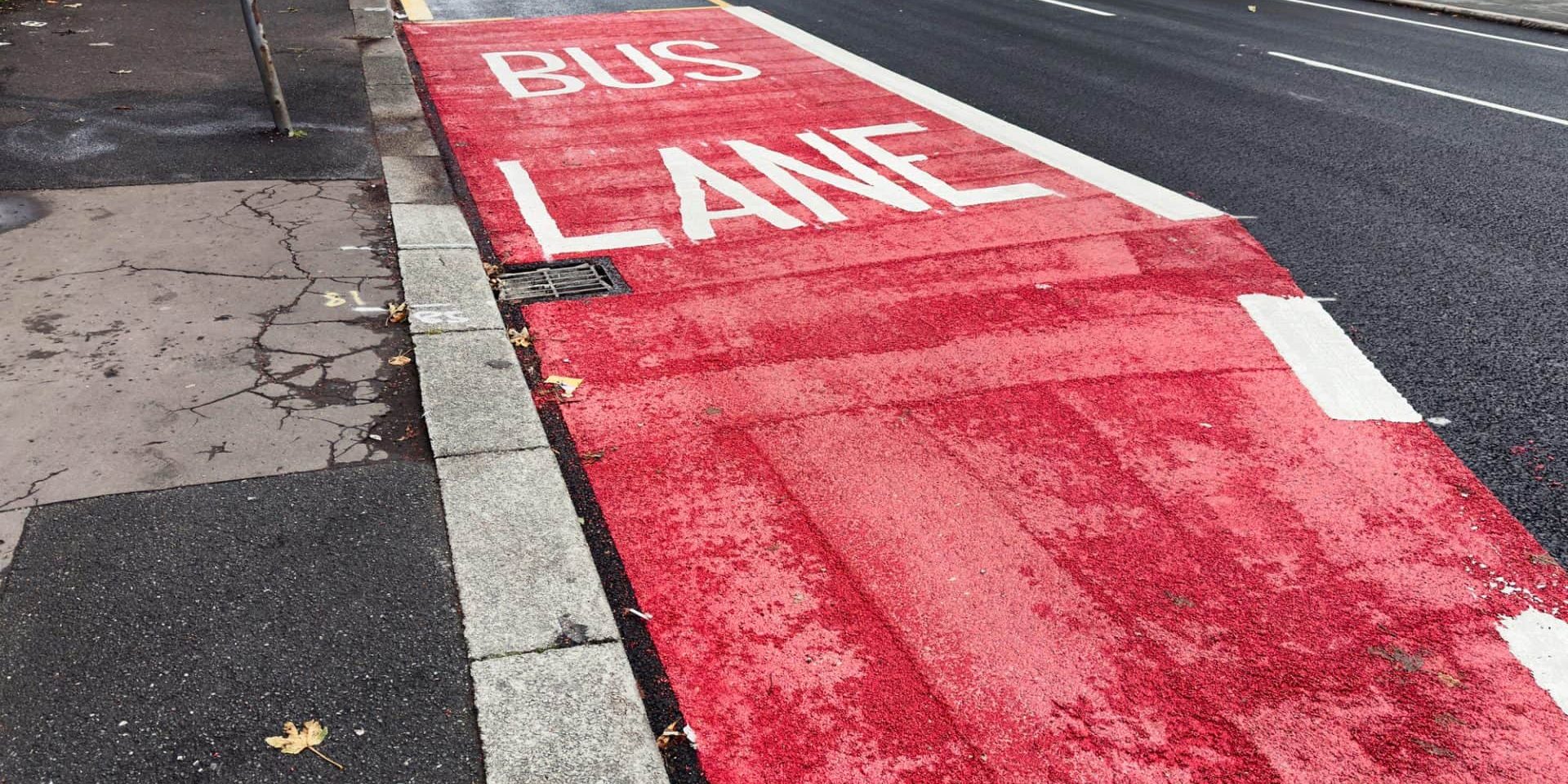
- Edinburgh council collected £1,186,458 from bus lane and bus gate fines in the first six months of 2026, from 28,897 penalty notices, and still ranked only ninth in the UK for this kind of fine revenue.
- Glasgow City Council topped the list at £1,699,474 over the same period, and Liverpool City Council also passed £1 million, showing how much money moving-traffic cameras now raise nationwide.
- A standard bus lane fine is £100, cut to £50 if paid within 14 days, and drivers can challenge a ticket through a free adjudication process if they believe the signage was unclear.
One Camera, One Council, Over a Million Pounds in Six Months
Glasgow City Council took £1,699,474 from bus lane and bus gate cameras in the first six months of 2026. Edinburgh took £1,186,458 over the same period from 28,897 separate penalty notices, a sum still only large enough to place it ninth nationally. Liverpool City Council also passed the million-pound mark in six months. Add these figures together across dozens of UK councils running the same cameras on the same roads, and bus lane enforcement has become one of the most reliable revenue lines any local authority can run, all funded by drivers who often say they never saw a sign. Freedom of information requests submitted to councils across the country over the past two years have repeatedly returned six and seven figure totals for this single category of camera enforcement, a scale that dwarfs the cost of installing and running the cameras themselves.
Councils are required to reinvest surplus parking and bus lane income into transport projects rather than general spending, but the sums involved raise a question few drivers think to ask until a ticket lands on their doormat: how does a road marking that costs almost nothing to paint generate over a million pounds a year for a single local authority.
Why the Fine Lands Before You Even Notice the Lane
Bus lane cameras work automatically, reading a number plate the moment a car crosses into a restricted lane within its hours of operation, then issuing a penalty charge notice by post days or weeks later. There is no warning flash, no officer waving a car over, and often no clear sign the driver crossed a line until the letter arrives. Many bus lanes only operate within specific windows, commonly morning and evening rush hour, and a lane that is legal to drive in at midday can trigger an automatic fine at half past four.
Edinburgh Conservative group leader Iain Whyte has raised concerns about how the system operates, describing the scale of collection as “an awful lot of money” taken from drivers and warning that planned trials of new bus lane operating hours risk creating further confusion. His comments point to a recurring theme in complaints about this type of enforcement: drivers are not objecting to bus lanes existing, they are objecting to inconsistent signage and operating hours that differ street by street and city by city.
The Fine and How It Escalates
A bus lane penalty charge notice is typically £100, reduced to £50 if paid within 14 days of the notice being issued. Ignoring the notice entirely allows the amount to rise, and an unpaid fine can eventually be registered as a county court debt, adding further cost and the risk of enforcement action against the driver’s bank account or wages. The fine is triggered per crossing rather than per trip, so a driver who does not realise their route passes through a restricted lane twice a day can rack up two separate fines before they even know a problem exists.
Private hire and taxi drivers are often exempt from bus lane restrictions, and some lanes also allow cyclists, motorcyclists, and emergency vehicles, which adds another layer of confusion for an ordinary driver glancing at a sign while trying to merge safely in traffic. The rules do vary lane by lane in practice, and assuming a bus lane works the same way as the one on a driver’s usual route is one of the most common reasons for repeat fines.
Where the Money Actually Goes
English councils operate under rules set out in the Traffic Management Act, which requires any surplus from moving traffic enforcement, bus lanes included, to be spent on transport-related projects rather than folded into general council budgets. In theory that means the money from a bus lane fine eventually funds road repairs, public transport subsidies, or safety schemes in the same area where the fine was issued. Scottish councils operate under a broadly similar ring-fencing principle for parking and bus lane income.
Campaign groups and opposition councillors regularly question how closely that reinvestment rule is followed in practice. Published breakdowns of exactly which projects receive bus lane income are not always easy for a member of the public to find. What is easier to find is the headline collection figure itself, and as more UK cities expand camera coverage on bus lanes and box junctions, that figure keeps climbing year on year across nearly every major urban council.
How to Challenge a Bus Lane Fine
Every bus lane penalty notice comes with a right to make informal representations directly to the council, and drivers do not need a solicitor or a paid claims firm to use it. Grounds for a successful challenge include signage that was obscured, missing, or contradicted by an older sign still on display, a road layout that changed after the penalty notice was issued, or clear evidence the vehicle was not in the restricted lane, such as dashcam footage from the moment in question.
If a council rejects that first challenge, drivers can escalate to the Traffic Penalty Tribunal in England and Wales, or the equivalent adjudication service in Scotland, both of which are free to use and independent of the council that issued the fine. Keeping the original penalty notice, taking photographs of the signage at the location as soon as possible, and requesting the camera footage the council relied on all strengthen an appeal. Adjudicators have overturned fines in cases where signage did not meet the required visibility standard, so a ticket that feels unfair is worth checking rather than paying automatically out of convenience.
What Drivers Can Do Before the Next Fine Arrives
Checking a route on a mapping app that flags bus lanes before a regular trip, rather than after a fine arrives, costs nothing and takes a few minutes. Councils publish the operating hours for each bus lane on their websites, and cross-checking an unfamiliar route against that list before a first trip removes most of the guesswork that leads to an accidental fine. For drivers who already have a ticket sitting unpaid, checking the 14-day window for the reduced rate first, then deciding whether to pay or challenge, avoids the far larger bill that follows once a fine escalates into a formal debt. A five-minute check before an unfamiliar drive is a small habit that can save a driver a hundred pounds and a stressful letter through the post.
Sources:

Leave a Comment
More in News

How to Remove Moisture From Inside Your Headlight Before It Costs You £500

What Red and Amber Warning Lights Actually Mean (and Which Fail an MOT)

How to De-Ice Your Windscreen Fast Without Cracking It (and Staying Legal)

New Cars Face Euro 7 Rules From 29 November With a £264 Price Rise
What the Traffic Penalty Tribunal’s 33 Percent Success Rate Means for Every Driver
Trending on Motoring Chronicle

12 Winter Driving Habits That Damage Cars

The new Elroq vRS: The sportiest version of Škoda’s electric compact SUV [Photo Gallery]

The New BMW 7 Series Has 452 Miles Of Range, A Cinema Screen And Hands-Free Driving At 81mph. Here Is Everything We Know

Why Hidden Disability Blue Badge Approvals Have Tripled to 55,000 in Just Three Years
