Why Alabama Just Made Fatal Hit and Run Crashes a More Serious Felony
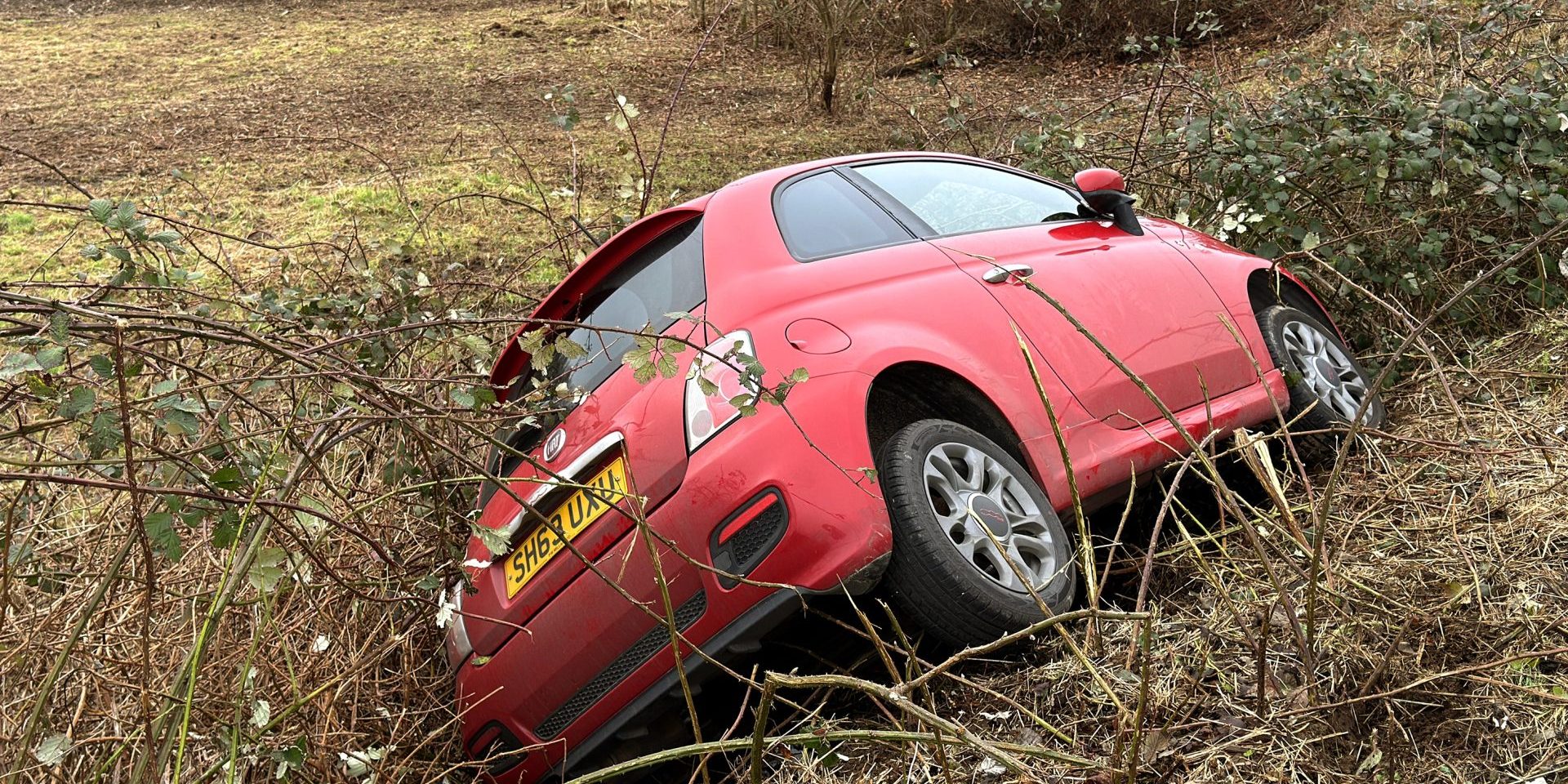
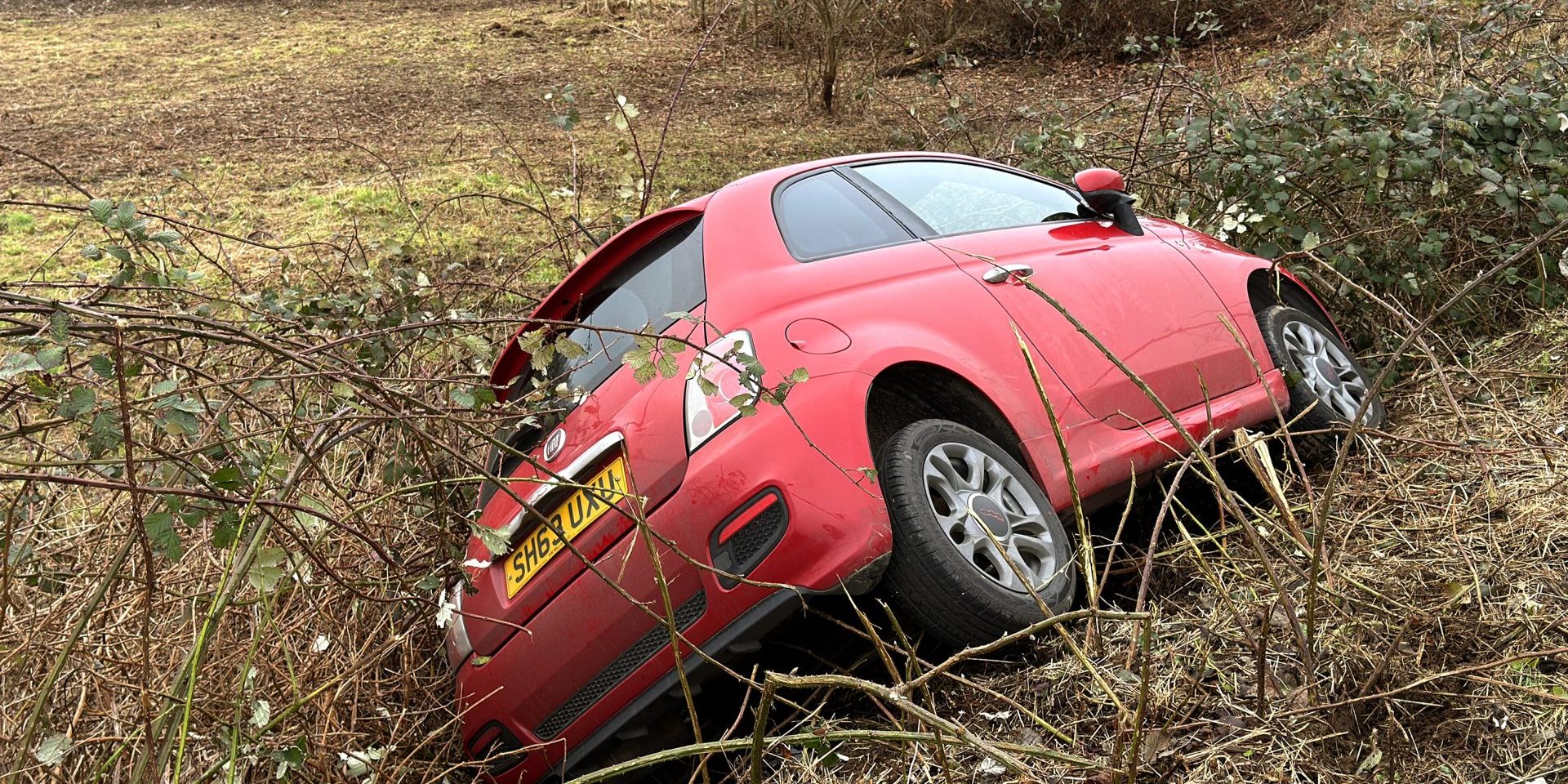
- Starting October 1, leaving the scene of a fatal crash in Alabama becomes a Class B felony instead of a Class C felony, closing a gap that let some fatal hit-and-run drivers serve as little as six months.
- The Devinee Rooney and John Wesley Holt Safe Streets Act is named for two young Mobile County residents killed by impaired or fleeing drivers who received short sentences under the old law.
- The law also lets judges order restitution to victims’ families and passed the Alabama legislature without a single dissenting vote.
Why Two Families Spent Years Pushing for This Law
John Wesley Holt was 19 and a sophomore at the University of South Alabama in 2023 when he was struck and killed while walking on Old Shell Road looking for a phone charger so he could call for a ride home. The driver, Jasman Johnson, pleaded guilty to leaving the scene of a crash involving injuries and was sentenced to five years. She served six months. Holt’s mother, Florencia Holt, has described sitting in the courtroom when the sentence was read and hearing her son’s voice in her head asking whether his life was worth only a year, let alone the months the driver actually served.
Devinee Rooney, a Theodore High School graduate-to-be, was killed in 2020 by a driver who was impaired at the time of the crash. That driver also served six months in jail. Rooney’s mother, Terri Rooney, has said publicly that if the new law had existed when her daughter was killed, the case would have produced far more accountability than it did.
Both cases exposed the same gap in Alabama’s criminal code: leaving the scene of a crash that results in a death was classified as only a Class C felony, the same tier as offenses far less serious than causing someone’s death and then fleeing. That classification gave judges room to hand down sentences that families and prosecutors alike saw as disconnected from what had actually happened, and it meant a driver who caused a fatal crash and stayed at the scene could, in some circumstances, face a longer sentence than one who caused the same crash and drove away.
What the New Law Actually Changes
The Devinee Rooney and John Wesley Holt Safe Streets Act, signed by Governor Kay Ivey in March and taking effect October 1, elevates leaving the scene of a crash that causes death from a Class C felony to a Class B felony. In Alabama’s sentencing structure, that shift raises both the ceiling and the floor for punishment, closing the door on the kind of outcome that left both the Holt and Rooney families feeling the legal system had failed them.
The law also gives judges explicit authority to order restitution paid directly to victims’ families, covering costs like funeral expenses and lost income that families otherwise had to absorb on their own regardless of the outcome in criminal court. Mobile County District Attorney Keith Blackwood helped lead the push for the reform, arguing that the old law’s gap did not just under-punish individual defendants, it sent a broader message that fleeing the scene of a fatal crash carried less legal risk than the underlying decision to drive impaired or recklessly in the first place.
The bill passed the Alabama legislature unanimously, a rare outcome for any criminal sentencing reform and a sign of how directly the Holt and Rooney cases resonated with lawmakers across party lines. Floor debate repeatedly returned to the same detail: two families who lost children in preventable crashes, followed by sentences that felt, to nearly everyone who reviewed the cases, out of proportion to what had happened.
How Alabama’s Hit-and-Run Laws Compare Nationally
Hit-and-run penalties vary widely across the United States, and Alabama is not alone in having revisited them recently. States including California, Georgia and Texas have all stiffened hit-and-run laws in the past several years, often in response to a specific case that drew public attention the way the Holt and Rooney deaths did in Alabama. The common thread across these reforms is the same gap Alabama just closed: older statutes frequently treated leaving the scene as a separate, lesser offense from whatever underlying conduct caused the crash, even when the crash itself was fatal.
Traffic safety researchers have pointed to that structural gap as part of why hit-and-run crashes have climbed nationally over the past decade. When the penalty for fleeing is meaningfully lower than the penalty for staying and facing DUI or reckless driving charges, the incentive for a driver who has just caused a serious crash points toward leaving rather than staying, most of all if the driver is impaired and fears facing that charge on top of everything else. Elevating the felony classification for a fatal hit-and-run, as Alabama’s new law does, is one of the more direct ways a state can try to remove that perverse incentive.
What This Means for Alabama Drivers
For most drivers, the practical guidance has not changed: stop, remain at the scene, call 911 and render aid if anyone is injured. What has changed is the consequence for a driver who chooses not to do that when someone dies in the crash. Under the new classification, a Class B felony in Alabama can carry a sentence of two to 20 years, a meaningfully higher range than the one to 10 years a Class C felony allows, giving prosecutors and judges more room to hand down a sentence that reflects the fact that a life was lost.
The law does not change the rules for crashes that do not result in a death. Leaving the scene of a crash involving only injuries or property damage remains classified separately, with its own penalty structure that this reform did not touch. Drivers involved in any crash, fatal or not, are still required under existing Alabama law to stop and exchange information, and the safest response to any collision remains the same regardless of what the new felony tiers apply to: stay at the scene, call for help, and cooperate fully with responding officers rather than trying to assess fault on the spot.
One of Several Alabama Laws Taking Effect October 1
The Safe Streets Act is one of at least two driving-related measures Alabama lawmakers passed this year that take effect on the same date. A companion law, the Highway Safety and Fairness Act, updates commercial driver’s license standards and raises penalties for unsafe trucking practices, adding new requirements for motor carriers and increasing scrutiny on CDL holders. Together, the two laws reflect a broader legislative focus this session on closing gaps between the seriousness of a driving offense and the actual consequences a driver faces for it, whether the vehicle involved is a passenger car fleeing a fatal crash or a commercial truck operating outside safety rules.
What Families and Advocates Are Watching Next
Both the Holt and Rooney families have said they plan to keep speaking publicly about the law, in part to make sure prosecutors and judges around the state apply the new felony classification consistently once it takes effect. Their advocacy did not stop once the governor signed the bill in March; both families have continued appearing at community events and legislative hearings around the state, describing the law as unfinished business until it produces sentences in real cases that match its intent. Advocates for stronger hit-and-run penalties in other states have pointed to Alabama’s unanimous vote as a model for building bipartisan support around victim-centered reforms, and similar bills naming specific crash victims have been introduced in at least a handful of other state legislatures this year following a similar path from a single tragic case to a statewide law.
Sources:

Leave a Comment
More in News
What a Speed Awareness Course Actually Costs (and Who Gets Offered One)
What Makes a Number Plate Illegal in the UK (and the £1,000 Fine)

Why Gas Prices Are Falling From Their October Record High

Mercedes Recalls 30,000 Maybach and S-Class Models Over Failing Brake Hoses

How to Clear a Musty Car AC Smell Before It Costs a £300 Repair
Trending on Motoring Chronicle

Enforcers Did Not Contest 4,831 Fines Drivers Won at the Traffic Penalty Tribunal

Britain’s Best Selling EV Costs £21,495 And Just Got One Pedal Driving As Standard
Every Electric Car Driver Will Now Pay 3p a Mile From 2028 (and What It Adds Up To)
How the Cost of Owning a Car in the UK Has Hit £11,500 a Year