Why 9,048 Audi EV Owners Are Being Told to Stop Charging Past 80 Percent
- Volkswagen Group is recalling 9,048 Audi Q4 E-Tron and Q4 Sportback E-Tron SUVs from the 2024 and 2025 model years over a high-voltage battery fault that can start a fire.
- Until a dealer completes the repair, owners are told to charge no higher than 80 percent of battery capacity, and interim notification letters go out starting December 18.
- The fault echoes a 2024 recall of the related RS E-Tron GT and E-Tron GT, when Volkswagen gave owners the same 80 percent charging limit for a similar battery short-circuit risk.
The Fire Risk Sits Inside the Battery, Not the Charger
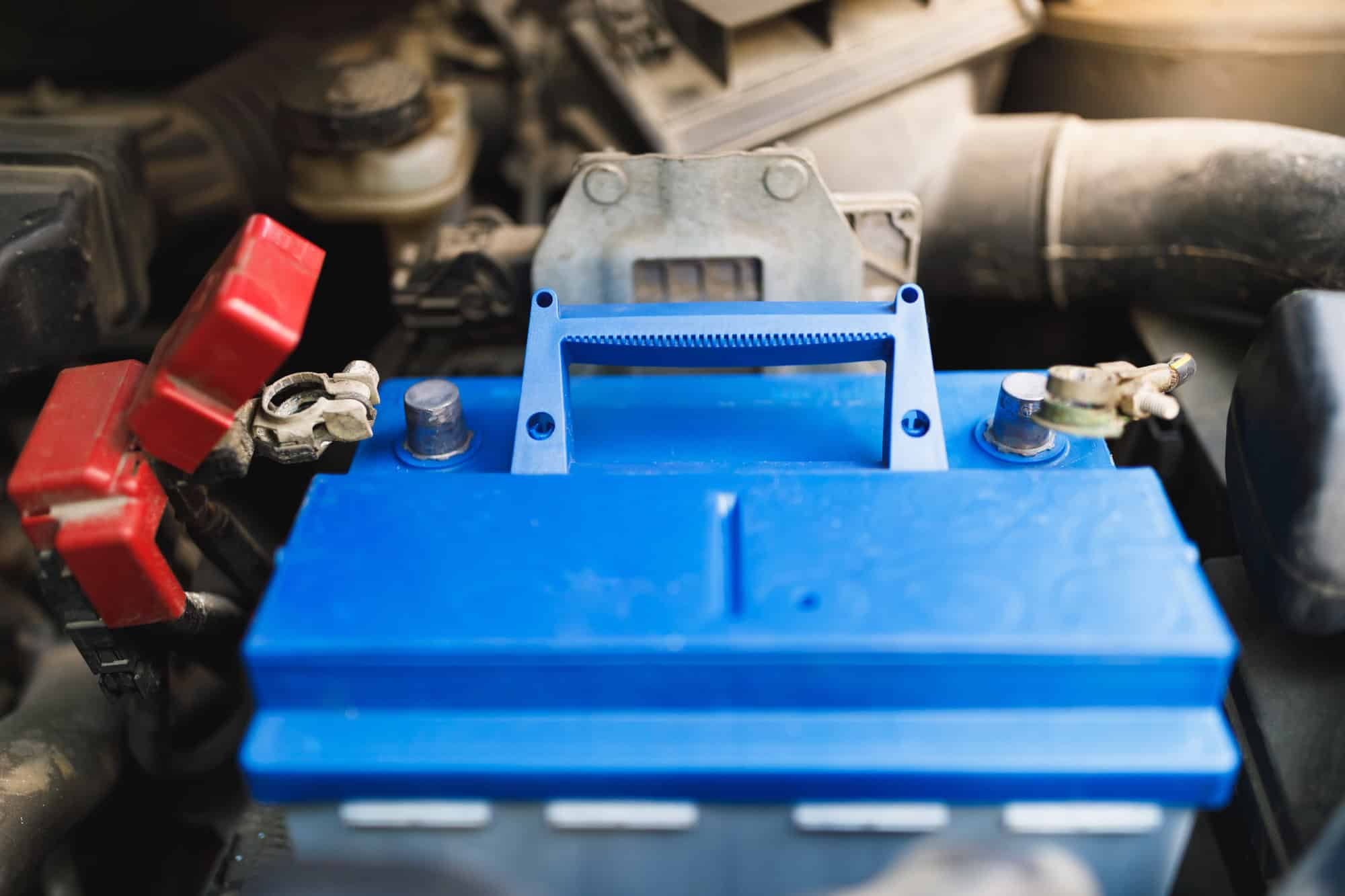
Volkswagen Group of America filed paperwork with NHTSA on October 21 opening a new recall, campaign number 26V698000, covering 9,048 Audi Q4 E-Tron and Q4 Sportback E-Tron SUVs built in the 2024 and 2025 model years. The problem sits inside the high-voltage battery pack that powers the SUV, not in a charging cable or a home wallbox. Volkswagen’s own filing describes a failure mode in which the battery can short-circuit internally and raise the risk of a fire, a defect the company has not tied to a specific part supplier or production run.
NHTSA has not confirmed that every vehicle built in those two model years carries the defect. Audi has told owners to check their individual VIN rather than assume their SUV is affected on the strength of falling inside the covered production window alone.
How to Tell If Your Audi Is Affected
Owners can check their 17-digit VIN at nhtsa.gov/recalls, or call Audi customer service directly, to find out whether their specific SUV falls under campaign 26V698000. Audi plans to mail interim notification letters starting December 18, warning affected owners about the 80 percent charging limit ahead of the permanent fix. A second mailing will follow once Audi has parts and a repair procedure ready for dealers to carry out.
Audi has not told owners to stop driving the SUV or to park it outdoors away from structures, two instructions automakers sometimes issue for the most severe battery fire risks. The current guidance applies only to charging habits: plug in as usual, but stop the session at 80 percent until a dealer has inspected and, if needed, replaced the battery.
This Isn’t Audi’s First 80 Percent Warning
Owners of other Volkswagen Group electric vehicles have seen this exact instruction before. In April 2024, Volkswagen recalled roughly 1,013 Audi RS E-Tron GT and E-Tron GT sedans under campaign 24V228000 for a similar fault: the high-voltage battery could short-circuit within its internal modules. The remedy then was identical in substance to today’s fix. Owners charged to 80 percent only, and dealers later analyzed each car’s battery data and swapped in new high-voltage modules where the data showed a problem, at no cost to the owner.
That 2024 campaign covered Audi’s performance flagship, the RS E-Tron GT, a car built on the same underlying electric platform Volkswagen shares across several Audi and Porsche models. The Q4 E-Tron sits on a related but distinct architecture, which suggests the two recalls stem from separate manufacturing issues rather than one shared root cause. Still, the repeated use of an 80 percent charging cap as an interim fix shows Volkswagen’s playbook for an unresolved battery fault has stayed consistent for at least two years running.
Why EV Battery Recalls Keep Coming Back
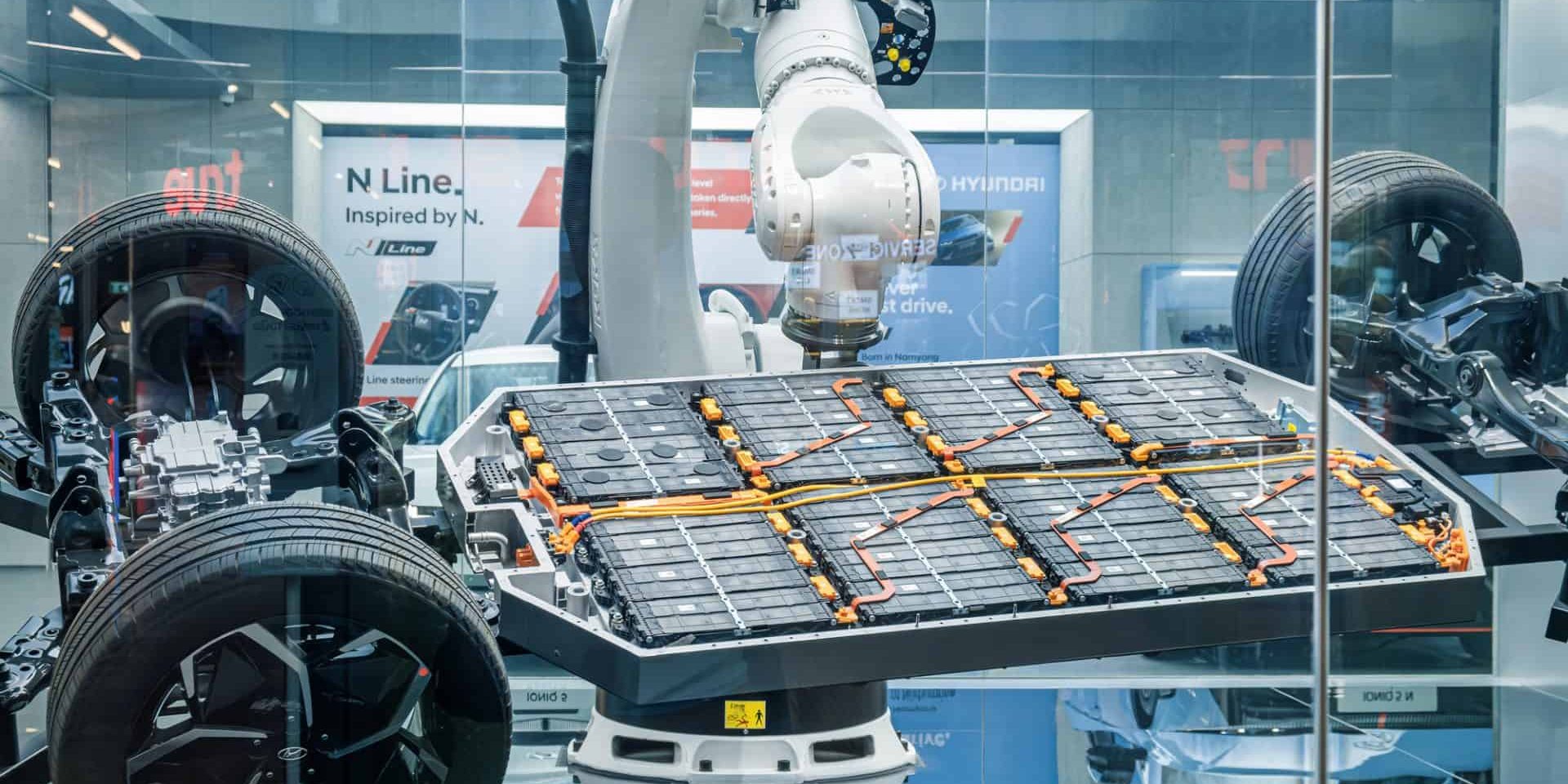
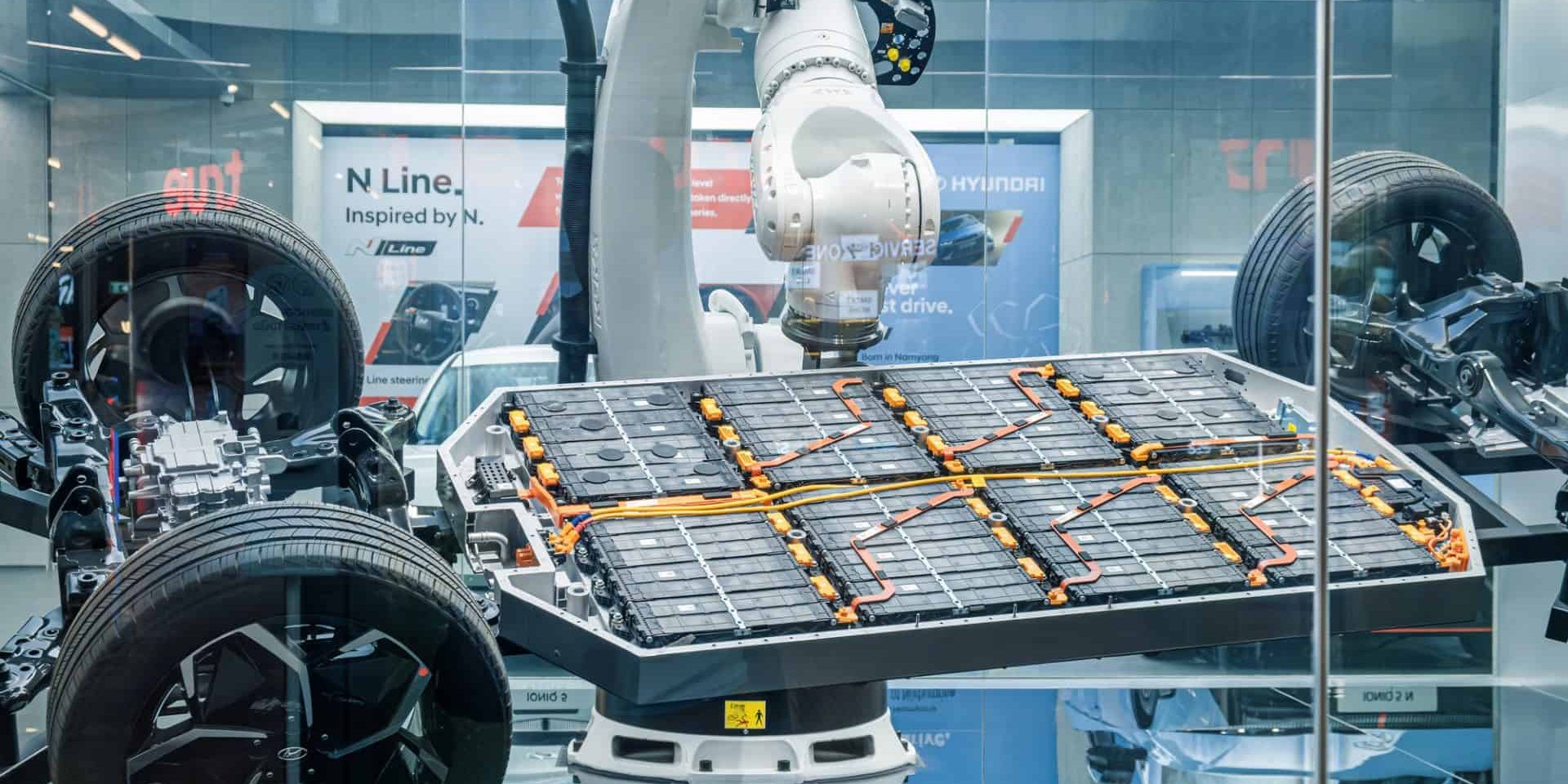
A lithium-ion battery pack stores enough energy to power a house for days, held inside hundreds of individual cells wired together under the floor of the vehicle. A short circuit inside even one module can generate heat faster than the pack can dissipate it, a chain reaction battery engineers call thermal runaway. Limiting charge to 80 percent gives the pack more buffer room before it reaches the voltage and heat levels where that chain reaction becomes more likely, which is why automakers reach for the same interim fix again and again across different models and different manufacturers.
NHTSA’s own recall database lists dozens of EV battery-related campaigns industry-wide over the past three years, spanning General Motors, Hyundai, Kia, Ford, Stellantis, and Tesla alongside Volkswagen Group. Most trace back to manufacturing defects introduced in cell production or module assembly rather than a flaw in the battery chemistry itself, one reason the remedy so often ends up being a parts swap rather than a software patch.
A gasoline recall for a fuel leak or a faulty airbag inflator typically wraps up once a part is swapped. A battery recall carries an extra layer of complexity: every pack has to be individually assessed before anyone knows whether it actually needs a replacement module. Audi’s plan for the related 2024 RS E-Tron GT recall followed that pattern: dealers pulled diagnostic data from each car’s battery management system first, then replaced modules only on packs the data flagged, rather than swapping every battery in every recalled car. Expect the Q4 E-Tron fix to follow a similar path once parts and a repair procedure are ready, which is part of why Audi needs until mid-December just to send out an interim letter rather than a full repair notice.
The charging cap also carries a practical tradeoff for daily use. Most EVs, including the Q4 E-Tron, already let drivers set a charging limit through the onboard software, a feature originally built to slow long-term battery wear rather than manage a recall. Capping a charge at 80 percent trims roughly a fifth of the SUV’s usable range between charges, a real-world cut that hits hardest for owners who rely on the Q4 E-Tron for longer commutes or road trips rather than short errands around town.
What a Recall Like This Means at Trade-In Time
An open safety recall shows up on vehicle history reports from Carfax and AutoCheck, and dealers routinely pull that report before making a trade-in offer. A Q4 E-Tron owner shopping for a trade-in while campaign 26V698000 remains open can expect the dealer to flag it, and some dealers will discount their offer to account for the cost and inconvenience of completing the repair themselves after the sale. Getting the recall closed out before listing the SUV for sale, whether through a private sale or a trade-in, tends to produce a cleaner history report and a stronger offer.
Leasing customers face a narrower set of concerns. The repair is free regardless of who holds the lease, and a recall on its own does not affect a lease-end inspection the way cosmetic damage would. Owners planning to return a leased Q4 E-Tron before their contract ends should still confirm the recall has been completed. An unresolved safety campaign can complicate the vehicle’s resale once it leaves the leasing company’s hands.
What To Do Right Now
Owners of a 2024 or 2025 Audi Q4 E-Tron or Q4 Sportback E-Tron should check their VIN at nhtsa.gov/recalls today rather than wait for Audi’s December mailing. If the VIN comes back affected, the simplest step is to set a charging limit of 80 percent in the vehicle’s climate and charging settings, a feature already built into Audi’s onboard software, and stop manually overriding it until a dealer confirms the repair is complete.
Owners can also call Audi’s customer experience line to ask when their region’s dealers expect to have parts on hand, as repair timing on battery recalls often varies by state depending on how dealers allocate limited replacement components. Keeping a copy of the interim notification letter, once it arrives, gives owners a paper record of the 80 percent instruction if a dealer or finance company asks for proof the recall has been addressed at a future sale or lease return.
Want more car content? Add us as a preferred source on Google to your favourites list for the best automotive news and analysis on the internet.
If you enjoyed this article, be sure to follow us on Microsoft Start.
Sources:

Leave a Comment
More in News

What a Flashing Glow Plug Light Means Before Your Diesel Refuses to Start

How Car Insurance Rates Compare by State as Rises Loom in 32 States
Porsche Tells Owners of 548 911 and Cayman Models Not to Drive

California Gas Prices Hit $6.02 a Gallon as the National Average Tops $4.29

Changan Deepal S05 Ultra PHEV Arrives in the UK from £32,990
Trending on Motoring Chronicle

Preventive Measures To Avoid Rust On Your Car
2027 Kia EV3 Starts at $29,890 With Up to 321 Miles of Range

Why Deer Crashes Cost Drivers $1.9 Billion a Year [and How to Avoid One]

Enforcers Did Not Contest 4,831 Fines Drivers Won at the Traffic Penalty Tribunal