
What the Proposed Eye Test for Over 70s Could Mean for Your Driving Licence
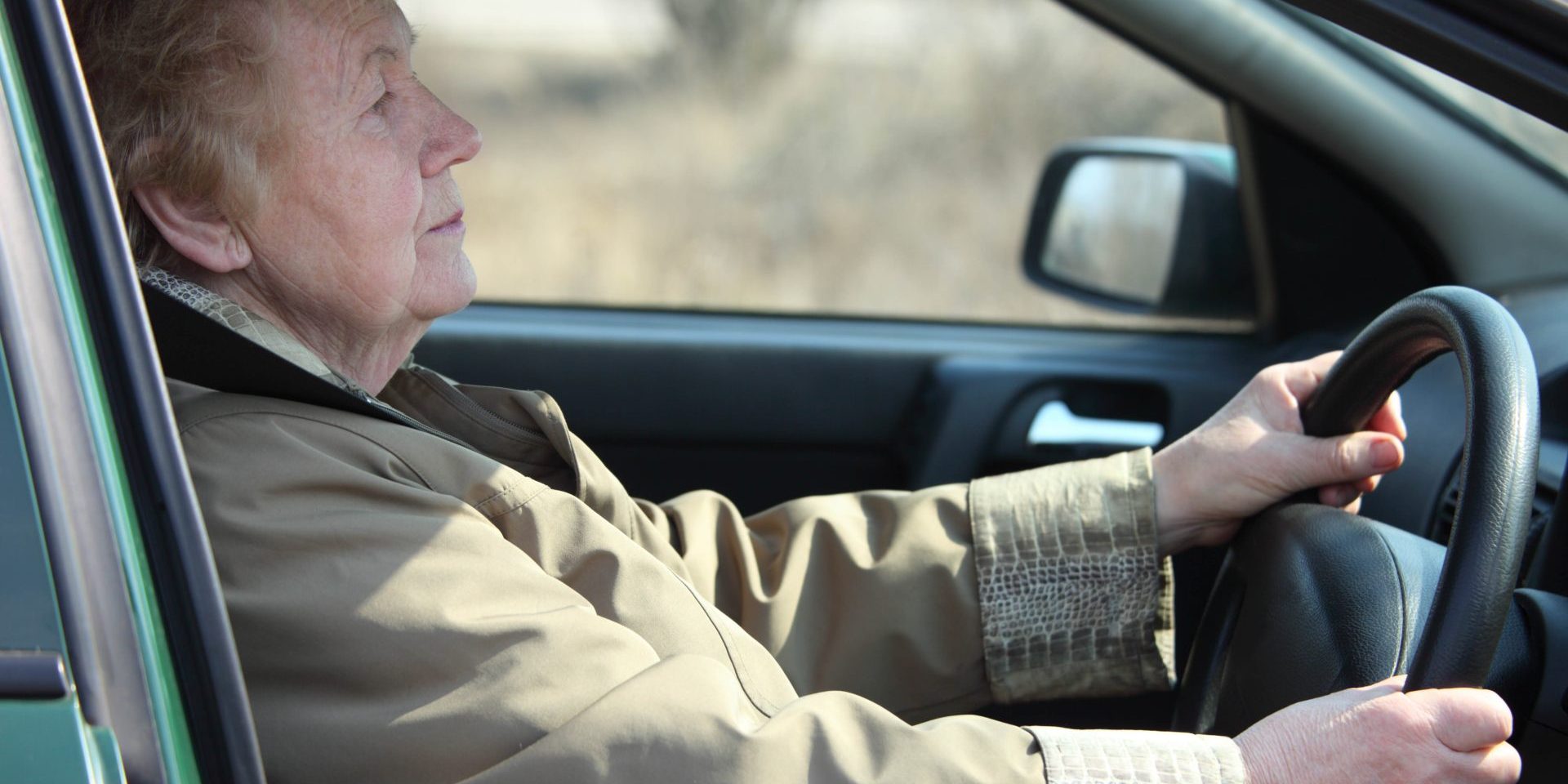

Drivers approaching their 70th birthday could soon face a new requirement to prove their eyesight rather than simply declare it. The government has consulted on plans that would make a professional vision check compulsory for older drivers at each licence renewal, replacing the self declaration system that has been in place for decades. The proposal has not become law, and no driver needs to do anything differently today, but with DVLA figures showing more than 5 million licence holders are aged 70 or over, this is a change that would touch a very large number of households. Here is what is being proposed, what the rules require right now, and the simple steps that protect your licence either way.
The plan sits within a wider road safety review and follows years of pressure from coroners, road safety groups and eye health charities, several of whom have linked preventable collisions to drivers who could no longer see well enough to be on the road. Supporters argue a quick, evidence based check is overdue. Others worry about cost and access, and about older drivers in rural areas losing independence. What follows separates the proposal from the rules that already apply.
What is actually being proposed
The Department for Transport ran a consultation titled Introducing mandatory eyesight testing for older drivers, which opened on 7 January 2026 and closed in the spring. Under the proposal, drivers aged 70 and over would need to pass a professional vision check every three years, lining up with the existing three yearly licence renewal cycle. That check would replace the current approach, in which a driver simply ticks a box to confirm they meet the eyesight standard without producing any proof.
Importantly, the government has not yet published its response, so none of this is settled. Reporting around the consultation has suggested a new requirement could begin as early as the end of 2026 if ministers decide to proceed, but that timing is not confirmed and could change. It is also worth being clear about what the proposal does not do. There is no plan for an automatic ban based on age. The focus is on vision, not on a birthday, and a driver who meets the standard would keep driving regardless of how old they are.
The rules that apply right now
Until any change is confirmed, the existing rules continue to apply, and they matter because breaking them can already invalidate your licence and your insurance. From the age of 70, your driving licence expires and must be renewed every three years. Renewal is free and is done through the DVLA, most easily online at gov.uk. As part of that renewal you make a legal declaration that your eyesight meets the required standard. You are not asked to provide proof, but you are signing a legal statement, and a false declaration is a serious matter.
The standard itself is unchanged for all drivers, whatever their age. You must be able to read a current style number plate from 20 metres, roughly the length of five parked cars, wearing glasses or contact lenses if you normally use them. You also need to meet a minimum standard of visual acuity and an adequate field of vision in both eyes. If you cannot meet the number plate test, you must not drive, and you are legally required to tell the DVLA about any condition that affects your sight in both eyes, such as glaucoma or significant cataracts. The same obligation to keep your details current applies to the move toward digital records, which we covered in our guide to the digital driving licence and the fine to avoid.
Who would be affected and why it is being raised
The over 70 group is one of the fastest growing parts of the driving population, which is why the issue keeps returning. Better health and longer working lives mean more people are driving well into their 80s and beyond, often relying on the car for shopping, medical appointments and seeing family, particularly where public transport is thin. That independence is precisely what makes the debate sensitive, because any new hurdle has the potential to take some drivers off the road.
The case for change rests on a simple point. Eyesight tends to decline gradually, and a driver may not notice the change until it is severe. Conditions such as cataracts, glaucoma and macular degeneration become more common with age and can erode vision without obvious warning signs. Campaigners point out that the current self declaration relies entirely on a driver recognising a problem they may not be able to see, and argue that an independent check every few years is a proportionate way to catch deterioration early. Critics counter that the existing law already requires drivers to meet the standard and to report conditions, and that enforcement and awareness, rather than a new test, may be the better route.
The UK is unusual in relying on self declaration at all. Several European countries already require older drivers to pass a medical or vision check to renew, with the interval typically shortening as drivers age. Italy, Spain and the Netherlands all tie licence renewal for older drivers to a health assessment, while Ireland requires a medical report from the age of 70. Supporters of the UK proposal point to these systems as evidence that a periodic check can sit alongside continued driving rather than forcing people off the road. Opponents note that the collision data does not show older drivers as a uniquely high risk group once mileage is taken into account, and that the youngest drivers remain far more likely to be involved in serious crashes. That tension, between protecting road safety and preserving the independence of millions of people, is what the government must now weigh as it decides whether to act.
What older drivers should do now
Whatever the government decides, the sensible steps are the same. Book a sight test, and keep doing so regularly. Anyone aged 60 or over is entitled to a free NHS sight test, and the recommended interval for most older adults is every two years, or sooner if your optician advises it. A routine test will also pick up conditions such as glaucoma that you would not spot yourself, which protects both your driving and your wider health.
Check that you comfortably meet the number plate test in good daylight, with your usual glasses or lenses, and be honest with yourself about night driving and glare, which often deteriorate first. Renew your licence on time every three years through gov.uk, and update the DVLA promptly if a condition develops, because driving against medical advice or with a notifiable condition you have failed to report can lead to a fine of up to 1,000 pounds and can leave you uninsured. If you wear glasses for driving, keep a spare pair in the car. None of this depends on the proposal becoming law. It is simply what keeps you safe, legal and insured, and it means that if a new check does arrive, you will already be ready for it.
It is also worth understanding the insurance angle, because eyesight and cover are closely linked. If you drive while failing to meet the legal eyesight standard, or with a notifiable condition you have not declared to the DVLA, your insurer can refuse a claim and treat the policy as invalid. That would leave you personally liable for the cost of any damage or injury, which can run to many thousands of pounds. Keeping your sight tests current and your DVLA declaration honest is therefore not only a safety measure but a financial safeguard, and it costs nothing for those entitled to a free NHS test.
If you are unsure whether your vision still meets the standard, the quickest reassurance is a simple roadside check that anyone can do safely. In good daylight, with a clear line of sight and your usual glasses on, find a parked car and step back until you are roughly 20 metres away, then read its number plate. If you can read it comfortably you meet the basic test. If you struggle, book an appointment with an optician before you drive again and tell them you need a check for driving. It is a five minute exercise that can settle the question long before any new law arrives.
Sources:
- https://www.gov.uk/government/consultations/introducing-mandatory-eyesight-testing-for-older-drivers
- https://commonslibrary.parliament.uk/driving-licences-for-the-over-70s/
- https://www.gov.uk/driving-eyesight-rules
- https://www.yorkshirepost.co.uk/business/consumer/renew-uk-driving-licence-dvla-renewal-change-drivers-over-70-2026-5503536

Leave a Comment
More in News

Autotrader Shows Used Petrol Cars Cost £14,625 as 17 Months of Price Rises End

Catalytic Converter Thefts Are Rising Again and Could Cost Every Van Owner over £1,000

Every Electric Car Now Costs £46 More to Insure than Petrol, MoneySuperMarket Finds

Leicestershire Council Took £900,127 in Parking Penalties as Notices Issued Rise 9.3 Percent

How the DVLA’s Digital Driving Licence Will Work for Every UK Driver in 2026
Trending on Motoring Chronicle
Why Used Car Prices Are Falling While Used EV Prices Climb

Lamborghini Esperienza Avventura: exploring the untamed beauty of Lanzarote
Why Tesla Still Has No Fix for 20,349 Model 3 and Y Headlights That Blind Oncoming Drivers

Over 1 Million Honda Hybrids Recalled as Tire Repair Kit Bottles Can Burst
