
The new 911 Cup – stronger performance for the successful one-make model [Photo Gallery]
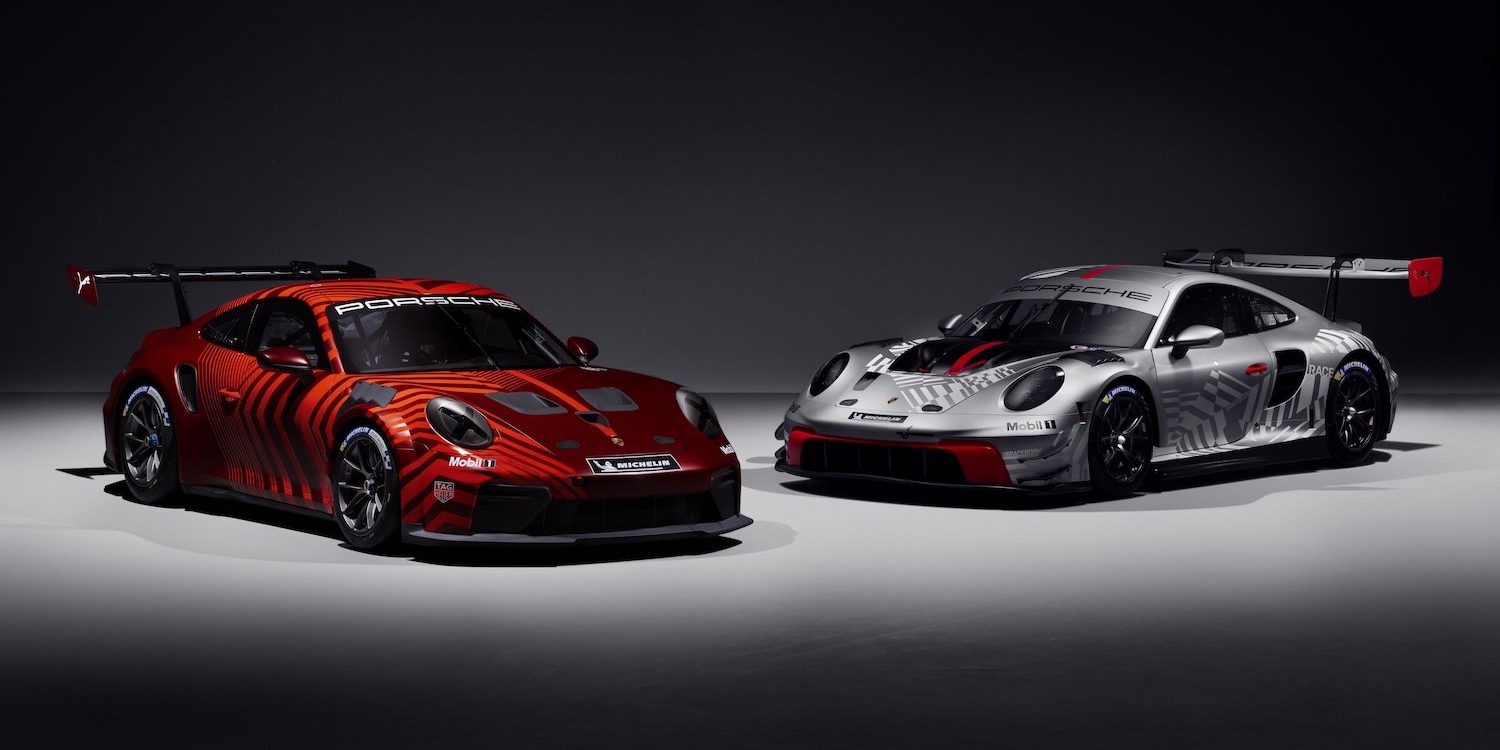
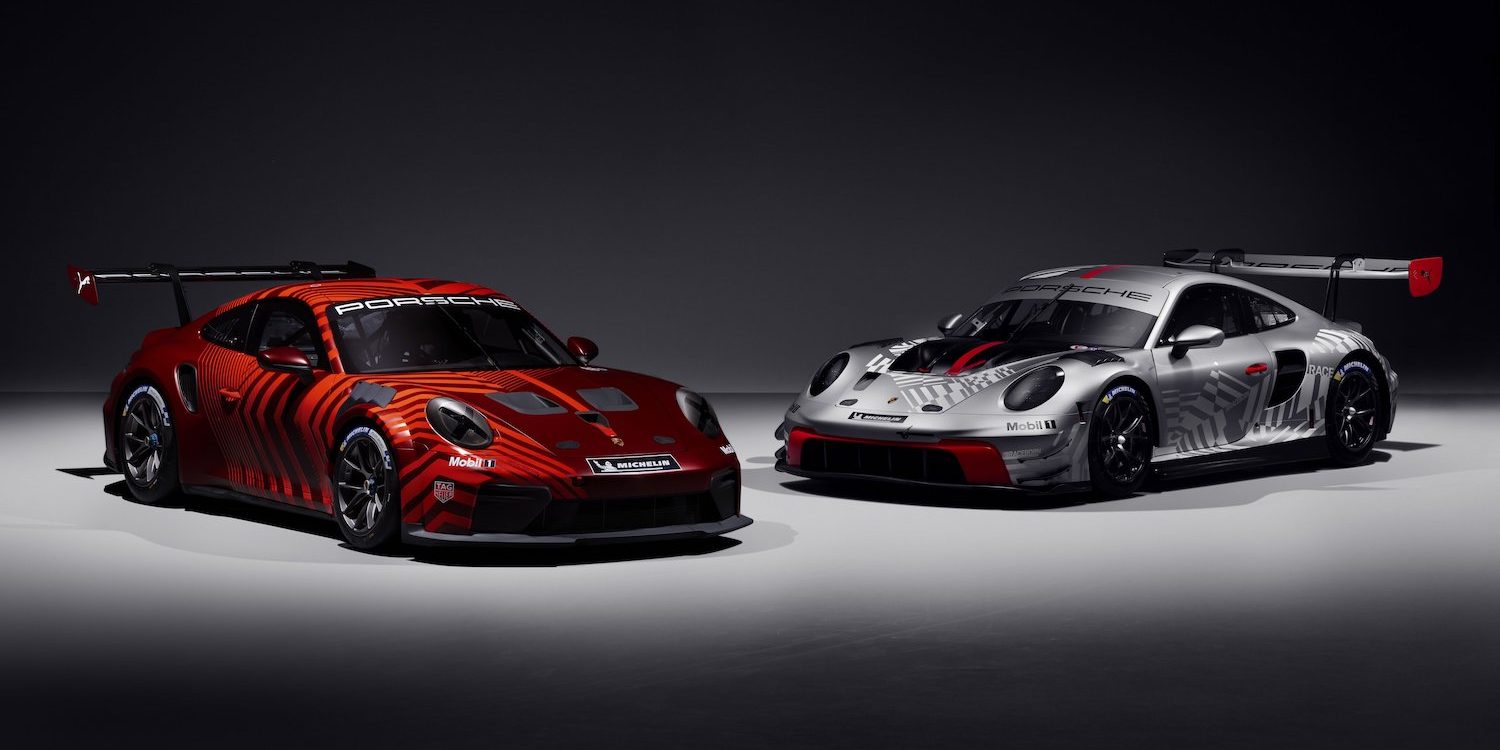
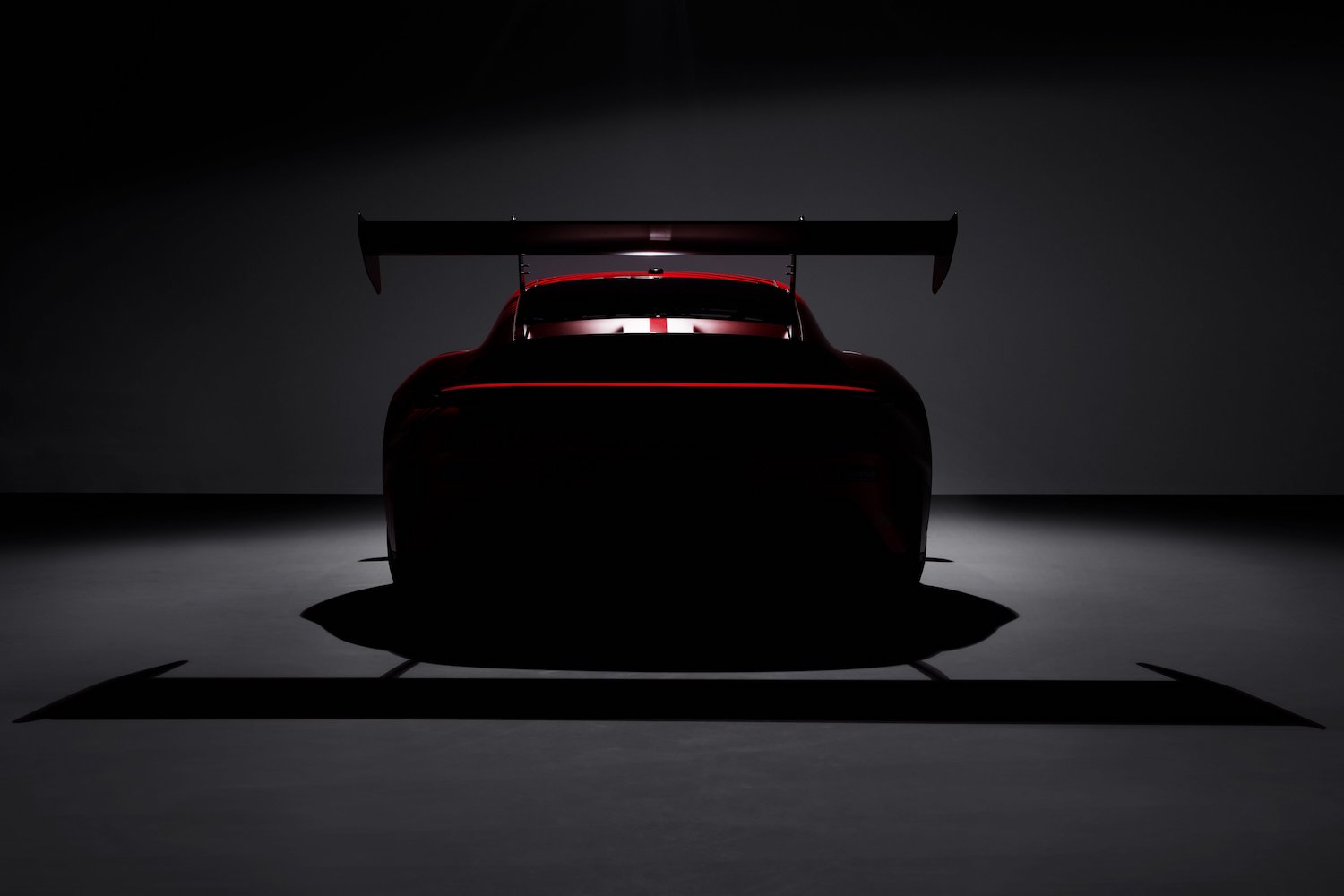
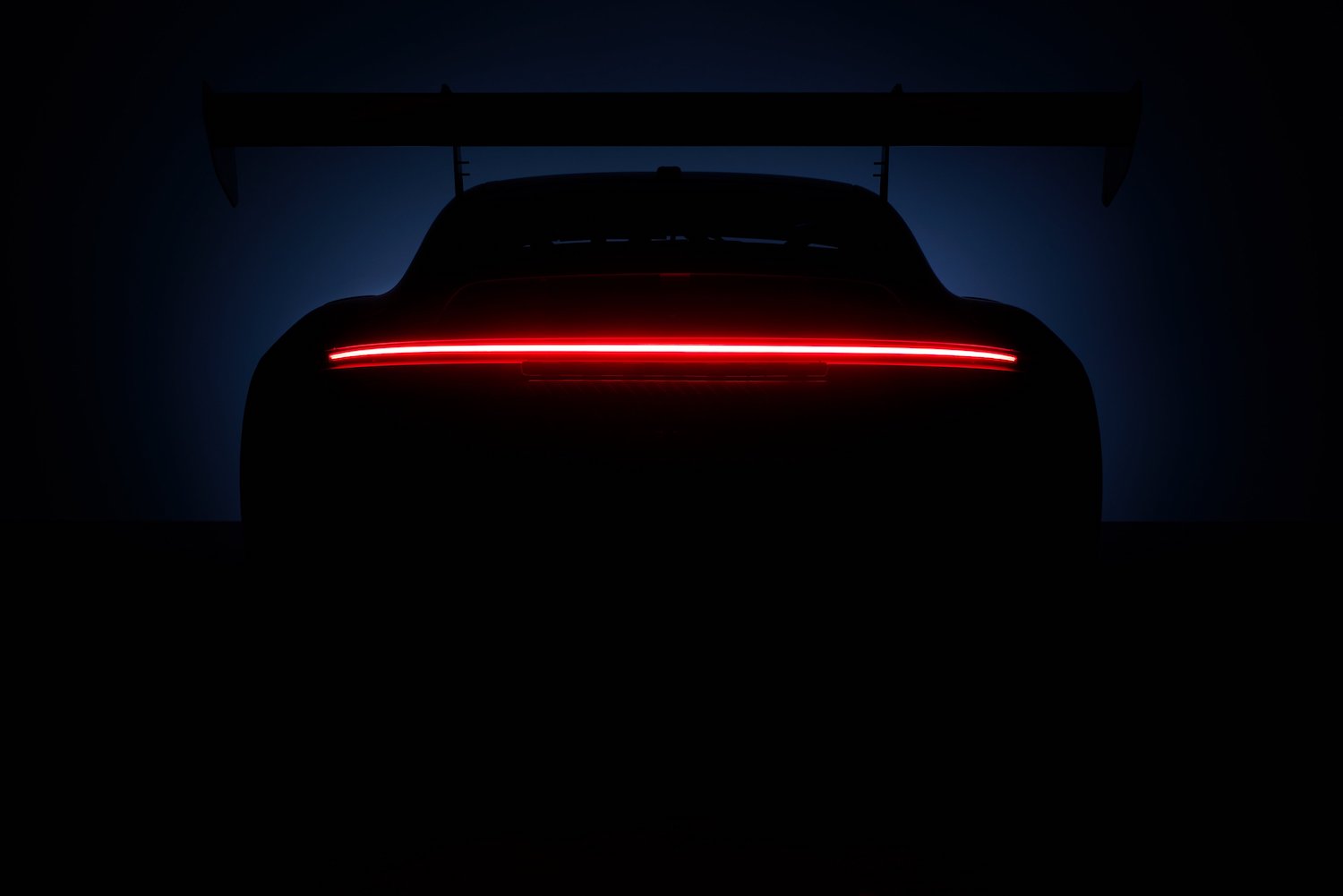
The new race car based on the 911 for Porsche’s one-make series is now officially called the 911 Cup. With this, the Stuttgart-based sports car manufacturer is streamlining and standardizing the naming of its customer racing vehicles. From now on, only cars intended for open-brand racing series or specific segments will carry the ‘GT’ suffix combined with a number in their designation, as is the case with the new evolution of the 911 GT3 R, which also makes its debut today. The one-make series 911 Cup is largely derived from the road-approved 911 GT models and is produced alongside the series-production cars at Porsche’s main plant in Zuffenhausen. Porsche Motorsport built 1,130 units of the current 911 GT3 Cup since production began at the end of 2020. That figure contributes to a grand total of 5,381 one-make 911 race cars since 1990.
“Like its successful predecessors, the new 911 Cup pushes boundaries. It combines standard production components from our GT sports cars with pure racing technology to create a coherent and performance-based overall concept,” Thomas Laudenbach, Vice President Porsche Motorsport said. “Driving the 911 Cup has always been regarded as a challenge. And we want to keep it that way because it also serves as the training platform for our Porsche Juniors. The success of this concept is evident in its countless race and championship victories.”
“The 911 Cup is one of the best selling race cars globally, forming the backbone of Porsche’s motorsport pyramid alongside the 718 GT4 RS Clubsport. Both are staples in one-make series and excel in endurance and open GT racing—thanks to their outstanding versatility,” said Volker Holzmeyer, Chief Executive Officer of Porsche Motorsport North America. Porsche one-make racing in the U.S. continues to grow, and the fact that the PMNA will be one of the few to introduce the successor in its first year reflects that momentum.”
Bodywork: adapted design, improved aerodynamics
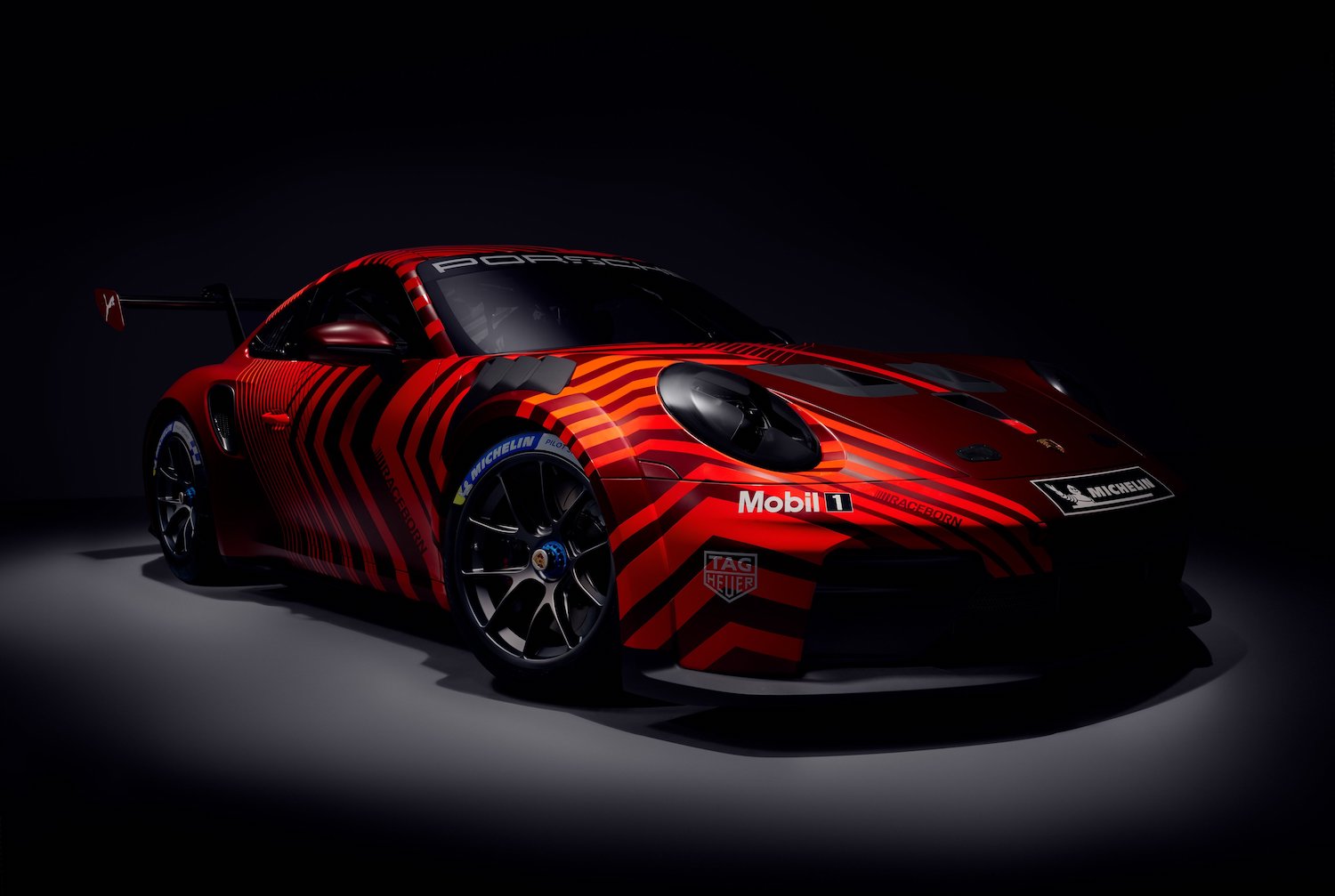
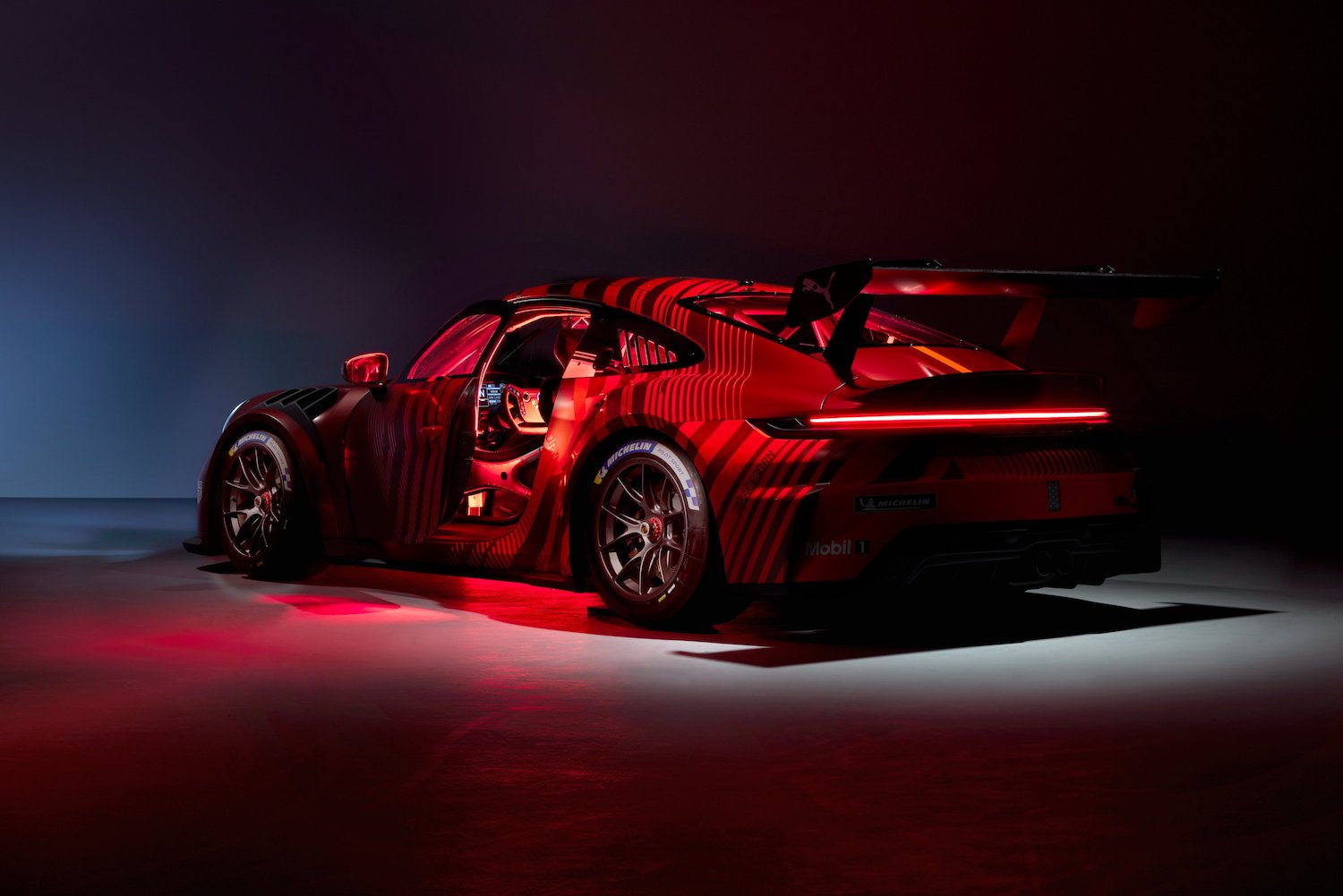
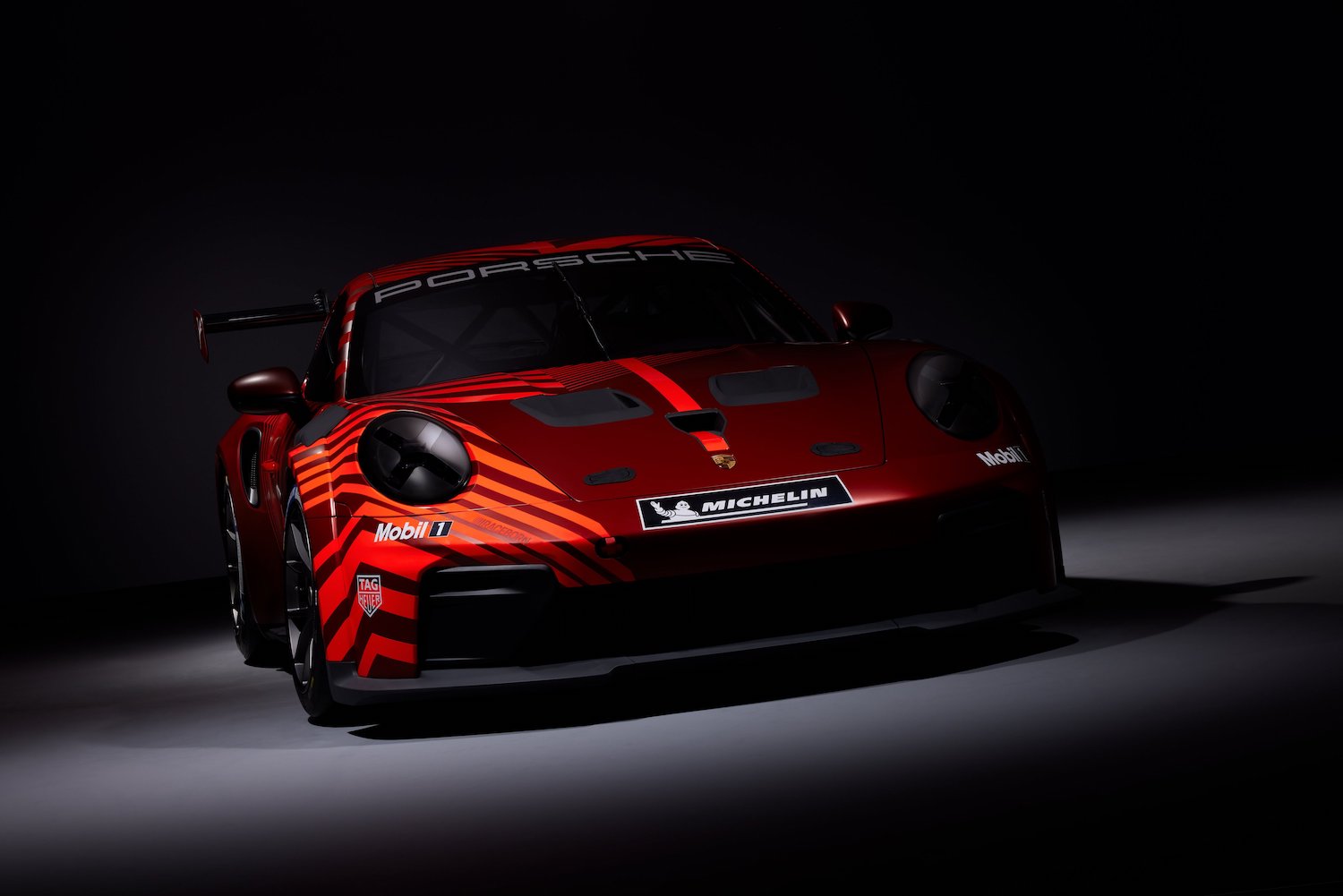
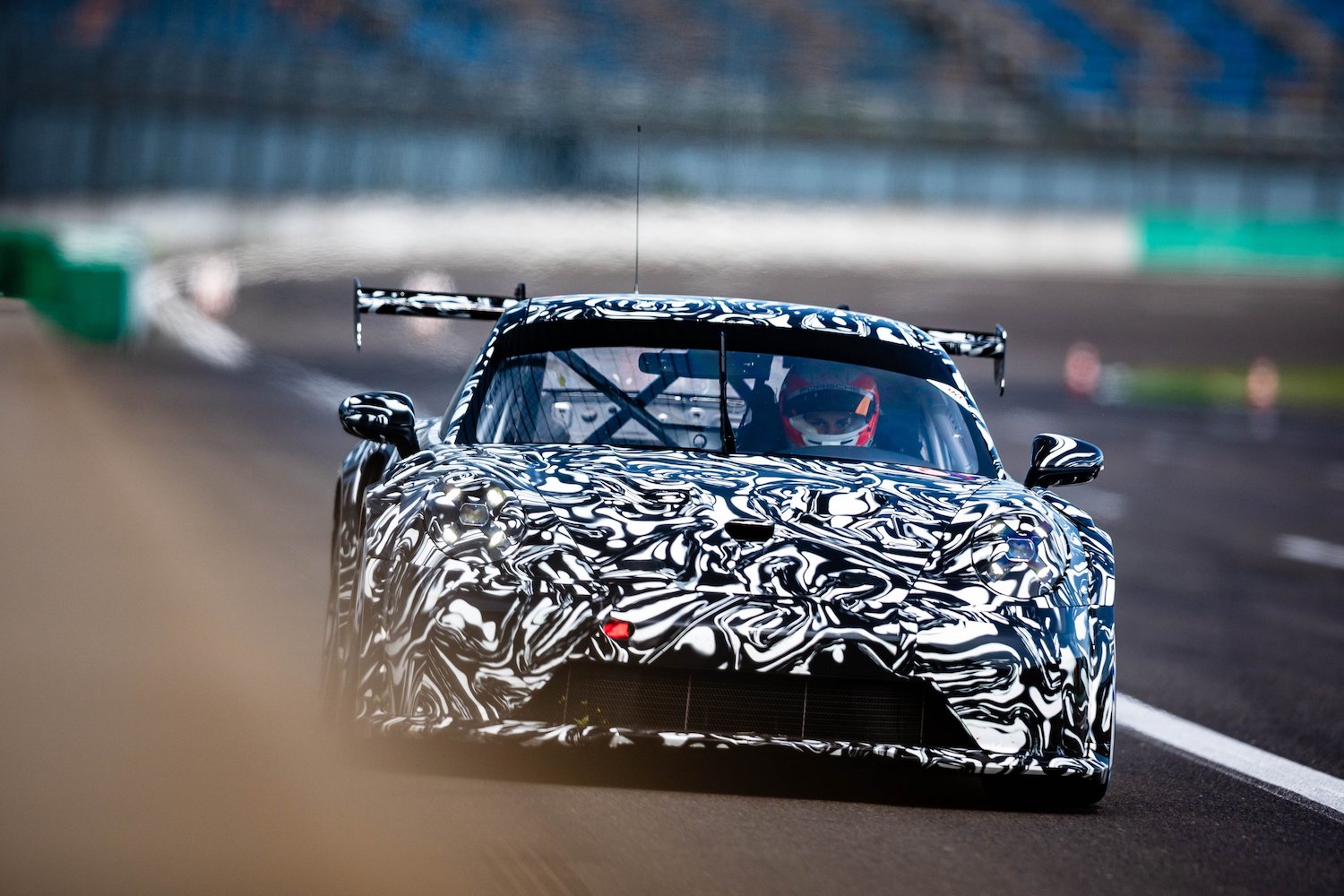
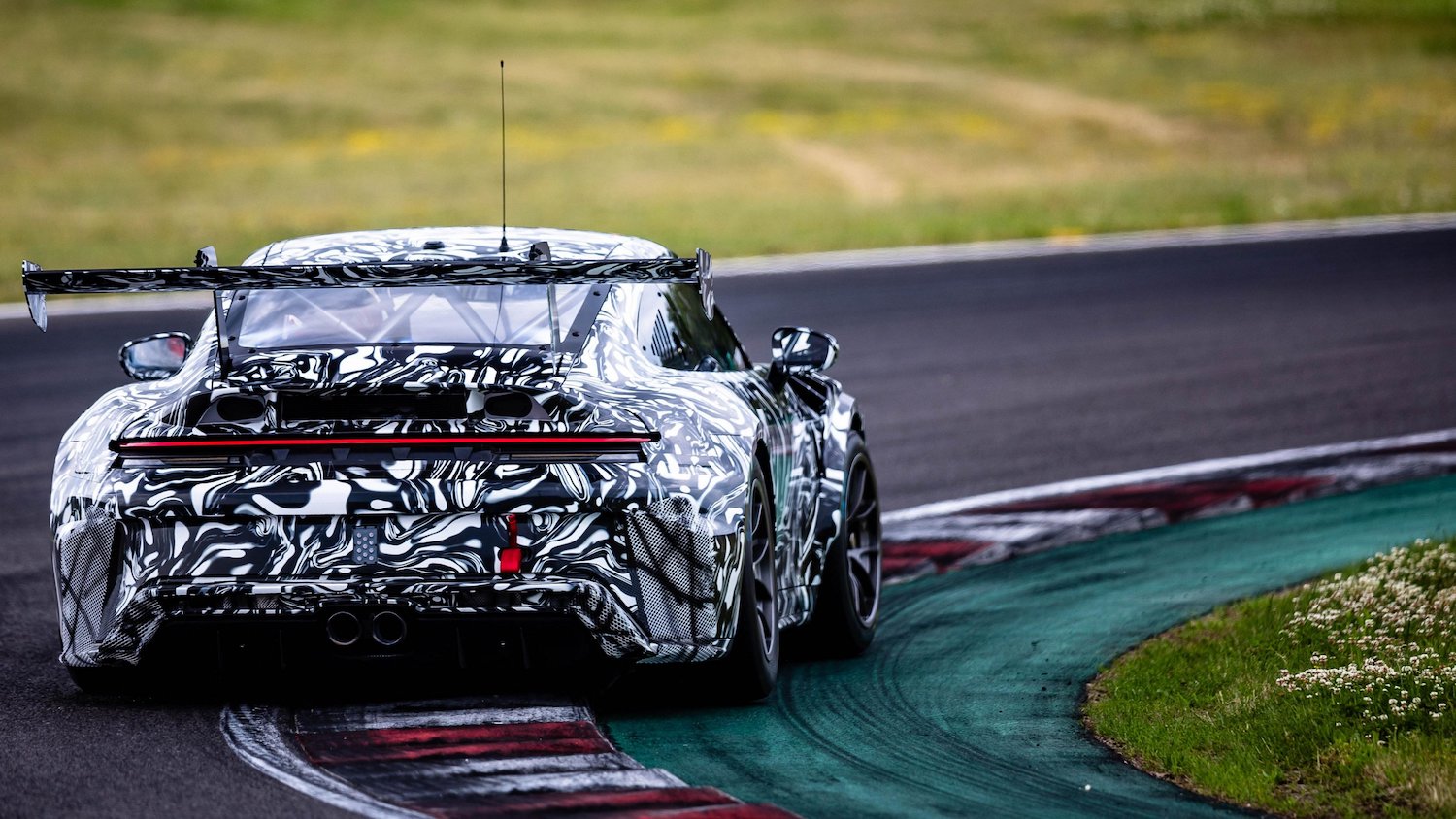
The 911 Cup already sets itself apart visually from its predecessor, most notably with a front end that now reflects the design of the 992.2-generation 911 GT3. The front spoiler lip is now made up of three separate parts, allowing only the damaged sections to be replaced after contact, which also helps lower packaging and shipping costs for spare parts. The removal of the daytime running lights serves a similar purpose: in the event of a collision, they can no longer damage the radiators behind them, nor do they require replacement afterwards.
The fenders feature integrated louver vents, which aid airflow through the wheel arches and enhance aerodynamic downforce on the front axle. The underbody is optimized with the same goal in mind. Vanes behind the front wheel arches contribute to improved airflow along the front end. Together, these elements create a more responsive front axle that allows the driver to position the race car with greater precision ahead of each corner, particularly at high speeds.
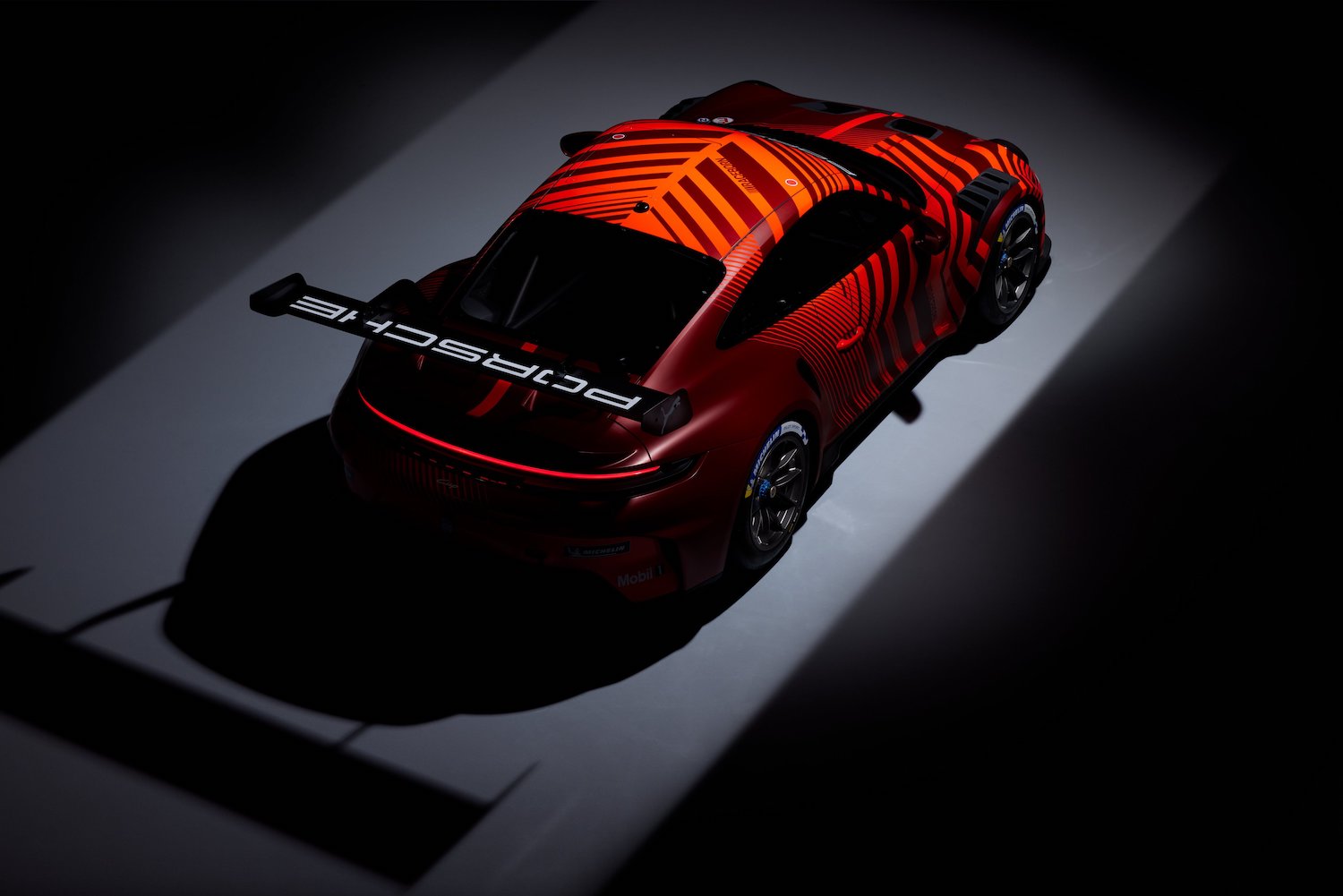
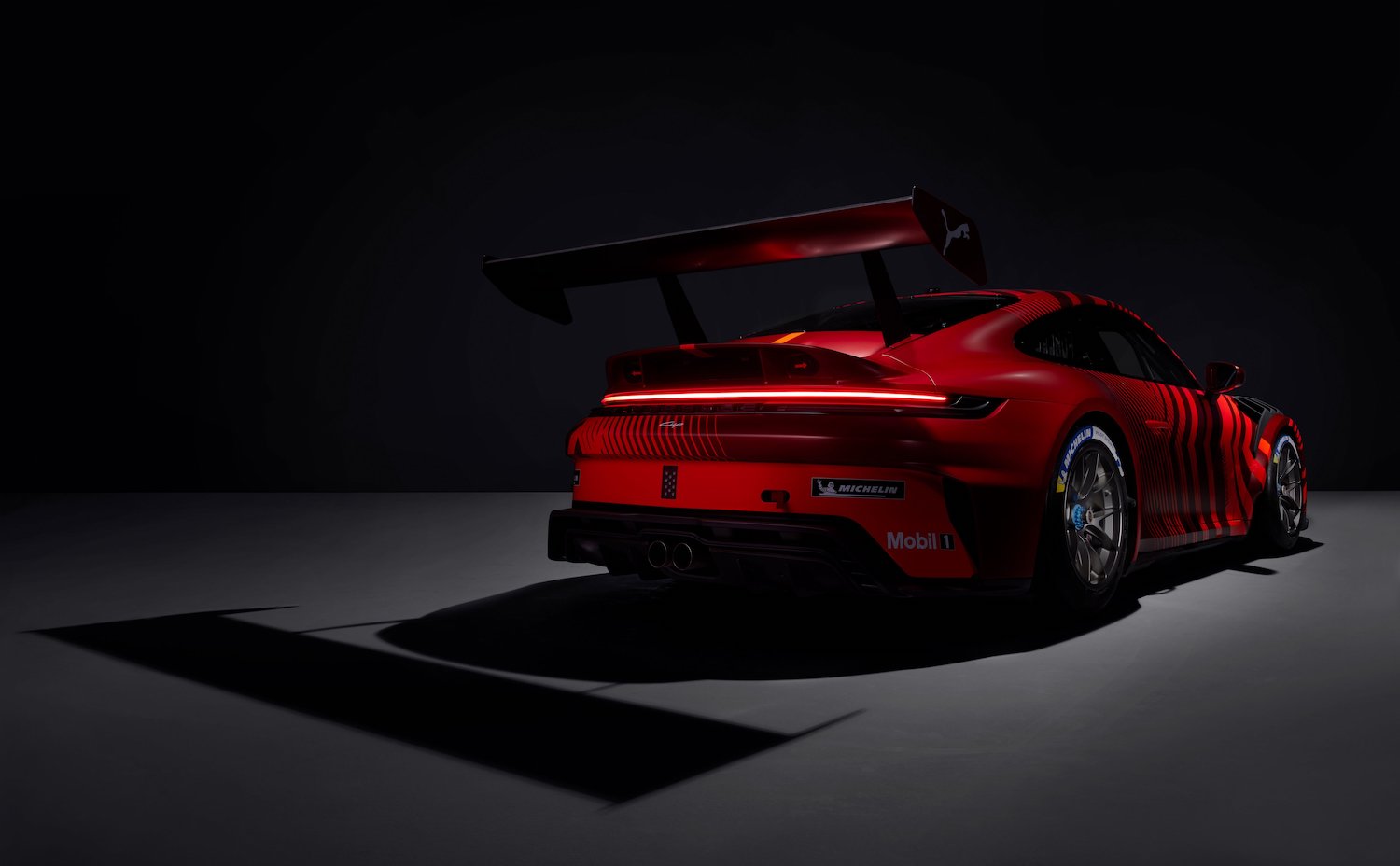
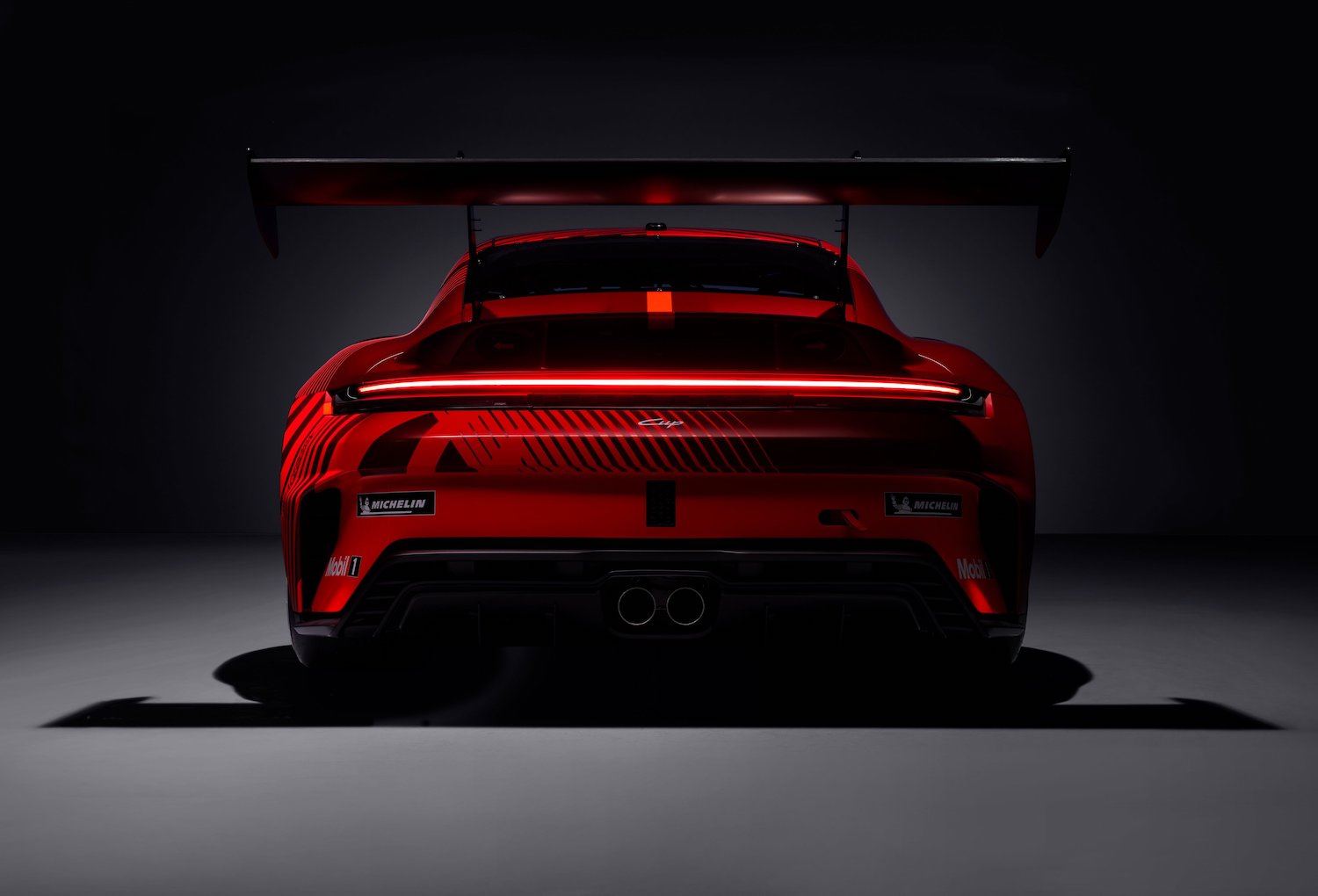
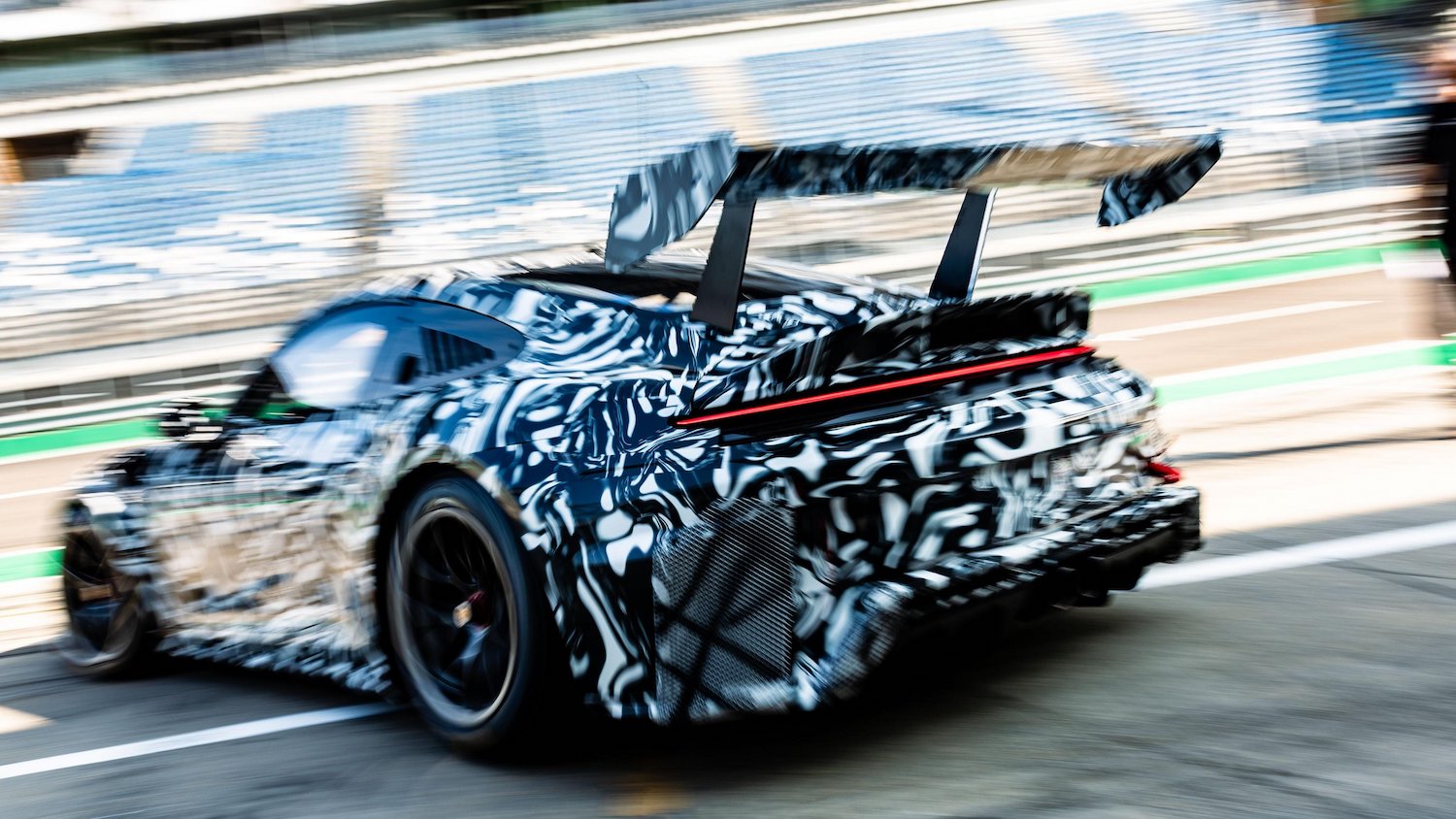
The rear end underwent a complete redesign with more aggressive styling. Revisions include updated connections between the swan-neck uprights and the wing that are meant to make position adjustments easier. The engine compartment cover has also been thoroughly reworked. Like almost all body components – including the doors – it is made from recycled carbon fiber fleece combined with bio-based epoxy resin. For example, off-cuts from other manufacturing processes are repurposed to produce the fleece, a measure that contributes, among other benefits, to stabilizing spare part pricing.
A racing engine even closer to the roadgoing 911 GT3 powerplant
The water-cooled, high-revving six-cylinder engine continues to be naturally aspirated. The visceral-sounding 4.0-liter boxer engine is still based on the unit used in the Porsche 911 GT3. In its latest racing version, now delivering 512 hp (382 kW), it incorporates additional components from the series production engine, including flow-optimized individual throttle valves and camshafts with extended valve opening times. This design eliminates the need for a centrally positioned throttle valve, which in turn allows for the installation of an air restrictor – a requirement for competing in other motor racing championships. The engine service life remains unchanged: it only requires an overhaul after 100 hours of track time. As has been true in the past, three different exhaust systems are available to comply with varying global noise requirements. The least restrictive of these has historically been used in North American competitions and continues to be the setup of choice.
A four-disc sintered metal racing clutch now handles power transmission to the sequential six-speed dog gearbox. This upgrade allows the engine speed, previously limited to 6,500 rpm during a standing start, to be increased, further enhancing the acoustic theatrics at the beginning of a race. An automatic engine restart function has also been introduced. This activates as soon as the driver depresses the clutch pedal after an accidental stall. Additionally, a new stroboscope function on the brake lights now alerts following drivers of a stalled vehicle, particularly during the start phase. This replaces the previous use of the hazard warning lights for this safety application.
Brakes: improved performance, extended lifespan
The braking system has undergone a comprehensive upgrade. The front axle now features 380-millimetre discs, with their cross-section increased from 32 to 35 millimeters. This change improves head dissipation by allowing larger cooling channels for self-ventilation. The background to this development: By relocating the central water cooler to the rear of the front trunk, cooling air can now be directed to the brakes through the central front section. Additionally, the outer diameter of the brake disc hat has been reduced, increasing the friction surface between the disc and brake pad. The wider brake pads offer improved braking and durability during long distance races.
Starting with this generation, Bosch M5 racing ABS is fitted as standard equipment to all 911 Cup cars. It features enhanced data processing capabilities to interpret input from a new acceleration sensor, which offers additional signal detection. The advanced software can also alert the driver in the event of a leak in either of the two brake circuits. Additionally, the brake fluid reservoir has been enlarged, making it suitable for long-distance racing.
Adjusted steering stops enable the electronically assisted power steering to achieve a tighter turning radius, making maneuvering through narrow street circuits easier. Steering lock is also increased to allow drivers to counteract oversteer in the 911 Cup more effectively than in preceding models.
Cockpit: simplified operation during racing and in the pits
The multi-function steering wheel is also new. It is redesigned to offer practical advantages and better overall quality. For example, central rotary controls are used to adjust ABS intervention and traction control. The newly designed color-illuminated control buttons make their respective labels easier to read.
The central control panel next to the seat remains easily accessible and operable for the driver, even during a race. It now features eight physical switches instead of 10. The button at the bottom-right opens an additional menu page on the display, enabling a wide range of settings to be adjusted by crew members from inside the car including pit lane speed, exhaust mapping, and steering angle reset. This removes the need to connect a laptop and simplifies vehicle operation for teams. Additional foam padding on the inside of the door crossbar offers extra protection for the driver’s arms, legs, and feet.
“The latest 911 Cup car is stronger, faster, and more practical, with refined cockpit ergonomics and updated electronics. It maintains — or even extends — service intervals despite enhanced performance, and incorporates recycled materials where suitable, Holzmeyer said. “Responding to customer demand, we’ve added a market-specific air conditioning system with three modes: ‘Off’, ‘On’, and ‘Eco’ mode — where the A/C is only active when the car is not under full throttle. All U.S. 911 Cup cars will come standard with this system. We can’t wait to see the new 911 Cup out on track in Porsche Carrera Cup North America for the 2026 season.”
Electronics: practical additional functions
The upgraded electronics in the new 911 Cup also contribute to improved drivability. The TPMS (Tire Pressure Monitoring System) now displays tire air temperatures on the central dashboard display. A significantly more powerful GPS antenna replaces the previous infrared system, taking over lap time and position tracking. Proven features from its big brother, the 911 GT3 R, have also been integrated, including lap time measurement for pit lane passages and the “pre-kill” function, which automatically switches off the engine once the car comes to a standstill during pit stops. Additionally, a new electronic monitoring system for the fire extinguisher release unit now checks the charge level of the self-contained nine-volt battery.
Real-world testing was conducted at Italy’s Grand Prix circuit in Monza, Italy, the Lausitzring in Brandenburg, Germany, and Porsche’s in-house track at the Weissach Development Center. Three former Porsche Juniors participated in the development process: Laurin Heinrich and Klaus Bachler, who are currently competing in IMSA GTD Pro, and Bastian Buus, all joined by seasoned racing driver Marco Seefried.
The Porsche 911 Cup is exclusively sold in U.S. by PMNA, the sole importer of Porsche Motorsport products in the region.
911 Cup Photo Gallery


Leave a Comment
More in News

How to Tell If Rust Will Fail Your MOT (and What a Repair Costs)

Why Your Car Clicks But Won’t Start (and What to Do)
Diesel Drivers Pay £31 More Per Tank Than a Year Ago, DESNZ Data Shows

Dodge Extends Durango Taillamp Warranty to Five Years, Unlimited Miles

Edinburgh Council Issued 40,945 LEZ Fines and Cancelled 2,773 After Driver Challenges
Trending on Motoring Chronicle

Understanding Car Engine Knocking: Causes & Fixes

Lamborghini Diablo: celebrating 35 years of an icon [Photo Gallery]
Chery Extends Seven-Year Warranty Cover to More Parts for All UK Owners
2027 Toyota bZ Woodland Arrives From $45,380 With Standard AWD
