What the New GOV.UK Wallet Means for Every UK Driver This Year


- A digital driving licence is rolling out through the GOV.UK Wallet app, with a public pilot expanded in February 2026 and a full rollout targeted for later this year.
- The digital version works alongside the physical photocard rather than replacing it, and the government has confirmed traditional plastic licences will stay available for drivers who want one.
- The app can prove identity, confirm age, and support car hire bookings, but police roadside checks and older systems that scan a physical card do not yet recognise it everywhere.
Your Licence Is About to Live on Your Phone, Whether You Asked for This or Not
A version of the UK driving licence built to sit inside a smartphone app is now moving from pilot to public rollout. The GOV.UK Wallet, run by the Department for Science, Innovation and Technology alongside the Government Digital Service, expanded its public pilot in February 2026 and is on track for a full national rollout this year. For most drivers this will not mean giving up the plastic card in their wallet. It means an additional way to prove who they are, sitting on a phone screen next to a bank card and a boarding pass.
The pitch from government is convenience: one app that can confirm identity, prove age in a shop or pub, support a car hire booking, and share a driving record with an employer or insurer, all without handing over a physical card. The practical reality for most drivers arrives more slowly and with more caveats than the pitch suggests.
What Actually Changes and When
Private testing with government staff began quietly in late 2025. The public pilot opened in February 2026 through the GOV.UK One Login app, giving an early wave of drivers access to a working digital licence months ahead of the wider public. A full rollout to the general driving population is targeted for later in 2026, though government digital projects on this scale have a track record of running behind their own timelines, and drivers should treat any single date as a target rather than a guarantee.
Crucially, the physical photocard licence is not being phased out on any confirmed schedule. Government guidance is explicit that traditional documents will remain available, and every UK government service is required to offer some form of digital option by the end of 2027 without that requirement forcing the removal of the paper or plastic alternative. Drivers who prefer to keep carrying a card, or who simply do not want another document tied to a phone battery, are not being pushed off that option any time soon.
Where the Digital Version Actually Helps
The clearest early use case is proving age and identity somewhere that already accepts digital ID, such as a shop checkout for an age-restricted purchase or an online age check that currently relies on scanning a physical card. The app is built to work using cryptographic signatures rather than a live internet connection at the moment of checking, so a phone with no signal in a shop basement or car park should, in principle, still be able to display and verify a valid licence.
Car hire desks and some insurers have been named as early adopters willing to accept the digital version for identity checks, which could remove one of the more tedious parts of collecting a rental car, standing at a counter while a photocard is scanned and photocopied. Whether every rental company and every insurer signs up at the same pace is a separate question, and a driver planning a trip that depends on the digital licence being accepted should confirm with that specific company first rather than assume universal acceptance from day one. A phone call or a quick check of the company’s own website before setting off removes the risk of arriving at a hire desk with a document the staff there have never been trained to accept.
Where It Falls Short for Now
Roadside checks are the biggest open question. Police officers are trained and equipped to check a physical photocard, and it is not yet clear how quickly every force will roll out the technology and training needed to verify a digital licence on the spot at a routine stop. A driver who has switched entirely to a phone-based licence and then finds an officer’s handheld reader cannot process it risks an awkward and time-consuming stop that a plastic card would have resolved in seconds.
A dead phone battery or a lost handset is the other obvious gap. The GOV.UK Wallet system stores licence data locally on the device using encrypted, offline-capable technology, which protects against a lost internet connection but does nothing for a phone that simply will not turn on. Until every checkpoint, every car rental desk, and every police force reaches full digital capability, carrying the physical card as a backup remains the safer habit rather than an outdated one.
What It Costs and Who Sees Your Data
Setting up the digital licence through the GOV.UK Wallet is free, with no subscription or one-off fee attached to using it in place of, or alongside, a physical card. The app is built around a facial recognition step similar to the verification used for contactless bank card payments, so a lost or stolen phone cannot be used to display a driver’s licence without also unlocking the device itself and passing that check.
Data protection groups have asked pointed questions about how licence information is stored and shared once it moves onto a phone rather than staying on a single government-issued card, and about what happens to that data if a shop, bar, or rental company scans it for an age or identity check. Government guidance states the app shares only the specific piece of information a checkpoint needs, such as confirming a driver is over 18 without revealing a full date of birth, rather than handing over the entire licence record for every check. Drivers who want more detail on exactly what gets shared and stored can find a full breakdown in the privacy section of the GOV.UK Wallet guidance before signing up.
What Drivers Should Do Right Now
Signing up for the GOV.UK One Login app ahead of the full rollout lets a driver see how the system works before it becomes the default option, without giving up the physical card in the meantime. Keeping the plastic photocard current and in the wallet alongside a phone remains the sensible approach through this transition period, treating the digital licence as an extra convenience layered on top of an existing document rather than its replacement. Drivers who let their photocard expire on the assumption that a phone app now covers every situation could find themselves without a valid document the moment a checkpoint or a form of enforcement still only recognises the card. Drivers renewing a licence, reporting a change of address, or applying for one for the first time should check the current GOV.UK guidance directly. The rollout timeline and which services accept the digital version are both likely to keep shifting over the coming months.
Sources:

Leave a Comment
More in News

How to Free a Frozen Handbrake (and What a New Cable Costs)

What Winter Tyres Actually Do for UK Drivers (and Whether You Need Them)
Renewing Car Insurance on the Day Cover Ends Costs Drivers £331 More, MoneySupermarket Shows

Every Driver Faces £500 Seatbelt Fines as AI Cameras Flag 19,145 Possible Offences

How to Remove Moisture From Inside Your Headlight Before It Costs You £500
Trending on Motoring Chronicle
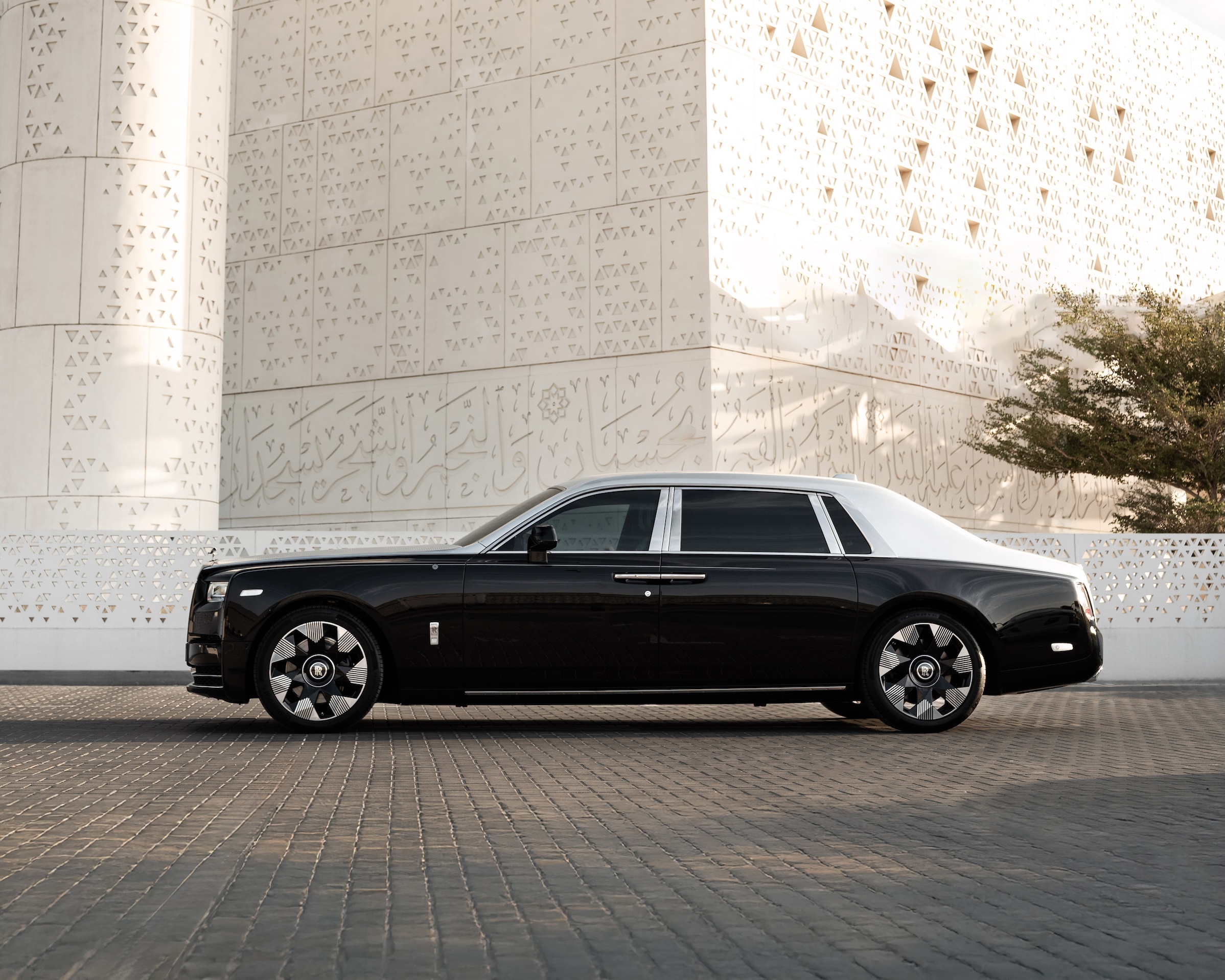
Rolls-Royce Phantom Arabesque: World’s first laser-engraved bonnet honours Middle East’s architectural heritage

2027 Toyota GR86 Gains Sharper Throttle and New Thunder Color for Summer 2026 Arrival

GM opens new UK advanced design studio, showcases Corvette-inspired concept car [Photo Gallery]

All-new 2026 Dodge Charger Scat Pack Drops the Hammer With 550 Horsepower [Photo Gallery]