
Public EV Charging Now Averages 49 Cents a kWh as Seven States Top 50 Cents
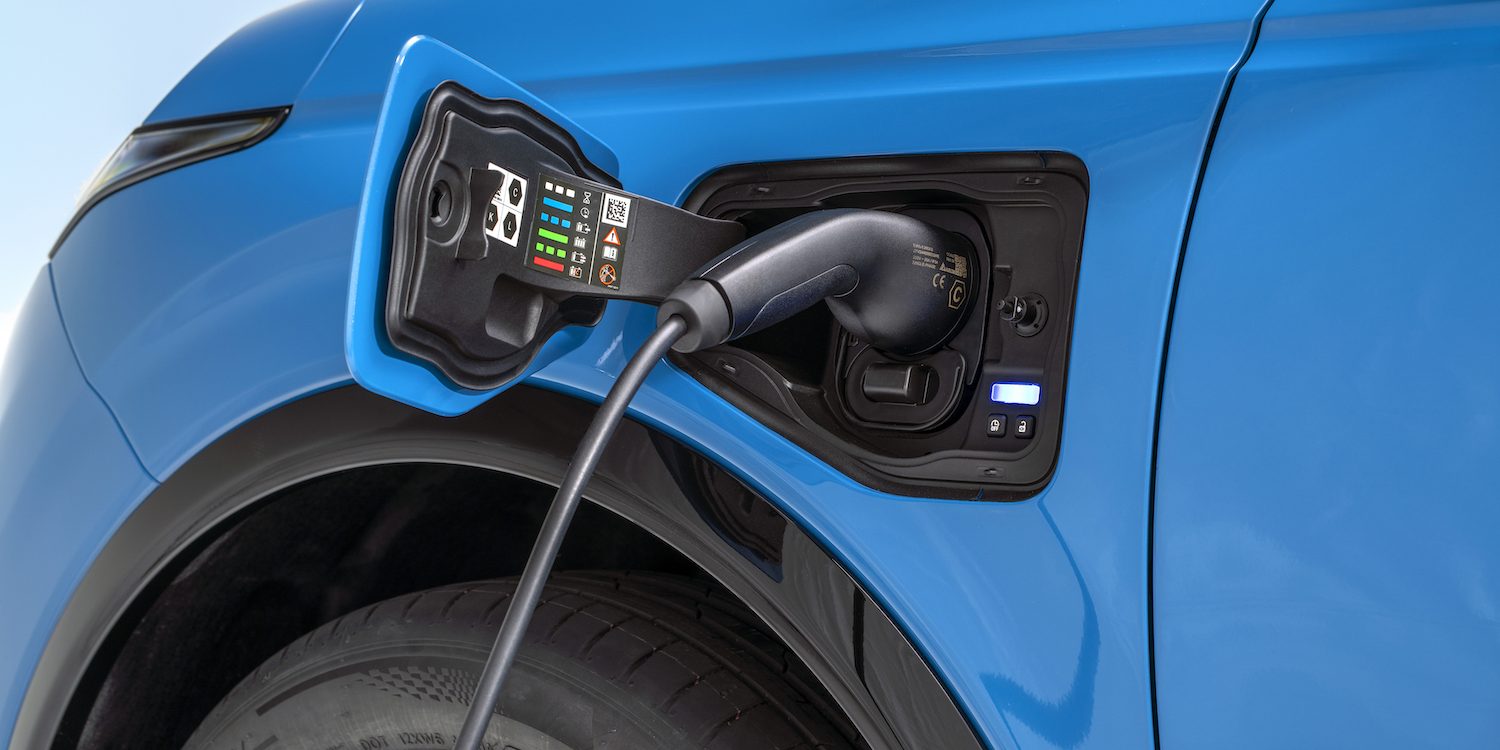
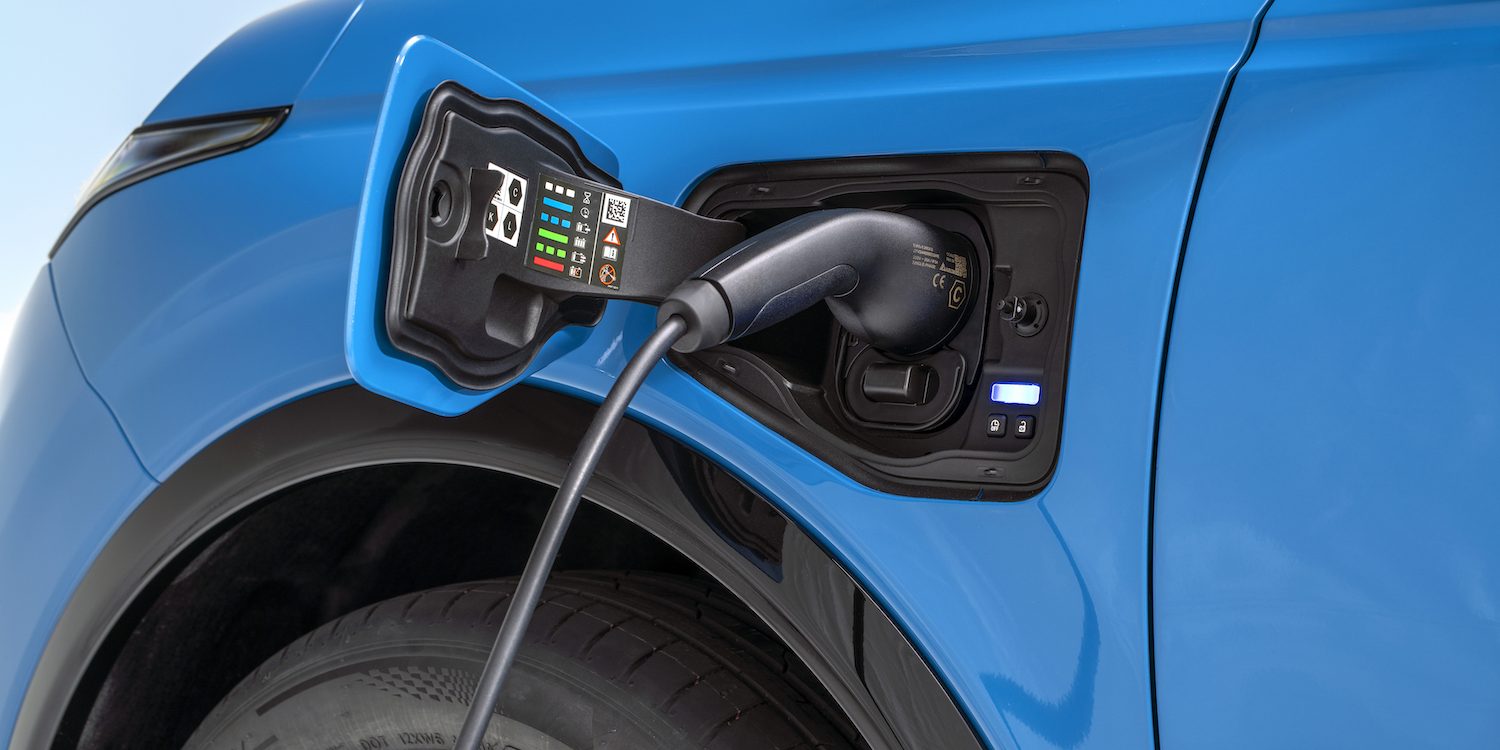
The promise of electric driving was cheap fuel, and for the millions who charge at home it still is. But for drivers who rely on public charging stations, the cost gap is narrowing fast. The national average price for public DC fast charging has reached about 49 cents per kilowatt hour heading into 2026, and the number of states where the average tops 50 cents has jumped from three at the end of last year to seven. At those rates a single fast charge can cost $32 to $51, a figure that surprises new owners who expected to leave gas station prices behind. Here is what public charging really costs now, why it is climbing, and how to keep your bills closer to the home charging dream.
What Public Charging Costs in 2026
There are two kinds of public charging and the price gap between them is large. Level 2 stations, the slower units you find at shopping centers, hotels, and workplaces, typically run 20 to 30 cents per kilowatt hour. DC fast charging, the high power stations built for quick top ups on road trips, costs far more, generally 43 to 68 cents per kilowatt hour in 2026, with the national average around 49 cents. In the most expensive markets the numbers climb higher still, with Hawaii reaching up to 85 cents per kilowatt hour.
Translate that into a real charging session and the impact is clear. Filling a typical EV battery at a fast charger can cost $32 to $51, compared with roughly $9 to $12 for the same energy at home. The number of states with average prices above 50 cents per kilowatt hour rose from three at the close of last year to seven by the second quarter of this year, a sign that public charging is getting more expensive rather than cheaper as the network grows.
The contrast with home charging is the whole story. Residential electricity in the United States generally runs between 16 and 17.5 cents per kilowatt hour, and the average monthly home charging cost sits around $63. A driver who does most of their charging in the driveway pays a fraction of what a driver who depends on fast chargers pays for the same miles. The cheap fuel argument for going electric holds up strongly for home chargers and far less so for anyone leaning on the public network.
Why Fast Charging Costs So Much More
Fast charging is expensive for reasons that are built into how it works. DC fast chargers draw enormous power, and utilities often bill commercial sites a demand charge based on the highest power they pull in a billing period, not just the total energy used. A station that delivers a 350 kilowatt burst pays steeply for that capacity even if it sits idle much of the day, and those costs flow into the per kilowatt hour price drivers see. The hardware itself is costly to install and maintain, and operators need to recover that investment.
Electricity prices overall have been rising too, driven by grid upgrades, fuel costs, and surging demand from data centers and electrification. As wholesale and residential rates climb, public charging follows. Pricing also varies enormously by operator and location, so two stations on the same highway can charge very different rates, and some add idle fees or session fees on top of the per kilowatt hour price. Membership plans from the major networks can cut the rate, but only if you charge often enough on that network to justify the subscription.
Charging speed adds a hidden cost too. Fast chargers deliver their highest power when the battery is below about 80 percent full, then slow sharply to protect the cells. That means the last stretch of a charge takes longer and delivers fewer miles per minute, so a driver who fills to 100 percent at a fast charger pays premium rates for the slowest part of the session. Cold weather compounds the issue, because a cold battery accepts power more slowly, stretching out the time and the cost. None of this applies at home, where you simply leave the car plugged in overnight and pay the low residential rate regardless of speed.
Who Is Most Affected
The drivers who feel this most are the ones without a home charging setup. Apartment dwellers, renters, and anyone without a driveway or garage often have no choice but to rely on public charging for most of their miles, which means they pay the highest rates while home charging owners pay the lowest. This split has become one of the central fairness questions in electric driving, because the savings that make EVs attractive depend heavily on where you can plug in.
Road trippers are the other group hit hard. Long distance EV travel depends on fast chargers, so a driver who charges cheaply at home all year can still face the higher rates the moment they leave on vacation. For a summer road trip across several states, the fast charging bill can rival what a comparable gas car would spend on fuel, especially in the seven states where averages now top 50 cents per kilowatt hour. That is worth budgeting for before you set off rather than discovering at the first charging stop.
The savings gap also depends on your car’s efficiency. An efficient EV that travels four miles on a kilowatt hour costs far less per mile to fast charge than a heavy truck or SUV that manages two miles per kilowatt hour, so two electric drivers at the same station can pay very different amounts to cover the same distance. Buyers who expect to lean on public charging should weigh efficiency more heavily, because it directly determines how much those 49 cent and higher rates sting on every trip. The same logic explains why home charging owners barely notice public rate rises while public dependent drivers feel every increase.
How to Keep Your Charging Costs Down
The single biggest lever is to charge at home whenever you can. If you have access to a driveway or garage, a Level 2 home charger lets you fill up at residential rates that are a fraction of public fast charging prices, and charging overnight on a time of use electricity plan can push the cost lower still. For most owners, doing 80 to 90 percent of charging at home is what makes the running cost math work in an EV’s favor.
Many utilities offer special EV rate plans that drop the overnight price well below the standard residential rate, sometimes to single digit cents per kilowatt hour, in exchange for charging during off peak hours when grid demand is low. It is worth calling your electricity provider to ask whether such a plan exists in your area, because the savings over a year can be substantial for a household that charges nightly. Free charging is also more common than many owners realize, with some workplaces, shopping centers, and hotels offering complimentary Level 2 charging that can cover a meaningful share of routine miles at no cost at all.
When you do charge in public, favor Level 2 stations for routine top ups and save fast charging for when you actually need speed, since the slower units cost roughly half as much per kilowatt hour. Use a charging app to compare prices between nearby stations before you plug in, because rates differ widely by operator. If you regularly use one network, check whether its membership plan lowers the rate enough to pay for itself. Avoid idle fees by moving your car promptly once it finishes, and try not to fast charge past 80 percent, where charging slows and you pay premium rates for the slowest, least efficient part of the session.
Finally, factor public charging realistically into any EV buying decision. If you can charge at home, the savings over gasoline remain substantial and the rising public rates barely touch you. If you cannot, run the numbers using fast charging prices in your state rather than the home charging figure, because that is what you will actually pay. The electric car can still come out ahead, but the gap is smaller than the headline savings suggest for drivers who live at the mercy of the public network.
Sources:
- https://driveauthority.com/public-ev-charging-cost/
- https://stable.auto/insights/electric-vehicle-charger-price-by-state
- https://recharged.com/articles/electrify-america-charging-cost-per-kwh/

Leave a Comment
More in News

Windscreen Repairs Now Cost £283 on Average as ABI Reports Record £3.2bn Motor Payouts

What a Dangerous MOT Fail Means (and Whether You Can Drive Home)

2027 Jeep Gladiator Adds Sport S Trim and Factory 35-Inch Tire Package

Used Cars Under £5,000 Lost 3.4% of Value in August, Cap HPI Data Shows

Kia Keeps 2027 EV6 Pricing at $37,900 Across Seven Trims
Trending on Motoring Chronicle

Why Driving Test Wait Times Are Still 22 Weeks Despite Army Examiners Being Drafted In

Dodge Extends Durango Taillamp Warranty to Five Years, Unlimited Miles
How California’s New Car-Buying Law Ends Hidden Dealer Fees Starting in October

Bugatti at the I.C.E. ST. Moritz: an artistic symphony of sophistication, elegance and performance [Photo Gallery]
