Porsche Tells Owners of 548 911 and Cayman Models Not to Drive


- Porsche is telling owners of 548 high-performance 911 and 718 models built in 2024 to stop driving immediately, warning that a center-lock wheel bolt can fracture and let a wheel detach.
- The recall, campaign number 26V682000, covers specific 911 Turbo, 911 Turbo S, 911 GT3, 911 GT3 RS, 911 Carrera GTS, 911 S/T, 718 Cayman GT4 RS, and 718 Spyder RS models.
- The fault expands on a 2024 recall of 1,851 similar Porsches, when the same center-lock fastener design first failed under the torque these wheels require.
A Single Bolt Holds Each Wheel On, and That’s the Problem
Porsche filed a new recall with NHTSA this month, campaign number 26V682000, covering 548 of its fastest road cars. The affected list reads like a track-day wish list: the 911 Turbo, 911 Turbo S, 911 S/T, 911 GT3, 911 GT3 RS, and 911 Carrera GTS, plus the 718 Cayman GT4 RS and 718 Spyder RS, all from the 2024 model year. Porsche’s instruction to owners goes further than a typical recall notice. The company has told owners not to drive the cars at all until a dealer completes the repair, one of the strongest warnings NHTSA tracks under its “do not drive” classification.
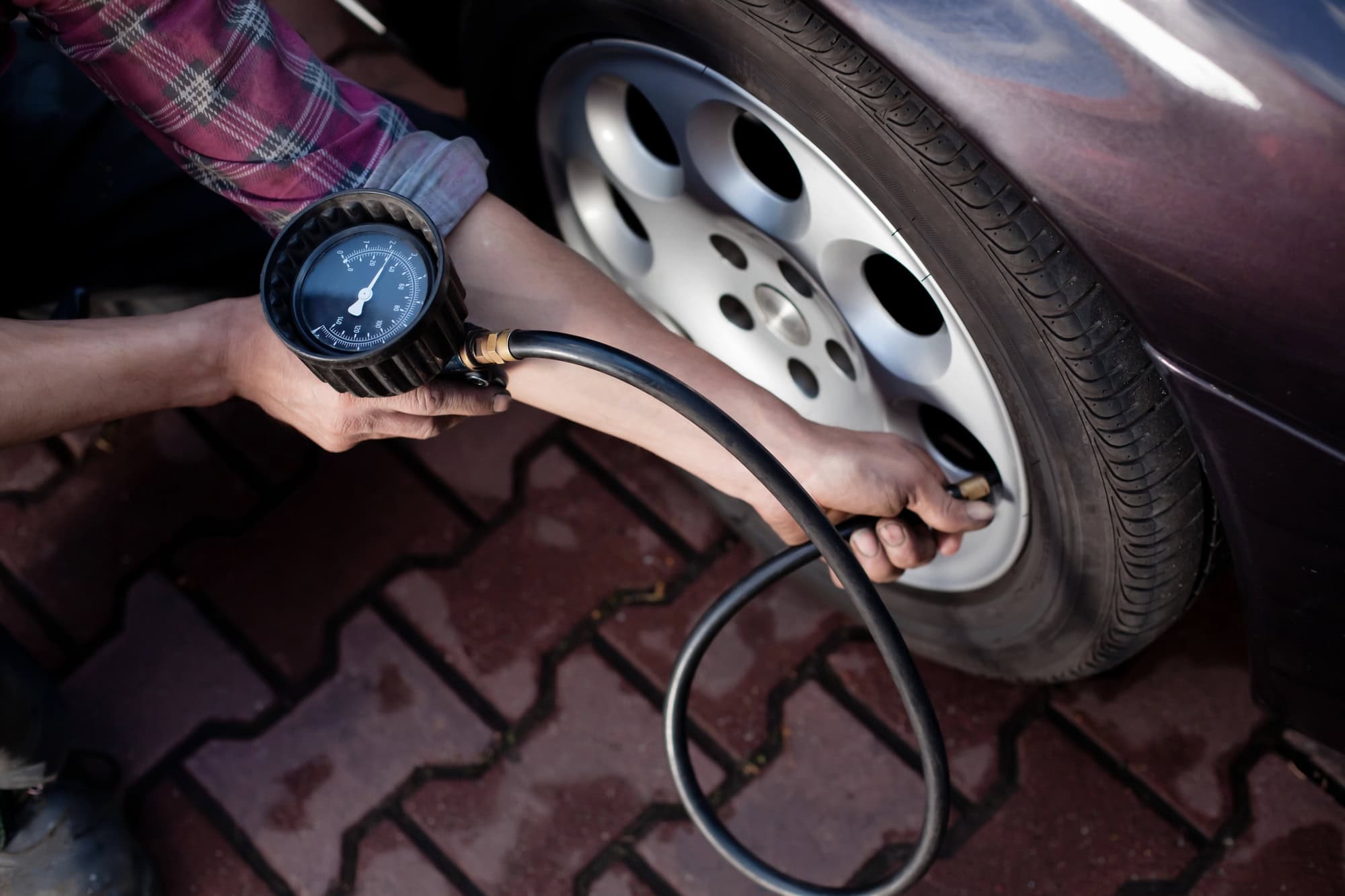
The cause traces back to the center-lock wheel system fitted to these performance models. Unlike a standard wheel, which bolts on with four or five separate lug fasteners spread around the hub, a center-lock wheel attaches with a single large fastener running through the middle of the wheel. Porsche’s recall paperwork states that fastener can fracture, and once it does, nothing else holds the wheel to the hub.
Why a Single Fastener Carries So Much Risk
Center-lock wheels exist for a reason rooted in motorsport. Changing a wheel with a single large fastener takes seconds in a pit stop, versus the longer process of removing four or five smaller lug bolts, which is why Porsche fits the system to its most track-focused road cars rather than the standard Cayenne or Macan. The tradeoff is that a center-lock design puts all the clamping force through one part instead of spreading it across several. If that single fastener fails, there is no backup holding the wheel in place, unlike a standard lug setup where a car can often limp along even after one bolt loosens.
Torquing a center-lock fastener correctly is also far more demanding than tightening ordinary lug bolts. A standard 911 lug bolt calls for roughly 118 foot-pounds of torque. A center-lock fastener calls for about 443 foot-pounds, applied through a procedure that includes a partial back-off and re-torque with the brake pedal held down to keep the hub from spinning. Getting that sequence wrong even slightly can leave a fastener under more stress than it was built to handle, and Porsche’s recall filing points to exactly that kind of fastener fracture as the root defect.
Why This Recall Keeps Expanding
This is not the first time Porsche has recalled cars over this exact failure. In October 2024, the company recalled 1,851 vehicles, including 2024 911 models and the 718 Spyder RS and GT4 RS, after owners reported several incidents tied to center-lock fractures between September and mid-October of that year. That earlier campaign, numbered 24V809000, covered 911s built between September 2023 and October 2024, along with 718s built between October 2023 and April 2024. Porsche’s remedy at the time was to inspect and replace affected fasteners at no cost.
The new 548-vehicle campaign builds directly on that 2024 fix, which points to a batch of defective fasteners that slipped past Porsche’s first repair effort. The defective parts were not installed in a clean, sequential run of VINs, according to Porsche’s filing, so dealers cannot simply look at a build date range and assume every car in it is safe. Each VIN has to be checked individually against Porsche’s recall database, a slower process than a typical recall that covers every car built within a fixed window.
What “Do Not Drive” Actually Means for Owners
NHTSA reserves its “do not drive” language for defects where continued use poses an immediate risk rather than a long-term wear issue. In this case, that means parking the car and arranging transport to a dealer rather than driving it there under its own power, even for a short trip. Porsche has said it plans to contact owners directly, and the company’s customer service line, 1-800-767-7243, can confirm whether a specific VIN falls under the new campaign ahead of that direct contact arriving by mail.
Several owners of these models carry them on specialty insurance policies written for low-mileage collector cars rather than standard auto coverage. Those policies often require the insurer to approve any transport arrangement in advance, so owners should call their insurance provider before booking a flatbed tow, both to confirm coverage for the move and to avoid a dispute over a claim later if anything happens to the car in transit.
How Rare a “Do Not Drive” Order Really Is
NHTSA does not hand out “do not drive” language lightly. The agency’s recall database shows the warning attached to only a small share of the roughly 900 recall campaigns filed in a typical year, reserved for defects where a failure can happen without warning and without giving the driver time to react. A worn brake pad gives a driver a squeal and a soft pedal before it fails outright. A wheel bolt under 443 foot-pounds of torque gives no such notice. One week it holds, and the next it does not, which is the reasoning behind treating this recall differently from an ordinary parts-replacement notice.
That same reasoning explains why Subaru received the identical classification this month for a smaller recall covering just eight 2026 Crosstrek and Forester models over a loose front suspension ball joint, and why Porsche itself used the same language in October 2024 the first time this fastener problem surfaced. The common thread across all three is a part that holds a wheel on the car, where a sudden failure leaves the driver with no gradual warning and no safe way to pull over before it happens. Regulators treat that specific failure mode, a wheel coming loose at speed, as among the most dangerous categories a passenger vehicle can carry, ranking it alongside brake failure and steering loss in severity even when the number of affected cars stays small.
The Cost of Getting This Wrong
A full set of center-lock wheels and fasteners for a 911 GT3 or Turbo S runs into the thousands of dollars at retail, and that is before counting the cost of a flatbed tow for a car that cannot simply be driven to a shop. Specialty car transport companies that handle exotic and collector vehicles typically charge several hundred dollars for a local tow, a cost Porsche has not said whether it will reimburse for owners caught by this recall. Owners should ask their dealer directly whether Porsche covers transport costs tied to the recall before booking a flatbed out of pocket. Reimbursement policies can vary by region and by dealer.
What To Do Right Now
Owners of a 2024 911 Turbo, 911 Turbo S, 911 S/T, 911 GT3, 911 GT3 RS, 911 Carrera GTS, 718 Cayman GT4 RS, or 718 Spyder RS should check their VIN at nhtsa.gov/recalls today, rather than wait for Porsche’s letter to arrive. Owner notification letters are expected by December 15. If a VIN comes back flagged, the car should stay parked until a dealer has inspected and, where needed, replaced the center-lock fasteners, a repair Porsche is covering at no cost.
Owners whose VINs fall outside the new 548-car list, but who drive a 2024 911 or 718 with center-lock wheels, can still ask their dealer to inspect the fasteners as a precaution given how closely this campaign tracks the 2024 recall covering similar build dates. A short inspection costs little next to the alternative of a wheel separating from a car capable of well over 150 miles an hour.
Want more car content? Add us as a preferred source on Google to your favourites list for the best automotive news and analysis on the internet.
If you enjoyed this article, be sure to follow us on Microsoft Start.
Sources:

Leave a Comment
More in News

What a Flashing Glow Plug Light Means Before Your Diesel Refuses to Start

How Car Insurance Rates Compare by State as Rises Loom in 32 States

Why 9,048 Audi EV Owners Are Being Told to Stop Charging Past 80 Percent
California Gas Prices Hit $6.02 a Gallon as the National Average Tops $4.29

Changan Deepal S05 Ultra PHEV Arrives in the UK from £32,990
Trending on Motoring Chronicle
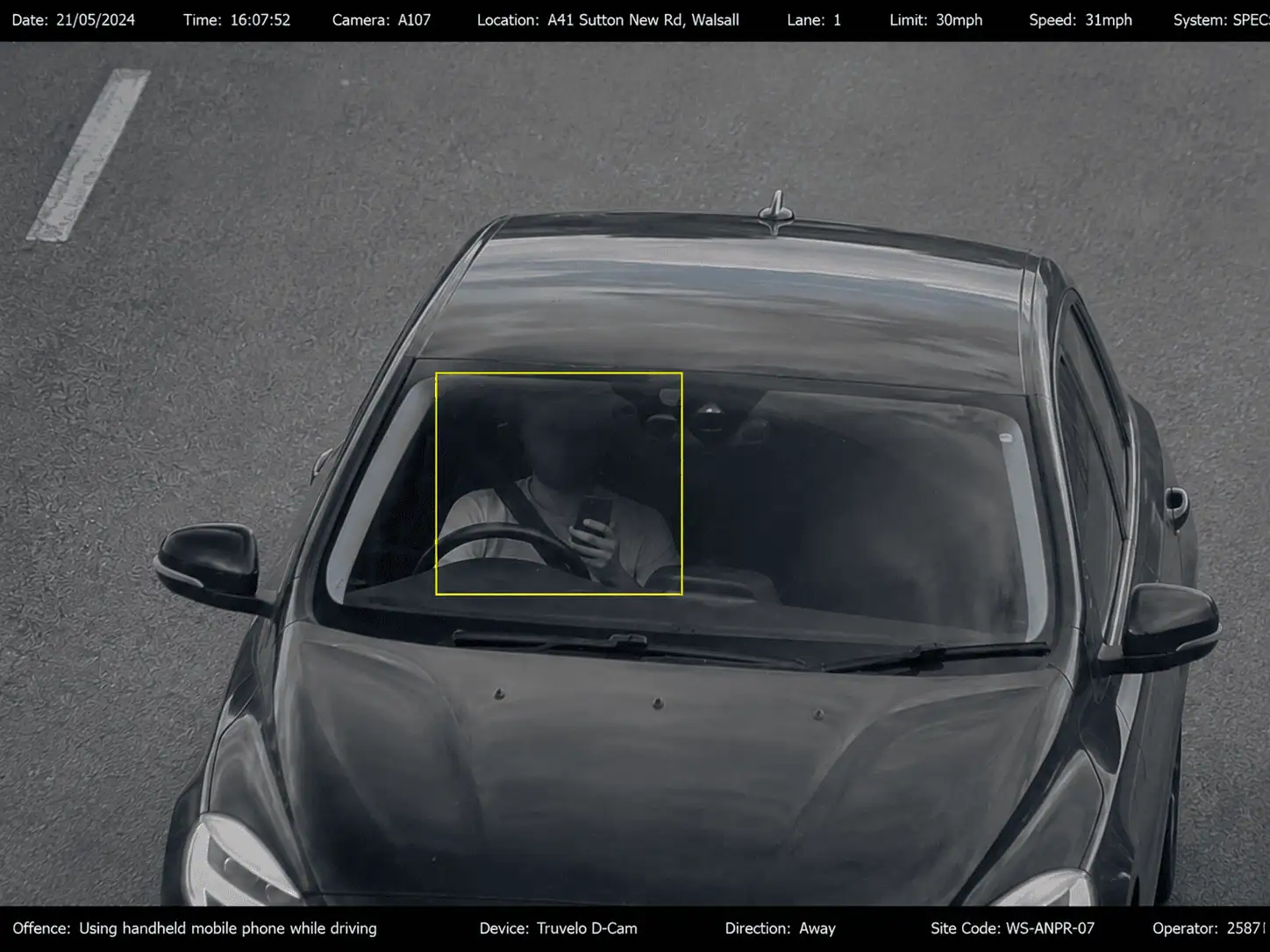
What the Government’s Road Safety Consultation Results Mean for Every UK Driver
Teenage Drivers in London Now Pay £2,928 for Car Insurance, Quotezone Reveals
TfL and the Met Are Testing Speed Cameras Drivers Will Never See Coming
Ford Recalls 42,784 Mustang Mach-E EVs Over a Rollaway Risk From a Cracked Differential