
Older Drivers Over 70 Could Face Mandatory Eye Tests Under DfT Plans
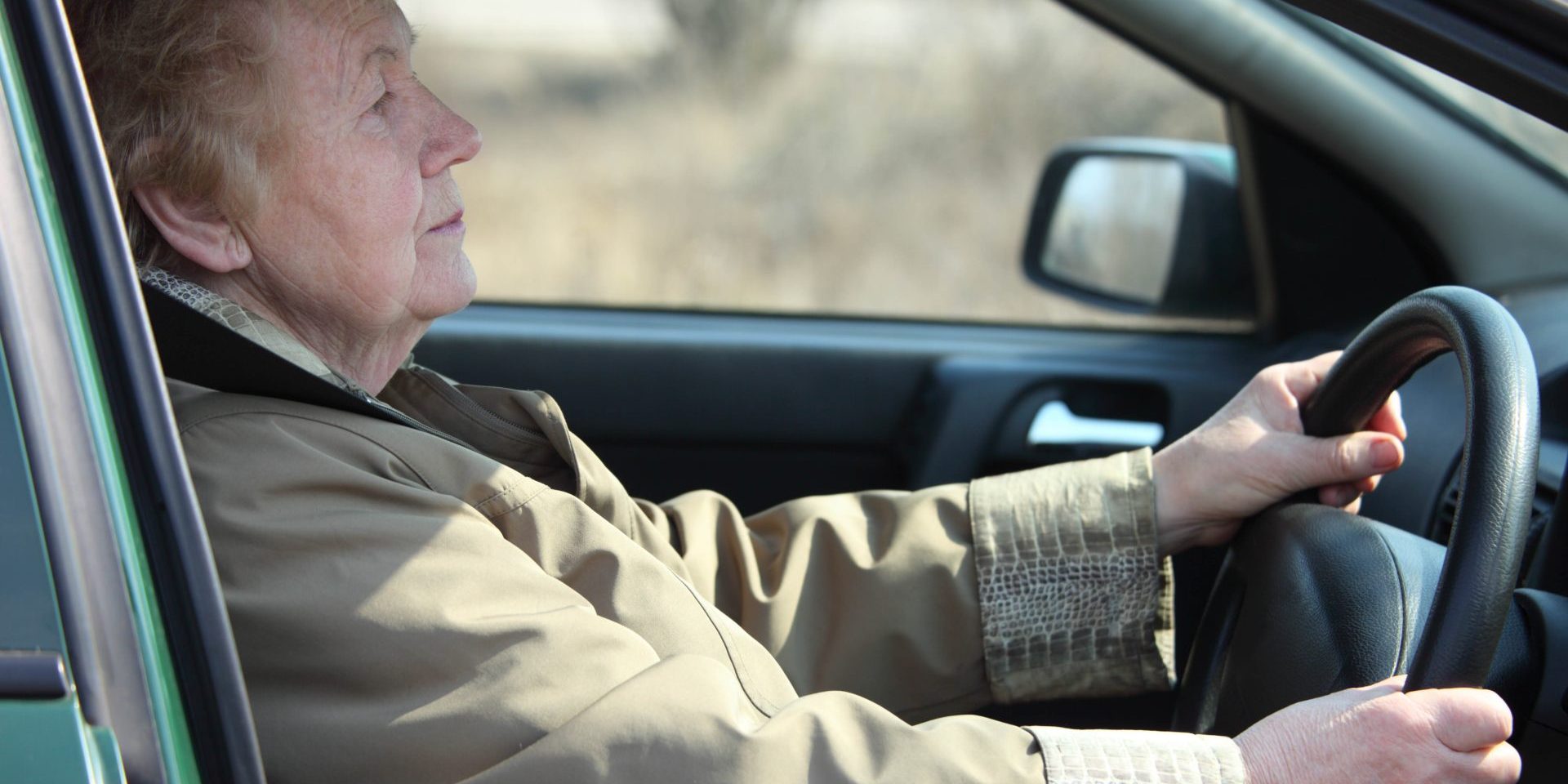

- The Department for Transport is consulting on mandatory eyesight tests for drivers renewing a licence from age 70, replacing the current self-declared eyesight form.
- 6.3 million UK drivers are already aged 70 or over, a number that has grown 60% from 2012 to 2025, and 1,224 older drivers were killed or seriously injured in 2024.
- A College of Optometrists study found uncorrected or defective eyesight was a contributing factor in 77% of collision reports involving drivers over 60.
Older Drivers Over 70 Could Face Mandatory Eye Tests Under DfT Plans
For nearly a century, renewing a driving licence at 70 has worked on trust. Drivers tick a box on a DVLA form declaring their eyesight meets the legal standard, and nobody checks. The Department for Transport wants to end that. A consultation opened in January and set out plans for a mandatory eyesight test at every licence renewal from age 70, replacing self-declaration with an actual check carried out by an optician or another approved tester.
The department is also asking whether testing should happen more often as drivers get older, with options on the table for checks every three years from 70, rising to more frequent tests at 75, 80 and 85. No final decision has been made. The consultation closed to submissions in May, and the government has not yet published its response, so nothing in this proposal is in force. Anyone reading headlines that say older drivers must now sit an eye test is reading ahead of where the policy actually stands.
Who This Would Hit
The scale of who this affects is the reason it sits near the top of the DfT’s road safety agenda. There are 6.3 million licence holders in the UK aged 70 or over, up 60% from 3.9 million in November 2012. That growth is only going one way as the population ages and older drivers hold onto their cars and their independence for longer. A driver turning 70 today can expect to renew that licence every three years for the rest of their driving life, and under the proposed system, each of those renewals could come with an eyesight check attached.
It is worth being clear about who is not affected by anything currently in front of ministers. Drivers under 70 are not part of this consultation. The existing rule that anyone must be able to read a number plate from 20 metres, checked at the roadside by police if there is doubt, stays exactly as it is for every age group. This is specifically about what happens at the point of renewal for drivers who have already reached 70.
The Data Behind the Push
The government’s case rests on numbers that are difficult to argue with. In 2024, 1,224 older car drivers were killed or seriously injured on British roads, a figure the DfT cites directly in its consultation document. A 2024 roadside survey found that 10.2% of motorists aged between 81 and 90 failed a basic vision test on the spot, a rate that points to a meaningful number of drivers on the road right now who would not meet the legal standard if checked.
The strongest single figure comes from the College of Optometrists, whose research found that uncorrected or defective eyesight was recorded as a contributory factor in 77% of collision reports involving drivers aged over 60. That is not a claim that older drivers cause more crashes than anyone else. It is a specific finding about eyesight as a contributing factor once a crash involving an older driver has happened, and it is the figure the DfT leans on hardest when explaining why self-declaration is no longer considered good enough.
Consultation responses submitted by the College of Optometrists and the Association of Optometrists broadly backed the principle of a mandatory test, while bodies including Age UK raised concerns about access, cost and the risk of driving licences being withdrawn from people in rural areas with no public transport alternative. Those tensions are likely to shape whatever the DfT eventually announces.
What a Mandatory Test Could Mean at Renewal
If the DfT adopts the version of the plan set out in its consultation document, a driver turning 70 would need evidence of a proper sight test, not a self-declaration, before the DVLA issues a renewed licence. The most likely model based on the consultation wording is a test every three years in line with the existing renewal cycle, with a decision still to be made on whether the interval shortens at 75, 80 or 85.
A standard NHS sight test is currently free for anyone aged 60 or over in England, and free for all ages in Scotland and Wales, which limits the direct cost argument for most of the drivers affected. The bigger practical question raised in consultation responses is what happens to a driver who fails. Under the existing system, a driver who cannot meet the number plate test can have their licence revoked immediately. Campaign groups for older drivers have asked the DfT to build in a corrective action pathway, such as a temporary licence pending new glasses or a referral to an optometrist, rather than an automatic revocation on the day of a failed test.
How the Current Self-Declaration System Works
Every driving licence in the UK carries an eyesight standard attached to it in law, not just in guidance. A driver must be able to read a car number plate made after September 2001 from 20 metres, in good daylight, wearing glasses or contact lenses if they normally wear them. The DVLA does not test this at any point across a licence’s life under the current system. It relies entirely on the driver’s own word, given once when they first apply for a provisional licence and repeated as an honesty declaration at every renewal after that.
Police officers can and do carry out a roadside check if they have reason to suspect a driver’s eyesight has fallen short, using the same 20 metre number plate test. Failing that roadside check can lead to an immediate licence revocation on the spot. What does not exist anywhere in the current system is a routine, scheduled check carried out by a qualified professional at the point of renewal. That gap between what the law requires and what the DVLA actually verifies is the specific problem the consultation is trying to close.
What Drivers Approaching 70 Should Do Now
Nothing changes at the next renewal for a driver reaching 70 this year. The self-declaration form remains the legal requirement until the DfT publishes its response and, if it proceeds, until any new regulations complete the parliamentary process and come into force. There is no date yet for either of those steps.
What is worth doing regardless of how the consultation ends is booking a routine sight test if the last one was more than two years ago, which is the professional recommendation for any driver regardless of age. A driver who already meets the legal standard has nothing to prepare for. A driver who has let their eyesight slide has a legal duty right now, under the current self-declaration system, to tell the DVLA if their eyesight no longer meets the standard for driving, whatever the outcome of this consultation turns out to be.
Motoring Chronicle will report the DfT’s formal response to the consultation once it is published, along with the confirmed testing interval and any transitional arrangements for drivers who are already over 70.
Read more: Why DVLA Medical Licence Checks Now Take 11 Weeks and How to Keep Driving While You Wait and What the New GOV.UK Wallet Means for Every UK Driver This Year.
Sources
Department for Transport, “Introducing mandatory eyesight testing for older drivers” consultation, gov.uk (opened 7 January 2026, closed 11 May 2026): https://www.gov.uk/government/consultations/introducing-mandatory-eyesight-testing-for-older-drivers/introducing-mandatory-eyesight-testing-for-older-drivers
College of Optometrists, research on eyesight as a contributory factor in collisions involving drivers over 60, cited within the DfT consultation.

Leave a Comment
More in News

New Hampshire Hand-Held Phone Fine Rises From $100 to $250 on Jan. 1, 2027

Ford Filed 83 Recalls Covering 14.2 Million Vehicles in 2026 So Far
Start Rescue Warns Cold Snaps Can Cut Tyre Pressure 4psi and Stretch Stopping 25 Percent

Suzuki Black Car Friday Sale Cuts 10% Off RRP Until 30 November

Pacific, Washington School Zone Cameras Fine $200 to $290 After 30 Days
Trending on Motoring Chronicle

Buckinghamshire Switches On 14 New Traffic Cameras This Month With £70 Fines

Aerospace industry-grade carbon fibre comes to supercars with McLaren ART carbon [Photo Gallery]

Why the CMA Could Fine Autotrader 10 Percent of Turnover Over Reviews
Edinburgh Drivers Paid £46.6 Million in Parking Income, Up 46 Percent in Three Years
