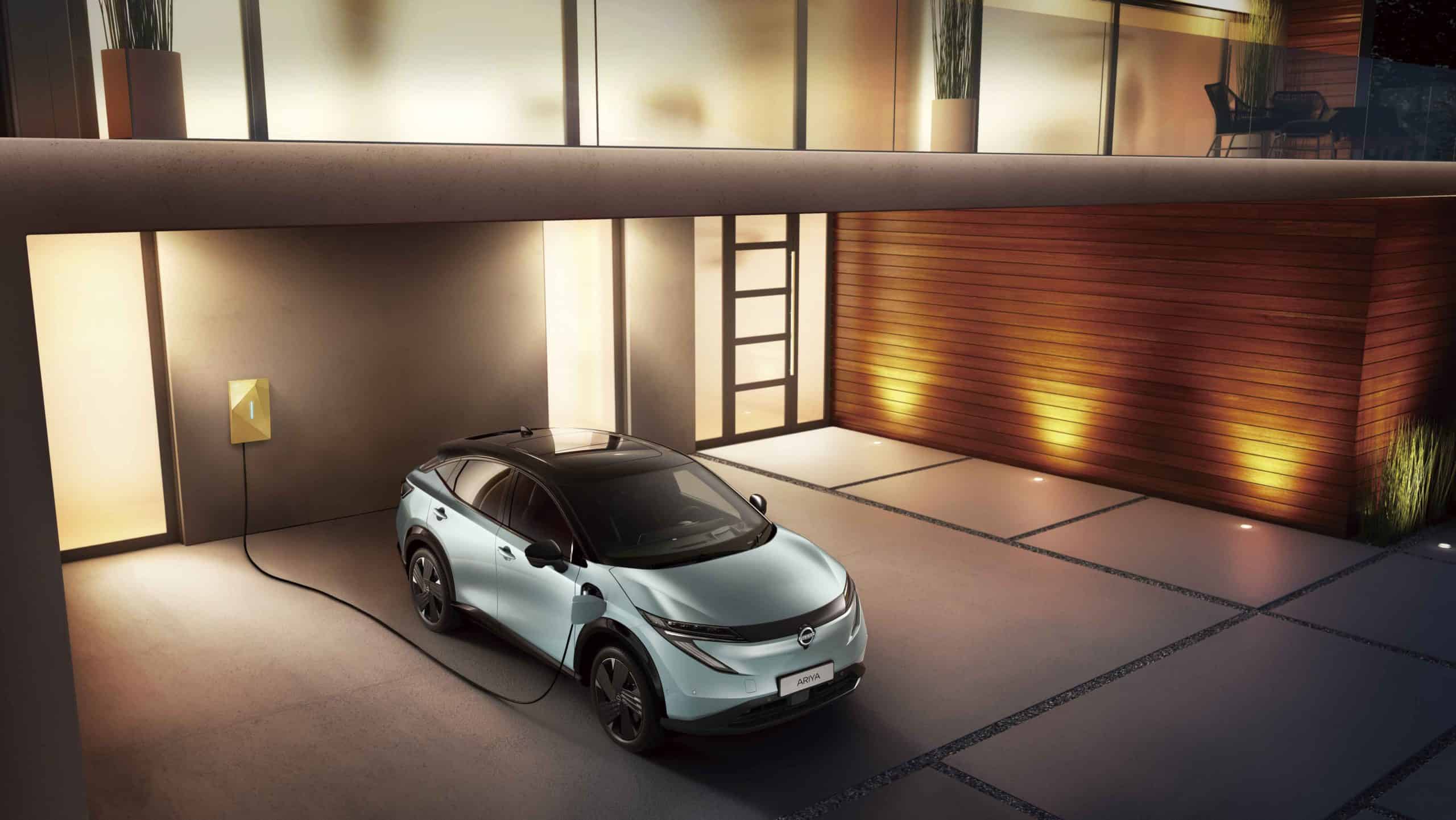
Nissan Has Updated The Ariya For 2026. It Plans Charging Stops For You And Can Power A Cooker From The Car


The Nissan Ariya has been refreshed for 2026 with a list of changes that go well beyond a new front bumper. The headline additions are vehicle-to-load charging, which lets you power electrical devices directly from the car’s battery, and Google Maps built into the infotainment system with automatic charging stop planning. Prices start at £37,000 for the Engage+ with the 63kWh battery, and the car is expected to qualify for the £3,750 Electric Car Grant, which would bring the entry price down to £33,250. Orders open in June with first deliveries from September.
For anyone who has been watching the Ariya from a distance, waiting for a reason to look more closely, this update adds the kind of practical features that make a real difference to how you live with an electric car day to day.
Powering Your Life From The Car
The biggest functional addition is V2L, or vehicle-to-load. The 2026 Ariya comes with an 11 kW bi-directional on-board charger that can send power back out of the car through a dedicated connector. When stationary, it supplies up to 3 kW of output, which is enough to run an electric cooker, charge a laptop, power tools on a work site or keep a portable fridge going on a camping trip.
This is not a gimmick for press launches. V2L is one of those features that, once you have it, changes how you think about your car. It turns the Ariya into a mobile power source. If you are someone who spends time outdoors, works from different locations or simply wants the reassurance that your car can keep your phone and laptop running during a power cut, it is a genuinely useful addition.
The bi-directional charger also lays the groundwork for vehicle-to-grid technology, which Nissan has separately confirmed it plans to bring to the UK market. V2G would allow the car to feed stored energy back into the national grid during peak demand, with the owner being paid for the electricity supplied. That capability is not part of this update, but the hardware is a step in that direction.
Google Maps That Plans Around Your Battery
The other change that will make the biggest difference to daily use is the latest generation of NissanConnect with Google built in. This replaces the previous infotainment system with one that runs Google Maps, Google Assistant and the Google Play Store as standard across all trim levels.
The practical benefit is the In-Car Route Planner powered by Google Maps. Tell the car where you want to go, and it plans the most efficient route based on your real-time battery level, automatically adding charging stops where needed. As you approach a charging station, the car pre-conditions the battery to bring it to the right temperature for the fastest possible charge. That pre-conditioning step alone can cut charging times significantly, because a cold battery charges far more slowly than a warm one, and Renault says its cars can limit a cold battery’s rate at a rapid charger to protect them.
For drivers who have experienced range anxiety or spent time at a charger watching the kilowatts trickle in because the battery was not at the right temperature, this is the kind of integrated thinking that removes friction from long journeys. You tell the car where you are going. It handles the rest.
The NissanConnect Services app on your phone also lets you monitor the battery level, manage charging sessions, adjust climate settings remotely and check tyre pressures without walking out to the car.
What Has Changed On The Outside
The exterior gets a redesigned front end inspired by what Nissan calls Timeless Japanese Futurism. In practice, that means a cleaner look with a body-coloured front panel and a reinterpreted version of Nissan’s V-Motion grille signature. The fog lamps are gone, replaced by a more open horizontal bar design, and the overall effect is a front end that looks more cohesive and less busy than the outgoing model.
New 19-inch wheels combine aluminium and resin elements for a two-tone visual contrast. The colour palette picks up a new option called Plasma Green, inspired by natural light phenomena, alongside a range of monotone and two-tone combinations.
These are subtle changes rather than a wholesale redesign, but they sharpen the Ariya’s presence on the road and bring it visually closer to the design language Nissan is rolling out across its newer models.
Inside The Cabin
The interior changes are focused on the centre console, which has been redesigned to increase storage space to 3.2 litres and now incorporates a 15W wireless phone charger. For a car that already had one of the more spacious and comfortable cabins in the electric crossover segment, the changes are incremental but practical.
The Ariya’s interior has always been one of its strongest selling points. The flat floor, the sliding centre console, and the lounge-like sense of space set it apart from rivals when it first arrived, and that fundamental character is unchanged here.

Ride Comfort And Driver Assistance
The suspension has been retuned for the 2026 model year, with Nissan targeting improved stability, reduced vibrations and a smoother ride over long distances. The original Ariya was already a comfortable car, but any improvement in ride quality on British B-roads is welcome.
ProPILOT, Nissan’s suite of driver assistance systems, has also been updated. The adaptive cruise control now responds more quickly and makes smoother adjustments in stop-and-go traffic, helping to reduce driver fatigue on motorway journeys and in congestion. These are refinements rather than new features, but they address the kind of real-world irritations that owners notice over time.
Charging On The Move
For DC rapid charging, the Ariya supports speeds of up to 130 kW, which is unchanged from the previous model. On a compatible rapid charger, that is enough to add a meaningful amount of range during a twenty-minute stop.
The AC charging, however, is where the upgrade sits. The move to an 11 kW bi-directional on-board charger means faster AC charging at home or at destination chargers, as well as enabling the V2L functionality. For drivers who charge overnight on a home wallbox, the higher on-board charger speed means the car will be ready sooner.
Pricing And The Electric Car Grant
Two versions are available at launch:
The Engage+ with the 63 kWh battery starts at £37,000. The Advance with the larger 87 kWh battery is priced at £43,425. Both prices are on the road but do not include the government’s Electric Car Grant.
Nissan expects the Engage+ to qualify for the £3,750 Electric Car Grant, which is available on electric cars priced under £40,000. If confirmed by the Office of Zero Emission Vehicles, that would bring the entry price of the Ariya down to £33,250. The Advance, at £43,425, sits above the grant threshold and would not qualify.
At £33,250 after the grant, the Engage+ would sit in competitive territory against the likes of the Hyundai Ioniq 5 and the Kia EV6, both of which offer V2L as standard on higher trim levels. The Ariya’s advantage is that V2L comes from the entry-level model.
For company car drivers, the Ariya’s zero-emission status means a Benefit in Kind rate of 2% for the 2026/27 tax year, making it a strong proposition on a salary sacrifice scheme. At a list price of £37,000, that translates to a BiK value of just £740 per year before tax.
Worth The Wait
The Ariya has always been a quietly impressive car that struggled to get the attention it deserved in a market increasingly crowded with electric crossovers. This update does not transform it into something fundamentally different, but it adds the features that were missing from the original specification, particularly V2L and proper integrated route planning.
For buyers who want an electric crossover that can power their devices, plan their charging stops automatically and ride comfortably on a long motorway run, the 2026 Ariya makes a stronger case than it ever has. And at a potential £33,250 after the grant, it does so at a price that puts it within reach of the mainstream market.
Orders open in June. First deliveries are expected from September.

Leave a Comment
More in News
DfT Proposes 2 Percent Accuracy Meters for Every New Public EV Charger
Public Rapid Chargers Now Cost 79p Per kWh, or 24p a Mile
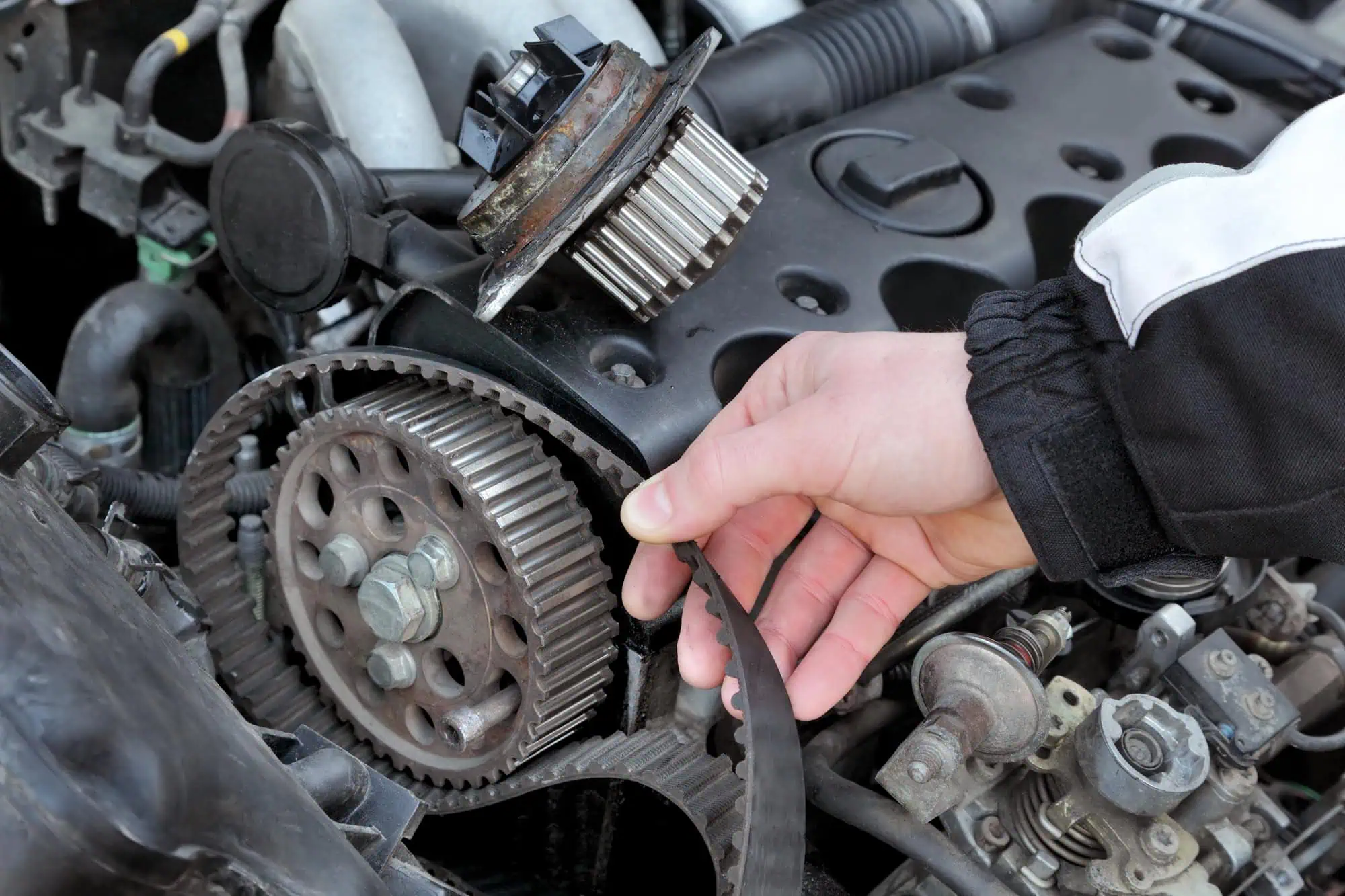
Five Year Cam Belt Rule Is a Garage Convention, Not a Car Maker Figure

Offenders Risk Felony in Viral ‘Stop Sign Challenge’
Which Head Gasket Failure Sign You Get Depends on Where It Leaks
Trending on Motoring Chronicle

What to Ask Your Garage After DVSA Failed 7 of 9 Replacement Exhaust Parts

Do Electric Cars Need Less Maintenance?

Ford Recalls 36,046 Bronco Raptors Over Fender Flares That Can Fly Off at Speed

8.6 Million UK Cars Are at Risk of a Sudden Breakdown From a Failing Battery