
What a Car Pulling to One Side When Braking Actually Means for Your Safety
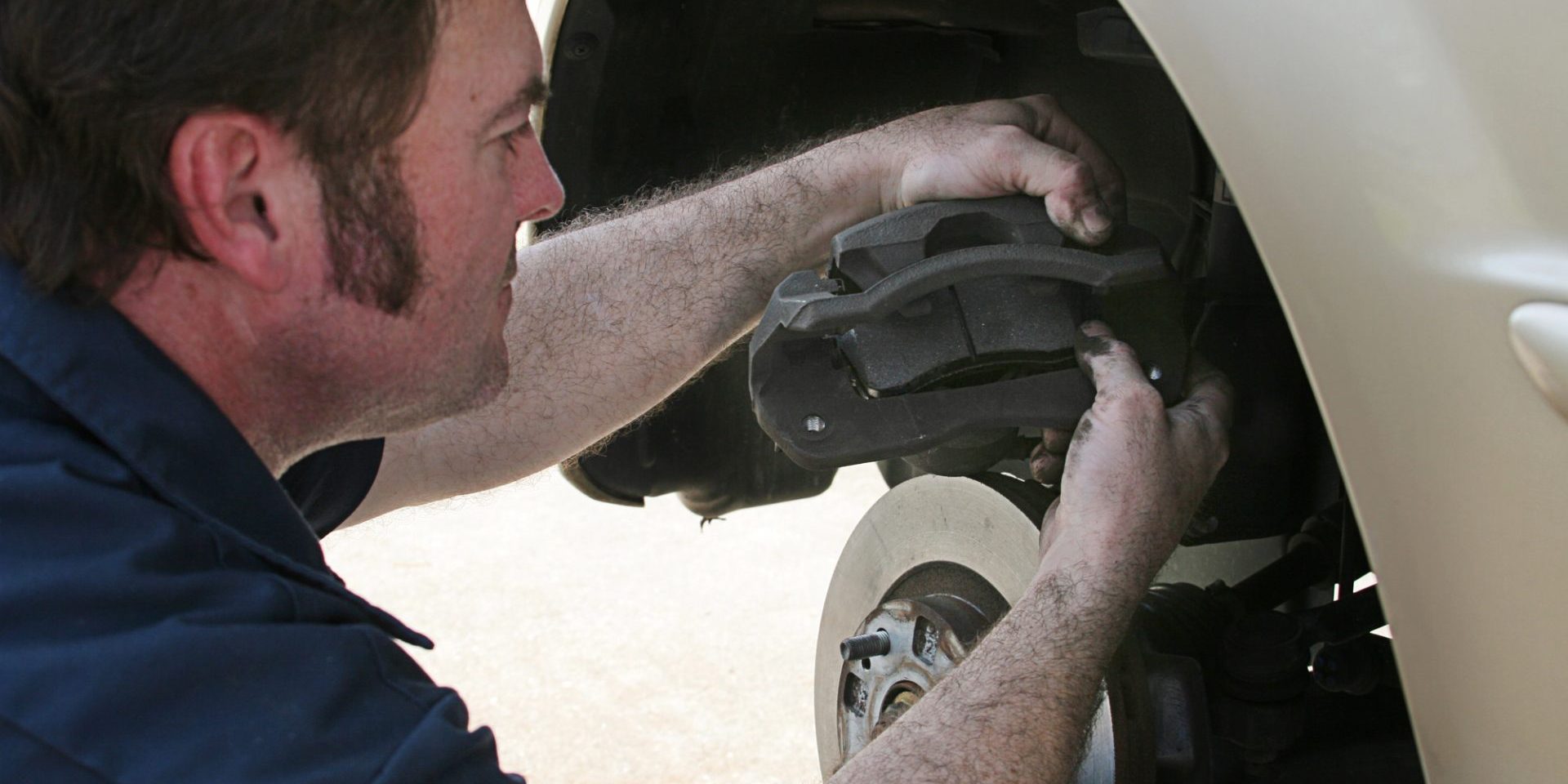

- A car pulling to one side under braking is most often caused by a sticking brake caliper, which applies more stopping force to one wheel than the other.
- Uneven tyre pressure, mismatched tyres and worn suspension or steering components can produce the exact same symptom, which is why a five-minute check at home can save an unnecessary garage bill.
- Brakes account for close to 13 percent of all MOT failures and suspension for a further 20 percent, according to DVSA data, making a pull under braking one of the clearest early warning signs before a test.
Ignoring a Pull Under Braking Can Turn a Cheap Fix Into a Failed MOT
If your car drifts left or right the moment you press the brake pedal, something is applying uneven force somewhere in the system, and it will not fix itself. The good news is that the most common causes are inexpensive to put right if caught early. The bad news is that the same symptom sits on the DVSA’s list of dangerous defects, and drivers who keep driving on it risk a much bigger bill, a failed MOT, or reduced control in an emergency stop.
The Most Common Cause: A Sticking Brake Caliper
A seized or sticking brake caliper is the single most frequent reason a car pulls to one side when braking. Every disc brake has a caliper that squeezes the brake pads against the rotor using sliding pins, and over time those pins can corrode or lose their lubrication. When one caliper drags or fails to release fully, that wheel brakes harder than the others, and the imbalance pulls the whole car toward that side. A caliper problem often gets worse gradually, so a pull that started as barely noticeable a few weeks ago can become a sharp tug within a couple of months.
A warped or unevenly worn brake rotor produces a similar effect. Heat from repeated hard braking, or a rotor that has simply worn thin and uneven over tens of thousands of miles, creates inconsistent contact between the pad and the disc. One side of the car ends up with more effective stopping power than the other, and the difference shows up as a pull the instant the brakes bite.
Tyres and Wheel Alignment Can Cause the Same Symptom
Not every pull under braking is a brake problem at all. An under-inflated tyre grips the road differently to the others, and a car will often pull toward the side with lower pressure, particularly when braking hard. Mismatched tyre sizes or tread patterns on the same axle can create the same effect even when all four tyres are correctly inflated. Because this is the cheapest possible explanation, it is also the first thing worth ruling out before assuming a costly brake repair is needed.
Worn or loose suspension and steering components are a further possibility, particularly on older cars or those that have covered high mileage on poor road surfaces. A worn track rod end, a failing wheel bearing or incorrect wheel alignment can all cause uneven tread wear, a car that leans slightly to one side, or a steering wheel that no longer sits straight when driving in a straight line, any of which can show up most clearly the moment the brakes are applied.
How to Check It Yourself in Five Minutes
Start with a tyre pressure gauge and check all four tyres against the figures in your handbook or on the sticker inside the driver’s door, since this rules out the cheapest and most common cause first. Next, after a short drive that includes some braking, park safely and carefully feel each wheel, not the disc itself. If one wheel is noticeably hotter than the other three, that points toward a dragging or sticking caliper on that corner rather than a tyre or alignment issue.
Walk around the car and look at the tread on all four tyres side by side. Uneven wear across the width of a tyre, or one tyre wearing noticeably faster than its opposite number, points toward an alignment problem rather than a brake fault. If none of these checks explain the pull, or if you are not confident carrying them out, the safest next step is a professional inspection rather than continuing to drive while guessing.
When to Stop Driving and Book a Garage
A mild pull that only shows up under firm braking is worth booking in promptly, but it is not usually an emergency. A strong pull, a pull that has clearly worsened over a short period, a burning smell after driving, or a brake pedal that feels different underfoot alongside the pull are all reasons to stop using the car and arrange recovery or a same-day inspection rather than continuing to drive it. A caliper that seizes completely can lock a wheel under braking, which is a significantly more dangerous fault than a mild pull and can develop from the same early symptoms if left unaddressed.
Why This Matters at Your Next MOT
DVSA data on MOT failures shows just how often these components are the reason a car does not pass. Suspension faults account for over a fifth of all failures, and brakes account for close to 13 percent, with tyres responsible for the majority of defects serious enough to be marked dangerous rather than simply a fail. A pull under braking is frequently the earliest warning sign of a fault that will later show up as an MOT failure or advisory, which makes it one of the few symptoms genuinely worth acting on immediately rather than waiting for the test date to arrive. Fixing a sticking caliper or replacing a pair of unevenly worn tyres before the test is almost always cheaper than the combined cost of a failure, a retest, and the repair itself once it becomes unavoidable.
What the Repair Actually Costs
Costs vary by garage and by car, but the general order of magnitude is worth knowing before you book anything. A tyre pressure correction costs nothing beyond five minutes at a garage forecourt or petrol station, and a wheel alignment check typically runs to between £40 and £80 at an independent garage. A single replacement caliper, including fitting and a brake fluid bleed, usually falls somewhere between £150 and £350 per wheel depending on the vehicle, while a pair of replacement discs and pads for one axle commonly costs between £150 and £400.
Suspension and steering repairs cover a wider range, from under £100 for a single worn bush to several hundred pounds for a wheel bearing or track rod end, particularly on larger vehicles or premium brands where parts cost more. In almost every case, catching the fault at the pulling stage costs less than waiting for it to cause uneven tyre wear across a full set, which then adds the price of new tyres on top of whatever repair was needed in the first place.
Most garages will carry out the tyre pressure and visual wear checks described above free of charge if you ask them to look at the car for a pull under braking, since it takes only a few minutes and helps them quote accurately for whatever repair turns out to be needed. Getting that initial diagnosis right avoids paying twice, once for the wrong repair and again for the one that actually fixes the problem.
Sources:

Leave a Comment
More in News

Why Connecticut Drivers Cruising in the Left Lane Now Face an $88 Fine
Hurricane Isaias Flooded Thousands of Cars That Could Reach Used Lots

Gas Prices Jump to $4.36 a Gallon as the National Average Rises 40 Percent in a Year

NHTSA Recalls Over 346,000 Vehicles From Ram, Ford, VW and Land Rover
Why Every Used Car Buyer Should Check Which Models Cost £44,401 to Repair
Trending on Motoring Chronicle

One in Three New Cars Must Be Electric in 2026 – Car Makers Face £15,000 Fines Per Vehicle for Every Shortfall

How Police Are Now Enforcing the Highway Code Rule That Makes You Slow to 10mph

The Updated Audi Q4 E-Tron Can Power Your House, Tow 1,800 Kg And Starts From £46,260

Garage Complaints to the Motor Ombudsman Jumped 22 Percent as Payouts Hit £4,308
