Is the Toyota Land Cruiser Worth the Price? What Buyers Need to Know for 2027


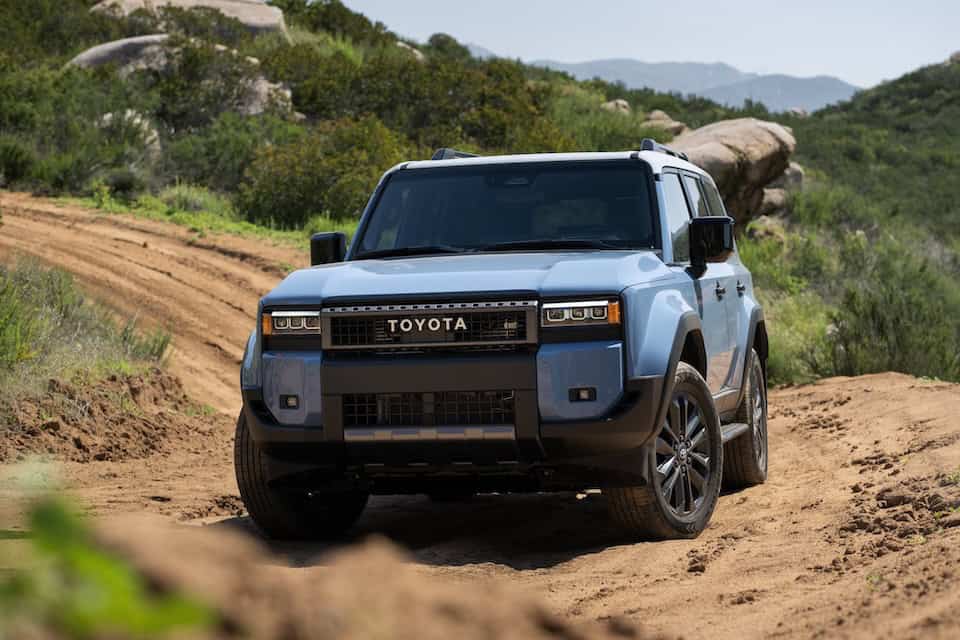
The 2027 Toyota Land Cruiser arrives at dealerships this spring with a starting MSRP of $57,880 before the $1,450 dealer processing fee. That puts it in a competitive space between mainstream body-on-frame SUVs and the luxury off-road segment occupied by the Land Rover Defender and Mercedes G-Class. Whether the Land Cruiser justifies that price depends on what you need it to do, and the spec sheet suggests Toyota has built this truck to appeal to a very specific type of buyer.
The Powertrain: Hybrid-Only and Built for Durability
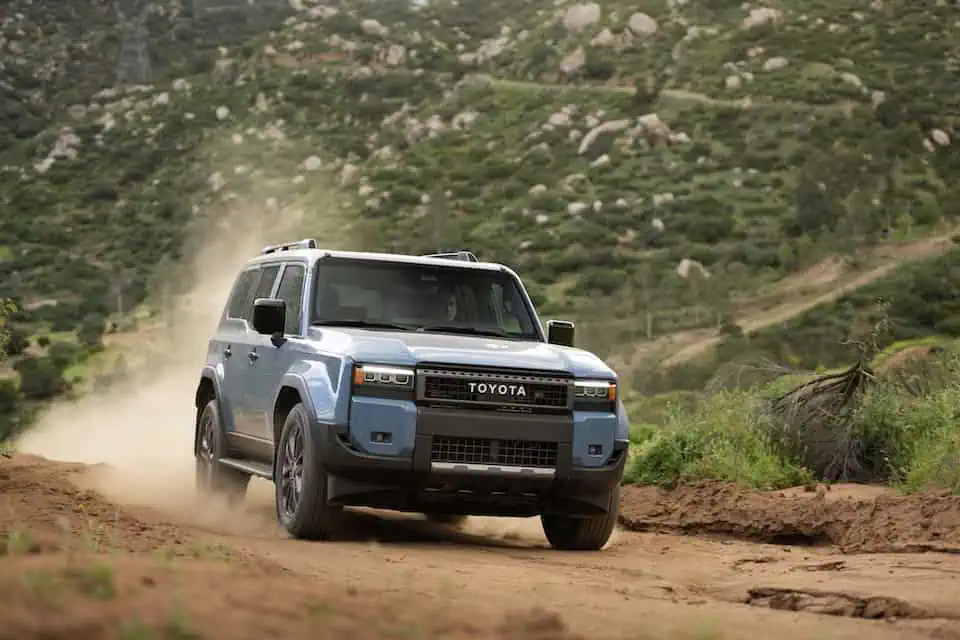
Every 2027 Land Cruiser comes with the i-FORCE MAX hybrid powertrain. There is no non-hybrid option. The system pairs a turbocharged four-cylinder engine with an electric motor positioned between the engine and the 8-speed automatic transmission, producing 326 net combined horsepower and 465 lb-ft of torque.
Those torque figures matter more than the horsepower number for a vehicle like this. 465 lb-ft is enough to tow up to 6,000 pounds and climb steep grades without the transmission hunting for lower gears. The hybrid system also returns an EPA-estimated 23 MPG combined, which is a significant advantage over the V8-powered Land Cruisers of previous generations and competitive with the Defender’s six-cylinder options.
Toyota developed this powertrain with long-term durability in mind. That is worth noting because Land Cruiser buyers tend to keep their vehicles longer than buyers of almost any other SUV on the market, and a hybrid system that holds up over 200,000 miles carries real financial value in reduced fuel costs over time.
Off-Road Capability: What the Land Cruiser Can Actually Do
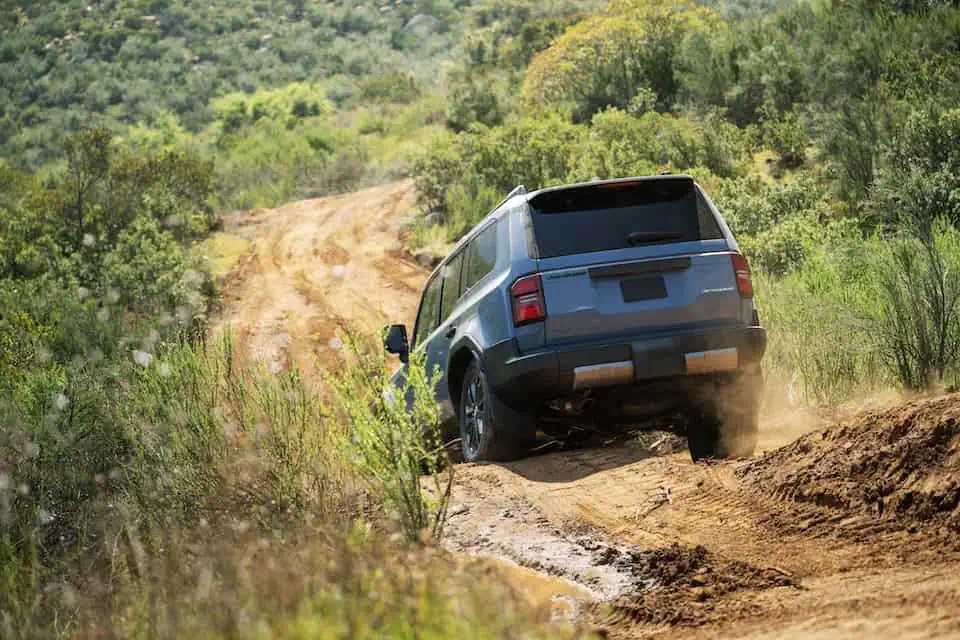
The Land Cruiser rides on Toyota’s TNGA-F body-on-frame platform, shared with the Tundra, Tacoma, Sequoia and 4Runner. The frame uses laser blank welding to reduce weight while reinforcing high-stress areas, and it sits on a full-time four-wheel drive system with a two-speed transfer case as standard across both trims.
Standard equipment includes locking center and rear differentials, CRAWL Control (which acts as a low-speed off-road cruise control with five selectable speeds), and Downhill Assist Control. The available front Stabilizer Disconnect Mechanism increases front suspension articulation at the push of a button, letting the tires maintain better ground contact on uneven terrain.
Multi-Terrain Select offers modes for Mud, Dirt and Sand, and it works in both 4WD High and 4WD Low. The available Multi-Terrain Monitor uses multiple cameras to display the area around the vehicle on the touchscreen, giving drivers a view of obstacles that the mirrors and windows cannot show.
This is a serious off-road specification by any measure. The locking differentials alone put the Land Cruiser ahead of many competitors that charge extra for similar capability or do not offer it at all.
On-Road Comfort and Daily Livability
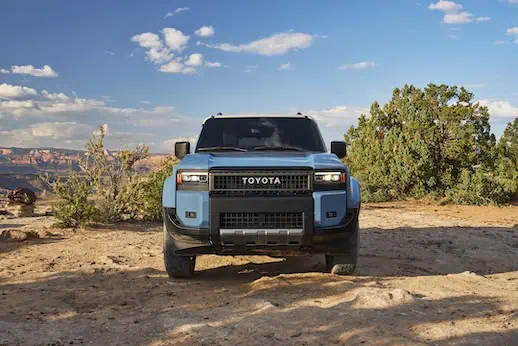
The concern with any body-on-frame SUV is whether it punishes you on tarmac for the sake of off-road ability. Toyota’s answer with the Land Cruiser is a suspension tuned to balance both roles, with rear coil springs as standard across the range.
Available power front seats with heating and ventilation are joined for 2027 by a new option: heated and ventilated second-row outboard seats. For families or anyone regularly carrying rear passengers, that addition is a genuine quality-of-life improvement on longer drives.
The cabin uses an upright design with a repositioned A-pillar that improves outward visibility. That is a practical benefit both on trails, where sightlines to the ground ahead matter, and in parking lots, where a large SUV with poor visibility is a liability.
Tech, Infotainment and Interior
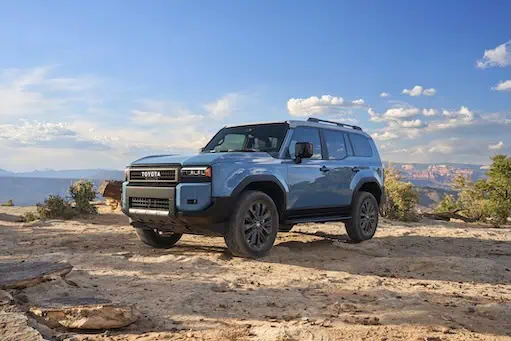
The base Land Cruiser 1958 grade comes with an 8-inch multimedia touchscreen, while the Land Cruiser grade upgrades to a 12.3-inch unit. Both run Toyota Audio Multimedia with wireless Apple CarPlay and Android Auto. The Land Cruiser grade adds a 12.3-inch digital gauge cluster with customizable layouts.
Available options include a 14-speaker JBL premium audio system, Qi wireless charging, a head-up display, a digital rearview mirror and a power moonroof. Five USB-C ports are standard on the 1958 grade, and a 2,400-watt AC inverter in the cargo area comes standard on both trims, which is a genuinely useful feature for powering tools, camping equipment or tailgate setups.
The infotainment system is developed by Toyota’s Texas-based Connected Technologies team and includes a 5-year trial of Safety Connect, Service Connect and Remote Connect, plus a 30-day Wi-Fi trial.
What Changes for 2027
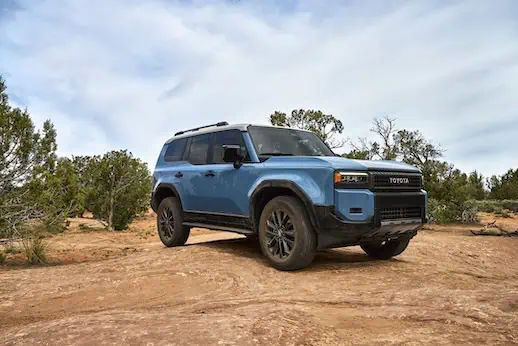
The updates for the 2027 model year are targeted rather than sweeping. The headline additions are the available High Mounted Air Intake, which improves the vehicle’s capability in water crossings and dusty conditions, and the heated and ventilated second-row seats mentioned above.
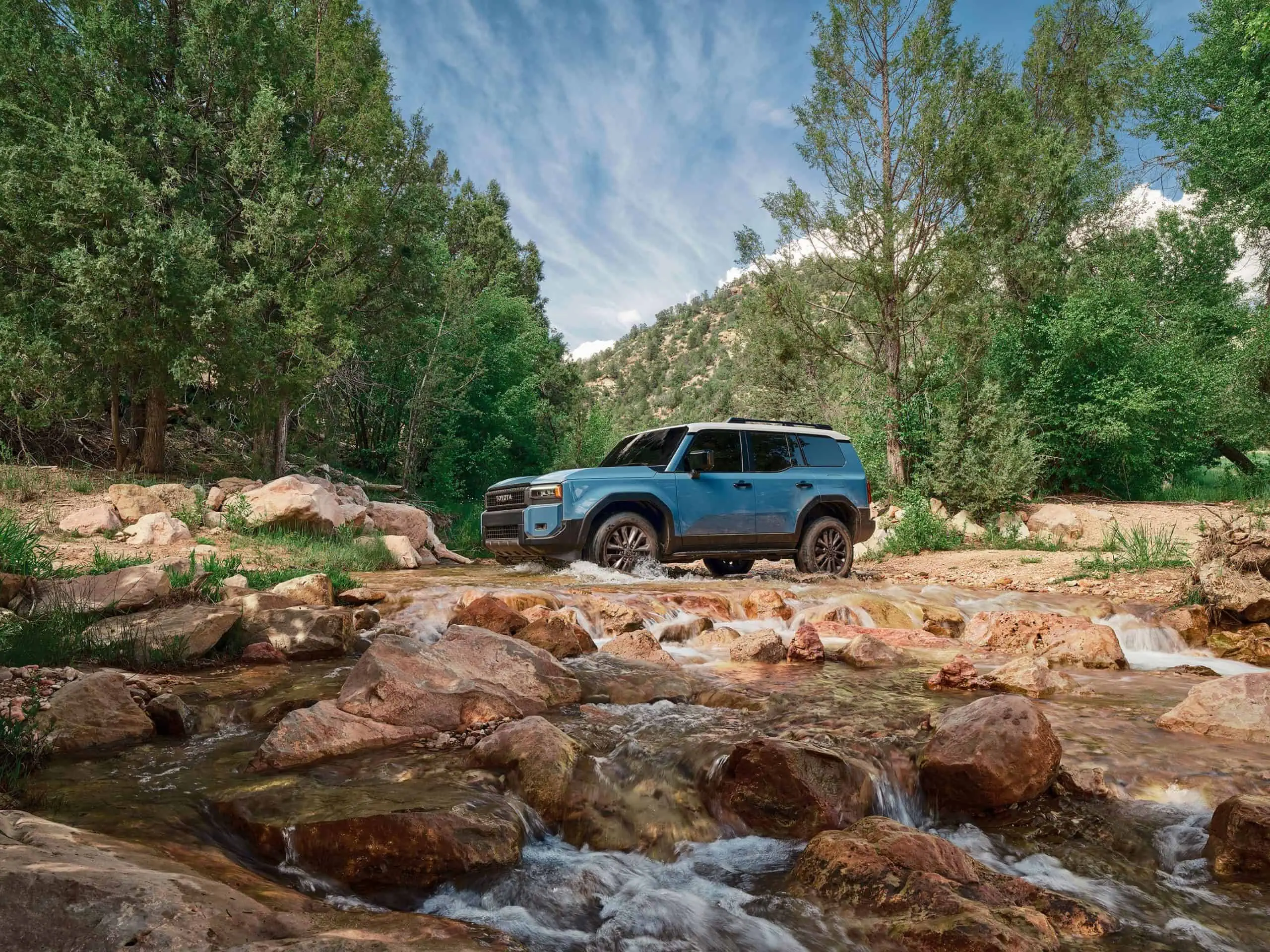
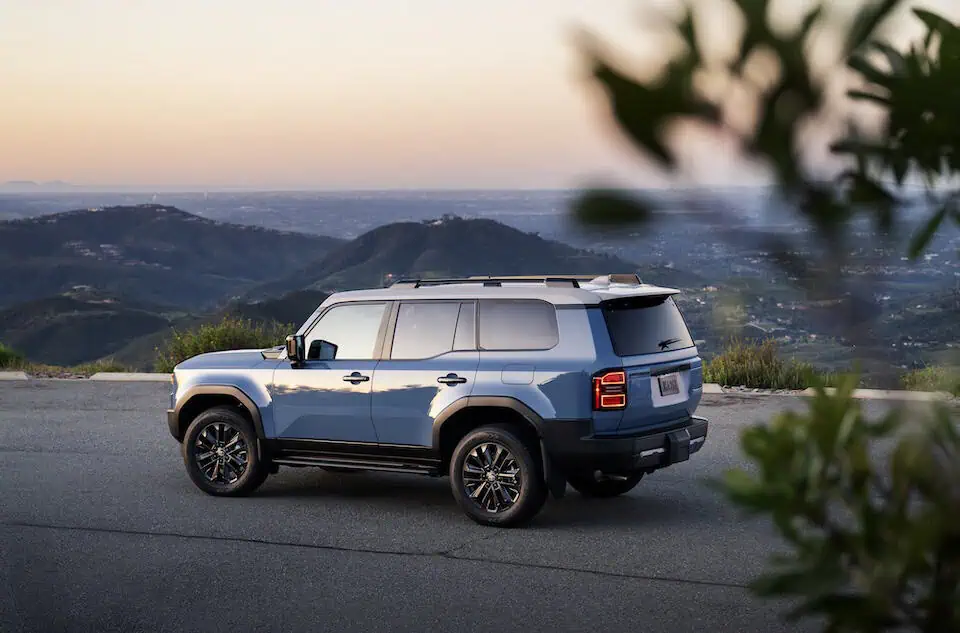
A new exterior color called Inked joins the palette, bringing the total to seven options: Ice Cap, Wind Chill Pearl, Underground, Inked, Meteor Shower, Trail Dust and Heritage Blue. The two-tone options on Trail Dust and Heritage Blue feature a Grayscape roof.
These are not changes that redefine the vehicle. If you were considering a Land Cruiser before, the 2027 updates give you slightly more capability and comfort. If you were on the fence, they are unlikely to be the deciding factor.
Two Trims: Which One Makes Sense
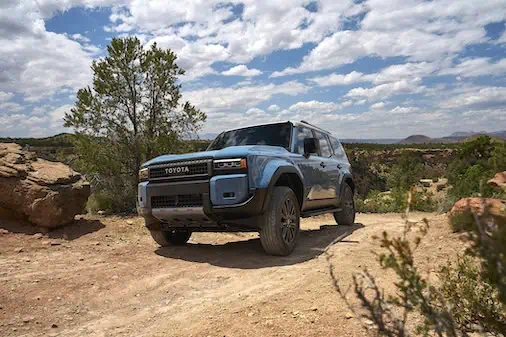
Toyota offers the Land Cruiser in two grades, and the choice between them comes down to whether you want heritage styling or a more technology-focused package.
The Land Cruiser 1958 starts at $57,880 and leans into the vehicle’s history with round LED headlamps and the classic “TOYOTA” heritage grille. It comes well-equipped with locking differentials, CRAWL Control, a trailer brake controller and the 2,400-watt inverter, along with heated fabric seats, Smart Key, Blind Spot Monitor and a 7-inch digital gauge cluster.
The Land Cruiser grade adds rectangular LED headlamps, SofTex-trimmed heated and ventilated power front seats, the larger 12.3-inch touchscreen and gauge cluster, a power liftgate, color-selectable Rigid LED fog lights, Multi-Terrain Select and Multi-Terrain Monitor. The available Premium Package adds leather seating for both rows, JBL audio, a head-up display, a digital rearview mirror and a moonroof.
For buyers who plan to use the vehicle off-road regularly, the standard Land Cruiser grade’s inclusion of Multi-Terrain Select and Multi-Terrain Monitor makes it the stronger choice. The 1958 grade saves money and looks the part, but it leaves out two of the most useful trail features.
Safety Equipment
Both trims come standard with Toyota Safety Sense 3.0, which includes pre-collision braking with pedestrian, cyclist and motorcyclist detection, lane departure alert with steering assist, full-speed adaptive cruise control, lane tracing assist, road sign recognition, automatic high beams and a new Emergency Driving Stop System. That last feature monitors driver inputs and is designed to bring the vehicle to a controlled stop if the driver becomes unresponsive, such as during a medical emergency.
Blind Spot Monitor and Rear Cross-Traffic Alert are standard on the Land Cruiser grade and available on the 1958. Hill Start Assist comes standard on both.
The hybrid battery is warranted for 10 years or 150,000 miles, and hybrid components are covered for 8 years or 100,000 miles, both transferable. The basic vehicle warranty runs 3 years or 36,000 miles, with powertrain coverage extending to 5 years or 60,000 miles.
The Bottom Line on Value
At $57,880 to start, the Land Cruiser sits below the Defender ($58,800 and up) and well below the G-Class ($150,000+). It undercuts both on starting price while offering a hybrid powertrain that neither competitor currently matches, along with a reliability reputation that Toyota has built over decades of Land Cruiser production.
The 2027 Land Cruiser is expected at dealerships this spring.
If you enjoyed this article, be sure to follow us on Microsoft Start.

Leave a Comment
More in News

76% of Car Buyers Say the Luxury Badge Isn’t Worth the Markup. Are They Right?

Car Prices Are About to Spike: Up to $8,900 More Per Vehicle (2026 Tariff Explained)
How Long Does Power Steering Fluid Last?

How Fast Can You Drive on a Spare Tire?

What Is The Optimal Speed For Fuel Economy?
Trending on Motoring Chronicle

Dashcam: the essential digital witness for every driver
McLaren accelerates future product development through AI Enhanced Engineering

Jeep drivers have the most hands-on approach to DIY car maintenance
Rolls-Royce presents Black Badge Ghost Series II: a daring expression of luxury and power [Photo Gallery]