Lamborghini Temerario GT3: Inside the Making of a New Era
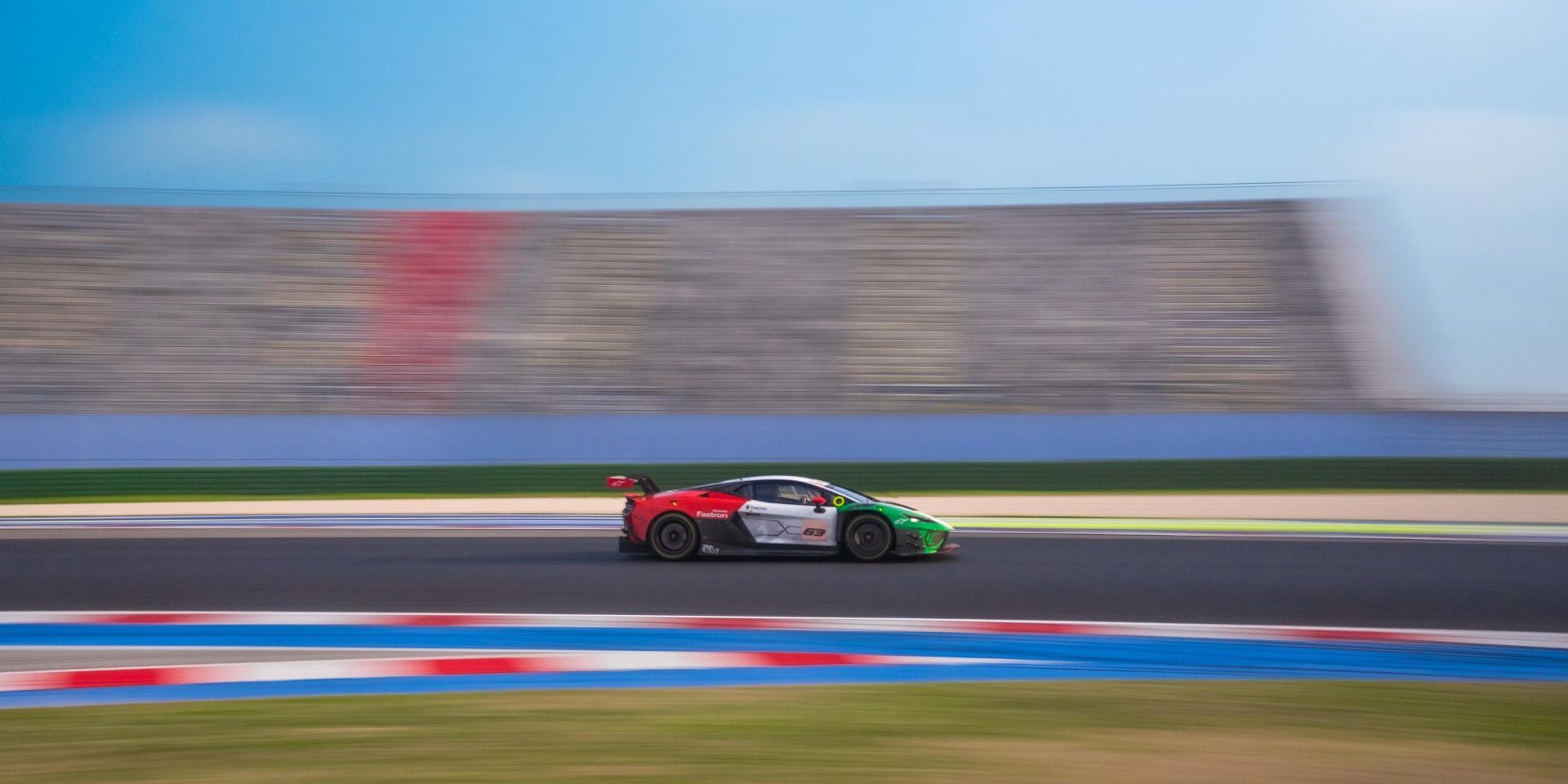
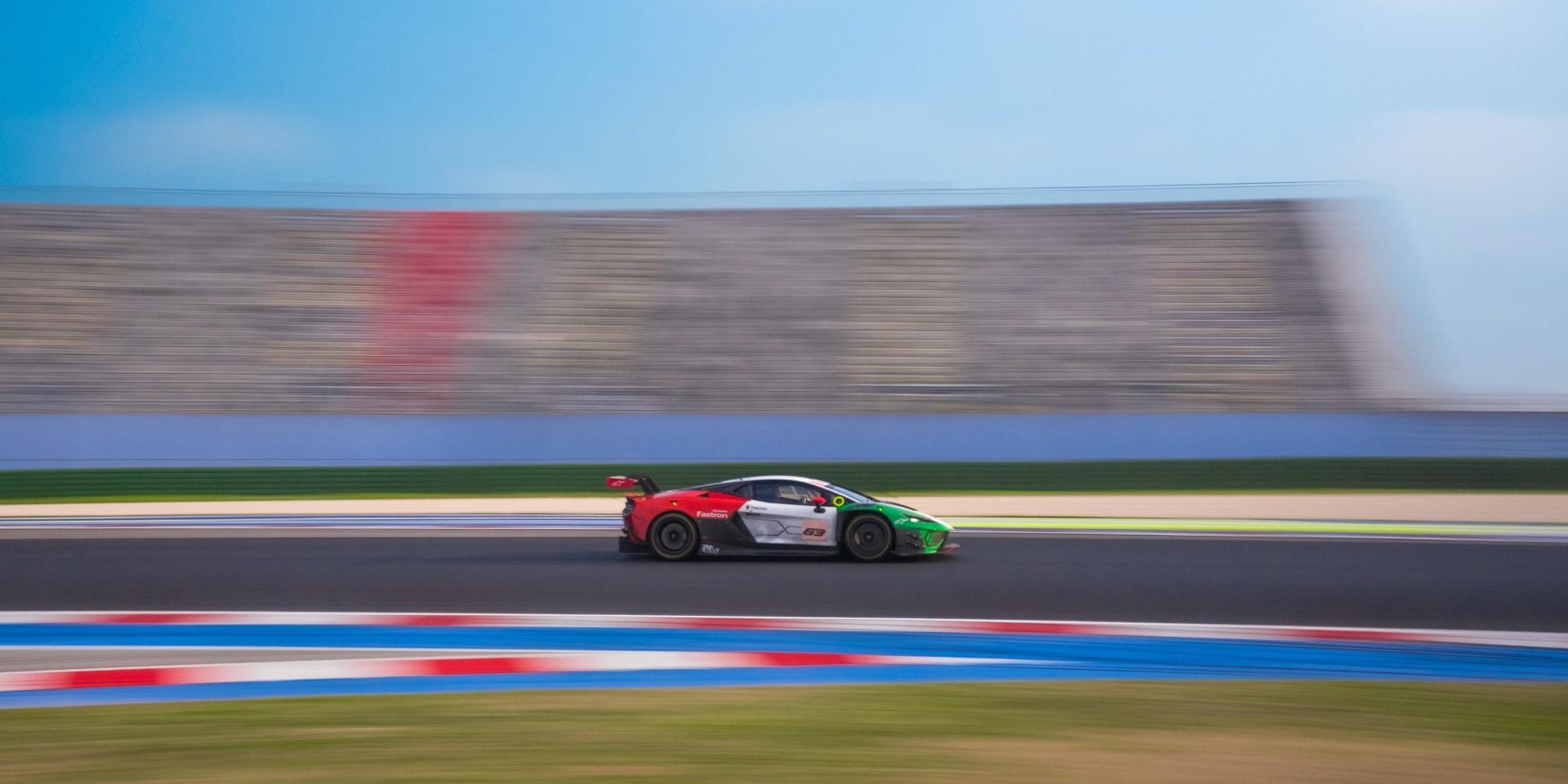

With the debut of the Temerario GT3 set for the 2026 12 Hours of Sebring, Lamborghini enters a new phase in its motorsport history, marking the first time a competition car has been entirely designed, developed and produced in-house from the very beginning. More than just a new race car, the Temerario GT3 represents the culmination of a strategic journey that has progressively reshaped Lamborghini’s approach to customer racing over the past decade.
Lamborghini was not originally founded as a racing brand. In the 1960s, Ferruccio Lamborghini did not believe motorsport was an appropriate tool to promote his road cars, particularly during a time when racing carried significant risks that could have damaged the young company’s reputation. Today, however, the context has fundamentally changed. Motorsport has evolved into a highly professional and technologically advanced arena, and it is now Lamborghini’s own customers who demand authentic, factory-developed racing cars.
That demand led to the creation of Lamborghini Squadra Corse in 2013, initiating a structured and long-term commitment to customer racing. The early Gallardo Super Trofeo / GT3 programs marked Lamborghini’s entry into modern GT competition, initially relying on external technical partnerships. A decisive shift came in 2015 with the Huracán GT3, when the company began progressively internalizing engineering processes, development activities and ultimately production at Sant’Agata Bolognese.
The Huracán program became a genuine case history in GT racing. Over 10 years, it achieved more than 200 race victories worldwide and secured 99 championship titles, including the 2024 DTM drivers’ Championship and the landmark victory at the 2025 24 Hours of Spa. The project evolved significantly over time. While the first Huracán GT3 shared a strong technical relationship with its sister car within the Audi Group, the EVO and later EVO2 versions progressively gained technical independence and a more distinctive Lamborghini identity. Dedicated solutions such as a bespoke braking system developed together with key suppliers and a Squadra Corse-designed intake system not only enhanced performance but also generated valuable in-house know-how.
“With the Huracán we built experience and technical confidence,” explains Marco Mapelli, Lamborghini Factory Driver and test driver since 2017. “Especially with the EVO and EVO2, the car became increasingly independent and more aligned with Lamborghini’s own philosophy. That project gave us a very strong foundation.”
The true turning point, however, comes with the Temerario. Unlike its predecessors, the new GT3 car was conceived in parallel with the road-going Temerario from the earliest development stages. Although the race version shares its core architecture with the production model, the absence of the hybrid system makes it effectively a parallel project rather than a simple derivative.
“With Temerario GT3, we have reached full technical maturity in motorsport,” says the Chief Technical Officer Rouven Mohr. “For the first time, the car was designed, developed and engineered entirely in-house from day one. The integration between road car R&D and racing engineering allowed us to create a highly sophisticated and efficient platform that represents the third generation of Lamborghini GT3 cars.”
This integration is particularly evident in the powertrain development. The same engineers responsible for the road car’s new-generation four-liter twin-turbo V8 engine were directly involved in calibrating the race version. That shared expertise accelerated development and ensured a deep technical understanding of the engine’s potential in both configurations.
From a project management perspective, the approach was clear from the outset. “Temerario GT3 was conceived with motorsport in mind from the earliest stages,” explains Gianluca Sivestrini, Temerario GT3 Project Manager. “The chassis architecture, the packaging of the powertrain and the serviceability solutions were engineered specifically to meet the demands of endurance racing and customer teams. Our objective was not only pure performance, but also operational efficiency and ease of intervention during race weekends.”
Testing began in the summer of 2025, and the car immediately demonstrated strong fundamentals. Over 15,000 kilometers were completed across multiple circuits without significant reliability concerns, reinforcing confidence ahead of its competitive debut.
“When a race car has a solid base, you feel it straight away,” adds Mapelli. “From the first tests, the Temerario GT3 showed strong reliability and very clear sensitivity to setup changes. One of our key targets was drivability. The Huracán was extremely competitive but not always easy at the limit. With the Temerario, we focused on making the car more accessible, especially for gentleman drivers, while keeping performance at the highest level. The new twin-turbo V8 delivers strong torque and offers very interesting characteristics, even if we say goodbye to the iconic sound of the naturally aspirated V10.”
Parallel to the technical evolution, Lamborghini has also taken a decisive industrial step. For the first time, race cars are assembled in a fully dedicated production area at Sant’Agata Bolognese, separate from the road car lines. Five modular assembly bays, convertible between GT3 and Super Trofeo configurations, are operated by specialized technicians focused exclusively on motorsport vehicles. This ensures complete independence from series production and allows full control over quality standards.
“Internalizing the production of our race cars is a strategic decision,” states Ranieri Niccoli, Head of Production. “With a dedicated assembly area, we now control 100 percent of the quality process. Every Temerario GT3 is handcrafted by specialized technicians within Lamborghini. This investment clearly demonstrates our long-term commitment to customer racing.”
The only shared element with road production remains the initial assembly of the V8 engine, built on the same engine line to ensure consistency and traceability before undergoing dedicated motorsport rework within R&D, including the race-specific turbo configuration.
Customer integration has also been central to the project’s rollout. At circuits such as Misano, Lamborghini has hosted the first teams receiving the car, including established partners, to align engineering processes, communication workflows and operational procedures. These sessions go beyond simple testing: they ensure that engineers, mechanics and drivers fully understand the car’s systems, control strategies and setup philosophy before entering competition.
“Once the championship starts, every team operates independently,” concludes Mapelli. “But days like these are fundamental. They allow teams to build confidence with the car and with our way of working. That shared understanding creates the team spirit that is essential in endurance racing.”
With the Temerario GT3, Lamborghini confirms that customer racing is no longer an extension of its road car activity but a structural pillar of its long-term strategy. From the Gallardo to the Huracán and now the Temerario, the brand has progressively strengthened its technical independence, industrial capability and competitive ambition.
The third generation of Lamborghini GT3 cars is not only more advanced and more sophisticated than ever before — it also represents a fully integrated vision in which design, engineering, production and sporting performance converge under one roof in Sant’Agata Bolognese.
Lamborghini Temerario GT3


Leave a Comment
More in News

How to Remove Moisture From Inside Your Headlight Before It Costs You £500

What Red and Amber Warning Lights Actually Mean (and Which Fail an MOT)

How to De-Ice Your Windscreen Fast Without Cracking It (and Staying Legal)

New Cars Face Euro 7 Rules From 29 November With a £264 Price Rise

What the Traffic Penalty Tribunal’s 33 Percent Success Rate Means for Every Driver
Trending on Motoring Chronicle

York Council Made £10 Million from Parking but Spent Just £5 Million on Roads

Every UK Driver Risks a £70 Fine as Yellow Box Junctions Earn Councils Millions
Ford Recalls 47,587 F-150 and F-250 Trucks Over a Rearview Camera Glitch

Subaru UK Offers £1,000 Trade-In Bonus on Crosstrek, Forester and Outback Until 30 June