
How to Spot a Washed Title Before You Buy a Used Car

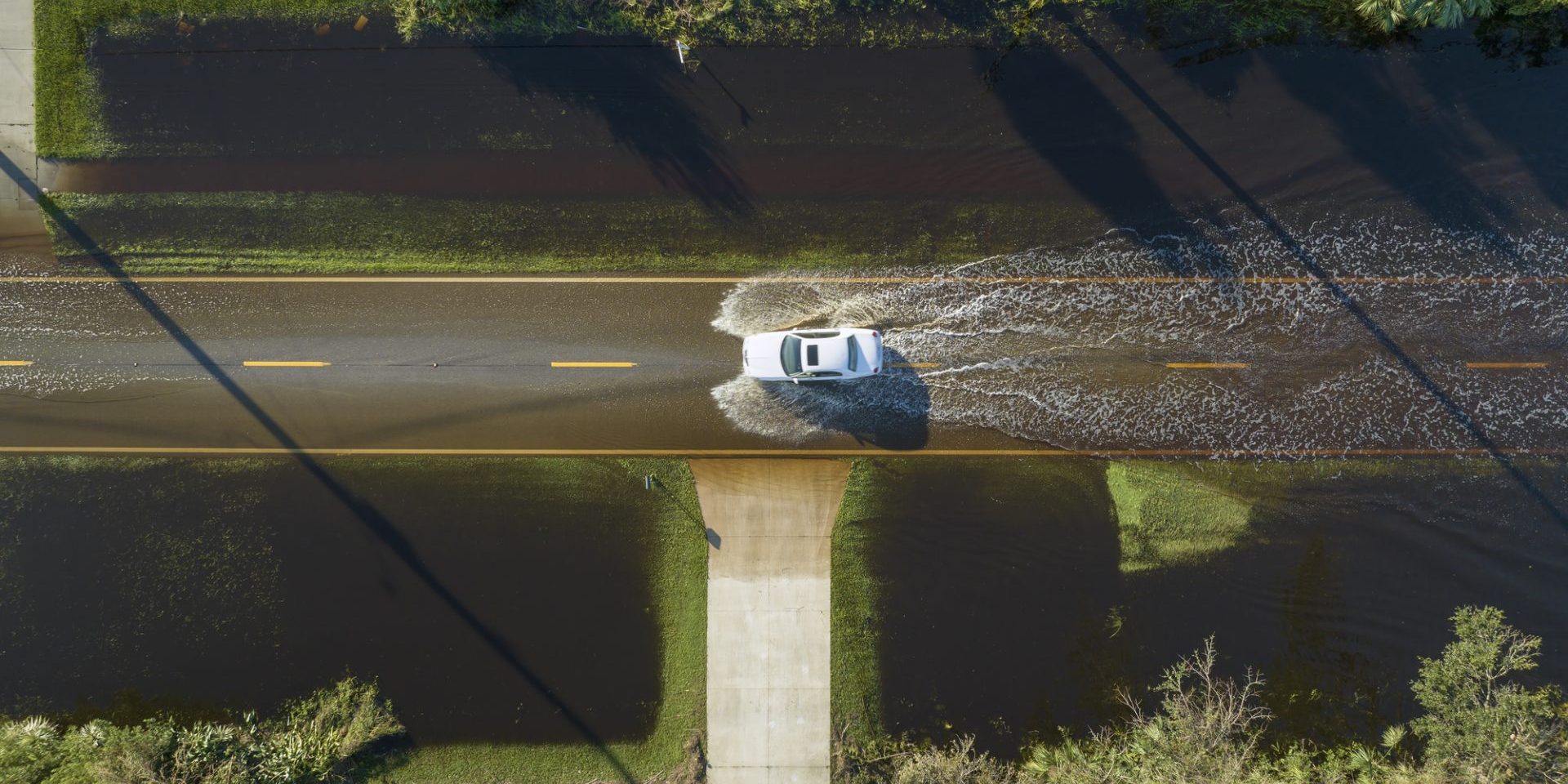
Nearly half a million water-damaged cars returned to American roads in 2025, according to CarFax data, and a portion of them were resold with no mention of the flood damage on the title. The practice is called title washing, and it works by moving a branded vehicle across state lines into a state with looser title rules, erasing its history in the process.
Tropical storms from June through August 2025 damaged 45,000 vehicles, down from 89,000 the year before, CarFax reported. But storm damage from prior years keeps circulating: 482,000 water-damaged cars returned to the road in 2025 alone, with Florida, Texas and Kentucky logging the highest concentrations of flood vehicles. A car does not need to be destroyed by this year’s storm to end up on a used lot with a hidden flood history from years ago.
How Title Washing Actually Works
When an insurance company declares a flood-damaged car a total loss, it is supposed to receive a salvage title, a document plainly marked, or branded, with a word like salvage or flood so future buyers know what happened to the vehicle. Some states mark that history with an obscure letter or number code rather than a plain word, which already makes the brand harder for an average buyer to spot.
Title washing exploits the gap between state systems. A car branded salvage in one state can, in some cases, be retitled in a second state that either does not check national title records closely or does not brand flood vehicles at all. Once the vehicle receives a new title in the second state, its official record can show no trace of the flood or salvage history, even though the underlying damage never went away. Consumer Reports has documented cases where flood-damaged vehicles reappeared with what looked like a completely clean title after this kind of state-hopping.
Why This Keeps Happening After Every Storm
After Hurricane Katrina, authorities documented truckloads of flooded vehicles being driven out of Louisiana to states as far away as the upper Midwest, where they were dried out, cleaned and prepared for resale to buyers with no reason to suspect a hurricane connection. That pattern repeats after nearly every major flood event: damaged vehicles get purchased cheaply at salvage auctions, then transported well outside the region where the storm actually happened, specifically to reach buyers less likely to recognize the warning signs.
The National Motor Vehicle Title Information System, or NMVTIS, exists to close this loophole by maintaining a permanent, cross-state record of title brands that is not supposed to disappear when a car gets retitled somewhere new. The system now covers about 96 percent of all vehicles titled in the United States, giving it broad reach, but it depends on every state consistently reporting brand information, and gaps in that reporting are exactly what title washers rely on.
Warning Signs a Used Car Has Flood Damage
Consumer Reports’ chief mechanic, John Ibbotson, recommends inspecting a used car closely even when it drives and looks fine at first glance. Water damage to electronics and corrosion can take months or years to surface. A handful of physical checks can catch what a clean-looking title will not:
Check the carpets for a musty smell or caked-on mud, and be suspicious of brand-new carpet in an otherwise older vehicle. Look at the screws holding the seats to the floor for signs they were recently removed: drying a flooded interior requires pulling the seats out first. Inspect the headlights and taillights for a faint waterline on the lens or reflector. Check hard-to-clean spots like the gaps between body panels in the trunk and around the engine bay for mud or debris, and look for a waterline ring around the engine compartment itself.
Look at the underside of brackets and panels where road grime would not normally settle, and check any bare, unpainted screws under the dashboard for rust. Check the rubber drain plugs on the underside of the car and doors to see whether they were recently removed. That is sometimes done deliberately to drain floodwater out. Finally, check the engine oil for a milky, discolored appearance and the air filter for a soggy or warped cardboard shell, both signs water reached systems it never should have touched.
Tools That Can Catch a Washed Title
Before buying any used car, run its VIN through the National Motor Vehicle Title Information System website, which directs consumers to government-approved vehicle history providers. CarFax offers a free flood damage check in addition to its paid full history reports, using the vehicle’s registration address history alongside reported flood records to flag a possible connection.
The National Insurance Crime Bureau’s VINCheck tool offers a free basic search for evidence of theft or salvage branding, though it draws on fewer data sources than paid vehicle history providers. None of these tools are complete on their own. A vehicle history report is a strong starting point, but Consumer Reports stresses that a hands-on inspection, or a pre-purchase check by an independent mechanic, remains the most reliable way to catch damage a washed title was built to hide.
Red Flags Beyond the Physical Inspection
Beyond the car itself, the paperwork surrounding a sale can carry its own warning signs. Be cautious of a used car offered with only a bill of sale rather than a title, or one whose seller describes the title as lost. A title that shows several owners across different states in a short span, or a title that looks unusually new on an otherwise older vehicle, both deserve a closer look before money changes hands. A price that sits noticeably below the going rate for the same make, model and year is another common signal. Title washers typically need to sell fast and cheap before a buyer looks too closely.
Why Insurance Makes This Worse Later
A washed title does not just mean a buyer overpaid for a damaged car. It follows the vehicle into every insurance claim filed afterward. Insurers investigating a mechanical or electrical failure on a vehicle with a hidden flood history can deny coverage entirely if they later trace the failure back to water damage that was never disclosed at the time of purchase, leaving the owner responsible for repairs a policy would otherwise have covered.
Resale creates a second layer of exposure. An owner who unknowingly bought a washed-title car and later sells it to someone else can find themselves accused of concealing the same defect, even if they had no idea the car ever touched floodwater. That is one more reason a full vehicle history check belongs at the start of any used car purchase, not just at the point of resale.
What to Do If You Already Bought a Washed Title
Buyers who learn after the fact that a car they purchased has a washed title should start by filing a complaint with their state’s attorney general consumer protection office and the dealer licensing board, alongside a report to NMVTIS through the vehicle history site so the record can be corrected for future buyers. Many states also allow a civil suit against the seller for fraud when a branded title was knowingly concealed, though outcomes vary by state law and by whether the seller was a licensed dealer or a private individual.
The most reliable protection remains prevention: running the VIN through NMVTIS and a paid history report, inspecting the car in person for the physical signs above, and paying a trusted independent mechanic for a pre-purchase inspection before any money changes hands, especially on a private sale where there is no dealer license on the line if something turns out to be wrong.
Sources:
- Consumer Reports: Beware a Flood of Flooded Cars
- National Motor Vehicle Title Information System: For Consumers
- Experian: What Is Title Washing?
- CARFAX: What Is Title Washing?

Leave a Comment
More in News

What Counts as Fair Wear and Tear When You Hand Back a PCP Car

Every Car Since 2012 Can Fail Its MOT Over a £60 Warning Light

Start Rescue Warns Nine in Ten UK Drivers Blinded by Headlight Glare

GEM Warns Drivers to Give Pedestrians and Horse Riders Extra Space This Weekend

How Often Should You Rotate Your Tyres (and What Skipping It Costs You)
Trending on Motoring Chronicle

Kia Expands GT Range with EV3 GT, EV4 GT and EV5 GT

Rolls-Royce Spectre Series II Gains 390-Mile Range and 500kW Black Badge

Why EV Charging Slows Down at 80% (The Science Explained Simply)

Why Mitsubishi Recalled 67,146 Outlanders Over a Vanishing Rearview Camera
