How the BMW Group considers sustainability – all the way into the vehicle interior


With the new BMW i3, BMW is reaffirming its holistic approach to product sustainability – shining a light on a relevant dimension of product development that has been less visible up until now: health and well-being in the passenger compartment. To address this aspect of vehicle development, interior air quality, material selection and olfactory perception are systematically studied and evaluated at the company’s own odor laboratory.
Holistic product sustainability as a guiding principle.
BMW considers sustainability throughout a vehicle’s entire lifecycle – from raw material extraction through the supply chain and production all the way to the use phase and recycling. This 360° approach combines product sustainability, technological innovation and long-term company success. Health and well-being are embedded into product development and systematically integrated into processes and standards.
Interior air quality and its impact on health.
Vehicle interior air quality is an important factor for health and well-being inside the vehicle. Emissions from materials, as well as influences such as tempera-ture and humidity directly impact vehicle occupants. When selecting materials for the vehicle interior, BMW therefore pays close attention to avoiding emissions that could be detrimental to health. For more than 25 years, the company has relied on its own testing methods to measure and evaluate emis-sions and scent profiles in the vehicle interior. The latest findings from toxicology, health and sensory research are continuously applied to in-house stand-ards that BMW also actively shares in international standardization and specialized bodies.
The aim is to ensure the interior has a scent that is authentic, discreet, and reinforces the brand’s premium promise. The use of artificial fragrances is deliberately avoided.
Scent as a subconscious dimension.
The BMW Group deliberately addresses on scent in the vehicle interior, as this has a significant influence on the occupants’ health and well-being.
Scents act directly on the limbic system, evoking emotions and memories, and contributing to the subjective feeling of safety. A pleasant and subtle scent is therefore part of the premium experience and an expression of the brand’s as-pirations.
By minimising harmful emissions and selecting high-quality materials, BMW acknowledges its responsibility for the health of its customers. Managing scent is therefore part of a holistic approach to sustainability across the entire lifecycle.
Inside the BMW Group scent laboratory.
At BMW’s scent laboratory, materials, components, and complete vehicle interiors are tested under realistic conditions. The analysis relies on the integration of modern measurement technologies and the trained sensory evaluation of BMW experts. Humans remain central to this process. This approach ensures compliance with legal requirements and adherence to internal quality standards. Scent is viewed as part of a multi-sensory, holistic experience. What matters most is not the individual component, but the interaction of all materials in the vehicle interior, which determines the overall olfactory experience.
Health and well-being as elements of product sustainability.
The new BMW i3 embodies an aspiration that applies to the entire BMW brand portfolio: In addition to a consistent decarbonization strategy throughout the vehicle lifecycle, the model relies on a high percentage of secondary materials and innovative material concepts for the interior.
“Health and well-being are an integral part of product sustainability for us. Environmental factors and a growing health awareness are changing how we perceive our living spaces – including our cars. Our customers expect products that are designed to take their health and well-being into account. That is why interior air quality is a key product feature in our holistic approach to sustainability,” according to Nils Hesse, Vice President Product Sustainability at the BMW Group.

Leave a Comment
More in News

Car Prices Are About to Spike: Up to $8,900 More Per Vehicle (2026 Tariff Explained)

How Fast Can You Drive on a Spare Tire?
What Is The Optimal Speed For Fuel Economy?

How Does Tire Pressure Affect Fuel Economy?

What Is a Crossover SUV?
Trending on Motoring Chronicle
Why Is My Fuel Economy Getting Worse?

Building the case for AV safety: A framework for scalable autonomy
Sporty vRS versions complete the new Škoda Enyaq family as range toppers [Photo Gallery]
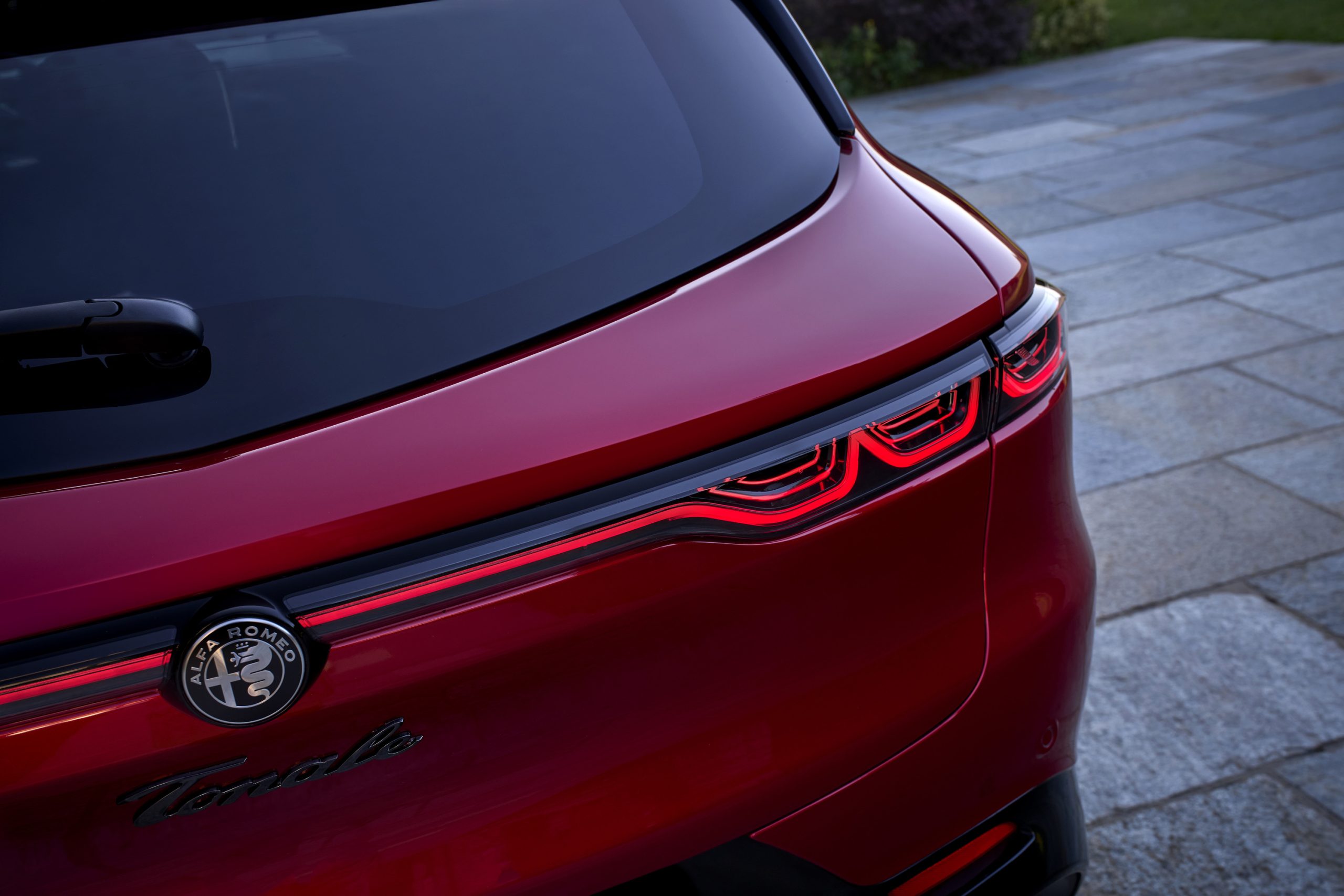
Alfa Romeo Unveils the 2026 Tonale: The Most Expressive and Dynamic Yet