
Honest Drivers Now Pay a Hidden £40 Levy for Britain’s Uninsured Driving Crisis


Every honest driver in Britain is now paying £35 to £40 a year to cover the crimes of strangers. That is the hidden levy built into the average car insurance premium to compensate victims of uninsured and hit-and-run drivers, according to the Motor Insurers’ Bureau’s own 2026 figures, and it has climbed roughly 20 per cent in just two years.
The MIB and UK police forces confirmed that nearly 160,000 uninsured vehicles were seized over the past twelve months, a 15 per cent rise on the year before. A vehicle is now taken off the road under the crackdown, called Operation Drive Insured, roughly every three minutes. Even with that scale of enforcement, the MIB estimates more than a million uninsured vehicles remain active on UK roads, with around 300,000 of them driven on any given day.
The Bill Every Insured Driver Is Quietly Paying
Compensating victims of uninsured and untraced drivers now costs the UK more than £550 million a year, a figure that has helped push the wider economic cost of uninsured driving toward £2.8 billion, up from £2.4 billion in 2024. None of that money comes from the uninsured drivers themselves. It is recovered through a levy folded into every legitimate motor insurance policy sold in the country, adding an estimated £35 to £40 to the average annual premium, up from around £30 two years ago.
The Motor Insurers’ Bureau exists specifically to pay out to victims when the driver responsible cannot be identified or was never insured in the first place. Its 2026 Business Plan describes uninsured driving as a public safety crisis costing the UK over £1 billion a year and sets out a five-year strategy, Accelerating to Zero, aimed at ending uninsured driving entirely. James Dalton, the MIB’s chief executive, has been blunt about the human cost behind the figures: “Every week, at least one person is killed by a driver who is not insured. These aren’t just administrative errors, they are deliberate choices that leave families devastated.”
The MIB’s own case studies put a face on the statistics. One victim, Kevin, was riding his motorcycle when an uninsured van driver collided with him, leaving him with what he describes as horrendous injuries. “I hit the road with my face,” he said. “I kept thinking about my future, how was I going to make a living in this state?” His compensation came through the MIB’s Uninsured Drivers Agreement rather than from the driver responsible, who carried no policy and, in many such cases, no meaningful assets to pursue instead.
Why the Numbers Keep Rising
Rising premiums appear to be part of what is driving more people to risk driving without cover. As car insurance costs hit record levels in early 2026, a growing number of motorists have reportedly opted to risk it, betting they can evade detection rather than pay for a policy. That bet is getting harder to win. The MIB’s upgraded insurance database platform now integrates directly with police Automatic Number Plate Recognition cameras, allowing officers to identify an uninsured vehicle from its plate the moment it passes a camera.
Enforcement activity has run heaviest in major cities. Over 1,000 vehicles were seized within the City of London’s square mile alone in the past year, while forces in Greater Manchester and the West Midlands reported their busiest year for vehicle impounds in a decade. Once a vehicle is seized, the owner has 14 days to produce valid insurance and pay storage and release fees before it is either sold at auction or, in roughly one in three cases, crushed and recycled.
Who Actually Pays for This
The injustice sits in who carries the cost. A driver who pays every premium on time, never claims and never puts a foot wrong still funds compensation for a stranger’s decision to drive uninsured. Statistics gathered by the MIB show drivers who go without insurance are also more likely to be involved in other criminal activity, including drug trafficking and dangerous driving, meaning the levy is not simply covering a paperwork lapse but underwriting a pattern of higher-risk behaviour on the roads.
The government is now consulting on tougher penalties for repeat offenders, including the possibility of an automatic driving ban for a first uninsured driving offence, rather than the current fixed penalty of £300 and six points, which many drivers already treat as a cost of doing business rather than a genuine deterrent. Whether that consultation results in a change strong enough to shift behaviour, or simply adds another layer of paperwork for police to enforce, remains to be seen.
The MIB has also flagged the arrival of e-scooters, self-driving vehicles and other new forms of transport as a fresh source of confusion over who is liable when something goes wrong. As those technologies spread across UK roads faster than the law can keep pace, the MIB says it is working with government and manufacturers to define what happens when a vehicle, rather than a driver, is responsible for a collision, and to make sure victims are still protected under those newer scenarios rather than falling into a gap the current rules were never built to cover.
How to Check You Are Not Paying Twice
Every driver can check their own vehicle is correctly recorded on the Motor Insurance Database for free at askMID.com. A new policy can take up to seven working days to appear on the database, so it is worth checking a week after any new cover starts rather than assuming it has registered instantly, most of all if you have just switched provider.
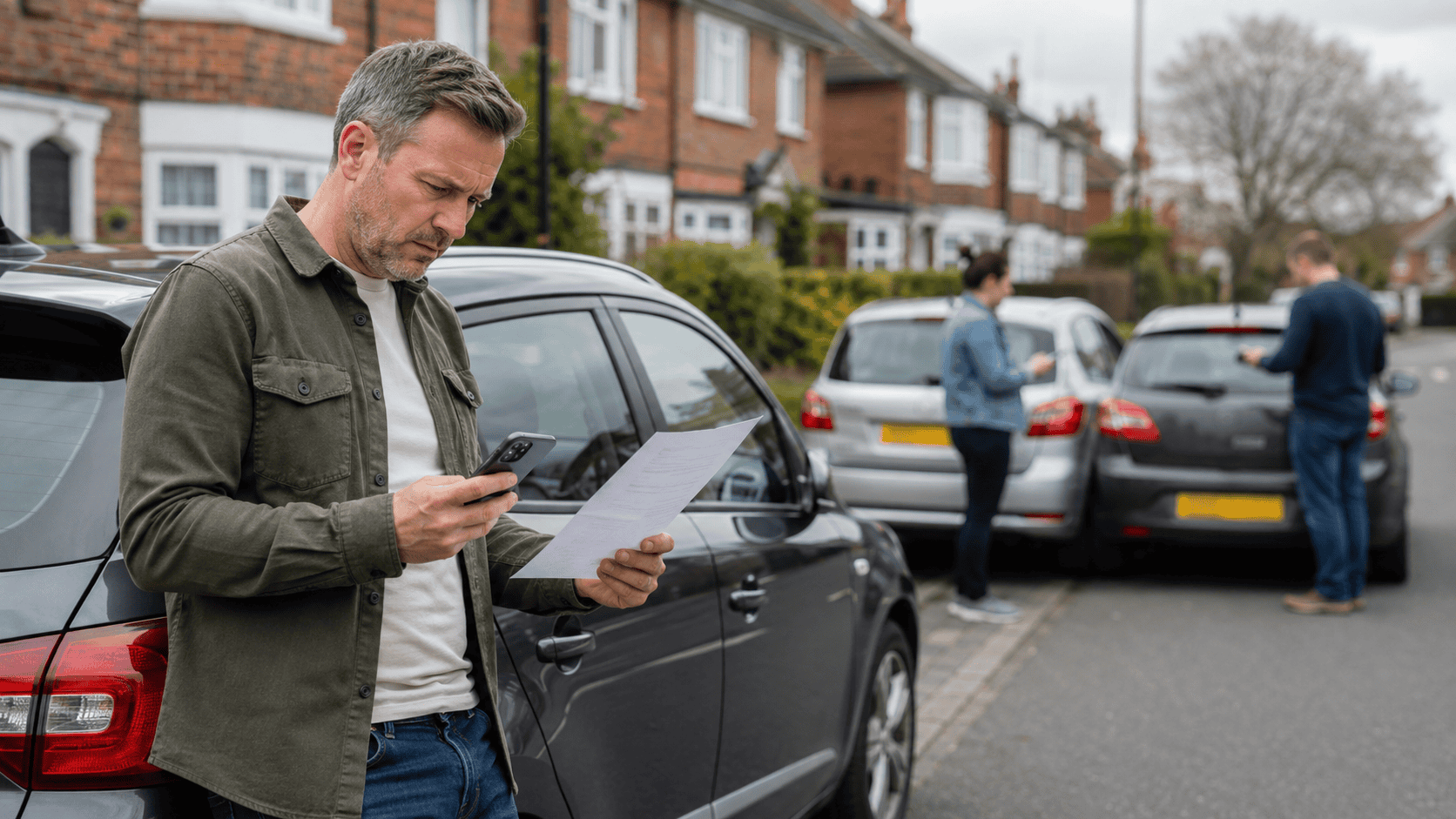
If you are ever involved in a collision, use askMID’s third-party lookup service to check the other vehicle’s insurance status using its registration and the date of the incident, for a small fee. If no record comes back, the other driver is quite possibly uninsured. Report the collision to the police immediately and contact the MIB directly: its Uninsured Drivers Agreement exists precisely to let victims claim compensation even when the driver at fault has no policy in place.
Anyone who suspects a specific vehicle in their neighbourhood is being driven without insurance can report it directly to their local police force or through Crimestoppers, giving the registration number, location and time of day it is typically seen. That information feeds directly into the ANPR network now driving Operation Drive Insured’s seizure rate. Staffordshire and Thames Valley police have already been equipped with new high-tech pursuit vehicles and expanded data access specifically to act on these reports, so a tip that once went nowhere now has a genuine route to a seizure. For related coverage on the wider cost of motor cover this year, see our report on car insurance rising for the first time in two years as claims hit £5,464 and our piece on why Aviva wants black box insurance made compulsory for every new driver.
Until uninsured driving actually falls, rather than simply being caught more often, the levy on honest drivers’ premiums has little reason to shrink. Checking your own record costs nothing and takes five minutes, which is more than can be said for untangling a claim after being hit by a driver who was never insured to begin with. For new and young drivers in particular, whose premiums already run several times higher than an older driver’s, the temptation to cut corners on cover is real, but the maths rarely works in their favour once seizure, storage and release fees are added to the cost of the policy they were trying to avoid buying.
Sources:

Leave a Comment
More in News

How to Free a Frozen Handbrake (and What a New Cable Costs)

What Winter Tyres Actually Do for UK Drivers (and Whether You Need Them)
Renewing Car Insurance on the Day Cover Ends Costs Drivers £331 More, MoneySupermarket Shows

Every Driver Faces £500 Seatbelt Fines as AI Cameras Flag 19,145 Possible Offences

How to Remove Moisture From Inside Your Headlight Before It Costs You £500
Trending on Motoring Chronicle

Alfa Romeo Tip B (P3) Wins Concorso D’Eleganza ‘Best In Show’

How an Ordinary DVLA Number Plate Sold for £17,644 (and How to Check Yours)
DVSA Reveals 1 in 14 Cars Fail Their MOT With a Dangerous Defect
What Your Alternator Warning Light Actually Means (and How Long You Can Keep Driving)
