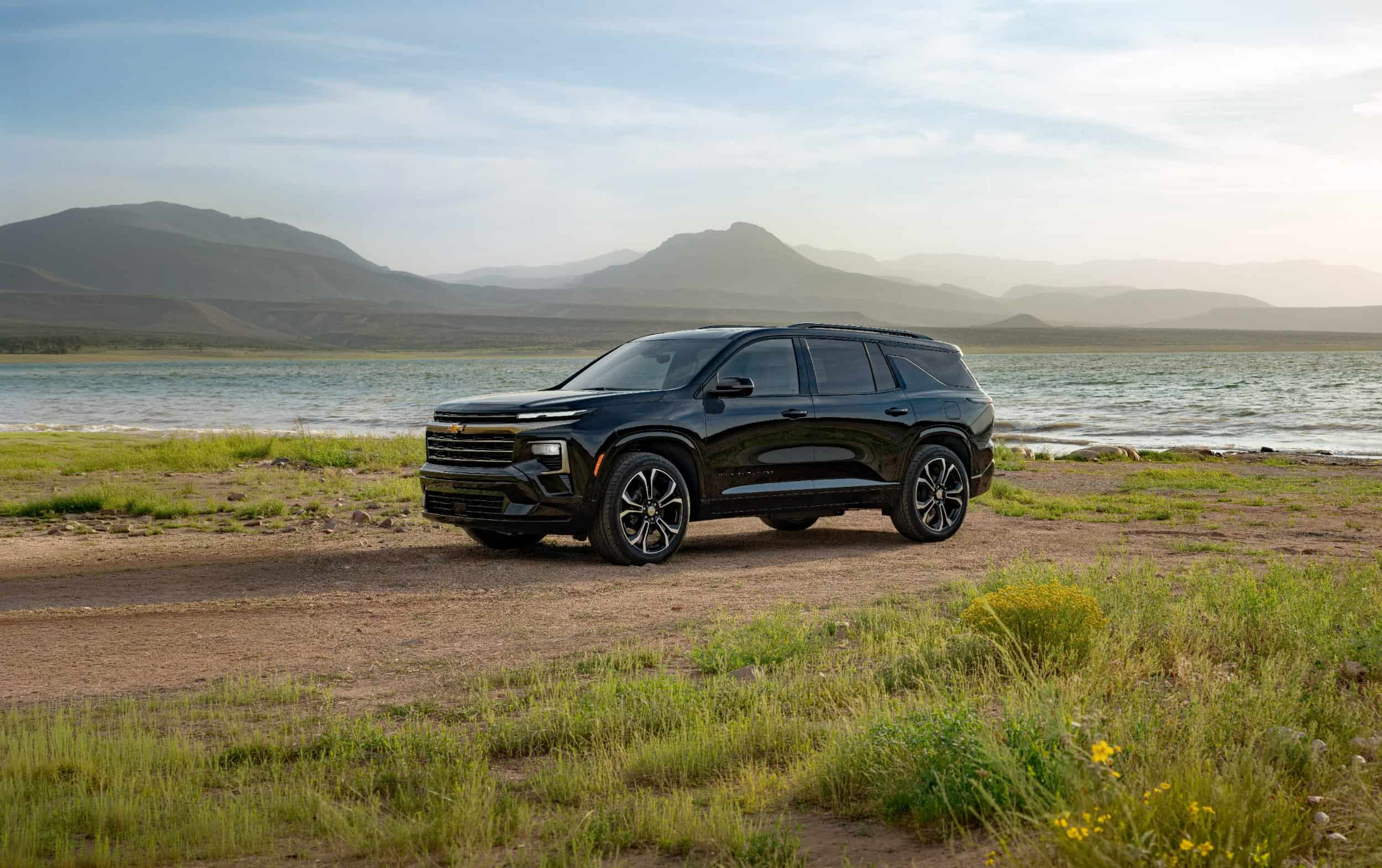
Car Insurance Rises for the First Time in Two Years as Claims Hit £5,464


Drivers who have watched their car insurance fall for two years now face a turn in the other direction. New figures from Confused.com show the typical premium has edged up by 1 percent over the past three months, an extra £8 on an average policy. The cash sum is small. The signal behind it is not, as this is the first quarterly rise the price index has recorded since the end of 2023.
For anyone renewing over the summer, the practical message is simple. The long run of falling quotes that rewarded shoppers through 2024 and 2025 is running out of road, and the drivers who keep saving money from here will be the ones who shop early and refuse to let a policy roll over on autopilot.
What the new Confused.com figures show
The Confused.com price index draws on around six million quotes, which lets it track a broad spread of ages, postcodes and vehicles rather than a handful of headline cases. Its latest reading puts the average comprehensive premium at about £719 a year. Over the past 12 months the typical price has still dropped by £38, a fall of roughly 5 percent. A year earlier, though, the annual fall was running at about 14 percent, so the rate of decline has collapsed and then tipped into a small increase across the most recent quarter.
That turn arrives after a brutal couple of years for household budgets. Premiums climbed to record levels through 2023 and early 2024 before the market cooled, so today’s £719 average sits below the peak but now points upward again. The worry for drivers is momentum: a market that handed out savings automatically has stopped, and the next renewal letter is more likely to ask for more than the last one did.
Averages also hide how uneven the market has become. A driver in their forties in a quiet postcode might renew for a few hundred pounds, while a 19-year-old in a city can still be quoted well over £1,800 for the same level of cover. Young drivers, new licence holders and owners of high-powered or electric models sit at the sharp end of any increase, so a 1 percent move in the national average can land as a far larger jump on an individual policy.
Matt Crole-Rees, motoring expert at Confused.com, said: “Drivers have benefited from car insurance price drops for some time now. But now we’re seeing that prices are starting to increase slightly in recent months, which means motorists could soon see their price increase when it comes to their renewal.”
Why premiums climb while fewer drivers crash
The odd part of the current picture is that Britain is making far fewer insurance claims. Confused.com found the number of claims has fallen by 59 percent, yet the average payout has moved the other way. The typical claim now costs £5,464, up 42 percent from £3,842 in 2020. Fewer incidents, each one far more expensive to settle.
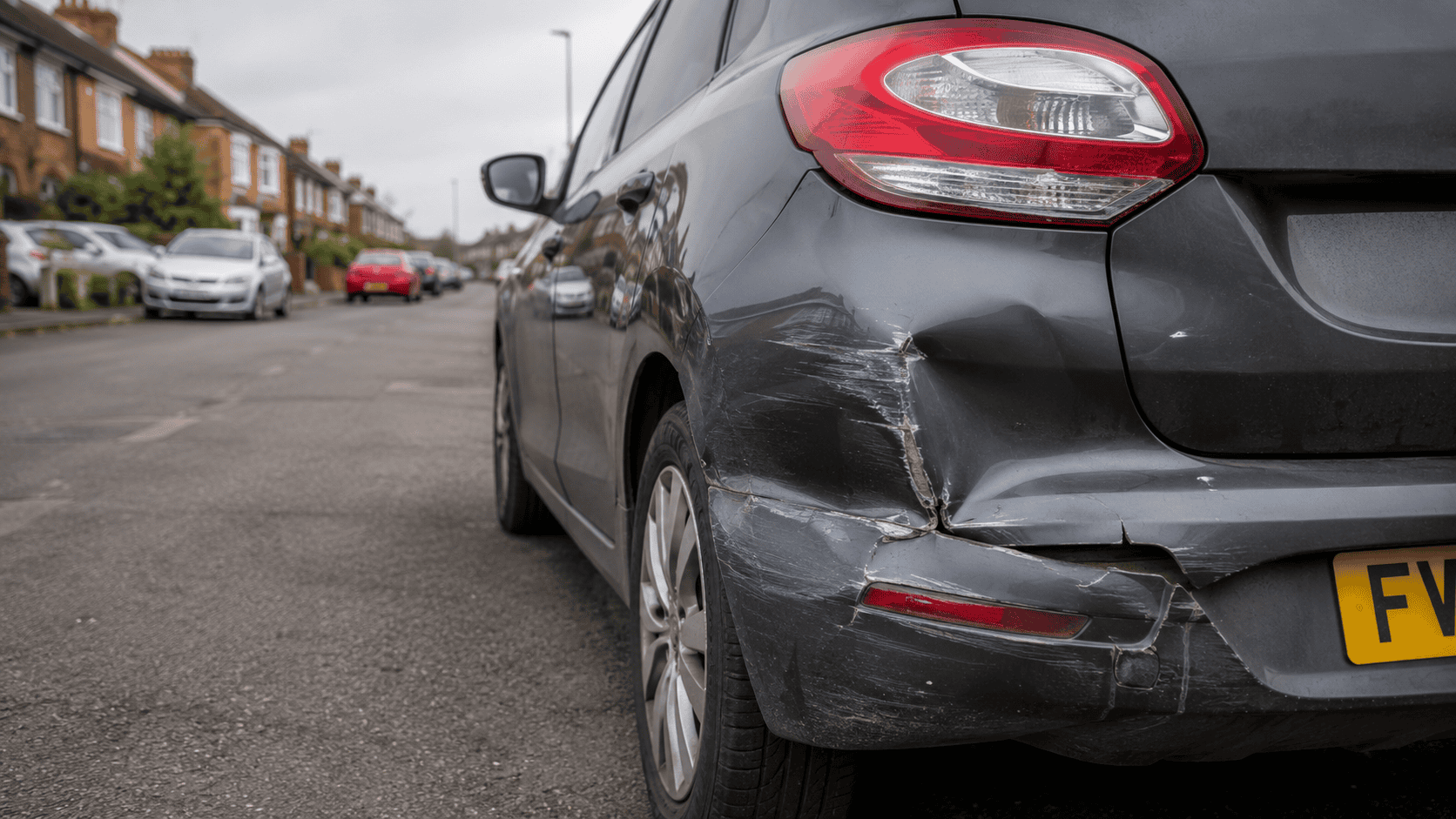
Repair bills explain much of that jump. Garage labour rates at some franchised dealers now reach £180 an hour. Modern bumpers and windscreens carry radar sensors, cameras and parking modules that turn a minor knock into a four-figure calibration job. Electric cars add another layer, and a damaged battery pack can write off an otherwise sound car and push repair times out for weeks. “When a claim is made, it’s more expensive for insurers to rectify,” Crole-Rees said, and insurers price that risk into every policy, including those held by drivers who never claim.
Wider inflation has not helped. The cost of replacement parts, paint and skilled labour has risen faster than the headline rate for several years, and many components are still shipped from overseas, so a weak run for the pound feeds straight into a bodyshop invoice. Insurers set next year’s prices on what they expect claims to cost, not what they cost today, which is why premiums can rise even in a quarter when crashes fall.
Theft and fraud pull in the same direction. Organised “crash for cash” scams cost the industry a record £576 million last year, and keyless car theft continues to target popular models by the tens of thousands. Every one of those losses lands back on honest drivers through higher premiums. Electric car owners feel it most sharply: repairers report longer waits and dearer parts for EVs, which has pushed some battery-car premiums up by as much as 72 percent in the worst cases.
Longer repairs cost insurers twice over. While a car sits waiting for parts, the driver often needs a hire vehicle, and those credit-hire and courtesy-car bills stack up by the day. At the same time, the rising cost of parts means insurers now write cars off sooner, as the repair estimate tips past the vehicle’s value faster than it once did. Both effects push the average claim higher and feed straight back into next year’s premiums.
The taxes and hidden costs stacked on your bill
Part of what you pay never reaches your insurer at all. Insurance Premium Tax adds 12 percent to every motor policy sold in Britain. On a £719 premium that works out at roughly £77 handed straight to the Treasury, a charge that has doubled from 6 percent in 2015 and that no amount of safe driving can remove.
Two more costs quietly inflate the figure many drivers actually pay. Spreading the premium over monthly instalments carries interest, often at an APR of 20 to 30 percent, so a £719 policy paid monthly can cost £100 or more on top of the headline price. And while the Financial Conduct Authority banned insurers in 2022 from charging loyal customers more than new ones for identical cover, add-ons, admin fees and automatic renewals still catch out drivers who never check the paperwork. The government has also convened a Motor Insurance Taskforce to hunt down the drivers of rising costs, though any relief from that work will take time to reach the pumps of the insurance market.
What to do before your renewal lands
The single most valuable habit is timing. Confused.com found that getting a quote 28 days before your renewal date, rather than on the day, can cut the price by up to 53 percent, as insurers treat last-minute buyers as a higher risk. Put the date in your diary and start shopping four weeks out.
One longer-term lever sits in the car you choose. Every model falls into one of 50 insurance groups, and picking a vehicle in a lower group, with a smaller engine, modest performance and cheaper parts, can shave a large slice off the quote before you have driven a mile. Buyers looking at an electric car should price the cover alongside the purchase, as the cheapest EV to buy is not always the cheapest to insure.
- Never let a policy auto-renew without checking. Run fresh quotes and take the best figure back to your current insurer to match or beat.
- Pay annually if you can, and sidestep the interest charged on monthly instalments.
- Raise your voluntary excess to a level you could still afford after a claim, which lowers the premium.
- Add an experienced, trusted named driver to a young driver’s policy, but never register them as the main driver when they are not, an offence known as “fronting” that voids cover.
- Choose a telematics or black box policy if you are newly qualified, where careful driving can cut hundreds off the cost.
- Give an accurate annual mileage and park off-road or behind a locked gate where you can, both of which insurers reward.
- Check insurers that sit outside the comparison sites, such as Direct Line and Aviva, before you commit.
None of this reverses the wider trend. With repair and claim costs climbing, the era of automatic annual savings is closing. For now, the drivers who come out ahead will be the ones who treat renewal as a deadline to beat rather than a letter to file.
Sources:
- https://www.motoringresearch.com/car-news/car-insurance-costs-increasing/
- https://www.confused.com/car-insurance/price-index
- https://motoringchronicle.com/?p=44513

Leave a Comment
More in News

Newcastle Drivers Paid £3.7 Million in Parking Enforcement as Council Income Jumps 23 Percent

Coventry Drivers Paid £5.4 Million in Parking Charges as Council Surplus Jumps 80 Percent

What Your Rights Actually Are When a Garage Overcharges or Botches a Repair
£625 Million of Detected Motor Fraud Costs Honest Drivers, ABI Figures Show

BYD Dolphin-G review: UK’s first plug-in hybrid supermini is a winning package
Trending on Motoring Chronicle

Bold and Compact: The 2026 Toyota Corolla Offers Impressive Features and Technology [Photo Gallery]
Parents admit shame of letting friends in their car due to child-made mess
2027 Kia Sportage X-Line Adds Standard Sunroof, Base Price Starts at $28,990

BMW iX1 and iX2 Qualify for £3,750 Electric Car Grant, Prices From £33,315