GEM Warns UK Drivers Over Five Heatwave Hazards as Hot Weather Hits Britain


GEM Motoring Assist is urging UK drivers to plan ahead, carry plenty of water and never underestimate the impact of high cabin temperatures on people and pets. With the current heatwave in full swing, the road safety and breakdown organisation has highlighted five specific risks that turn an ordinary trip into something far more demanding, especially in slow traffic and on long motorway runs.
The warning lands at a useful time for anyone planning a weekend drive, a school run or a journey with a dog in the boot. Heat changes how drivers think and react, and it changes how quickly vulnerable passengers can become unwell inside a parked or stationary car. Taking a few extra steps before setting off can stop a small problem becoming a serious one.
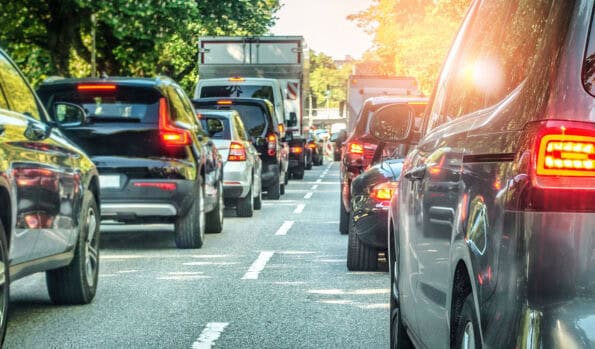
Driver Fatigue and Lost Concentration in Hot Conditions
GEM places driver fatigue at the top of its list. Hot weather can leave a driver feeling sluggish and sleepy, with concentration sliding away during long motorway sections or at the end of a tiring day. The risk is highest in slow-moving traffic and on busy A roads, where a brief lapse in attention can have serious consequences.
James Luckhurst, Head of Road Safety at GEM Motoring Assist, said: “A heatwave can make a car journey much more demanding for everyone. Drivers get tired, irritable or less focused, while passengers and pets can become distressed very quickly if the vehicle is too hot.”
He added: “The danger is not just about comfort; high temperatures can affect concentration, increase fatigue and create conditions in which vulnerable passengers are at real risk. That’s why every journey in very hot weather needs more planning, more observation and more care.”
Dehydration, Headaches and Slower Reactions
Even mild dehydration can leave a driver with a headache, slower reactions and poorer decision-making. GEM points out that if a driver starts to feel faint, unwell or unable to focus, continuing the journey becomes a safety risk in itself. Pulling into the next services for a cold drink and a short break is the safer option, particularly on a long motorway run.
Carrying enough cold water for every passenger, including pets, is a simple step many drivers still overlook. Energy drinks and strong coffee can mask tiredness for a short time, but they do not replace lost fluids and they can leave a driver feeling worse later in the journey. A reusable bottle filled before the trip costs nothing and stays useful for hours.
Children, Older Passengers and Pets Face the Highest Risk
The third hazard is the speed at which a hot, stuffy cabin can affect children, older people and anyone with an underlying health condition. A car stuck in traffic can heat up quickly, and a journey that should have taken thirty minutes can stretch into a far more demanding hour or two. Heat exhaustion can set in long before passengers say something is wrong, particularly in rear seats where airflow is often weaker.
Dogs are particularly vulnerable. A pet left in a parked car, even for a short time, will become unwell and distressed very quickly as interior temperatures rise. GEM warns that this risk does not disappear when the car is moving slowly or stuck on a hot stretch of road. The RSPCA has repeatedly highlighted the same point in summer, and a dog suffering heatstroke can need urgent veterinary care. UK drivers planning a day out should think carefully about whether their dog actually needs to come along, and what shade and water will be available at the other end. For more on protecting younger passengers, see our recent guide on how UK drivers can keep children safer on the roads this bank holiday weekend.
Tyres, Engines and Breakdowns Under Heat Pressure
Hot weather puts extra pressure on the car as well as the people inside it. GEM notes that heat can increase the likelihood of tyre problems, engine stress and breakdowns. A car stopping in a live lane on a smart motorway, on a busy A road or somewhere remote during a heatwave can turn into a much more serious incident than the same fault on a cool spring morning.
A pre-trip check of tyre condition, coolant level and windscreen washer fluid takes only a few minutes and can prevent a roadside breakdown in the worst possible conditions. Drivers should also make sure the air conditioning is working properly, particularly if the system has not been used since last summer. A faint air conditioning smell or a slow drop in cooling power is often a sign the system needs a re-gas before the heat properly arrives.
How to Drive More Safely During the UK Heatwave
GEM recommends a short list of practical steps for anyone travelling during the current spell of hot weather. Carry plenty of drinking water for everyone in the vehicle, plan longer journeys so you can take regular breaks in the shade or somewhere cool, and use air conditioning sensibly or keep the cabin well ventilated so you stay alert and comfortable.
The organisation says drivers should never leave children, older passengers or pets alone in a parked vehicle, even for a few minutes. Travelling at cooler times of day where possible is a sensible move, and anyone who already feels tired or unwell before setting off should think hard about whether the trip needs to happen at all. If anyone in the car shows signs of heat exhaustion or distress, GEM advises stopping somewhere safe as soon as possible and getting help if needed.
The advice follows a steady run of safety messaging from GEM this year, including its earlier warning that running a red light is a gamble with other people’s lives. With the forecast suggesting high temperatures will stick around for several days, the message from GEM is to slow down, plan ahead and treat the heat as a road safety issue rather than just a comfort one.

Leave a Comment
More in News

Starter Motor or Flat Battery? The Four Tests That Tell You

Will Cracked Tyres Fail an MOT? The Line the Tester Works To

Home Charging Saves EV Drivers £1,240 a Year Over Diesel, Ofgem Cap Shows

How to Open a Frozen Car Door Without Breaking the Handle or Seal
Diesel Drivers Covering 10,000 Miles Now Pay £2,020 in Fuel, RAC Data Shows
Trending on Motoring Chronicle
Private Parking Tickets Set to Hit a Record 17 Million as Drivers Confuse the Charges
What Euro 7 Emissions Rules Mean for Every Driver Buying a New Car from November
A new chapter for inimitable Bugatti design: welcome to the Bugatti Design Studio in Berlin [Photo Gallery]
Five Auto Settlements Are Paying Drivers Now, From Hyundai Airbags to State Farm Claims