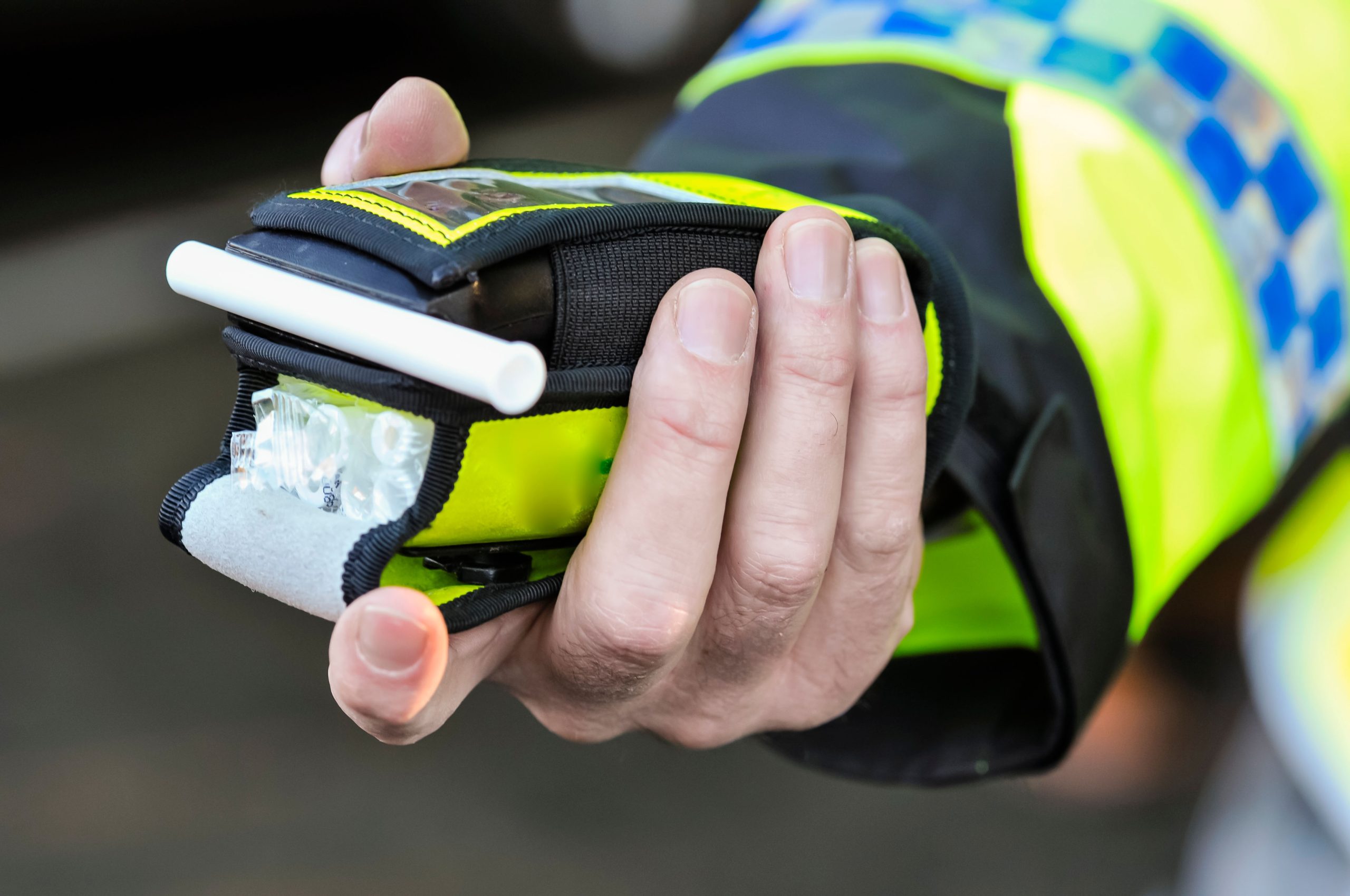
Georgia Made 350 DUI Arrests as Five Drivers Died in Labor Day Crashes


- Georgia troopers arrested 350 drivers for DUI and logged 352 crashes over the Labor Day weekend, including five fatal wrecks and 139 injuries.
- Arizona made 325 DUI arrests over the same holiday period, a third straight year of decline from 385 arrests in 2025 and 462 in 2024.
- Harris County, Texas, charged 297 people with drunk driving over the three-day weekend as part of a national enforcement push funded by NHTSA.
The Numbers Behind One of the Deadliest Weekends on the Road
Labor Day weekend results are now in from law enforcement agencies across several states, and they show a familiar pattern: heavy travel volume, aggressive enforcement, and a stubborn number of drivers who got behind the wheel drunk. Georgia’s Department of Public Safety reported 350 DUI arrests, 352 crashes, and five deaths across the 2026 holiday period, with 139 people injured in wrecks troopers investigated. Arizona logged 325 DUI arrests between September 4 and 7, continuing a downward trend from the year before. In Harris County, Texas, home to Houston, deputies and officers charged 297 drivers with driving while intoxicated over the same three days.
The arrests came out of coordinated patrols tied to the National Highway Traffic Safety Administration’s Drive Sober or Get Pulled Over campaign, which runs from mid-August through Labor Day each year and funds extra checkpoints, roving patrols, and overtime for state and local police departments willing to participate.
The campaign pairs paid advertising with a heavy law enforcement presence timed to coincide with one of the busiest travel weekends of the year. AAA projected tens of millions of Americans would drive at least 50 miles from home over Labor Day weekend, a volume that alone raises crash risk before alcohol enters the equation. Layer in end-of-summer parties, backyard barbecues, and long stretches of daylight driving after evening gatherings, and traffic safety officials rank Labor Day among the four or five most dangerous weekends of the year on American roads, alongside the Fourth of July and New Year’s Eve.
State by State, the Weekend Looked Different
Georgia’s toll was the most severe among the states reporting detailed figures. The Georgia State Patrol’s 78-hour enforcement period, which stretched from Thursday afternoon through the Monday holiday, produced 350 DUI arrests alongside 352 total crashes. Two dozen of those crashes involved a driver under the influence. Five people lost their lives on Georgia roads over the weekend, and 139 more were injured, numbers the department attributes directly to the volume of holiday travel combined with impaired driving.
Arizona told a more encouraging story. Officers made 325 total DUI arrests over the state’s enforcement window, down from 385 in 2025 and 462 in 2024. Two consecutive years of decline suggest either that fewer drivers are choosing to drive drunk on the holiday or that some combination of ride-hailing availability, public awareness campaigns, and earlier checkpoint deployment is having an effect. Arizona officials have not attributed the drop to a single cause.
In Texas, Harris County alone accounted for 297 DWI charges over the long weekend, a total that reflects the sheer size of the Houston metro area rather than a spike in per-capita impairment. Nevada also reported a multi-agency sweep across the Las Vegas area that combined DUI enforcement with weapons recovery, netting dozens of arrests and several confiscated firearms over the same stretch.
What a DUI Arrest Actually Triggers
Every state participating in Labor Day enforcement uses a blood alcohol concentration of 0.08 percent as the legal threshold for a standard DUI, though several states impose harsher charges above 0.15 percent, often labeled an aggravated or extreme DUI. A first-offense conviction typically brings a license suspension, court-ordered fines, mandatory alcohol education, and in many states an ignition interlock requirement that forces a driver to pass a breath test before the car will start. None of that accounts for the cost that follows a driver home: insurers routinely reclassify a DUI conviction as a high-risk event, and drivers frequently see their premiums rise by hundreds of dollars a year, sometimes requiring an SR-22 filing to keep coverage active at all.
The financial fallout rarely stops at insurance. Court costs, attorney fees, mandatory treatment programs, and reinstatement fees to get a suspended license back routinely push the total cost of a first-offense DUI past $10,000 once every expense is added up, according to estimates commonly cited by state bar associations and consumer advocacy groups. A second or subsequent offense multiplies those costs further and can bring mandatory jail time in many states, even for offenders who caused no crash and injured no one. Commercial drivers face an additional layer of consequence: a DUI conviction, even in a personal vehicle, can disqualify a driver from holding a commercial driver’s license for a full year on a first offense and permanently on a second.
Nationally, alcohol-impaired driving accounts for roughly three in ten traffic deaths in a typical year, a share that has held remarkably steady for more than a decade even as states have poured billions of dollars into enforcement, education, and technology. Holiday weekends consistently show a spike above that baseline rate, which is why NHTSA times its highest-visibility campaigns to Labor Day, the Fourth of July, and the winter holiday season.
That persistence frustrates traffic safety advocates who point out that ignition interlock devices, sobriety checkpoints, and lowered legal thresholds have all been shown individually to reduce impaired driving fatalities in controlled studies, yet the national share of alcohol-related deaths has barely budged. Some researchers argue the mix of countermeasures needs to expand toward newer approaches, including passive alcohol-detection technology now being piloted in a small number of new vehicles, rather than relying primarily on catching drivers after they are already on the road.
Why the Trend Lines Diverge Between States
Arizona’s three-year decline looks striking next to Georgia’s steady, sometimes grim totals, and traffic safety researchers point to a mix of factors that can push numbers in either direction. States that expand checkpoint frequency and publicize them heavily tend to see a deterrent effect, most of all among drivers who might otherwise gamble on getting home before getting caught. Ride-hailing penetration also plays a role in urban corridors, where a driver comparing the cost of a $20 ride against a DUI’s five-figure lifetime cost increasingly chooses the ride. Rural and exurban areas, where ride-hailing coverage is thinner and driving is often the only practical option, tend to show smaller improvements even when statewide totals decline.
What to Do Before the Next Holiday Weekend
Drivers planning around the next major holiday should treat a sober ride home as part of the plan before leaving the house, not a decision made at last call. Designating a driver in advance, saving a ride-hailing app on a phone with a payment method already loaded, or identifying a local taxi service ahead of time removes the moment of impaired judgment from the equation entirely. Many local police departments and MADD chapters also offer free or discounted ride programs around major holiday weekends, typically publicized in the weeks leading up to the event.
Drivers who are stopped at a checkpoint should know that refusing a breath test carries its own automatic license suspension in nearly every state under implied consent laws, separate from any penalty tied to an actual DUI conviction. Anyone facing a DUI charge from the Labor Day enforcement period should consult a licensed attorney in their state as soon as possible. Deadlines to request an administrative hearing on a license suspension are often short, sometimes as little as ten days from the date of arrest. Checkpoint locations are typically announced in advance by state police through local media and social media accounts, which gives planning drivers a chance to map an alternate route home if they would rather avoid a stop entirely.
Sources:
- https://www.wrbl.com/news/dps-350-duis-139-crash-injuries-5-fatalities-in-georgia-during-2026-labor-day-weekend/
- https://www.kvoa.com/news/arizona/arizona-dui-arrests-drop-over-three-year-labor-day-period/article_04be6f44-f4d4-4bc8-99ff-d22b666748d9.html
- https://www.click2houston.com/news/local/2026/09/08/297-dwi-arrests-reported-across-harris-county-over-labor-day-weekend/
- https://www.fox5vegas.com/2026/09/08/dozens-arrested-dui-4-guns-seized-labor-day-weekend-police-initiative/

Leave a Comment
More in News

Are There Warning Signs Before a Cam Belt Breaks? Usually One, and It Is Not the Belt

Fife and Dundee Cars Fail 38.6% of First Attempt MOTs, Nearly Double Sutton’s 20.3%

How to Tell If Rust Will Fail Your MOT (and What a Repair Costs)

Why Your Car Clicks But Won’t Start (and What to Do)
Diesel Drivers Pay £31 More Per Tank Than a Year Ago, DESNZ Data Shows
Trending on Motoring Chronicle

Do Electric Cars Need Oil Changes?
Kia K4 takes Motorweek’s 2026 Drivers’ Choice Award for Best Family Car
Every Electric Car Driver Without a Driveway Pays 20 Percent Tax From October 1

Birmingham Council Installs Speed Bumps Next to Potholes It Still Has Not Fixed