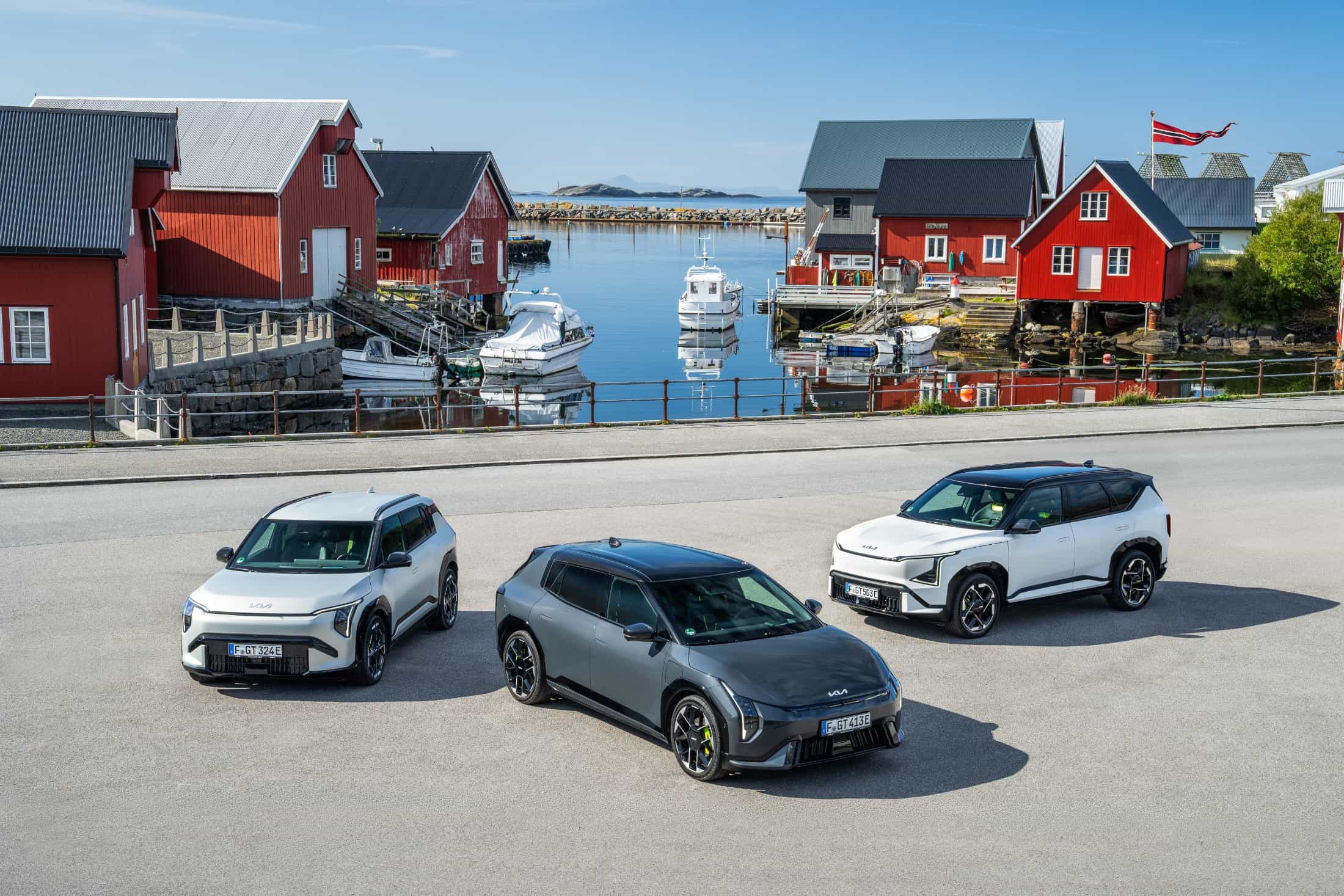
Ford Recalls 10,001 New Broncos and Mustangs Over Engine Pistons That Can Crack


- Ford is recalling 10,001 new Broncos, Bronco Sports, Explorers, Mustangs and Rangers over engine pistons, built by an outside supplier, that can crack and snap.
- A cracked piston can knock out engine power in an instant, and Ford says 51 of these engines have already failed, some before the cars even left the factory.
- Owners get an interim warning letter starting September 4, but the actual fix, a full engine replacement, will not reach dealers until December.
A Supplier Defect Traced to a Factory in Mexico
Ford Motor Company told federal regulators on August 28 that it would recall 10,001 vehicles from the 2026 model year: the Explorer, Bronco, Bronco Sport, Mustang and Ranger. Every one of them runs a 1.5-liter or 2.3-liter EcoBoost engine built with pistons from Dong Yang Piston, a supplier based in Mexico. The piston domes on some of these engines came out of the factory with a manufacturing flaw. Over time, or in some cases almost immediately, the dome can crack and break apart while the engine runs.
A broken piston does not give a car much warning. Ford’s filing with the National Highway Traffic Safety Administration lists a check engine light, unusual knocking, and a rough or misfiring engine as the signs that show up before a full failure. Once the piston lets go, the engine loses drive power immediately, and the driver is left coasting to the shoulder. NHTSA’s filing bluntly states what that means in traffic: a sudden loss of power raises the risk of a crash, especially at highway speed or in the middle of an intersection.
Ford Already Knows of 51 Failed Engines
The scale of the defect is still small next to Ford’s other 2026 recalls, but the failure count is not hypothetical. As of August 12, Ford had recorded 38 piston failures on engines that never made it out of the assembly plant: 16 on the 1.5-liter and 22 on the 2.3-liter. Another 13 failures turned up in the field, on cars already sold and driven, split 11 to 2 between the two engine sizes. That puts the confirmed failure total at 51 out of just over 10,000 affected vehicles, a rate high enough that Ford opted to recall the entire population rather than wait for a pattern to firm up further.
Ford’s own recall paperwork does not name a root cause beyond the supplier defect itself. The company has not said whether Dong Yang Piston changed a manufacturing process, used an out-of-spec material, or shipped a bad batch. What Ford has confirmed is the fix: dealers will inspect the pistons, and any engine found with a cracked or defective piston gets an entirely new long block, free of charge. A long block is a full replacement engine, cylinder heads and all, not a single-part swap.
Why the Real Fix Will Not Arrive Until December
Ford started mailing interim notification letters to affected owners on September 4. These letters only warn owners about the defect and the warning signs to watch for. They do not schedule a repair. Ford says replacement engines and the inspection tools dealers need are not expected to be ready until December, at which point a second letter goes out instructing owners to book their service appointment.
That three-month gap between the warning letter and the actual fix leaves owners in charge of watching their own dashboard. Anyone who owns a 2026 Explorer, Bronco, Bronco Sport, Mustang or Ranger with a 1.5-liter or 2.3-liter EcoBoost engine should treat a new check engine light, a knock that was not there before, or a misfire as a reason to call a Ford dealer immediately rather than wait for the December letter. Ford’s VINs for this recall, campaign number 26V548000, became searchable on NHTSA’s site on August 28. Owners can check their own VIN at nhtsa.gov/recalls or call Ford customer service at 1-866-436-7332 and reference internal recall number 26S61.
The Second Ford Power-Loss Recall in a Week
This is not the only power-loss recall Ford issued in the past two weeks. A separate campaign covering roughly 148,663 Mustangs, Broncos, Bronco Sports, Explorers, Rangers and related Lincoln models addresses a wiring harness ground eyelet that can fracture and cut power in a completely different way, by killing the exhaust gas recirculation valve circuit rather than cracking a piston. The two recalls share some of the same nameplates and model years, so an owner could plausibly get letters for both. They are separate defects with separate NHTSA campaign numbers and separate remedies, and a repair on one does not cover the other.
Ford has issued more than a dozen safety recalls across its lineup in 2026, part of a broader spike in US vehicle recalls that regulators say is on pace for a five-year high, with more than 23 million cars pulled back so far this year across the industry. Piston failures, wiring faults, and software defects have all played a part in that count, and Ford’s EcoBoost lineup has drawn more than its share of attention as the automaker leans on smaller turbocharged engines across trucks, SUVs and its sports car.
The EcoBoost name has carried recall trouble before. Ford’s 1.5-liter and 1.6-liter EcoBoost four-cylinders drew years of fire-risk and coolant-leak recalls in the mid-2010s on Escapes and Fusions, campaigns that eventually covered well over a million vehicles combined. Ford has spent a decade trying to convince buyers that a smaller turbocharged engine can match a larger, naturally aspirated one on both reliability and fuel economy. A supplier-driven piston defect on a brand-new model year does not help that argument, even at a comparatively small scale of 10,001 vehicles.
Buyers cross-shopping a new 2026 Explorer, Bronco, Bronco Sport, Mustang or Ranger against a used prior-generation model should note that this recall applies only to the newest model year, built with pistons from this specific supplier batch. Vehicles from 2025 and earlier model years are not included in campaign 26V548000, though owners of any Ford with a 1.5-liter or 2.3-liter EcoBoost engine can still run their VIN through NHTSA’s lookup tool as a matter of routine. Automakers frequently expand a recall’s scope once a defect investigation widens.
What to Do If Your Car Is Affected
There are two separate contacts worth keeping straight. Ford’s customer service line, 1-866-436-7332, is the right first call for scheduling questions, warranty coverage, or confirming your vehicle is part of the recall once the dealer has your VIN. NHTSA’s Vehicle Safety Hotline, 1-888-327-4236, exists for a different job: reporting a problem NHTSA has not yet connected to a known recall, or filing a complaint if a dealer refuses a covered repair. Keeping records of every call, letter, and service visit pays off if a dispute over coverage comes up later, especially for owners whose car is still under Ford’s standard powertrain warranty and could plausibly seek a repair through that channel instead of waiting for the recall remedy.
Check your VIN at nhtsa.gov/recalls to confirm whether your specific vehicle falls under campaign 26V548000. If it does, read the interim letter when it arrives and keep it with your service records. Watch for the check engine light, knocking sounds, or a rough-running engine, and treat any of those as an emergency rather than something to schedule around. If the engine loses power while driving, get off the road as soon as it is safe and call for a tow rather than attempt to restart and continue. Losing drive power on a highway on-ramp or in the middle of an intersection puts a driver and everyone around them at real risk, so treat any sudden loss of acceleration as a pull-over-now situation rather than something to diagnose while still moving with traffic. Once Ford issues the second notification letter in December, book the inspection right away. The repair, including a full engine replacement if needed, costs the owner nothing.
Sources:

Leave a Comment
More in News

What a Coolant Warning Light Means Before It Costs You a £1,000 Repair
Progressive’s Profit Fell 3 Percent Even as It Added 1.4 Million Car Insurance Policies

NHTSA Picks 23 Vehicles for 2027 Crash Tests and Adds a New Pedestrian Safety Score

GAP Insurance Paid Back Just 6 Percent of What Drivers Paid, FCA Figures Show

A £4,300 Vauxhall Made Hagerty’s List of Classic Cars Worth Watching in 2026
Trending on Motoring Chronicle

What the Fog Light Rule Actually Means (and the £50 Fine)
Mercedes-Benz USA Expands Lineup with new 2026 Mercedes-AMG E 53 HYBRID Wagon [Photo Gallery]

How Five Parking Firms Got Your Details From the DVLA 7.2 Million Times Last Year
What the Colour of Your Exhaust Smoke Reveals About a £2,000 Repair Bill