
Fired Up: 44,000 Vauxhall, Peugeot and Citroen Owners Face Urgent Recall Over Engine Fire Risk
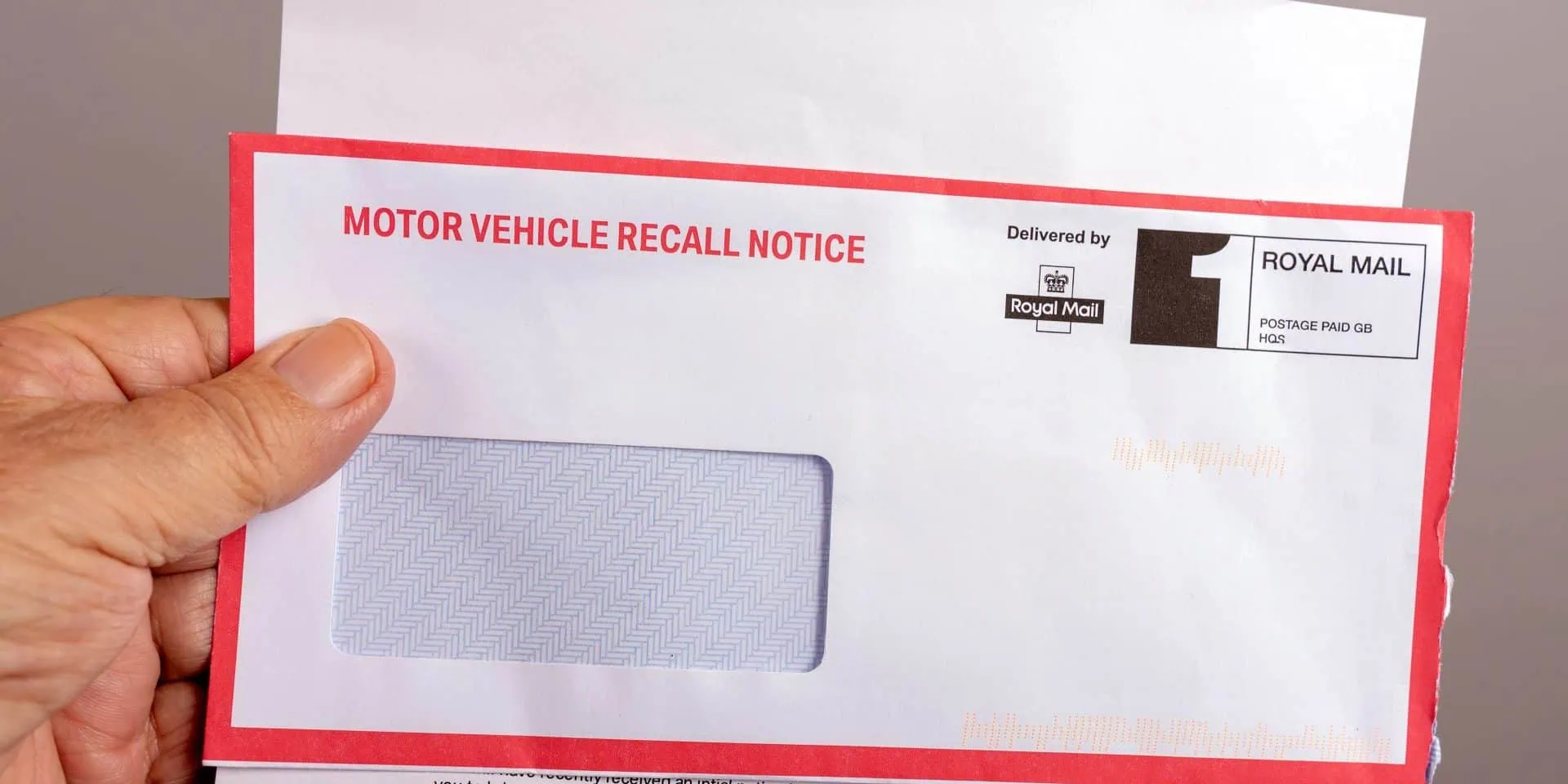
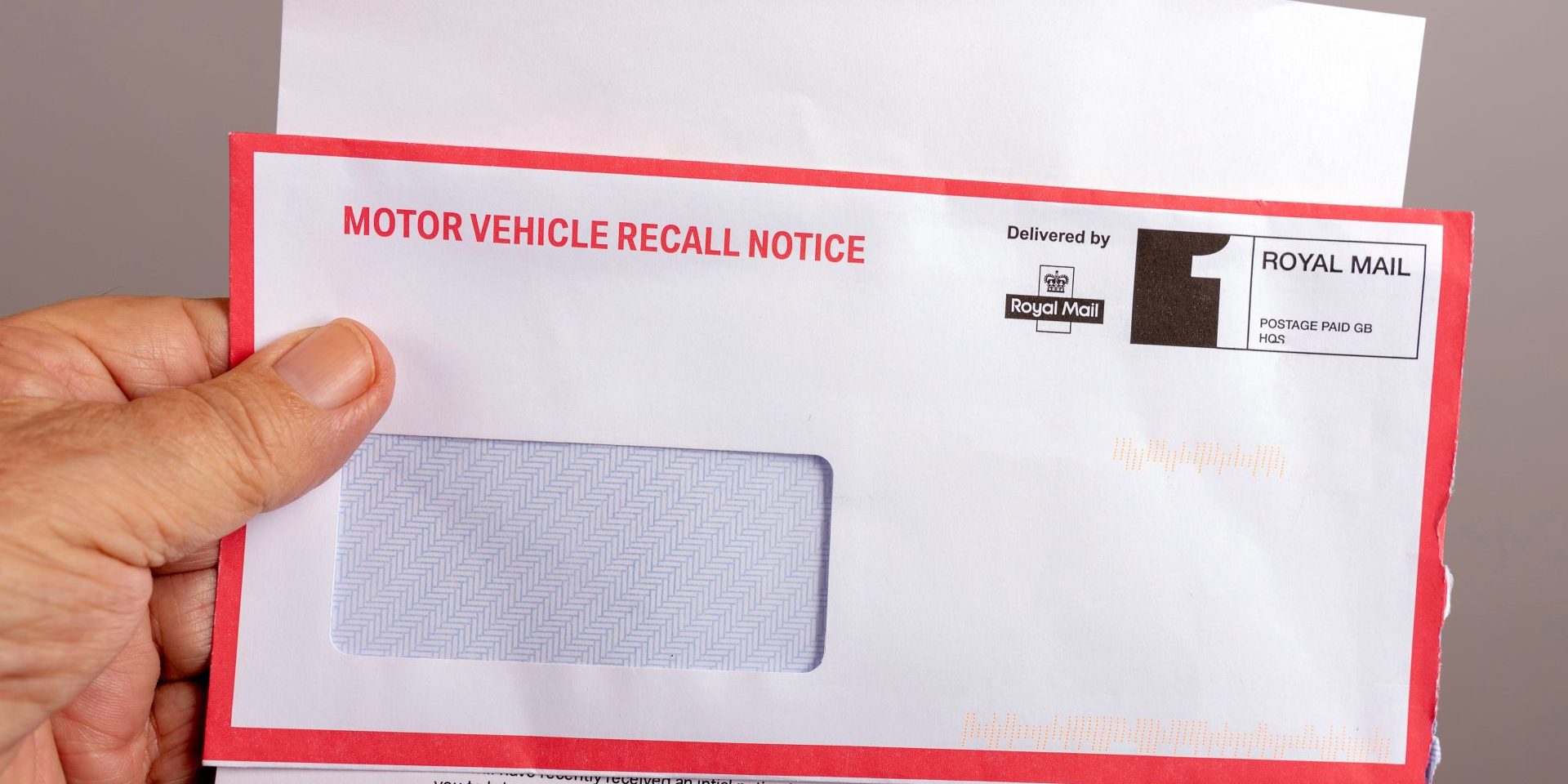
More than 44,000 cars currently on UK roads are being recalled by automotive giant Stellantis due to a potential fire risk linked to the company’s 1.2-litre PureTech petrol engine. The recall, part of a global campaign covering around 700,000 vehicles worldwide, affects popular models from Citroen, Peugeot, DS Automobiles and Vauxhall, including some of Britain’s best-selling small cars. If your car appears on the affected models list, book a free inspection with your nearest franchised dealer as soon as possible.
What the Problem Is
The recall centres on a potential contact between two components inside the engine bay: the gasoline particulate filter (GPF) pipe and the pole protection cup of the 48-volt Belt Starter Generator (BSG). In wet driving conditions, these two parts can come together in a way that allows water to enter the engine compartment. That water infiltration creates the conditions for an electrical arc, which generates heat. The outcome ranges from overheating to, in the most serious cases, a fire in the engine bay.
Stellantis set out the issue in a formal statement: “Having customer safety and satisfaction at the core of its values, Stellantis is voluntarily recalling 44,000 vehicles in the UK due to a potential issue concerning the clearance between the gasoline particulate filter pipe and the belt starter generator. Some 2023-2026 Peugeot, Citroën, DS Automobiles, Vauxhall, Alfa Romeo, Jeep and Fiat vehicles may have been assembled with an insufficient clearance between the gasoline particulate filter pipe and the pole protection cup of the 48V Belt Starter Generator. Under wet conditions, there is a possibility that this insufficient clearance and a possible contact between these components may lead to water infiltration creating electrical arch, which could trigger a thermal event, such as overheating. In the worst-case scenario, this could result in a potential risk of fire in the engine compartment.”
The affected vehicles were built between 2023 and 2026, meaning even recent and nearly-new purchases could be included. Drivers with cars on the list are advised to watch out for warning signs in the meantime: burning smells from the engine, dashboard warning lights, or unusual heat and noise from the front of the car. If any of these appear, stop driving immediately, move to a safe location, and call your breakdown provider. Do not open the bonnet if you have any reason to suspect a fire.
Which Cars Are Affected
The formal UK recall currently covers the following models:
- Citroen: C3, C3 Aircross, C4, C4 X
- DS: DS 3 Crossback
- Peugeot: 208, 2008
- Vauxhall: Corsa, Frontera, Mokka
This is a broad sweep of mainstream, widely-owned cars. The Vauxhall Corsa and Peugeot 208 are consistently among Britain’s best-selling small cars. The Vauxhall Frontera, which only went on sale in 2025, is also included, underlining that even very recently bought cars are caught up in the recall. The 1.2-litre PureTech engine is used across everything from city cars to family SUVs, which explains how a single technical issue translates into such a large recall volume in the UK alone, and 700,000 globally.
Globally, Stellantis has also flagged potential problems with Alfa Romeo, Jeep and Fiat models equipped with the same engine. However, at the time of writing, those brands are not formally included in the UK recall notice. Owners of those models should check their manufacturer’s website regularly for updates and watch for any official correspondence.
How to Check Whether Your Car Is Included
There are four routes to confirming whether your specific vehicle is covered.
The fastest is to enter your car’s registration plate and mileage into the recall checker on your manufacturer’s website. Vauxhall owners should visit the Vauxhall website, Peugeot owners the Peugeot site, and Citroen owners the Citroen site. The government also maintains a free vehicle recall check service at check-vehicle-recalls.service.gov.uk, where you can check any UK-registered car by number plate.
Alternatively, check using your Vehicle Identification Number (VIN). This is the 17-character alphanumeric code that uniquely identifies your vehicle. You will find it in three places: printed on your V5C logbook, on a plate on the dashboard visible through the windscreen from outside the car (look at the base of the windscreen on the driver’s side), and on a sticker or plate inside the driver’s door frame. Enter the VIN into the relevant brand’s website to check recall status.
Stellantis says it will be writing to all affected owners by post with a formal recall notification letter. Keep an eye out for this letter in the coming weeks, particularly if your car matches the makes, models and age range described above.
If you are still uncertain, call your local franchised dealer and give them your registration number. They can check your car’s recall status immediately and book you in for the free repair.
What the Repair Involves and What To Do Next
The fix is both quick and free. When you take your car to the dealer, a technician will replace the pole protection cup on the 48-volt Belt Starter Generator and measure the distance between the new cup and the GPF pipe, adjusting or replacing the pipe if the clearance is still insufficient. The whole process takes approximately 30 minutes. There is no need to leave the car with the dealer overnight, and you will not be charged anything.
Under UK consumer and road safety law, manufacturers are required to remedy safety recalls at no cost to the owner. Parts are being distributed to dealers across the country to enable them to carry out the work promptly. If your dealer claims to be waiting on parts, ask for an estimated timeframe and follow up in writing so you have a record.
A Troubled Engine History
This is not the first time the 1.2-litre PureTech has made headlines for the wrong reasons. Several years ago, earlier versions of the engine gained a poor reputation for a serious fault involving the timing belt, which ran in a wet, oil-lubricated environment. Without servicing at the correct intervals, that belt could fail prematurely, with consequences ranging from rough running to complete engine destruction. Stellantis eventually established a compensation portal for owners who suffered engine damage as a result of the wet belt problem.
The current fire risk recall is entirely separate and unrelated to the timing belt. It affects the newer mild-hybrid variant of the engine, which uses a 48-volt belt-integrated starter-generator to recover energy under braking and provide a modest power boost during acceleration. This 48V mild-hybrid technology is increasingly common across Stellantis’s European range as the group reduces its fleet CO2 emissions to meet regulations.
Ryan Gilmore, Car Buying Editor at Parkers, noted the engine’s track record: “The Stellantis 1.2-litre PureTech engine hasn’t had the easiest life. The infamous wet timing belt issue that plagued early PureTech engines resulted in a wet belt compensation portal for owners, and this is just the latest safety concern.” He added that he would not necessarily be put off by a car with a PureTech engine, provided all recall work was complete and there was evidence of regular servicing.
The PureTech unit sells in enormous numbers across Stellantis’s brands, appearing in everything from the compact Corsa to the seven-seat Peugeot 5008. At that kind of production volume, any issue will produce large headline recall numbers. The important thing for owners is straightforward: check your car, book the repair, and do not delay.
Sources:

Leave a Comment
More in News

Why Paying a £35 Surrey Parking Fine Closed the Door on an Ombudsman Complaint

DfT Floats Random Breath Tests and a Cut to the 80mg Drink Drive Limit

She Took A 90s BMW Through 18 Countries. Then A Commenter Told Her Never To Leave The Motorway In Slovakia

Do Starter Motors Fail Suddenly? Usually Not, and the Warning Gets Missed
What a Speed Awareness Course Actually Costs (and Who Gets Offered One)
Trending on Motoring Chronicle

KGM Musso EV Becomes UK’s Cheapest Electric Pick-Up at £39,995

Every Driver Pays Up to £4.72 More a Tank by Postcode, AA Finds

Car Insurance Fronting Now Risks a Voided Policy for Half of UK Drivers

How Virginia’s New AI Crosswalk Cameras Could Cost Drivers $100
