
Every UK Driver Faces an 11 Percent Crash Rise When the Clocks Go Back
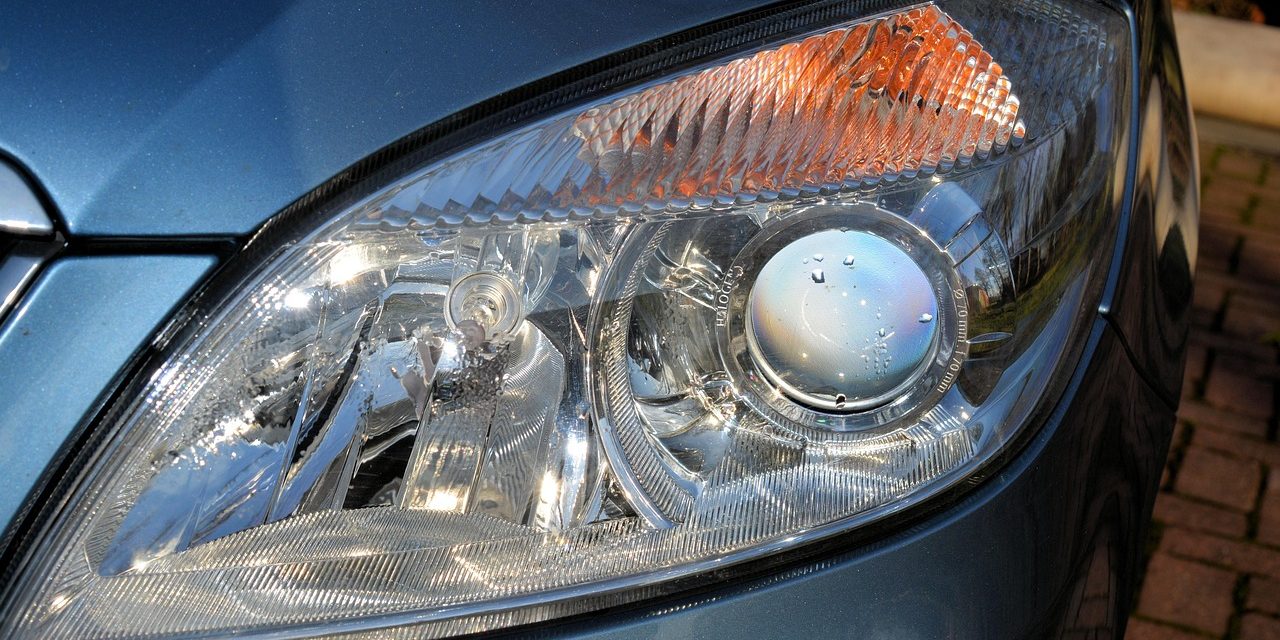
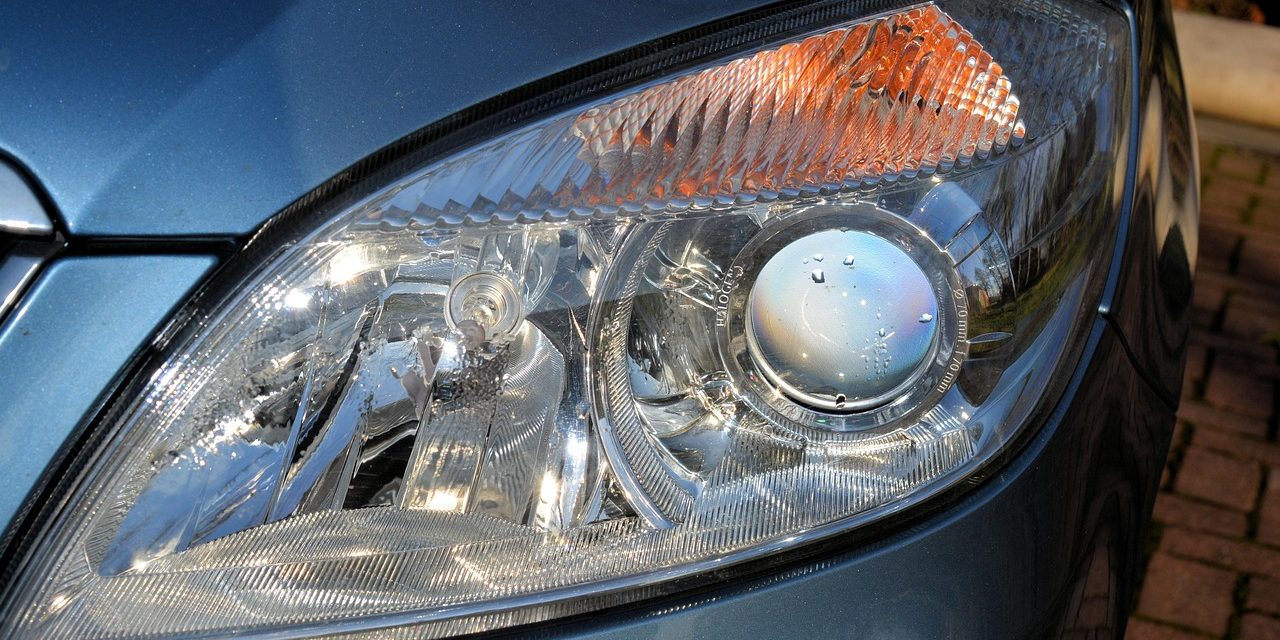
- Collision related breakdown call outs rise 11 percent in the two weeks after the clocks go back, based on AA Accident Assist figures comparing the fortnight before and after the change.
- The clocks fall back at 2am on Sunday 25 October 2026, cutting British evenings by an hour of daylight overnight and moving sunset before 5pm across most of England and Wales.
- Government casualty data links thousands of injury collisions each year to poor visibility, dazzling low sun and slippery roads, all concentrated in the same autumn weeks.
The Hour Everyone Loses and No One Prepares For
The clocks go back at 2am on Sunday 25 October, and the country loses an hour of evening daylight overnight. AA Accident Assist recorded an 11 percent rise in call outs for road collisions in the two weeks after the 2023 clock change, comparing the fortnight before the switch against the fortnight after it. Drivers who make the school run or drive home from work in daylight one week find themselves doing an identical trip in darkness the next, often before their eyes or their habits have caught up with the change.
Why the Switch to Darkness Catches Drivers Out
Government road casualty statistics for 2023 record 3,680 injury collisions in which a driver’s vision was affected by adverse weather or dazzling low sun, and a further 4,244 injury collisions on roads made slippery by standing water or rain, both concentrated in the autumn months around the clock change. AA polling of more than 10,000 members found 73 percent name dazzling sun as the single worst part of driving in autumn, ahead of wet roads or fog. Just over half, 52 percent, say other drivers failing to switch their headlights on properly is a hazard they meet regularly once the evenings draw in.
Tim Rankin, managing director of AA Accident Assist, said the pattern repeats every year the clocks change. “Our stats are clear that when the clocks fall back we see a rise in the number of crashes,” he said. “Many of these could be avoided by making small changes to driving habits. Leaving the stalk on auto is not always the best way forward. We urge drivers to help light the way, to help them see others and help others see them.”
The Casualty Figures Behind the Warning
Two fifths of AA members, 40 percent, single out darker mornings and evenings as the hardest part of autumn motoring, and the reason has more to do with physics than bad luck. A driver who finishes work at 5pm in September makes the same trip home in near total darkness by mid November, with wet leaves, standing water and low sun arriving inside the same eight week window. Pedestrians and cyclists carry the sharpest change in risk. A driver’s eyes take longer to adjust to headlight glare and low sun than they do to steady daylight, while a car’s stopping distance does not shrink to match the shorter reaction time darkness forces on every driver.
The same autumn window brings a second hazard that rarely gets mentioned alongside the clock change: deer activity peaks in October and November as the rutting season begins, pushing animals onto rural roads at dawn and dusk, exactly when visibility is already at its worst. Drivers on rural and semi-rural routes face both risks stacking on top of each other for roughly six weeks.
Cyclists face a parallel rise in risk. The Highway Code recommends light coloured or fluorescent clothing in daylight and reflective clothing after dark, together with a working front and rear light, but many commuters who cycle through spring and summer without lights simply keep the same kit once the evenings draw in, unaware their commute has moved from daylight into darkness within a fortnight.
Night vision changes with age too. Opticians and road safety researchers link ageing eyes to a longer recovery time after headlight glare or low sun, meaning older drivers can spend several extra seconds partially dazzled on the same stretch of road that barely troubles a younger driver. An eyesight check booked now, ahead of the clock change, catches problems that only become obvious once the evenings turn dark.
What Changes on the Roads From 25 October
From 25 October, sunset in most of England and Wales arrives before 5pm, and by early December it falls before 4pm across much of Scotland and the north of England. Automatic headlights, fitted to most cars built after 2015, switch on only when a sensor detects genuine darkness, not the grey half light of dusk or heavy autumn rain, so a driver relying entirely on the auto setting can be driving with no lights on in conditions where visibility is already reduced. Schools remain the highest risk zone in the two weeks after the change. The afternoon pick up shifts from daylight into dusk within days of the clocks changing, while parents and children keep the same routine and the same road crossing habits they used all summer, without yet adjusting for how much darker the same walk home has become.
Insurers see the same pattern in their own claims data every year. Own damage claims for minor collisions, scuffed bumpers, clipped wing mirrors and rear end shunts, climb through late October and November as drivers misjudge stopping distances on wet, leaf covered roads in low light. None of these claims make headlines individually, but the volume adds up, and a driver at fault for even a minor autumn collision can see their premium rise at their next renewal.
Motorways carry their own version of the problem. Spray thrown up by lorries and fast moving traffic cuts visibility sharply at dusk, and drivers who leave their rear fog lights on out of habit long after the fog has cleared can blind the traffic behind them just as badly as a driver with no lights at all.
Five Checks That Take Ten Minutes and Cut Your Risk
AA Accident Assist recommends a short pre winter check rather than an expensive overhaul. Tyre tread and pressure matter most. Worn tyres extend stopping distances sharply on wet or leaf covered roads, and the legal minimum tread depth of 1.6mm leaves little margin once the roads turn greasy. Headlights and brake lights need a physical check, ideally with a second person standing behind the car. A single failed bulb halves a driver’s visibility to traffic behind them at dusk. Windscreen washer fluid should be topped up and kept topped up. Road spray and grit build up fast once the clocks change, and the roads stay wet for longer each day. Sunglasses belong in the car through autumn and winter too, not just summer. Low winter sun sits directly in a driver’s eyeline for weeks at a time on east to west routes on the morning and evening commute. Switching headlights to manual and turning them on early, rather than waiting for the automatic sensor to react, makes a driver visible to others well before the automatic system would catch up.
What To Do If You’re Caught Out After Dark
Drivers doing an unfamiliar route home in the dark for the first time this year should open up the gap to the vehicle in front. Both reaction times and stopping distances suffer in low light and wet conditions together. Drivers should take extra care near schools, bus stops and parked cars in the first two weeks after the clock change, when pedestrians and cyclists have not yet adjusted their own routines to the earlier darkness either. Road safety charity Brake has long urged drivers, cyclists and pedestrians to “go bright and go 20” through the autumn changeover, slowing down and wearing reflective or light coloured clothing until everyone’s habits catch up with the shorter days.
Checking a weather forecast before an evening drive helps too. Fog and heavy rain both arrive more often through late autumn, and a five minute look at the forecast before setting off gives a driver the chance to allow extra time, choose a better lit route, or simply leave earlier while some daylight remains.
The rise in crashes after the clocks go back comes from millions of ordinary trips suddenly happening in different light, with drivers, pedestrians and cyclists all adjusting at slightly different speeds. A ten minute check this week, before the clocks change on 25 October, costs nothing and closes most of the gap.
Sources:

Leave a Comment
More in News

What a Tyre Pressure Warning Light Means as Cold Mornings Return This Autumn

What the Fog Light Rule Actually Means (and the £50 Fine)

How to Drive Through Flood Water (and What to Do If It Stalls)

Why TfL’s ULEZ Checker Could Charge Tax-Exempt Classic Cars £3,250 a Year

Why Deer Crashes Cost Drivers $1.9 Billion a Year [and How to Avoid One]
Trending on Motoring Chronicle

London Congestion Charge Rises to £18 and Electric Cars Now Pay for the First Time
The Maserati GranTurismo and GranCabrio range comes home: a new chapter begins in Modena [Photo Gallery]
Why Public EV Charging Is Now Cheaper Per Mile Than Petrol for the First Time

Why Private Parking Firms Have Until December to Follow Their Own New Rules
