Every Insured Driver Pays £40 as MIB Seizes a Record 158,594 Uninsured Cars
Headline: Every Insured Driver Pays £40 as MIB Seizes a Record 158,594 Uninsured Cars
- A record 158,594 uninsured cars were seized from UK roads last year, the highest total in 17 years, according to the Motor Insurers’ Bureau (MIB).
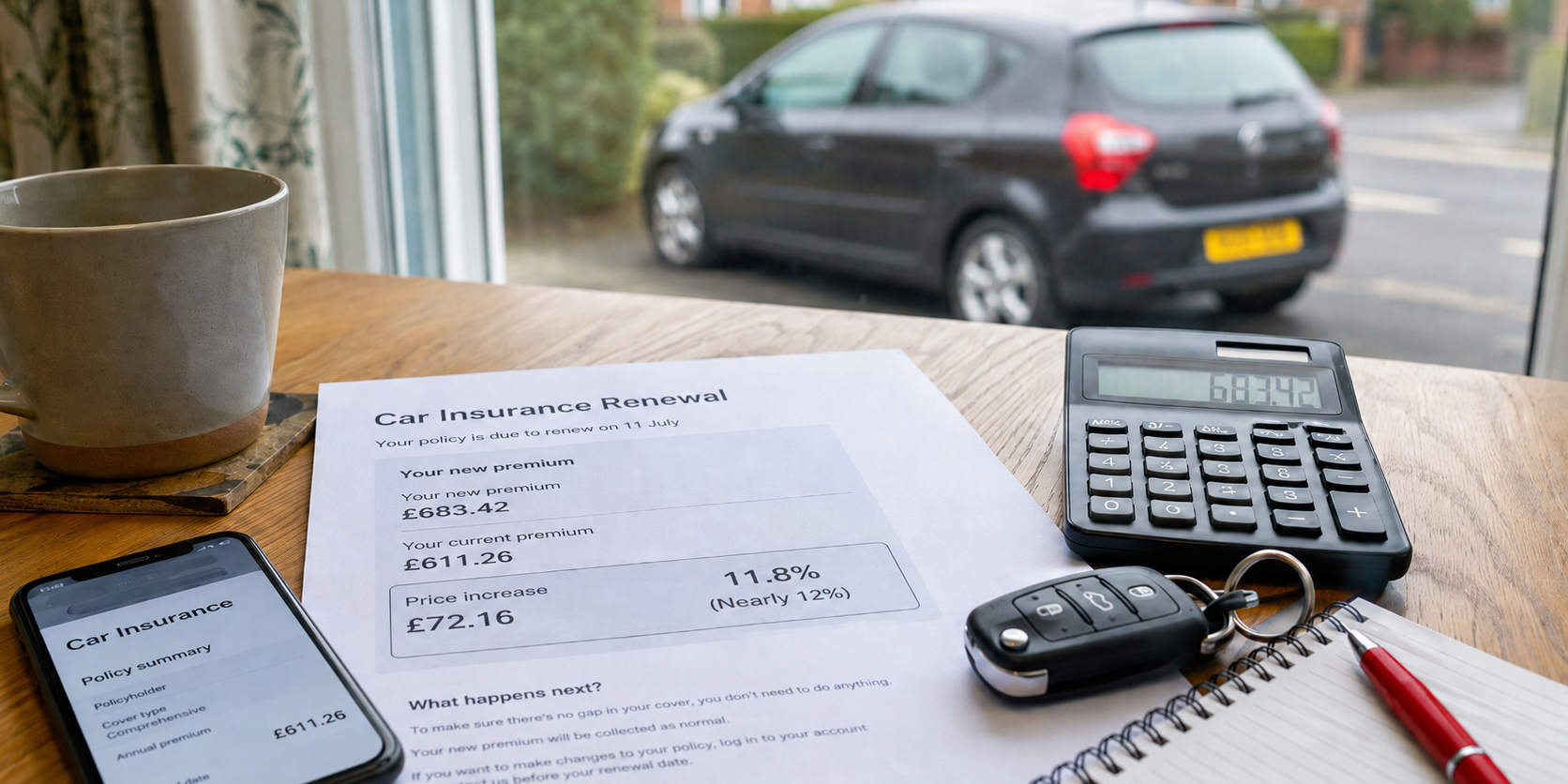
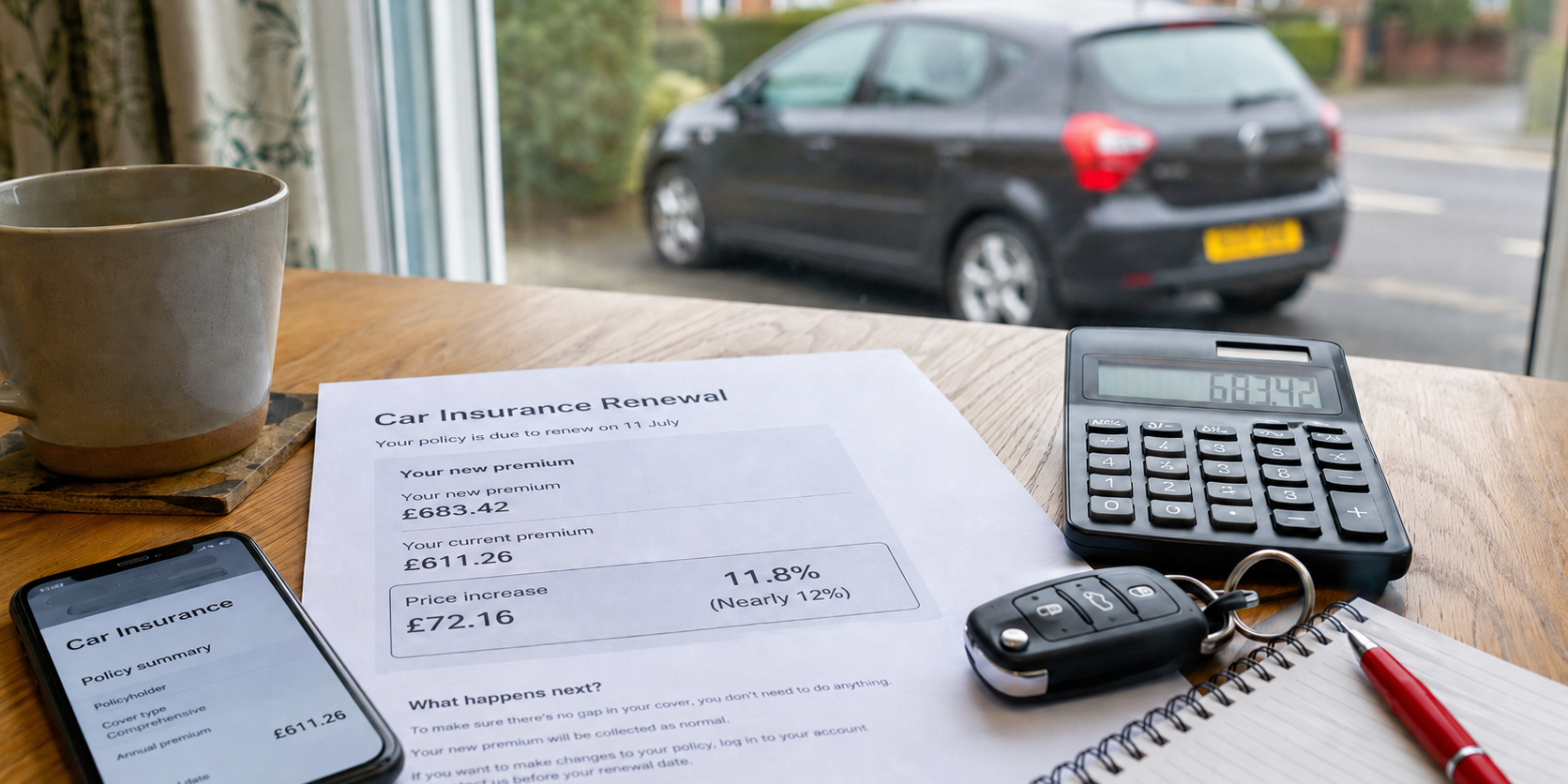
- The MIB’s industry levy, which covers claims caused by uninsured drivers, now adds an estimated £35 to £40 to every honest driver’s annual car insurance premium.
- West Midlands Police alone seized 9,501 uninsured vehicles in 2025, more than 25 a day, and a single Met Police operation in August seized a £3.7 million Ferrari from a driver with no insurance.
A Record Number of Uninsured Cars Were Taken Off UK Roads Last Year
Police forces across the UK seized 158,594 uninsured cars last year, the highest number in 17 years, according to figures compiled by the Motor Insurers’ Bureau (MIB), the industry-funded body that compensates victims of uninsured and hit-and-run drivers. That total has climbed almost 20% in five years, up from 132,436 seizures. MIB estimates that around 300,000 cars are driven somewhere in the UK on any given day without valid insurance, with the Birmingham area the country’s leading hotspot and home to five of the 15 postcodes with the most accidents involving uninsured drivers.
Every driver on the road pays something toward the cost of that problem, whether they know it or not.
Who This Hits: Every Insured Driver, Through the Premium They Already Pay
Uninsured driving is not a victimless offence, and the bill does not stop with the driver who gets caught. When an uninsured or untraced driver causes a crash, the MIB steps in to compensate the victim, and it recovers that money through a levy charged to every UK motor insurer, which in turn passes the cost on through premiums. The Association of British Insurers estimates the levy adds £30 to £50 to the average annual policy, with the MIB’s own figures putting it closer to £35 to £40. The MIB puts the total yearly cost to the UK economy, including compensation, emergency service call-outs, medical treatment and lost productivity, at around £1 billion, a burden that sits alongside the £576 million in motor insurance fraud that honest drivers already fund through their premiums.
The human cost sits alongside the financial one. MIB data shows someone in the UK is affected by an uninsured or hit-and-run driver roughly every 20 minutes, and the charity’s research links uninsured drivers to a higher rate of secondary offences, including drink and drug driving, tinted windows, broken seatbelts and worn tyres.
West Midlands Police Sergeant Adrian Brown, whose officers work alongside MIB investigators on the ground, says the reasons drivers give when stopped are rarely elaborate. “A lot of people just own up to it and say ‘I couldn’t afford it’ or ‘I haven’t passed my driving test’,” he said. He added that a criminal motive often sits behind the excuse: some drivers deliberately avoid insurance so a policy will not tie a vehicle to their real identity, making it harder to trace who was behind the wheel when other offences took place.
That mix of cost-of-living pressure and deliberate evasion is part of why the total has kept rising even as enforcement technology has improved. Every additional seizure funded by MIB and police forces still has to be paid for, and that cost, like the compensation payments themselves, flows back into the levy that every insured driver already covers.
The Numbers Behind the Crackdown
West Midlands Police, working with the MIB, seized 9,501 vehicles for uninsured driving in 2025, an increase of 1,028 on the year before and equivalent to more than 25 cars taken off the road every single day in that force area alone. Chief Inspector Keeley Bevington of the force’s Roads Policing Unit said: “Our officers are working around the clock, every single day, to identify uninsured drivers and take action. We will find you, we will seize your vehicle, and we will prosecute.”
The scale of what enforcement can uncover was on full display in August, when Metropolitan Police officers, backed by MIB’s Navigate insurance database and automatic number plate recognition cameras, seized 90 vehicles worth more than £8 million across Hyde Park, Kensington and Chelsea over a single weekend, the highest total in the five-year history of that operation. Among them was a Ferrari Monza SP2, one of only 499 built and worth an estimated £3.7 million, which had been in the country for a single day before its driver, who held only a provisional licence and no insurance, was stopped. The same weekend of stops led officers to a man carrying 19 bank cards in other people’s names and £2,500 in cash, arrested on suspicion of handling stolen goods, and another found with £5,500 in cash and arrested on suspicion of supplying Class A, B and C drugs. MIB chief executive Angus Eaton said the operation showed “the rules apply to all motorists, regardless of the value of the vehicle they chose to drive.”
What It Costs If You Get This Wrong
Driving without insurance carries a fixed penalty of £300 and six penalty points, or in more serious cases an unlimited fine, a driving ban and the loss of the vehicle itself, which police are entitled to seize and, in the end, crush. Separately, keeping an uninsured vehicle on the road, even when it is never driven, can trigger an automatic fixed penalty of £100 under Continuous Insurance Enforcement, the system that cross-checks the DVLA’s vehicle register against the Motor Insurance Database, reduced to £50 if paid within 21 days, with clamping or impounding to follow if it is ignored.
Not every case is deliberate. MIB says a meaningful share of the drivers caught out in its operations were trying to do the right thing but had a genuine gap in cover, such as a policy that listed the wrong registration number or vehicle, or cover that did not extend to driving in the UK. That distinction does not change the penalty, which is why checking your own paperwork counts for just as much as spotting other people’s. The same operations that catch deliberate evasion also catch these honest mistakes at the roadside, and both end with the same fixed penalty notice and the same points on a licence, whatever the driver’s intention was.
What You Should Do
MIB runs a free tool, Check Your Vehicle, at checkyourvehicle.org.uk, which lets any driver confirm whether a car currently appears on the Motor Insurance Database. It is worth running against your own vehicle after renewing a policy, changing car or switching insurer, as a data entry error at that stage is exactly the kind of gap that shows up in police stops later. If you have received a letter from the DVLA or MIB warning that your vehicle appears uninsured, treat it as urgent: confirm your cover directly with your insurer rather than assuming the letter is a mistake, as the next step in the process is a fixed penalty followed by clamping. A mismatched registration is a surprisingly common trigger, in the same way an inaccurate V5C logbook can derail a genuine insurance claim after an accident.
If you are the one paying full price for years of no-claims cover, the least satisfying part of these figures is this: there is no premium discount available for driving in an area with fewer uninsured drivers, and no way to escape the MIB levy. The only lever available to most honest drivers is making sure their own policy details are exactly right, as that at least keeps you off the list of the 158,594 the police stopped last year.
Sources
Motor Insurers’ Bureau, “90 vehicles including supercars worth millions seized in crackdown on antisocial driving”, 10 August 2026: mib.org.uk/news/90-vehicles-and-supercars-worth-millions-seized-in-crackdown-on-antisocial-driving
West Midlands Police, “More cars seized as we tackle uninsured drivers across the West Midlands”, 19 April 2026: westmidlands.police.uk/news/west-midlands/news/news/2026/april/more-cars-seized-as-we-tackle-uninsured-drivers-across-the-west-midlands

Leave a Comment
More in News

Why Connecticut Drivers Cruising in the Left Lane Now Face an $88 Fine
Hurricane Isaias Flooded Thousands of Cars That Could Reach Used Lots

Gas Prices Jump to $4.36 a Gallon as the National Average Rises 40 Percent in a Year

NHTSA Recalls Over 346,000 Vehicles From Ram, Ford, VW and Land Rover
Why Every Used Car Buyer Should Check Which Models Cost £44,401 to Repair
Trending on Motoring Chronicle
The Weekend Police Seized 90 Cars Including a £3.7 Million Ferrari for Driving Without Insurance

McLaren Project: Endurance debuts Triple Crown inspired livery during Monterey Car Week [Photo Gallery]

Why Maine EV Buyers Have Until September 30 to Claim an Extra $1,000

Why Gas Prices Are Stuck Near $4.09 a Gallon Despite Late Summer