Every Driver Fitting LED Headlight Bulbs Risks a £54.85 MOT Fee Under New DVSA Rules
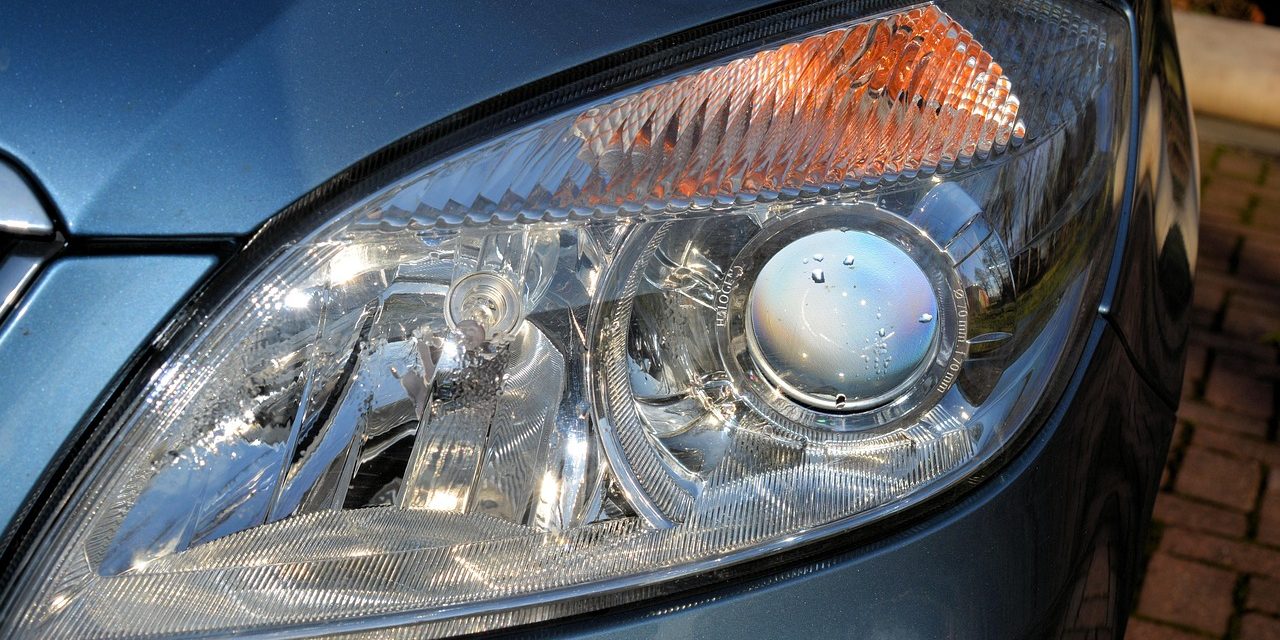
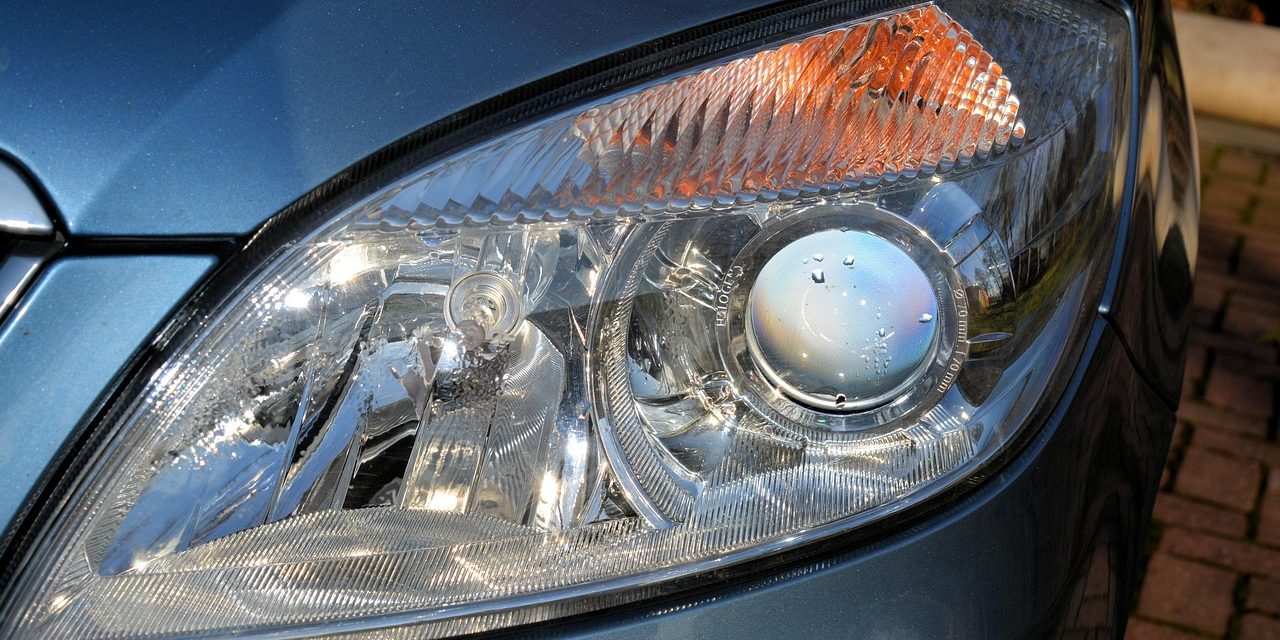
- From 14 October 2026, MOT testers in England, Scotland and Wales can pass approved LED replacement bulbs in halogen headlamps, but only with a permanent approval sticker on the car.
- The RAC says just two bulb types, H11 and C5W, are currently covered, so most cheap LED bulbs sold online still leave drivers open to an MOT failure.
- A failed test can cost up to £54.85 for a full retest on a car, and the government says it will step up action against the sale of illegal retrofit bulbs.
The New Sticker Rule That Decides Whether Your LED Bulbs Pass
Plenty of drivers have swapped a tired halogen bulb for a brighter LED one without a second thought. Online listings promise whiter light, longer life and a modern look for a few pounds. A rule change that took effect on 14 October 2026 now tells those drivers exactly where they stand at the MOT.
The Driver and Vehicle Standards Agency published MOT special notice 05-26 on 13 October, and the change applies from the following day. It lets MOT testers accept approved LED replacement bulbs, known in the trade as LEDr, when they sit in halogen headlamp units that were designed for them. The notice covers test classes 3, 4, 5 and 7 in England, Scotland and Wales, which takes in cars and vans. It amends the MOT inspection manual.
Until now, testers had no practical way to tell a properly approved LED bulb from an unapproved one. A DVSA bulletin sent to the trade on 8 October explains that conversions were failed with the reason that the light source and lamp were not compatible. The agency says the new route works through an approval sticker. Manufacturers of ECE-approved LED replacement products will include a secure sticker in the packaging at the point of sale, and the owner must fix it permanently to the vehicle in a spot the tester can see easily, such as inside the engine bay.
The RAC, which reported the change on 20 October, says the sticker must show the bulb category, variant, rated voltage, ECE approval number and the manufacturer’s name. The design of the sticker can differ between manufacturers. Without it, the tester has nothing to confirm the bulb is genuine, and the car is open to a fail.
Why Most LED Bulbs Sold Online Are Still Not Covered
The headline sounds like a green light for LEDs. The detail is narrower. The RAC says only two bulb types are currently approved for LED retrofit: H11 and C5W. It points out that H11 is most common in front fog lights, while C5W is typically a number plate bulb. Many common bulb categories are not yet covered, and the RAC expects more to be added over time.
The exclusions are just as important. According to the RAC, the rule does not cover aftermarket LED bulbs that lack approval, full LED headlamp unit replacements, high intensity discharge conversions of halogen headlamps, or LED bulbs on motorcycles. Approval is not automatic. A bulb that fits the socket and lights up is not the same thing as a bulb that is legal for the MOT.
That gap is where the risk sits for the many drivers who bought LED upgrades before the rule existed. A bulb bought a year ago from an online marketplace almost certainly has no sticker. Under the DVSA’s approach, an LED bulb without the approval sticker does not meet the new requirement, so it would not be accepted. The bulletin does not set out a separate penalty for unapproved bulbs, and neither does the RAC piece. The consequence in practice is the MOT result.
Even an approved bulb is not a free pass. The RAC says testers will still check light output and beam pattern against existing MOT standards. A bulb that dazzles oncoming traffic or throws a scattered beam can fail on the beam check whatever the packaging says.
What an MOT Failure Over Headlights Costs You
The maximum fee for a car MOT is £54.85, according to GOV.UK, and VAT is not charged on it. Many garages charge less, but that is the ceiling. A failed headlamp does not always mean paying that figure twice. The retest rules are fairly generous if you act quickly.
GOV.UK sets out three situations. If the car is left at the test centre for repair and retested within 10 working days, the partial retest is free. If it is taken away and brought back to the same test centre before the end of the next working day, the partial retest is also free for a listed set of items, which includes lamps. If it is taken away and returned within 10 working days, you get a partial retest but can be charged a partial retest fee. In every other case, you pay the full MOT fee again.
For a driver who fitted a cheap LED bulb, the simplest fix is often to swap back to a standard halogen bulb in the same category. That is usually a quick job at the roadside or in a garage, and it can bring the car back inside the free retest window. The expensive route is to fail, drive away, forget about it and return after the 10 working days, at which point the full fee applies.
There is a second cost that drivers tend to overlook: the test date itself. A car that fails with a dangerous or major defect cannot always be driven away legally, and a car whose MOT has already run out can attract a fine if it is on the road. Booking the test early enough to leave time for a repair and retest is cheap insurance.
How to Buy a Legal LED Bulb and What the RAC Warns Against
The RAC’s advice is blunt. Its message: an LED replacement bulb being available online does not make it legal or safe to fit to your vehicle. Online marketplaces carry many unregulated bulbs that are not legal for public roads, and incorrect installation raises the risk that the beam dazzles other road users.
The RAC lists several practical checks before buying. First, confirm the car uses a halogen bulb; the bulb cap code starts with an H. Second, look for products with documentation and an E mark, which can include a hologram on the sticker. Third, buy from a recognised automotive lighting brand or an authorised retailer rather than an anonymous seller. Fourth, be wary of marketing terms such as road legal or E-marked, which do not automatically mean a bulb meets the new rules. Finally, think about professional fitting and get the beam alignment checked at a reliable garage.
Keep the packaging and the sticker. The sticker is the one piece of evidence the tester will look for, and it needs to stay on the car permanently. If you sell the car, the next owner will need it too.
What Happens Next for LED Headlights and the MOT
Two moves are likely to follow. The first is more bulb categories joining the approved list, which the RAC expects. For now, the narrow list means drivers who want a brighter headlight have very few legal LED options, and the safest course is to keep the original halogen bulbs unless the product clearly shows approval for the exact bulb code in the car.
The second is tougher enforcement on sales. The RAC says the government has said it will step up efforts to tackle the sale of illegal retrofit bulbs. That would target sellers rather than drivers, but it should make it harder to buy a bulb that looks legal and is not.
The rule change also sits alongside a wider run of MOT stories that touch drivers’ pockets. Earlier this week the site reported on how a £60 warning light can fail a car, in our guide to the tyre pressure warning light MOT rule. The pattern is the same: a small item that drivers ignore turns into a failed test and a second trip to the garage.
For drivers with older cars and ageing bulbs, the practical plan is simple. Check what bulb type your headlamps take, check whether you have fitted any LED replacement, and look for the sticker. If there is no sticker, swap the bulb for a halogen one before the test. If you want LEDs, buy a product that shows the E mark and the approval details, keep the sticker with the car, and have the beam aligned. A few minutes of checking can save the cost of a retest and the hassle of rebooking.
The change is welcome in one respect. It replaces a grey area with a clear test: sticker, approval number, beam. What it does not do is make every LED bulb legal. Until the approved list grows, most drivers are better off staying with the bulbs the car left the factory with.
Want more car content? Add us as a preferred source on Google to your favourites list for the best automotive news and analysis on the internet.
If you enjoyed this article, be sure to follow us on Microsoft Start.
Sources:
- RAC: Important new MOT rules introduced for some LED headlight bulbs
- GOV.UK: MOT special notice 05-26: approved LED replacement bulbs in halogen headlamps
- DVSA: Regulations around LED replacement (LEDr) headlamps are changing
- GOV.UK: Getting an MOT: MOT costs
- GOV.UK: Getting an MOT: Retest after a repair

Leave a Comment
More in News

Why Subaru Is Telling Owners of Brand New Crosstreks and Foresters Not to Drive
How Water Pooling in Nearly 94,000 Range Rovers Could Blind the Backup Camera

Toyota Recalls 105,794 Land Cruiser Hybrids Over Fuel Line Fire Risk
Ford Recalls 102,159 Super Duty and F-150 Trucks Over Faulty Speedometers

Someone Used AI To Turn A Car Creator’s Drag Strip Video Into A Different Woman, And It Should Be Banned
Trending on Motoring Chronicle

How to Get Tree Sap Off Your Car Without Taking the Paint With It

Catalytic Converter Thefts Are Rising Again and Could Cost Every Van Owner over £1,000

DVLA Eases Registration Rules for Reconstructed Classic Cars, Unlocking Tax and MOT Exemptions

5 Essential Tips For Driving Safely Through Floods