
Every Car Since 2012 Can Fail Its MOT Over a £60 Warning Light
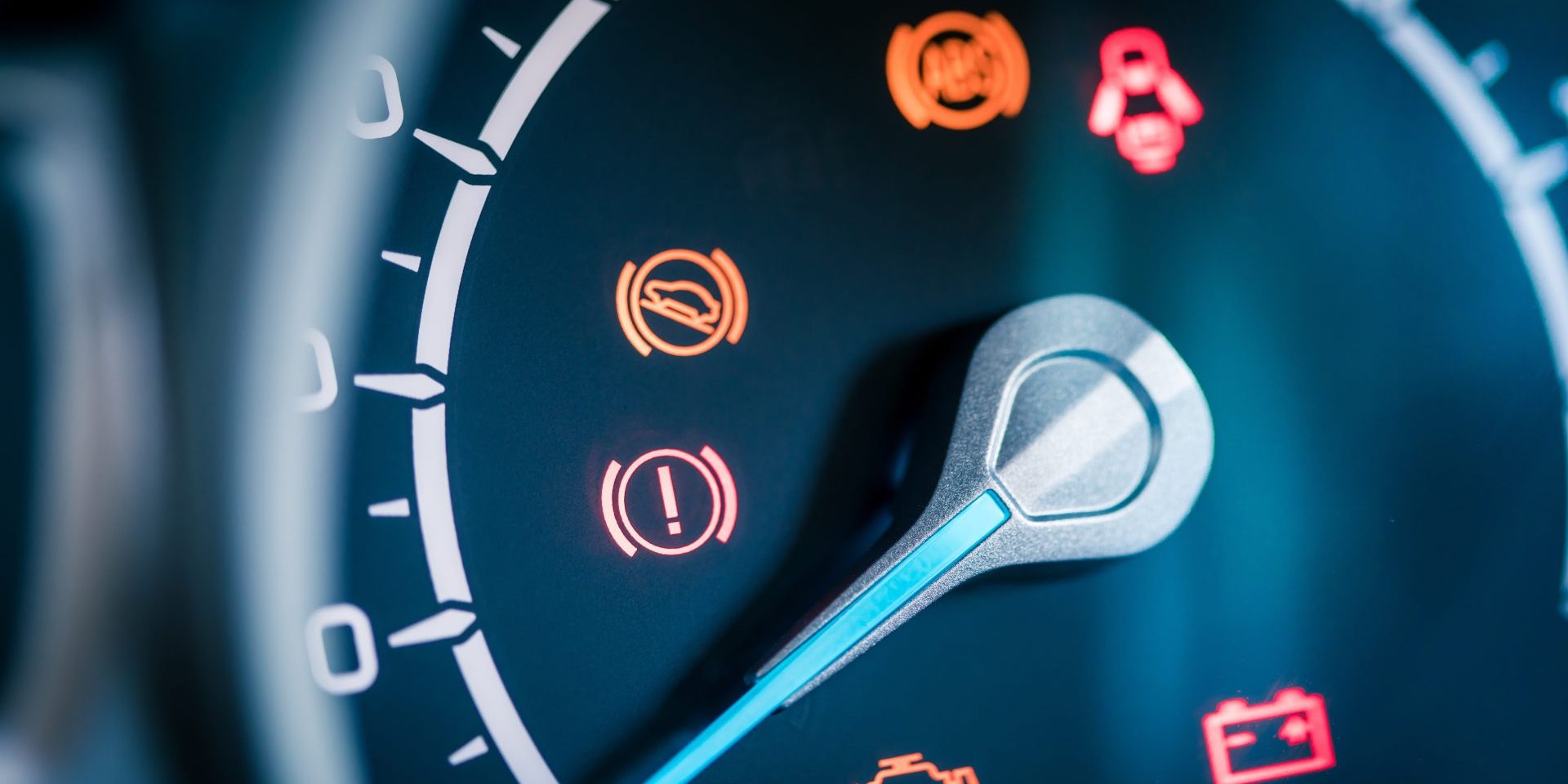

- A tyre pressure monitoring system fault counts as a Major defect under the MOT inspection manual, which means an instant fail, and the rule applies to every M1 car first used on or after 1 January 2012.
- Replacing a single sensor costs £50 to £180 depending on whether it is an aftermarket or dealer part, and a full set of four runs to roughly £220 to £400 once fitting, coding and wheel balancing are included.
- Many cars use an indirect system that reads tyre pressure through the existing ABS sensors rather than a part inside the wheel, so some warning lights can be cleared with a reset instead of a new part.
That Orange Tyre Light Could Cost You an MOT Pass
If the tyre pressure warning light on your dashboard stays on, or flashes, your car can fail its MOT over it alone, no matter how good the tyres themselves look. Under the DVSA’s MOT inspection manual, a tyre pressure monitoring system that is “malfunctioning or obviously not working” is classed as a Major defect, one of the two fail categories alongside Dangerous. The rule applies to every M1 passenger car first used on or after 1 January 2012, which by now covers most cars on the road.
Why the Light Alone Can Fail You
TPMS normally flashes briefly when you start the engine, then goes out. If it stays on, that usually means the system has logged a pressure loss at some point; if it flashes for a time and then stays lit, that is the signature DVSA testers are trained to treat as an actual system malfunction rather than a simple low-pressure warning. A message on the dashboard display is not, on its own, a defect, but testers can use it alongside the physical lamp to judge whether the system itself has failed. Get the call wrong and a car that would otherwise pass comes away with a Major fail and a retest fee, on top of whatever the sensor costs to put right.
A tester is told not to fail a car purely for a tyre pressure reading that looks low on its own; a genuine low-pressure alert is recorded as advisory information rather than a Major defect. The fail only applies once the system itself appears to have stopped working properly, which is why two cars with the same flashing light can get different results depending on how the tester reads it. If you are ever unsure whether your warning light reflects an actual fault or just a tyre that needs air, the simplest check is to pump all four tyres to the pressures listed on the sticker inside the driver’s door and see whether the light clears within a short drive. If it stays on after that, the system itself, not the tyres, is what needs attention.
What a Faulty Sensor Actually Costs
A single TPMS sensor typically costs £50 to £90 from an aftermarket brand such as Schrader or Bosch, with fitting and the coding needed to pair it with your car’s ECU included, or £110 to £180 for a dealer-fitted original part. A full set of four runs to roughly £220 to £400, with the exact figure shaped by where you live and whether your car’s existing valve stems need replacing along with the sensors. Garages in London and the South East typically add £30 to £60 to the bill over the North of England or Scotland.
The sensor itself is only part of the cost. It sits inside the wheel, so a technician has to partially remove the tyre to reach it, then rebalance the wheel afterward. Even a simple swap rarely comes in under £50 once labour is added.
The Fix That Might Cost Nothing
Not every car uses the same kind of system, and the difference changes what you pay. A direct TPMS has its own battery-powered sensor fitted inside each wheel and needs a physical replacement when it fails. An indirect TPMS has no sensor at all; it estimates tyre pressure by comparing wheel-speed data from the existing ABS sensors, and a fault with it is usually a software recalibration rather than a parts replacement. Many budget and older-specification cars from the early 2010s use the indirect type, so before paying for a new sensor it is worth asking a garage, or checking your handbook, which system your car has. A reset after a tyre change, or after the car’s battery has been disconnected, can be all that’s needed.
Which Cars This Rule Applies To
TPMS became a legal requirement on new cars sold in the UK and the rest of the EU from the early 2010s, which is why the MOT check applies from a first-use date of 1 January 2012 rather than an older cut-off. Motor caravans, ambulances and hearses built on an M1 base with a gross vehicle mass over 2,500kg are the only exemptions. Everything else first registered from that date, including the vast majority of family hatchbacks, SUVs and superminis on UK driveways today, falls inside the rule.
How to Avoid an MOT Fail Over a £60 Part
Time the repair with a tyre change if you can. Many independent tyre centres will fit and code a new sensor for little more than the part itself when the wheel is already off the car, rather than charging a separate call-out and rebalancing fee later. Check your tyre pressures with a gauge once a month rather than relying on the warning light to flag a problem. A slow leak can trip the system before anything else looks wrong.
If the light comes on in the weeks before your MOT is due, get it looked at before the test rather than after. A Major defect is an instant fail, and you will pay for a retest on top of the sensor itself if it catches you out on the day.
Can You Fit a Replacement Sensor Yourself
Swapping the physical sensor is within reach for a confident home mechanic with a tyre machine, but fitting the part is only half the job. Each sensor has to be paired with your car’s ECU using a TPMS relearn tool before the warning light will clear, and most of those tools are priced for garages rather than driveways. A universal aftermarket sensor bought online and fitted without that pairing step will often leave the fault lamp on regardless of whether the part itself is good, which is why most drivers end up paying for the coding regardless of where the sensor comes from. It is also worth knowing that only the four wheels fitted to the car at the time of an MOT are checked, so a spare wheel without a sensor, which is normal, is not a reason to fail.
None of this is a reason to ignore the light and hope it clears on its own. A Major TPMS defect fails the car outright, so leaving it until test day converts a £60-£180 repair into a failed MOT, a second booking and a second testing fee on top of the part. Dealing with it the moment the lamp changes behaviour, rather than when the test date is already on the calendar, is what keeps this an inexpensive fix rather than an expensive one.
Insurers also expect a roadworthy car, separate from the MOT paperwork. A TPMS fault on its own will not void a policy, but if it contributed to a tyre-related incident an insurer can look at whether the vehicle was maintained properly, not just whether the MOT certificate was current. Fixing the sensor before it becomes relevant to a claim costs a fraction of what a dispute over it could.
Want more car content? Add us as a preferred source on Google to your favourites list for the best automotive news and analysis on the internet.
If you enjoyed this article, be sure to follow us on Microsoft Start.
Sources:

Leave a Comment
More in News

SA Drops Police Reports for Most Crashes Over $3,000 From 23 November

Palm Beach School Bus Cameras Mail Warnings Nov. 16, Then $225 Fines Jan. 5
Orlando School Zone Cameras Mail $100 Fines From Nov. 30, No License Points

Tennessee Will Require Proof of Lawful Presence for New Plates From Jan. 1

Your Handbook Lists the Car Noises to Ignore and One to Act On
Trending on Motoring Chronicle

2027 Kia K5 Priced From $27,690 as EX Trim Is Discontinued

UK Airport Drop-Off Fees Have Risen Sharply in 2026 – See How Much Every Major Airport Is Now Charging

Ford Recalls 110,626 Mustangs Over Wiper Failures and a Cracking Rear Differential

Optimized Porsche 911 GT3 R to launch in 2026 season [Photo Gallery]
