UK Airport Drop-Off Fees Have Risen Sharply in 2026 – See How Much Every Major Airport Is Now Charging


UK airport drop-off charges have surged in 2026, with three of the country’s busiest airports raising their fees in the first weeks of the year alone. The average drop-off fee has risen by £1.70 since the summer of 2025, according to data compiled by Auto Express, and the increases are drawing renewed criticism from motoring groups as the summer holiday peak puts airport roads under maximum pressure.
Gatwick now charges £10 for a drop-off of up to 10 minutes, a rise of 43 per cent from the £7 it was charging a year earlier. Stansted also moved to £10, an identical 43 per cent increase, while Heathrow moved to £7 for a 10-minute stay. These changes took effect between January and March 2026 and are now being experienced by summer travellers for the first time at the higher rates.
How Much Is Your Airport Charging?
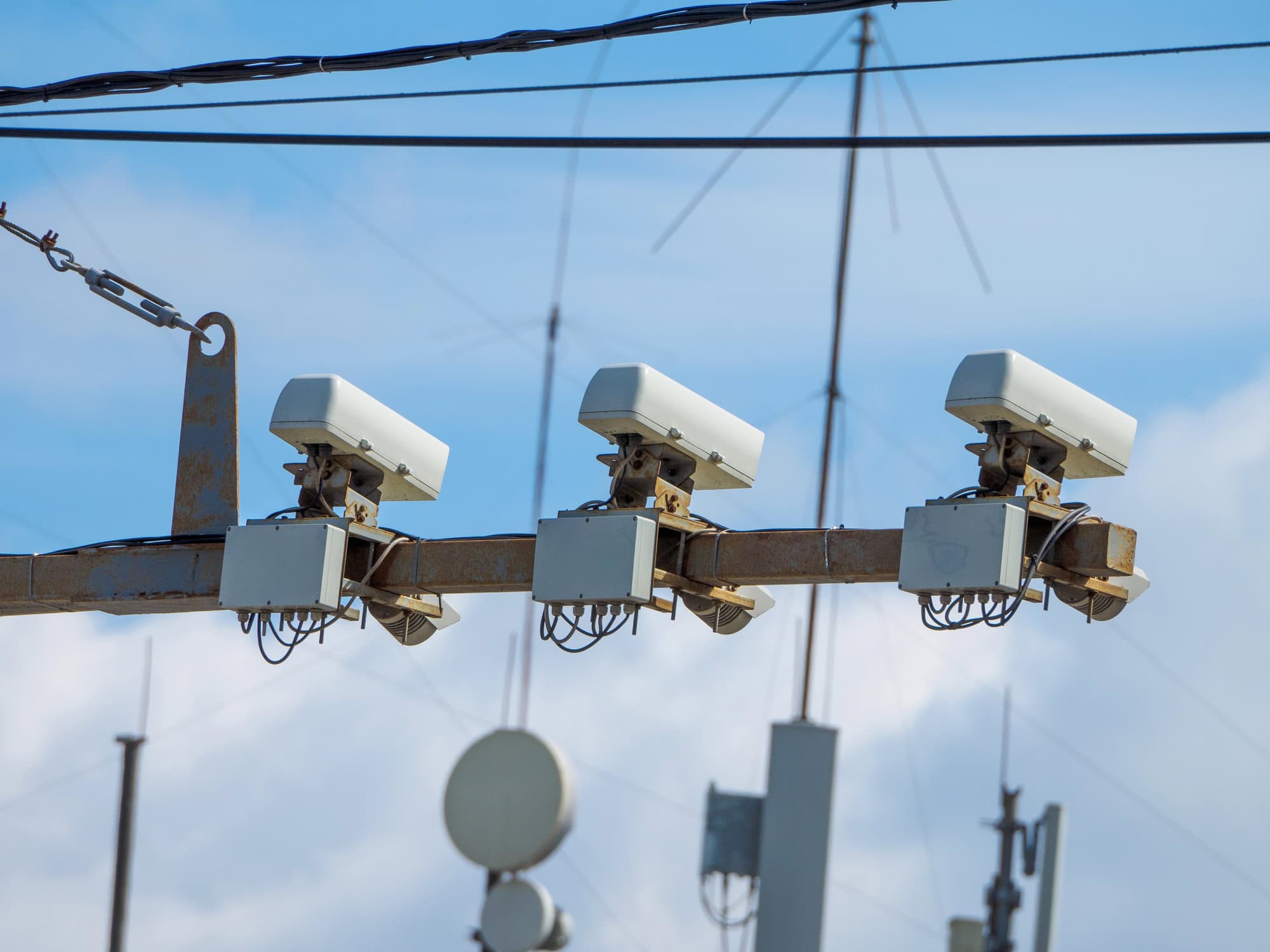
Heathrow Airport, the UK’s busiest and the largest in Europe, charges £7 for up to 10 minutes in its designated drop-off zones. Heathrow’s fee applies at all five terminals and is enforced by automatic number plate recognition cameras. Drivers who overstay the 10-minute window are liable for additional charges.
Gatwick Airport charges £10 for a drop-off of up to 10 minutes, after which an additional £1 per minute applies up to a maximum of 30 minutes. The 43 per cent rise from the previous £7 charge, which came into force on 6 January 2026, makes Gatwick the joint most expensive major airport in the UK for drop-offs. Stansted Airport also increased its charge to £10 on 19 March 2026, matching Gatwick as the UK’s priciest airports for kiss-and-fly use.
Manchester Airport, serving the north of England, charges £5 for up to five minutes, with higher charges applying to longer stays. Birmingham Airport stands out as the only major UK airport not to charge for drop-offs, with a free period of up to 10 minutes still available. Edinburgh Airport, Glasgow Airport and Bristol Airport all charge fees ranging from £3 to £6 for a short drop-off stay, with variations depending on terminal location and time of day.
Why Are Airport Drop-Off Fees Rising So Sharply?
Airports say the charges are necessary to manage congestion in the terminal forecourts, where the volume of vehicles picking up and dropping off passengers has increased significantly as passenger numbers have recovered to and exceeded pre-pandemic levels. Without a charge, they argue, roads and drop-off zones would be gridlocked, creating safety risks and reducing kerb-side efficiency for all travellers including those arriving by taxi, bus or coach.
There is also a revenue dimension. Airport drop-off charges generate meaningful income for airport operators, particularly at high-volume hubs such as Heathrow and Gatwick, where tens of thousands of drop-offs occur on busy summer days. Critics point out that the rate of increase in recent years significantly exceeds both inflation and any plausible traffic management justification.
The AA has called on airports to justify their fee structures more transparently, noting that the charges represent a significant additional cost for families already spending hundreds of pounds on parking during a holiday. An AA spokesperson said: “Passengers and their families are being asked to pay ever-increasing amounts just to be set down at the terminal. Many airports have not provided clear evidence that these charges reflect the actual cost of managing their forecourts rather than a straightforward revenue boost.”
Free Alternatives and How to Avoid the Charges
Most major UK airports offer a free or lower-cost alternative to the main terminal drop-off zone in the form of a short-stay car park located a short walk from the terminal entrance. At Heathrow, several multi-storey car parks adjacent to each terminal offer short-stay parking from around £4 to £5 per hour, which for a brief drop-off of five to 10 minutes may work out cheaper than paying the forecourt fee if you count the walk-in time as acceptable.
Several airports also operate unofficial or permitted free waiting areas some distance from the terminal, typically a five to 15-minute walk away. These car parks allow passengers to wait until their traveller has checked in and is through security before driving to the drop-off point, minimising time at the kerb and reducing exposure to per-minute charges at airports like Gatwick.
Public transport alternatives have improved at most major UK airports in recent years. Heathrow is served by the Elizabeth line, the Heathrow Express, the Piccadilly line and National Express coaches. Gatwick has the Gatwick Express rail service connecting to London Victoria. Manchester has a Metrolink tram connection directly into the terminal building. For passengers travelling without checked luggage or with a manageable amount of baggage, these options increasingly offer a competitive alternative to a car drop-off, particularly for travellers in urban areas with good access to these services.
What About Longer-Term Parking Costs?
For families who need to park at the airport rather than being dropped off, costs have also risen. Official airport car parks at Heathrow now charge over £100 for a week’s parking in the terminal multi-storey facilities, although off-airport alternatives booked well in advance can bring that figure down to around £40 to £60 for seven days with a meet-and-greet service or shuttle bus.
Price comparison sites including Holiday Extras, ParkVia and SkyParkSecure allow travellers to compare rates from dozens of approved off-airport operators. Booking several weeks in advance typically delivers savings of 30 to 40 per cent compared to leaving it to the last minute, and many comparison sites offer flexible cancellation policies that make early booking low-risk for travellers whose plans are not yet finalised.
The overall picture for airport motoring costs in 2026 is one of sustained upward pressure. The combination of higher drop-off charges, increased short-stay parking rates and, at London airports, the wider context of rising fuel costs and in some cases Congestion Charge exposure means that a family car journey to and from the airport can now represent a significant portion of the total travel budget for a short break or holiday.
Tips for Keeping Airport Drop-Off Costs Down
Check whether your airport has a free waiting area or a lower-cost off-terminal drop-off option before heading to the forecourt. Many airports publish this information on their websites but do not advertise it prominently at the terminal itself. At Heathrow, the Rendezvous car parks in each terminal zone offer hourly parking that can be cheaper than the forecourt for brief stays.
If using the main drop-off zone, have all bags out of the boot and goodbyes said before pulling up at the kerb. The per-minute charging at airports like Gatwick makes time at the kerb expensive, and a car that is moving through the zone quickly is also doing its bit to reduce forecourt congestion for everyone else.
Consider public transport if the airport and your starting point are both well served. On summer Saturdays and Sundays in August, major motorway routes to UK airports are among the most congested roads in the country, and arriving by train or tram removes both the drop-off charge and the risk of missing a flight due to traffic.
Will Airport Drop-Off Fees Keep Rising?
Based on the trajectory of recent years, there is little reason to expect drop-off fees to fall at any major UK airport. Heathrow introduced charges relatively late compared to Gatwick and Stansted, but has increased them in line with its peers. Gatwick’s jump from £7 to £10 in a single move suggests operators are willing to make large adjustments when they feel the traffic management or revenue case supports it.
Passenger advocacy groups have called on the Civil Aviation Authority, which regulates certain aspects of airport operations, to take a closer look at whether drop-off charges represent a fair and proportionate response to the stated traffic management need or whether they have become an additional revenue stream that lacks proper accountability. Until any such review produces a regulatory framework, airports are free to set whatever charges the market will bear, and the trend in recent years has been consistently upward.
Travellers who use UK airports several times a year would benefit from checking the current drop-off fee before every trip, as prices can change with relatively little advance notice. Checking the airport’s own website rather than relying on information found via search engines is advisable, as third-party price comparison pages may not be updated immediately following a fee change.
Sources: Auto Express | TripReporter

Leave a Comment
More in News

Newcastle Drivers Paid £3.7 Million in Parking Enforcement as Council Income Jumps 23 Percent

Coventry Drivers Paid £5.4 Million in Parking Charges as Council Surplus Jumps 80 Percent

What Your Rights Actually Are When a Garage Overcharges or Botches a Repair
£625 Million of Detected Motor Fraud Costs Honest Drivers, ABI Figures Show

BYD Dolphin-G review: UK’s first plug-in hybrid supermini is a winning package
Trending on Motoring Chronicle

Ferrari 12Cilindri Manuale: Photo Gallery

Why Councils Reject Three in Four Driver Pothole Claims as Backlog Hits £18 Billion

UK Drivers Think Tesla Will Top the Sales Charts by 2036. The Cars on the Road Say Otherwise

How to Land the Biggest July 4 Car Deals on 850,000 Unsold 2025 Models