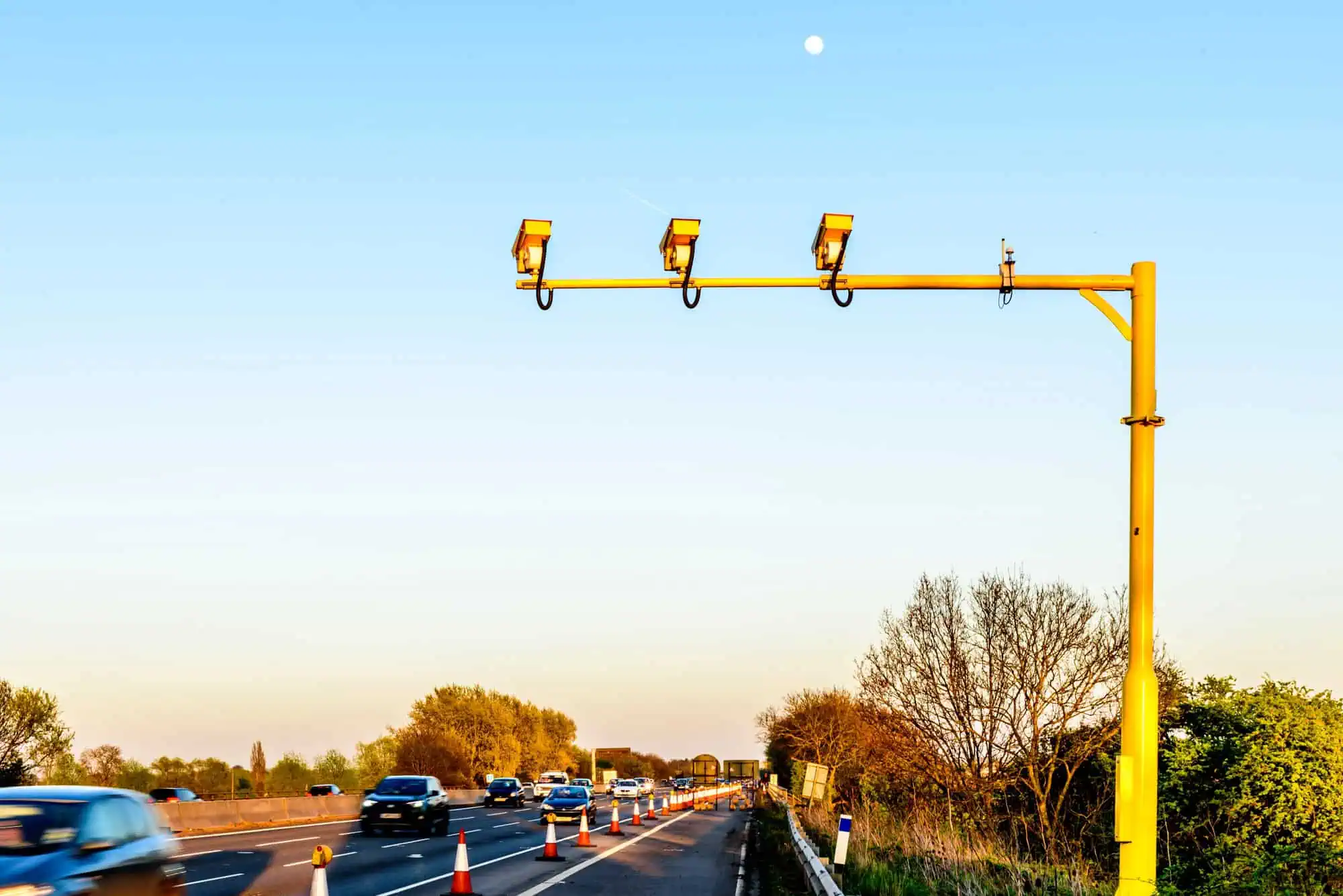
DVSA Prosecutes a Record 32 Ghost MOT Fraud Cases in a Year


- The DVSA’s own figures show 32 successful prosecutions for MOT malpractice in 2024 to 2025, the highest number in at least four years and up from 29, 18 and 20 in the three years before that.
- A growing share of these cases are “ghost” MOTs, where a tester issues a pass certificate for a car that never entered the garage, including one Chorley tester who passed 10 vehicles scattered from Scotland to Southampton without seeing any of them.
- The DVSA also stops roughly 300 garages a year from testing at all for getting the process wrong, and it now uses AI and ANPR camera data to catch testers who fake a pass.
Your MOT Pass Could Be Fake and the DVSA’s Own Numbers Show Why
Every MOT test is meant to prove a car is safe to drive. The DVSA’s own published figures show a steady rise in prosecutions against testers and garages who get that wrong on purpose. Successful prosecutions for MOT malpractice reached 32 in the 2024 to 2025 year, its highest total across at least the last four years, up from 29 the year before, 18 the year before that and 20 in 2021 to 2022. The DVSA tests cover more than 32 million vehicles a year, and it says mechanical failure is now behind only around 2 per cent of road incidents, a record it puts down in part to catching the testers who try to cheat the system.
Separately from prosecutions, the DVSA stops roughly 300 garages a year from carrying out MOT tests at all, through what it calls cessations, after finding the test was not being done correctly. Many of those cases involve an element of fraud rather than simple error.
A prosecution is the most serious outcome the DVSA can pursue, reserved for cases where it has gathered enough evidence to bring a tester or a business before a court. A cessation sits below that, stopping a site from testing at all without necessarily resulting in criminal charges, and a written warning sits below that again for testers whose errors do not point to deliberate fraud. The rising prosecution count sits at the top of that ladder. A tester or garage only reaches court after the DVSA’s compliance teams have already built a case strong enough to put before magistrates, which means the real number of testers cutting corners, including those caught at the warning or cessation stage, is larger than the headline prosecution figure alone suggests.
What a “Ghost” MOT Actually Looks Like
The most serious version of this fraud is the “ghost” MOT, where a tester issues a pass certificate for a car that was never brought in for inspection. One case the DVSA has set out in detail involved a tester in Chorley who issued 10 fraudulent MOT certificates for vehicles registered everywhere from Scotland to Southampton, collecting a quick payment without ever seeing the cars. The testing station was shut down within 24 hours of the DVSA’s investigation, the tester was suspended from testing duties immediately, and the case ended with a 12-month community order, 200 hours of unpaid work, £2,000 in costs and a £114 victim surcharge.
A pass certificate issued this way tells a buyer, an insurer and the police that a car has been checked and is safe, when nobody has looked at it at all. A car bought in good faith on the strength of that certificate could have a dangerous fault that was never caught, brake wear, a cracked tyre or a steering problem among them, and the new owner would have no way of knowing until something goes wrong.
The Chorley case is the kind of example the DVSA points to when it explains why ghost MOTs sit at the top of its list of concerns. The pattern it describes is always broadly the same: a tester under pressure to keep a test lane full, or simply looking for an easy payment, issues a certificate without carrying out the checks it is supposed to represent, and relies on the paperwork never being questioned by anyone downstream, whether that is an insurer, a buyer or a police officer at the roadside.
How the DVSA Is Catching More of These Cases
The DVSA now runs artificial intelligence checks over the MOT Testing Service database, looking for patterns that point to a fraudulent test, and intelligence officers follow up on anything the system flags. Where a ghost MOT is suspected, investigators can cross-reference automatic number plate recognition camera data against the garage’s test records to check whether the car was ever actually near the premises at the time it was supposedly tested. A mismatch between where the car was and when the certificate says it was tested is difficult for a dishonest tester to explain away.
The agency is also trialling a system requiring testers to take a photo of the vehicle at the point of test, adding a harder-to-fake record to the paper certificate. With around 67,000 MOT testers working in the UK, the DVSA says the vast majority carry out the test properly, and it points to the rising prosecution numbers as evidence that its detection has improved rather than that fraud itself is spreading faster.
What a Fake or Rushed MOT Could Cost You
A driver whose car has a dangerous fault missed or ignored under a fraudulent test is carrying a safety risk that has nothing to do with how careful they are behind the wheel. If a crash investigation later finds the car should never have passed, the driver can still be the one who is prosecuted for using a vehicle in a dangerous condition, regardless of what the certificate in the glovebox says. Buyers of a used car are also exposed: a certificate on file gives no guarantee the car in front of them was the one actually tested.
There is also a financial angle beyond any repair bill. An MOT certificate obtained fraudulently is not valid, which means a car relying on one could in practice be running without a genuine test at all, an offence that can bring its own fine and points separate from any fault with the vehicle itself.
How to Check Your MOT and Your Garage Are the Real Thing
Anyone can check a vehicle’s MOT history free on GOV.UK, which shows the date, mileage and result of every test on record, so a buyer can compare that history against what a seller or a certificate tells them. If a car’s mileage drops between tests, or a test is logged at a garage a long way from where the car was normally kept, that mismatch is worth asking about before handing over any money.
Drivers who suspect a garage has issued a certificate without properly testing a car, theirs or anyone else’s, can report it directly to the DVSA, which treats this kind of tip as exactly the intelligence its Market Surveillance and MOT compliance teams act on. Reporting it does not just protect the person who made the report. It closes off a route that a dishonest tester could otherwise use again on the next customer through the door.
A garage that has nothing to hide will not object to a customer checking the MOT history themselves before collecting a car, and most legitimate testers welcome the scrutiny, knowing it is the dishonest minority giving the whole trade a bad name. Taking the extra few minutes to look up a car’s test record, rather than relying on the certificate alone, costs a buyer or a driver nothing and can catch exactly the kind of mismatch the DVSA’s own investigators are trained to look for.
Sources:
Driver and Vehicle Standards Agency, “How we’re tackling MOT fraud,” Matters of Testing blog, gov.uk.
Driver and Vehicle Standards Agency, MOT fraud case summaries and enforcement data, gov.uk.

Leave a Comment
More in News

Are There Warning Signs Before a Cam Belt Breaks? Usually One, and It Is Not the Belt

Fife and Dundee Cars Fail 38.6% of First Attempt MOTs, Nearly Double Sutton’s 20.3%

How to Tell If Rust Will Fail Your MOT (and What a Repair Costs)

Why Your Car Clicks But Won’t Start (and What to Do)
Diesel Drivers Pay £31 More Per Tank Than a Year Ago, DESNZ Data Shows
Trending on Motoring Chronicle

2027 Lexus RX Priced from $55,450 with Four Powertrain Choices

Council Spends £2,139 Fighting a £190 Pothole Claim

How to Check If You Are Owed a Share of the £7.5 Billion Car Finance Payout

The Top 10 Most Iconic Lamborghinis Of All Time