
Car Insurance Premiums Jumped 3.6 Percent as the Average Bill Hits £399


- The average car insurance premium reached £399 in the second quarter of 2026, a rise of £14, or 3.6 percent, on the previous three months, according to Go.Compare tracking data.
- Drivers in London now pay £577 on average, about 75 percent more than the £327 typically charged in Wales, and under-25s face a median bill of £746.
- Analysts expect prices to keep climbing into 2027, with some projections pointing to rises as high as 12 percent, making renewal timing and shopping around worth real money.
Your Renewal Quote Is About to Cost More, and Here Is Why
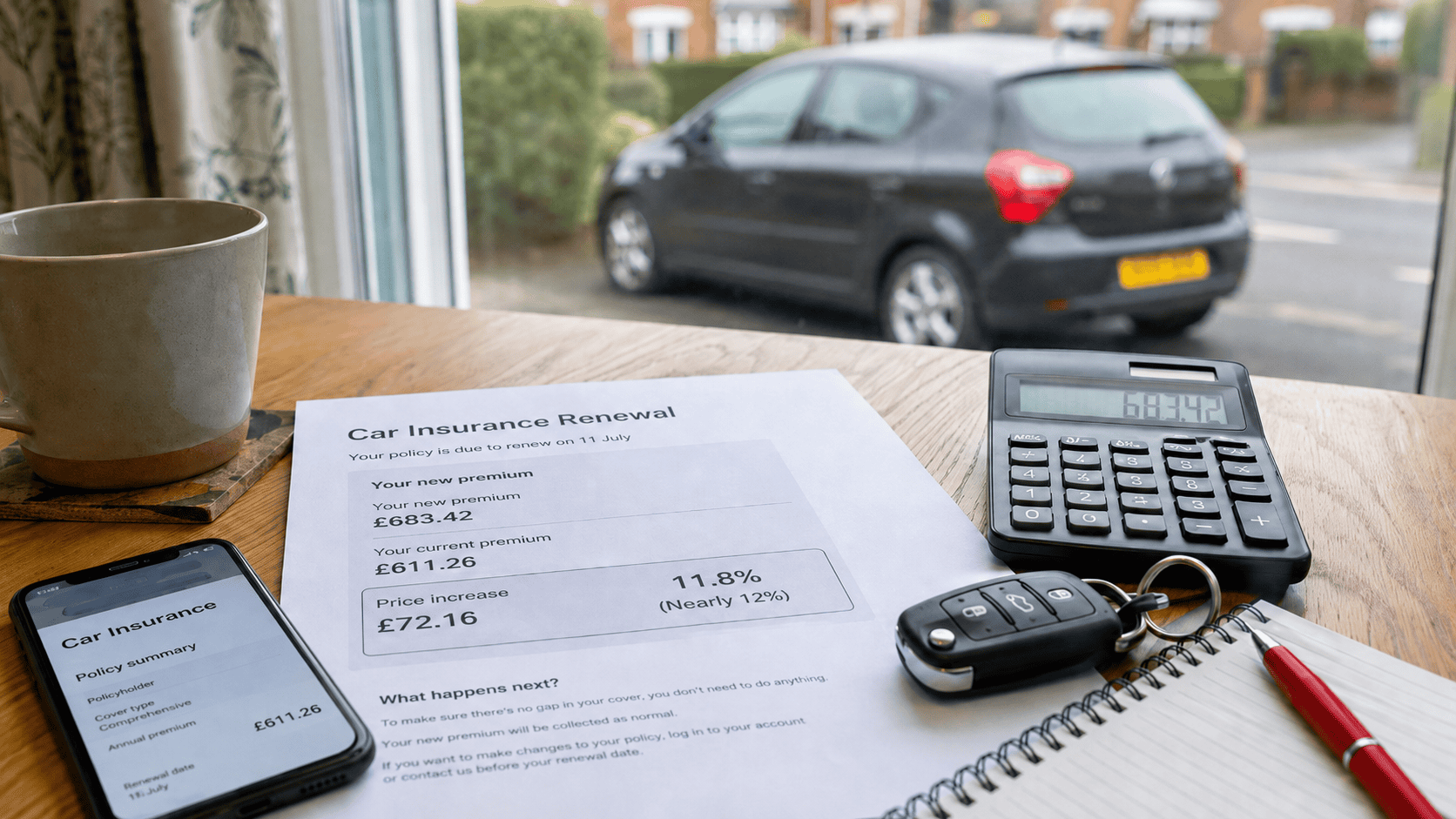
Car insurance premiums have started climbing again after more than a year of gentle falls, and the latest tracking data from Go.Compare shows the average fully comp policy reached £399 in the second quarter of 2026, up £14 on the £385 recorded in the first quarter. That £14 rise works out at 3.6 percent in a single quarter, a pace that would add close to £60 to an average bill if it continued at the same rate for a full year.
Third party, fire and theft cover, often chosen by owners of older or lower-value cars to save money, now averages £382, while third party only cover, typically bought as a last resort by higher-risk drivers, costs £546 on average and remains the most expensive option, yet offers the least protection of the three. That gap catches out drivers who assume the cheapest-sounding cover must be the cheapest to buy.
Where You Live Changes Your Bill by Hundreds of Pounds
Regional variation remains the single biggest factor behind any individual quote. Wales has the cheapest average premiums in the country at £327, while London drivers pay £577 on average, roughly 75 percent more for what can be an identical car and driving record. Insurers price by postcode, and claims frequency, vehicle theft rates and the cost of repairs in each area all vary sharply. Dense urban postcodes score worse on every one of those measures.
Age remains the other major driver of cost. Under-25s face a median premium of £746, almost double the national average, reflecting the higher claims rate insurers record for newly qualified drivers. At the other end of the scale, workers in lower-risk occupations get some of the best rates in the market. Maintenance workers, for instance, see a median premium of just £266, showing how heavily insurers rate occupation alongside age and postcode when they calculate risk.
Why Premiums Are Rising Again After a Year of Falls
Premiums fell for three straight quarters through late 2025 as insurers competed hard for market share and claims costs eased. That trend has now reversed. The Association of British Insurers reported a record £3.2 billion paid out to motor insurance customers in the second quarter of 2026 alone, covering repairs, write-offs, theft and injury claims, and insurers typically pass rising claims costs on to policyholders within one or two renewal cycles.
Repair costs have also kept climbing. Modern cars carry more sensors, cameras and electronics behind bumpers and windscreens than older models, and even a minor low-speed shunt can trigger a repair bill running into thousands of pounds once cameras need recalibrating. Parts shortages and rising garage labour rates add further pressure that eventually shows up in every driver’s renewal notice, not just those who claim.
What Happens Next
Tom Banks, an insurance expert at Go.Compare, has warned that prices look set to keep rising into 2027, with some industry projections suggesting increases as high as 12 percent over the coming year. That would push the national average premium well above £400 and take London’s average past £640 on current regional gaps, assuming the pattern holds.
Drivers renewing in the coming months should expect their quote to come in higher than last year’s, even with an unchanged driving record and no claims. Insurers reprice their entire book when claims costs rise across the market, not just the policies of drivers who have personally claimed.
How to Fight Back Against a Rising Quote
The single most effective step drivers can take is timing. Go.Compare’s own data indicates that buying a new policy around 26 days before the renewal date, rather than on the day it expires, can save more than £150 compared with accepting an insurer’s automatic renewal quote. Insurers price new business more competitively than renewals, betting that most existing customers will not shop around.
Drivers should also check whether a telematics or black box policy suits their driving pattern. These can cut premiums sharply for low-mileage or careful drivers, and matter most for under-25s facing the steepest median bills. Increasing a voluntary excess, paying annually rather than by monthly instalments that carry an added interest charge, and checking for occupation-based discounts by describing a job accurately rather than choosing the first vague match on a comparison site can all shave meaningful amounts off a quote.
Anyone who has moved house, changed jobs or added a modification after their last renewal should update their insurer directly rather than assume an old policy still reflects their circumstances accurately. An incorrect declaration can void a claim entirely at the worst possible moment.
How Today’s Prices Compare With Recent Years
The current £399 average sits below the peak reached in 2024 and early 2025, when a surge in claims costs, energy prices and used car values pushed premiums sharply higher across the market. Prices then eased for three consecutive quarters through late 2025 as insurers competed for market share and some of those cost pressures faded. The Q2 2026 rise marks the first quarter-on-quarter increase after that run of falls began, and analysts treat a reversal after several quarters of relief as a signal that a longer upward run could follow rather than a one-off blip.
The last time premiums climbed this consistently, the increases ran for the best part of two years before easing off. Nobody at the ABI or the major comparison sites is yet willing to say whether this new upward run will match that length, but the direction, at least for now, looks settled rather than temporary.
Younger drivers face the sharpest version of this cycle. A median premium of £746 for under-25s already sits close to double the national average, and a further 12 percent rise on top of that base would add close to £90 to a single year’s cover. For a driver on a starter salary, that additional cost lands at exactly the point in life when a car is often most needed for getting to work or college.
Checking Your Own Renewal Against the National Numbers
Drivers can use the regional and demographic figures above as a rough benchmark rather than an exact prediction. A driver in Wales in a low-risk occupation with several years of no-claims history should expect a quote well below the £399 national average, while a young driver in London starting out with no no-claims discount could see a renewal notice several hundred pounds above it, purely from the combined effect of age, postcode and driving history.
Anyone whose renewal quote has jumped by far more than the 3.6 percent quarterly average, with no change in their own circumstances, has a reasonable case for querying the figure directly with their insurer or moving to a new provider altogether. Comparison sites let drivers test the market in minutes, and insurers know that a customer prepared to switch each year, rather than accept an automatic renewal, consistently pays less over time.
The Groups Facing the Steepest Rises
New drivers and those returning to the road after a break carry the least data insurers can use to judge them as low risk, and pay accordingly. Adding an experienced named driver to a young driver’s policy, or building no-claims history on a lower-powered first car before upgrading, remains one of the few ways a new driver can bring a £746 median bill down toward the national average over a few years rather than staying at the top of the pricing table.
Company car drivers and those on salary sacrifice electric vehicle schemes are largely shielded from these swings, given their premiums sit inside a fleet policy rather than an individual one. Everyone else renewing a personal policy in the second half of 2026 should treat the 3.6 percent rise as a floor rather than a ceiling, and budget renewal costs accordingly.
Sources:

Leave a Comment
More in News

What a Coolant Warning Light Means Before It Costs You a £1,000 Repair
Progressive’s Profit Fell 3 Percent Even as It Added 1.4 Million Car Insurance Policies

NHTSA Picks 23 Vehicles for 2027 Crash Tests and Adds a New Pedestrian Safety Score

GAP Insurance Paid Back Just 6 Percent of What Drivers Paid, FCA Figures Show

A £4,300 Vauxhall Made Hagerty’s List of Classic Cars Worth Watching in 2026
Trending on Motoring Chronicle

Lamborghini Day UK celebrates the marque’s present, past and future
How a New Emissions Test Just Tripled the Company Car Tax Bill on Britain’s Plug In Hybrids

Mercedes-AMG GLE 63 S and GLS 63 Return with 612hp Twin-Turbo V8

Why the $1,000 Home EV Charger Tax Credit Ends June 30 [and How to Claim It]
