Why 22 Percent of Drivers Wrongly Trust Five-Star Cars to Protect Them, AA Finds


- More than one in five drivers (22%) think a five-star Euro NCAP car will protect its occupants in every crash, according to an AA poll of 12,438 members.
- A five-star rating only lasts up to six years, so the badge many owners still quote for their car has often expired.
- Drivers who leave a collision without swapping details must report it to police within 24 hours or risk 5 to 10 penalty points and an unlimited fine.
The Star Rating on Your Car Is a Test Score, Not a Promise
Millions of drivers pick a car partly on its safety stars. New research from the AA shows a large share of them have the wrong idea about what those stars buy.
An AA-Yonder Driver Poll of 12,438 AA members, carried out between 14 and 22 July 2026 and published on 25 September, found that 22% believe a five-star Euro NCAP rating guarantees the people inside the car will be protected in every crash. Another 15% think five stars guarantees the safety of occupants in the other vehicle if the two collide. And 14% believe pedestrians and cyclists are guaranteed protection if they are struck.
None of that is true. No car, however well it scores, can make that promise.
The confusion runs the other way too. A fifth of respondents (21%) think five stars simply means the car meets the minimum legal safety standard. That undersells it badly. Euro NCAP itself says a zero-star car is one that meets type-approval rules, and so can legally be sold, but lacks critical modern safety technology. Five stars sits a long way above that floor.
Almost two-thirds of drivers (63%) got it right, linking five stars with a car that performed very well in independent crash tests. But only 47% knew that a five-star rating also means the car carries technology built to help stop crashes happening at all.
What Five Stars Actually Measures in 2026
Euro NCAP rewrote its rulebook this year. The 2026 protocols, announced in November 2025, are the largest revision of the scheme in the 17 years after the overall star rating arrived in 2009.
Cars are now scored across four stages of a crash:
- Safe Driving: features that help the driver stay safe in normal driving, before anything goes wrong.
- Crash Avoidance: systems such as automatic braking that warn the driver or step in to stop or soften a collision.
- Crash Protection: the traditional part of the test, covering body structure, seatbelts, airbags and head restraints, for people inside the car and for pedestrians and cyclists outside it.
- Post-Crash Safety: the “golden hour” after a collision, including rescue information and emergency call systems.
Each stage is scored out of 100 and shown as a percentage, with minimum thresholds in every stage for each star level. To earn five stars, a car has to perform at the top level across the board. The first cars to reach five stars under the new tests, a BMW and a ZEEKR, were named in July.
Euro NCAP describes the result as giving occupants the best chance of surviving a crash. It does not describe it as a guarantee. Real collisions vary in speed, angle and the size of the vehicles involved, and whether everyone on board is wearing a seatbelt changes the outcome too.
Tim Rankin, managing director of AA Accident Assist, put it plainly: “A five-star Euro NCAP safety rating is an important indication of how well a vehicle performs when it comes to safety, but five stars doesn’t mean a car is crash-proof.”
He added: “More than one in five people believe a five-star rating guarantees occupants will be protected in every crash. No vehicle can make that promise.”
Why the Stars on an Older Car Have Often Run Out
Here is the detail most owners never hear. A Euro NCAP rating is not permanent.
Euro NCAP says a car’s rating is valid for up to six years from the date it is awarded. After that it expires. The car has not changed, but the standards have moved on. The test criteria are now updated every three years, so a five-star result from 2017 was earned against a much easier exam than a five-star result from 2026.
That has real consequences for the average household. Plenty of drivers bought a family hatchback or SUV seven or eight years ago on the strength of its five stars and still quote that rating today. On Euro NCAP’s own terms, that rating has lapsed. Comparing it with a new car’s score is, in the organisation’s words, only meaningful if the changes to the rating system in between were minor. Between 2017 and 2026 they were not.
There is a second trap for used-car buyers. From 2016, some models were given two ratings: one for the standard car, and a higher one if the buyer paid for an optional safety pack. A used car advertised as “five stars” could have earned that score with a pack its first owner never ordered. The standard version of the same model could carry fewer stars.
Neither point means an older car is unsafe. It means the star badge is a snapshot from one year, under one set of rules, for one specification.
How to Check What Your Own Car Really Scored
Checking takes about five minutes and costs nothing.
- Look up the model on euroncap.com. The “Which is the safest car for me?” search covers old and new models. Note the year the rating was awarded, not just the number of stars.
- Work out whether it has expired. If the rating is more than six years old, treat it as a guide to how the car compared with rivals at the time, not how it compares with cars on sale now.
- Check for a dual rating. If the page shows two results, find out whether your car has the safety pack. The original order paperwork or a franchised dealer check on the VIN can confirm the specification.
- Read the detail, not just the stars. The full report breaks the score down by adult occupant, child occupant, vulnerable road users and safety assist, or by the four new stages for cars tested from 2026. A family with young children will care more about one section than another.
- Keep the safety systems working. Automatic braking and lane support rely on cameras and radar, often behind the windscreen or grille. After a windscreen replacement or minor front-end repair, ask whether the sensors have been recalibrated.
Rankin said modern cars have “fantastic technology that can help prevent collisions while offering better protection of people both inside and outside the car when crashes happen”. That technology only helps if it is switched on and calibrated.
Crashes Still Happen Every Day, and the Law Is Strict Afterwards
Better cars have not made collisions rare. AA Accident Assist supported more than 78,000 drivers after collisions in 2025, and had already helped in more than 61,700 incidents this year at the time of the research. That is more than 200 collisions a day for one breakdown and claims service alone.
Official figures tell a similar story. The Department for Transport’s final road casualty statistics for 2025, published in July 2026, recorded 1,538 deaths on the roads, down 4% on 2024. But the number of people killed or seriously injured rose 4% to 29,918, and casualties of all severities reached 127,883. Five-star cars are part of that fleet.
So every driver needs to know what the law demands when it goes wrong. Under section 170 of the Road Traffic Act 1988, a driver involved in a collision that injures someone, or damages another vehicle or property, must stop. They must give their name, address and the vehicle’s registration to anyone with reasonable grounds to ask. If that does not happen at the scene, they must report the collision to police as soon as reasonably practicable, and no later than 24 hours afterwards.
Failing to stop or failing to report carries 5 to 10 penalty points, an unlimited fine and up to six months in prison, and courts can disqualify drivers in serious cases. The 24 hours is a deadline, not an allowance. Waiting until the next day when you could have phoned sooner can still count against you.
The AA’s advice after a collision follows a clear order:
- Make yourself, your passengers and other road users safe first.
- Call 999 if anyone is in danger or seriously hurt, if you believe a serious offence has been committed, or if the collision is dangerously blocking the road.
- Once it is safe, swap details with the other parties and gather information about what happened, including photos if you can take them safely.
- Do not carry on driving if your car is unsafe or cannot be driven.
Rankin said: “When something does go wrong, the moments afterwards can be stressful and confusing.”
What Happens Next for Car Safety Ratings
Euro NCAP’s tougher 2026 regime will steadily replace older results as manufacturers bring new and updated models forward for testing. Any rating awarded before autumn 2020 has already expired under the six-year rule, and the ratings handed out in the years after that will lapse one by one.
The AA, which has backed Euro NCAP from its launch in 1997, credits the programme with helping save thousands of lives. Its message from this poll is narrower: the stars tell you how a car compares, not whether you will walk away from a crash. As Rankin put it, drivers “even in a 5-star car, need to be alert behind the wheel”.
For the one in five who thought otherwise, the fix is simple. Check the year on your car’s rating, check whether it depended on an optional pack, and drive as though the stars were not there.
Sources:
- https://www.theaa.com/about-us/newsroom/five-star-euro-ncap-safety-ratings
- https://www.euroncap.com/how-to-read-the-stars/
- https://www.euroncap.com/press-media/euro-ncap-announces-2026-protocol-changes-to-tackle-modern-driving-risks/
- https://www.gov.uk/government/statistics/reported-road-casualties-great-britain-final-results-2025
- https://www.legislation.gov.uk/ukpga/1988/52/section/170

Leave a Comment
More in News

Chery Omoda 5 Rear Axle Recall Covers 2023 Axle Parts (and What to Do)

Lexus Recalls 7,015 IS Models Over Takata Airbags, Free Fix Takes 4.5 Hours

Groton, Connecticut Cameras Issued 24,000 Tickets, $50 for a First Offense

Pittsburgh Red-Light Cameras Now Mail $100 Fines After 10,000+ Warnings
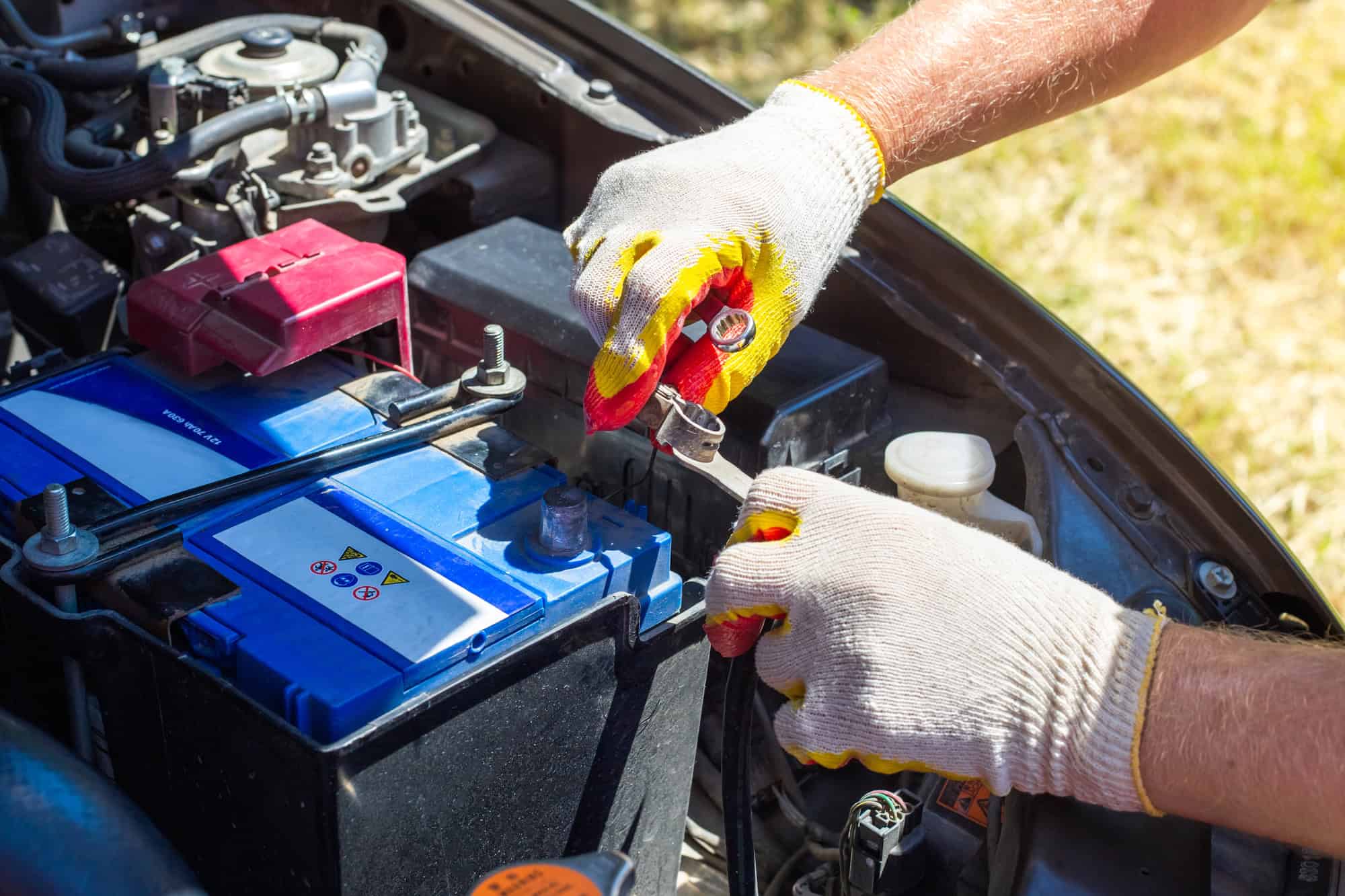
Ford Recalls 8,650 2022 Maverick Hybrids Over Loose Battery Cable Terminals
Trending on Motoring Chronicle

The Most Powerful Porsche SUV Ever Made Is Fully Electric And Starts At £86,200
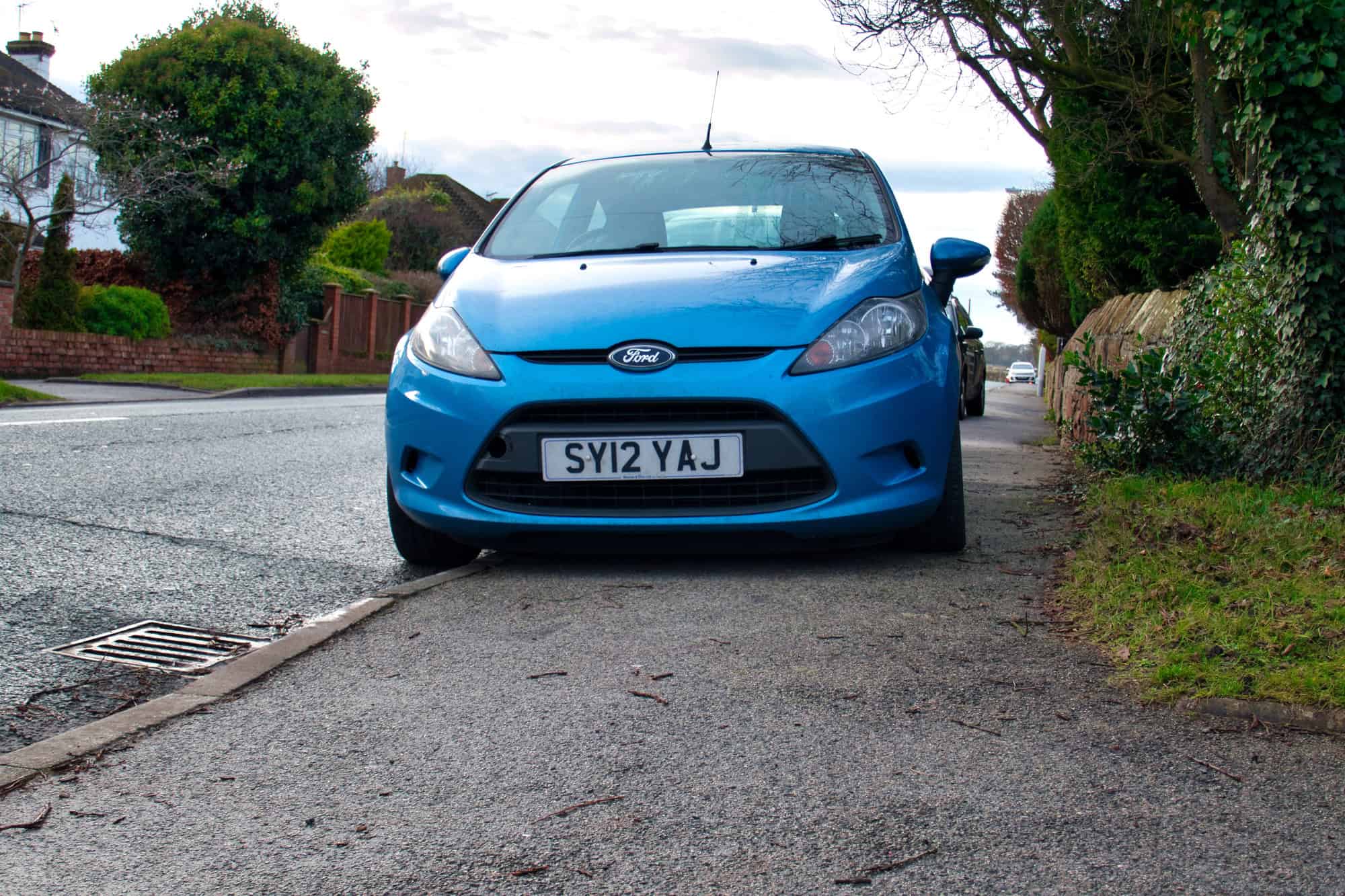
What DfT’s January 2027 Pavement Parking Ticket Plan Means for Every Driver

AXA Fixes 82 Percent of Breakdowns at the Roadside, Allianz Just 42 Percent

How to Spot the Hidden Fees the FTC Just Warned 97 Car Dealers About