
Why Every UK Driver’s Insurance Bill Rose 2.7 Percent After Two Years of Falls

- Car insurance premiums rose 2.7 percent in the year to September, the first annual increase in three years, according to Defaqto’s Market Pricing Motor Insurance Index.
- Drivers in Northern Ireland paid 16.3 percent more than a year earlier, while premiums in London fell by 1 percent over the same period.
- Older drivers saw the biggest rises of the past year, while drivers under 30 are still paying less than they were twelve months ago.
Two Years of Cheaper Car Insurance Just Ended
For the first time in three years, UK drivers are paying more for car insurance than they were twelve months ago. Figures from Defaqto’s Market Pricing Motor Insurance Index show competitively quoted premiums rose 2.7 percent in the year to the end of September, the first annual rise in three years and the close of a run of falling prices that had pulled quoted premiums down 12.8 percent from their level two years ago.
The rise is small next to the double-digit swings of the past few years, but it marks a change in direction. Insurers had cut prices through 2024 and most of 2025. That run is over, and the increase will land on millions of renewal notices over the coming months, not as a single shock but as the end of a trend drivers had come to expect.
What Changed and When
Defaqto tracks the premiums insurers actually quote for identical drivers, rather than the average price paid, which makes its index one of the clearest reads on where motor cover is heading. Quarter three brought a 0.5 percent rise, down from 2.1 percent in the second quarter, so the pace of increase has slowed even as the direction has not reversed. Month by month, the top five quoted premiums rose 0.4 percent in July and 0.2 percent in August, then eased back 0.1 percent in September. That left the third quarter as the third quarter in a row of growth, taking the six months to the end of September to a 2.6 percent rise.
Stephen Kennedy, director at Defaqto, said the data marks a turning point. “This is the first quarter in three years that our motor index has ended with competitive quoted premiiums above their level a year earlier,” he said. “Prices rose by just 0.5% in Q3 and edged down in September.” He added that insurers “continue to face inflationary pressures” on repair bills, parts, and labour, which keeps pushing quoted prices upward even as competition between providers holds the pace in check.
That competition is still fierce enough to produce wildly different outcomes between providers. Defaqto’s data shows individual insurers moved their quoted prices anywhere from a 3.5 percent cut to a 9.6 percent rise in the third quarter alone, a spread wide enough to mean two drivers with near-identical risk profiles can see opposite directions on their renewal letter depending purely on which insurer they happen to be with.
Who Is Paying More, and Who Is Not
The rise is not landing evenly. Defaqto’s regional breakdown shows Northern Ireland has had the sharpest increase of any part of the UK, with quoted premiums up 16.3 percent over the past twelve months. London moved in the opposite direction, with quoted premiums down 1 percent over the same period, making it the only region to see a fall. Defaqto did not publish figures for every region, but the gap between the two extremes shows how much a driver’s address now shapes the bill, separate from their age, car, or claims record.
Age tells a similar story of uneven change. Older drivers recorded the largest increases over the past year, a pattern that fits the wider claims data insurers point to: older drivers tend to drive more expensive cars and make costlier claims per incident, even when they have fewer accidents overall. At the other end of the age range, drivers under 26 and those aged 26 to 30 are still paying less than they were a year ago, a legacy of the deep cuts insurers made to attract younger drivers through the 2024 and 2025 price falls that has not yet been unwound.
Why Insurers Say the Falls Are Over
Francis Luery, product manager at Defaqto, frames the shift as more than a single quarter’s blip. “The return to annual price growth is a significant market development, but motorists will experience it differently,” he said, pointing to the regional and age gaps above as evidence that there is no single “average” driver feeling this change the same way. His advice to drivers facing a renewal: “For consumers, shopping around remains worthwhile.”
The repair bill side of the equation has not eased. Parts costs, bodyshop labour rates, and the complexity of fixing cars loaded with sensors and cameras have all kept claims costs climbing, and insurers have spent much of the past two years absorbing that pressure through competition rather than passing it straight on. Defaqto’s data suggests that absorption is now running out, even as the 0.5 percent quarterly rise shows insurers are still fighting hard to keep increases as small as they can manage.
What This Means Against the Longer Run of Prices
The longer view is worth setting out here. Even after three quarters of rises, quoted premiums remain 12.8 percent below where they stood two years ago, so most drivers renewing this autumn are still paying less than they were in 2024. Measured against the start of 2020, before the pandemic reshaped driving patterns and claims costs, premiums are 11.9 percent higher, a gap that reflects years of inflation in parts, labour, and the cost of settling claims rather than anything that happened this quarter alone.
What to Do Before Your Renewal Lands
The spread between insurers, from a 3.5 percent cut to a 9.6 percent rise in the same quarter, is the clearest reason not to accept a renewal quote without comparing it. Getting quotes from at least three providers, checking whether a black box or telematics policy brings a meaningful saving, and reviewing whether voluntary excess levels still make sense can all offset some or all of a 2.7 percent rise. Drivers in Northern Ireland facing the steepest regional increase have the most to gain from shopping around, while those under 30 should check that insurers have not quietly started unwinding the discounts that kept their premiums falling while everyone else’s turned upward.
The Claims Costs Driving the Numbers
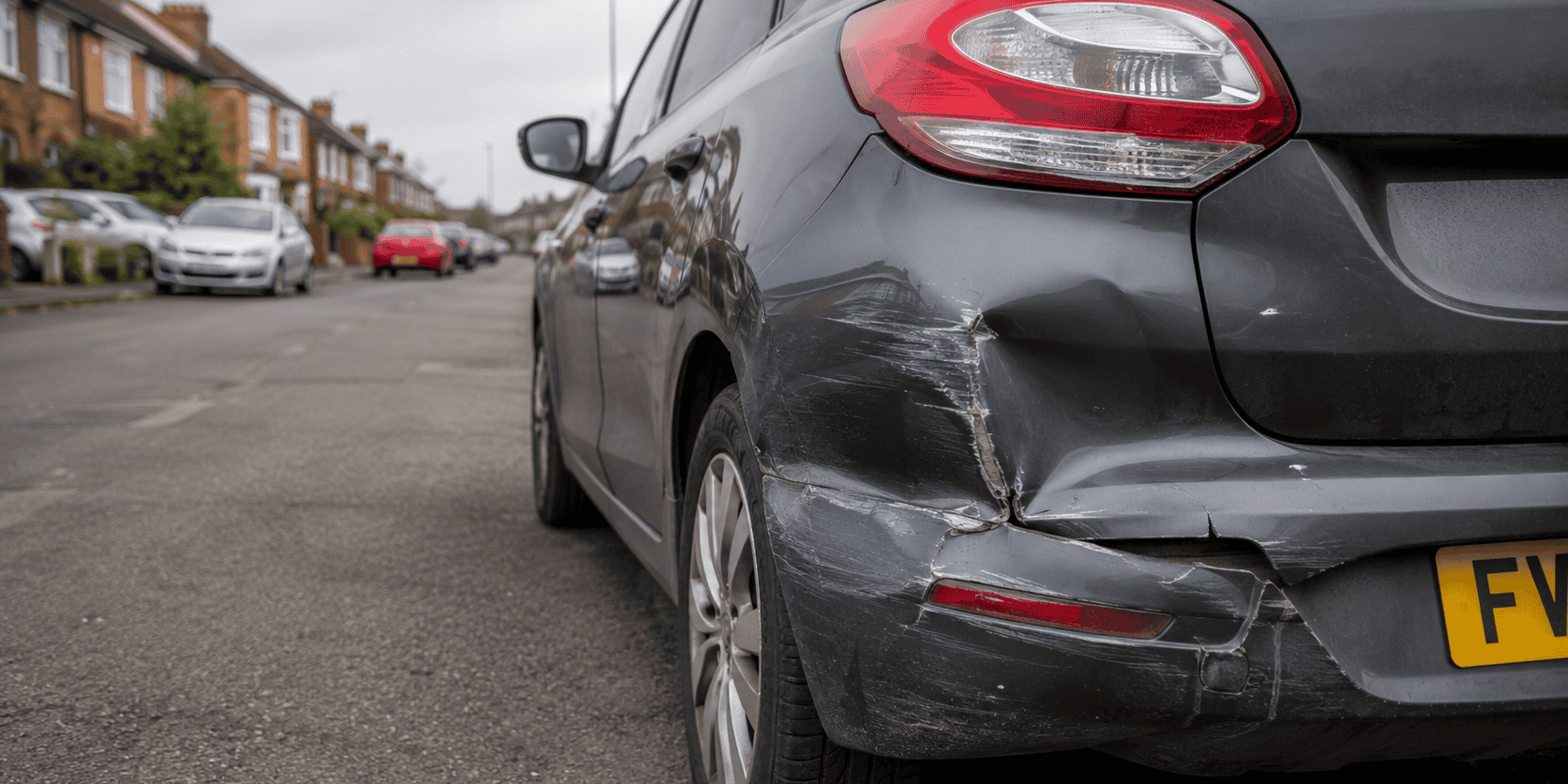
Behind the percentages sits a repair industry that has changed shape over the past five years. A car written off or repaired today is far more likely to carry parking sensors, lane-keeping cameras, and adaptive headlights than one bought before 2020, and every one of those components adds cost to even a minor bump. A cracked bumper on a modern family hatchback can now mean recalibrating a forward-facing camera at a main dealer, a job that did not exist on the same car a decade ago. Bodyshops report that labour rates have climbed alongside the complexity of the work, and parts shortages that began in the pandemic have left some repairs waiting weeks for a single sensor to arrive from overseas.
Insurers price all of that in before a single premium is quoted, which is why Kennedy’s reference to “inflationary pressures” covers more than the headline cost of living. It reflects a claims bill that keeps rising even when the number of accidents on Britain’s roads does not: each accident now costs more to put right. That pattern has been building for years. What changed in the third quarter was that insurers finally stopped absorbing enough of it through competition to keep the index moving downward.
How This Compares With Earlier Price Swings
Drivers who remember the sharp premium rises of 2022 and 2023, when some quotes jumped by a third in a single renewal, will recognise this as a far gentler move. A 2.7 percent annual rise, with a 0.5 percent quarterly increase that actually dipped slightly in September, is closer to general inflation than to the premium shocks of recent years. The difference this time is direction rather than scale. For two years, every quarterly reading pointed down, and drivers could expect a cheaper quote simply by waiting for their renewal date. That assumption no longer holds, and anyone who has grown used to automatic falls at renewal needs to start treating each quote on its own merits again rather than assuming the trend will do the work for them.
Want more car content? Add us as a preferred source on Google to your favourites list for the best automotive news and analysis on the internet.
If you enjoyed this article, be sure to follow us on Microsoft Start.
Sources:

Leave a Comment
More in News
What Every EV Driver Now Pays at a Public Charger Beats the Cost of Diesel

DfT Could Add 5 to 10 Points for Drivers Failing to Stop for Police

What DfT Plans for Uninsured Drivers Now Facing a £300 Fine and 6 Points

Are There Warning Signs Before a Cam Belt Breaks? Usually One, and It Is Not the Belt

Fife and Dundee Cars Fail 38.6% of First Attempt MOTs, Nearly Double Sutton’s 20.3%
Trending on Motoring Chronicle

KGM Actyon Hybrid review: Leftfield family SUV gets a hybrid boost

What Your Engine Oil Color Is Actually Telling You
Why Your Car Battery Dies in Cold Weather and the Fix That Works

Why That Polite Headlight Flash Now Carries A £200 Fine And Three Penalty Points
