
Used Non-Hybrid Petrol Cars Lost Five Times More Value in 2026 Than 2025
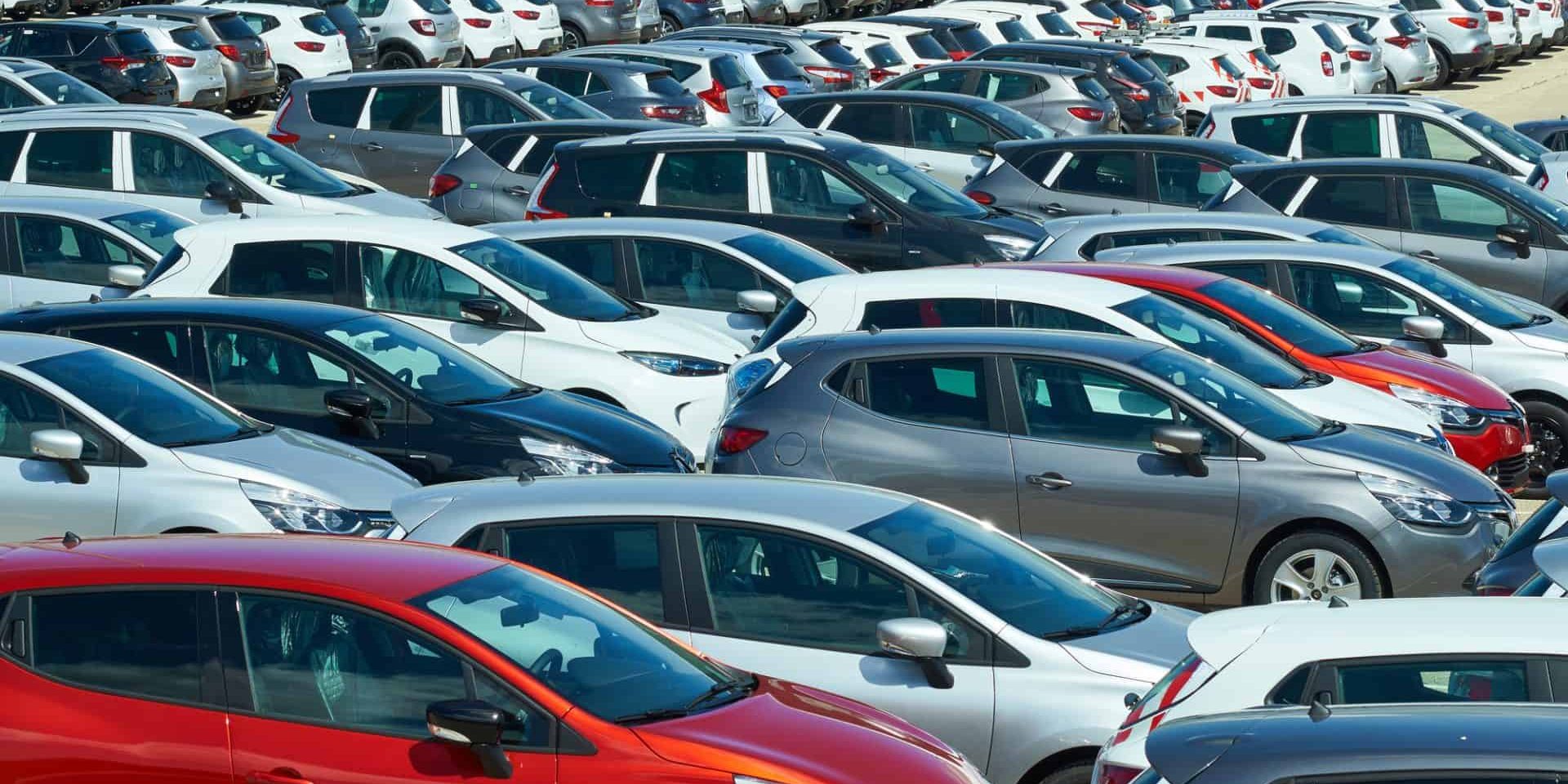

- AutoGrab data puts the 2026 loss on non-hybrid petrol cars at five times the previous year’s loss, and Carma data shows diesels shed about double what hybrids and electric cars did.
- Diesel SUVs fell steeply while diesel utes and large four-wheel drives fared better, and hatchbacks, sedans and mid-size SUVs are the segments that already have plenty of EV rivals.
- Before you sell or trade in, get several valuations and set your car’s price against the new drive-away price of a comparable model.
What a Petrol or Diesel Car Is Worth After the Year Cheap EVs Arrived
The analytics platform AutoGrab found that the value used petrol cars shed in 2026 was five times the 2025 loss. That figure covers petrol cars without a hybrid or plug-in hybrid system. Diesels took a hit too. Carma, an online used car dealership, found diesels shed about double the value that hybrids and battery-electric vehicles did across 2026.
Within diesel, body type mattered. SUVs took a bigger hit than utes, and a bigger one than the four-wheel drives made for heavy towing. If you drive a diesel SUV or a petrol sedan and plan to sell, the 2026 numbers describe your car. If you drive a diesel ute, the same data reads far better.
These are national market figures, not a rule or price list from any one state or territory.
The scale explains why dealers and owners feel it. The second-hand trade moves over 2 million cars a year, and Australians prefer it, which makes it about double the new-car market. Dealers report trouble moving stock and call conditions the “worst ever”.
Some in the industry say the fall is the market correcting after used cars became overpriced in the pandemic years. Others argue it signals bigger changes to come. Used cars always lose value, and in 2026 some models lost it faster than before.
Why 2026 Changed the Used Market
Fuel prices and Chinese pricing changed the market in the same year. The war in Iran pushed fuel prices up, and low-cost, heavily discounted Chinese brands arrived, which drove a surge in new EV sales. As more buyers moved to EVs, more used petrol and diesel cars reached the second-hand market, and low-cost new cars pulled used prices down with them.
Carma put dates and numbers on the fuel side. The Strait of Hormuz conflict first took fuel past $2.50 a litre in March 2026, and used EV sales under $35,000 more than doubled that month to 1,228. Sales then eased, and rose again to 1,288 in September 2026 as the Iran conflict dragged on. Dealer demonstrators made up 45 per cent of those used EV sales in September 2026, up from 14 per cent in September 2025.
The new-car price tags did the rest. Pitcher Partners motor industry adviser Steven Bragg said new Chinese SUVs were advertised for what a three-year-old Toyota RAV4 usually asks. “The Chinese SUV probably has better tech, better specs, and a new car warranty of eight years,” Bragg said. Dealers found themselves stuck with stock that was losing value fast. “It’s the hardest conditions they’ve been through,” Bragg said, and added: “Even the GFC was better than this.”
The Australian Automotive Dealers Association (AADA) has asked Canberra to pause new brands entering the market, and the group’s resale argument is set out in our report on the dealer body’s list of 66 car brands from 7 November. “It’s becoming more difficult to value some vehicles on the used car market because such is the rate of change,” AADA chief executive James Voortman said.
Chinese-brand cars are now flowing into the used market in volume. Carma’s Spring Snapshot of October 2026 found private listings of Chinese-brand cars grew 58 per cent over the year, against 13 per cent for the whole used market. In the popular $20,000 to $35,000 band, Chinese-brand values fell 11.1 per cent over the year while comparable cars from other brands fell 8.7 per cent. On an illustrative $30,000 car, that is $3,330 lost against $2,610, a gap of $720. The spread between models is wide: Carma puts a two to three year old MG HS 45.9 per cent below its new drive-away price and a GWM Haval Jolion about 20 per cent below, and the used MG HS and Haval Jolion prices are set out in full in our 9 November report.
Which Vehicles Held Up and Which Are Exposed
Cox Automotive industry analyst Mike Costello expects buyers to keep wanting used diesel utes and big four-wheel drives while few EVs compete with them. Other vehicle types, he said, “will probably fare differently”.
The EV Council, the industry’s peak body for electric vehicles, made a similar call. “Demand for certain vehicle segments is going to evaporate and may evaporate quicker than people expect,” said Aman Gaur, the council’s head of policy. The segments already well served by EVs are hatchbacks, sedans and mid-size SUVs.
Carma’s table of 18 models shows how uneven the gap between used and new has become. Each figure compares a two to three year old used car with the same model’s new drive-away price. The Mitsubishi Triton ute sits at $41,735 used against $50,490 new, a gap of $8,755 or 17.3 per cent, the smallest of the 18. The Ford Ranger ute is $61,417 used against $81,987 new, a gap of $20,570 or 25.1 per cent. The Toyota RAV4 is $45,909 against $64,990 ($19,081, or 29.4 per cent), the Hyundai Tucson $34,510 against $53,740 ($19,230, or 35.8 per cent) and the Mazda CX-5 $33,237 against $52,990 ($19,753, or 37.3 per cent). The table does not split models by fuel type, so it shows the spread between models, not a petrol versus diesel ranking.
Age adds a second variable. Carma found a one-year-old Subaru Crosstrek can save a buyer as much as $7,642 against a new one, while a one-year-old Toyota Prado saves just $667. Two cars of the same age can sit a long way apart on resale, and the model you own sets which end you are on.
Small cars face a risk that has not arrived yet. Small EVs with limited range sell in China for less than $10,000, and Bragg said one of those cars on sale here could wreck used hatchback values, provided buyers rated it as good as petrol models. “If it’s a Corolla-level-good vehicle for a great price, then 100 per cent it would impact the market,” he said.
What Analysts Expect Next
The forecasts split, and sellers need both sides. “Most of the key industry data sources say it’s likely used car prices will continue to fall for the foreseeable future,” Costello said. For one segment he sounded a warning: “Selling a diesel mid-sized SUV in 2029 is going to be a potential challenge … These are uncharted waters that we are swimming towards.”
Brendon Green, general manager at Pickles Auctions, sees a slower slide. “We anticipate a gradual shift in resale values rather than a dramatic decline, with the extent of any price movements varying across vehicle segments,” Green said. Marc Sibbald, director of Fleet News, doubts that Australians will move to EVs in a rush. “In five years time we’ll still be struggling with charging infrastructure,” Sibbald said. Running a low-cost EV has its own bill: RACQ puts the BYD Atto 1 at $751 a month in Queensland and RAC WA puts it at $888 in Western Australia, as our 14 November report on BYD Atto 1 monthly costs sets out.
Used EVs are not a safe harbour for buyers or sellers. They tend to lose about half their value over three years, and after a short rise when demand spiked in March they are losing value again. Costello expects them to hold value better as fears of severe battery wear prove unfounded: “We’re seeing cars with 90–95 per cent of battery health remaining entering the second-hand market,” he said.
Lachlan MacGregor, chief executive of Carma, said the 2026 flood of low-cost Chinese brands came from a mix of events that might not be repeated. Sales slumped inside China, so makers pushed abroad at the moment the United States, Europe and Canada banned or restricted vehicle imports. “We’ve had the fierce forces of competition like no other market has had,” MacGregor said. On prices ahead he said: “I wouldn’t say that I would forecast that EVs become cheaper again. In fact, with incentives rolling off, maybe they go up in price.”
What to Do Before You Sell or Trade
Start with your car’s segment. A diesel ute or large four-wheel drive sits in the group analysts expect to hold up. A diesel mid-size SUV, a hatchback, a sedan or a non-hybrid petrol car sits in the groups that lost the most in 2026.
Then check the new drive-away price of a rival. “Before buying used, check the exact new car drive-away price,” said Peter Willis, Director of Buying at Carma. Willis added: “For some Chinese brands, the gap can be substantial, while for others, a new car might be closer in price than you think.” Your buyer is likely doing this check, so do it first. A used car priced close to a new Chinese SUV with an eight-year warranty faces a hard sell.
Expect to meet a buyer with the upper hand. “Across the market as a whole, the same used car was about 6.5 per cent cheaper in September than a year earlier, while around two-thirds of dealer cars leaving the market had been discounted,” said MacGregor. On a $30,000 car, 6.5 per cent is $1,950.
Get several valuations and compare them with live listings of the same model. Willis gives buyers the same advice, and it works for sellers: “If you’ve found the right car, compare it with similar listings rather than waiting for the whole market to fall further,” Willis said. “A well-priced car could be gone before the market moves much.” A dealer trade-in offer, an auction house estimate and a private listing can give three different numbers.
Decide your timing with the forecasts in mind. Neither forecast has prices rising: Costello expects further falls and Green expects a gradual shift in resale values. For anyone buying petrol, Gaur’s caution applies: “I would just urge people who are buying petrol cars to be cautious about what the future demand might be, given the demand for petrol cars is decreasing, and the demand for electric cars is increasing.”
For Bragg, the buyer’s side of the story is the good news. “It’s never been a better time to buy a car,” he said. For a petrol or diesel owner selling into that market, the work is to know your segment, know the new price and arrive with three valuations.
Want more car content? Add us as a preferred source on Google to your favourites list for the best automotive news and analysis on the internet.
If you enjoyed this article, be sure to follow us on Microsoft Start.
Reviewed by Preetam Gadekar

Leave a Comment
More in News
Virginia’s Hampton Roads Tunnel Tolls Rise Jan. 1, Peak E-ZPass Hits $3.52
Long Beach Speed Camera Fines of $50 to $500 Start Dec. 7
Why Cars Stall: One Parts Maker Lists Stalling for Only Five of 14 Components
Typical New Car Payment Hits $783 a Month, Highest in Almost Three Years

‘I’m just waiting for the car to explode’: Woman buys Kia Telluride. It needs a new motor twice in 6 months. Then Kia finally sends her an offer
Trending on Motoring Chronicle

Why the FCA Found GAP Insurance Pays Out Just 6 Percent in Claims
Lamborghini Few Off Roadster: Emotional, Limited and Open

What To Do When Your Car’s Air Conditioning Stops Working
How New York Is Putting Speed Cameras in Nearly Every Work Zone
