
Hyundai Recalls 1,619 Elexio EVs Over Sudden Braking, Fix Expected February

- Hyundai Australia has recalled all 1,619 Elexio electric SUVs, 944 of them already delivered, over a forward collision system that can brake hard when braking is not necessary.
- Deliveries are paused, a loan car is offered through an authorised Hyundai dealer, and Hyundai puts the fix, new hardware plus a software update, at February 2027.
- Owners can check a VIN on Hyundai’s recall checker, and Hyundai has not issued a general instruction to stop driving.
A New Hyundai EV Can Brake Hard When It Should Not, and the Fix Is Months Away
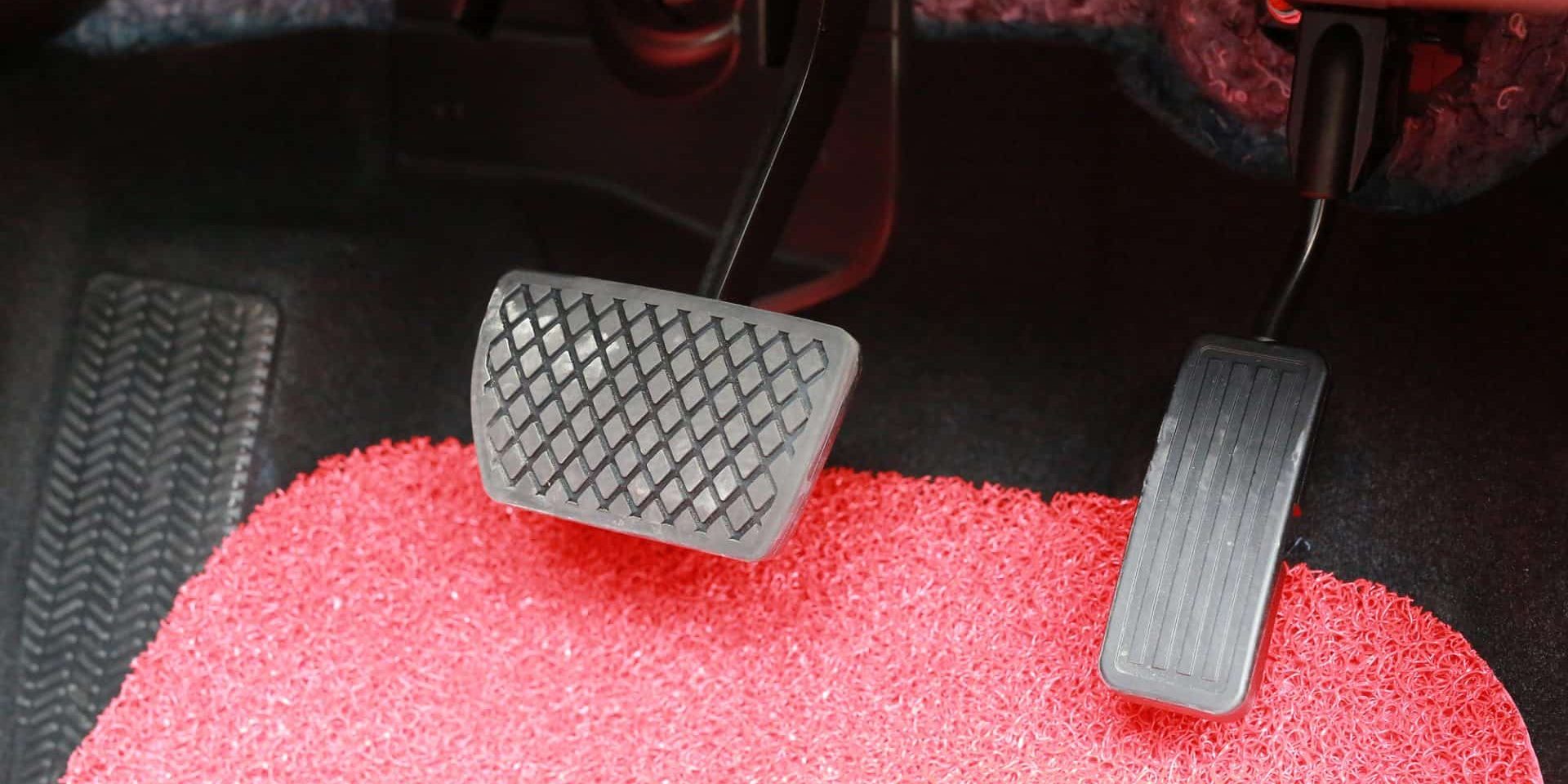
Hyundai Motor Company Australia has recalled every Elexio it has delivered, plus the stock still waiting for buyers. That is 1,619 cars. The Elexio is the first Chinese-developed and Chinese-built Hyundai sold here, and the fault sits in its Forward Collision-Avoidance Assist (FCA) system, the automatic emergency braking that is meant to stop the car before a crash. Hyundai puts the fault this way: “In certain situations, Elexio’s Forward Collision-Avoidance Assist (FCA) system may apply sudden and unexpected braking even though it is not necessary,” the company said in a statement.
The numbers split two ways. Hyundai records 944 Elexios delivered to Australian customers from launch to the end of October 2026, which is 58.3 per cent of the recalled cars. The other 675, or 41.7 per cent, sit in stock or wait for handover. Deliveries have stopped until a remedy is ready.
Hyundai announced the recall on 9 November and said the official notice would appear on the Department of Infrastructure’s vehicle recalls website that week. No campaign number was available from Hyundai’s statements, so none is quoted here. The recall is voluntary: the Department defines that as action by suppliers to fix a potential safety or non-compliance issue, and the Commonwealth regulator oversees it under the Road Vehicle Standards Act 2018.
Hyundai says some Elexio owners had already reported the problem before it acted. The fix needs replacement hardware and new software, and the company’s own estimate for it is February 2027.
What the Braking Fault Does on the Road
Hyundai describes the risk in a second line from the same statement. “Sudden braking of this nature could increase the risk of rear-end collisions with any following vehicles.”
Motoring journalist Matt Brogan put numbers on what that looks like in a road test published on 24 May. He recorded three braking events in an Elexio that he judged excessive or unneeded, and two of them nearly ended in a collision with the traffic behind.
In the first, an Elexio Elite in a 40 km/h zone braked hard enough to trigger the anti-lock braking system and stop completely after the car detected another vehicle leaving a driveway about 40 metres ahead. A car travelling at 40 km/h covers 40 metres in about 3.6 seconds, so the Elexio stopped dead for a vehicle that was still a few seconds of driving away. The driver behind narrowly avoided hitting it.
The second came while turning right on a green signal. The Elexio braked heavily after it detected a vehicle turning the opposite way across a wide intersection. The braking forced the occupants against their seatbelts and nearly caused another rear-end collision.
The third happened on a 110 km/h highway with the Highway Driving Assist function engaged. The car dropped from highway speed to about 70 km/h after it detected a vehicle slowing to exit in a separate lane. That is 40 km/h shed in traffic where a following car covers about 31 metres every second.
Brogan described the calibration of the driver assistance as among the poorest experienced in recent years, declined to recommend the car, and concluded: “In my view, this car should be withdrawn from sale immediately”. That is one reviewer’s judgment. Hyundai has not issued a general instruction for owners to stop driving.
Who Is Affected and What Hyundai Is Offering
The recall covers every Chinese-built Elexio delivered locally and every car still in stock. A buyer still waiting for keys is covered by the delivery pause.
Hyundai is offering a temporary loan vehicle through an authorised Hyundai dealership to owners, and the same to customers who are now unable to take delivery. The model has been taken off the configurator on Hyundai’s website, yet it stays in the local lineup.
The repair itself carries no charge. Hyundai’s recall page says an eligible car gets parts and labour at no additional cost at a Hyundai Service Centre, and the Department of Infrastructure says that in most circumstances the manufacturer fixes a recalled car free of charge.
The Elexio competes in the mid-size electric SUV segment against the Tesla Model Y, BYD Sealion 7 and Kia EV5. Australia is the first right-hand-drive export market for the car, and customer deliveries began early in 2026.
Why the Fix Takes Until February
Hyundai’s customer information sheet states the timing plainly. “February 2027 is the estimated timing. That timeline is subject to review and we hope to get it done earlier, but we can’t guarantee a shorter timeframe,” the company said.
From the 9 November announcement to 1 February is 84 days, or 12 weeks, so an owner should plan around at least that long without the fix, and longer if the work lands later in February. The company says it hopes to do better, and gives no guarantee.
The remedy has two parts, hardware and software. Hyundai Australia had already pushed an over-the-air update on 25 August, and the register entry describes it as a change to the FCA system aimed at fewer needless emergency stops in some driving situations. That update arrived three months after the road test. The recall now says the permanent fix also needs replacement hardware, which a software update cannot supply.
The company also made a general statement on safety. “The safety of our customers has always been Hyundai’s number one priority and any issue that has the potential to compromise that safety is taken seriously,” said Hyundai Australia in a statement.
What to Do Now
If you own an Elexio, call an authorised Hyundai dealership and arrange the temporary loan vehicle. Ask in writing how long the loan car is available, who covers fuel or charging costs and any excess or damage conditions, and what happens to your own car’s service history and warranty while it waits for the fix. Get each answer from the dealer on paper.
Check the VIN. Hyundai’s recall checker asks for the 17 digit VIN, made of numbers and letters. The VIN sits on the passenger side of the dash, and it is also printed on the registration certificate and in the owner’s manual. If you cannot find it, Hyundai’s recall page lists 1800 186 306 between 9:30am and 5:30pm AEST, Monday to Friday, closed on NSW public holidays.
Watch for the formal notice and a letter. The Department of Infrastructure says manufacturers notify owners directly, usually by post or email, and sometimes by SMS where they hold the number. Check the contact details Hyundai holds for you are current. The national recalls site, vehiclerecalls.gov.au, lets you enter a vehicle’s details and subscribe to alerts for future recalls.
For anything else, Hyundai’s Customer Care team takes calls on 1800 186 306 and emails at [email protected].
If you are waiting for delivery, ask the dealer for the loan car terms and a written estimate of the delivery date. Hyundai says deliveries stay paused until a fix is available, and the February date can move.
Where This Sits Among Recent Phantom Braking Recalls
This is the second Hyundai recall this year over a forward collision system that brakes when it should not. Hyundai recalled 36,496 current-generation Tucson SUVs earlier in the year, with the notice published on 29 May under campaign 61D154. The notice blamed a software fault: “Due to a software issue, the Forward Collision Avoidance (FCA) system may continue to apply sudden/unexpected braking even though it is no longer necessary to avoid a collision or reduce impact,” the Tucson notice from Hyundai Australia stated.
The symptoms are close, but Hyundai has found no technical link joining the two recalls. The Tucson is unrelated to the Elexio, and it is unclear whether it uses any similar driver assist hardware or software.
Other makers have faced the same fault. Mazda recalled more than 500 CX-90 SUVs in 2024 for an autonomous emergency braking system that reflective objects falsely triggered, and an update to the vehicle control module resolved it. The national recalls site now lists 124 recalls under the Hyundai make.
For buyers of newer brands the recall adds to the running list of ownership questions. A dealer body has linked the growing number of brands to slower repairs, and the dealer body’s resale and repair warning sets out what it wants Canberra to do.
Resale is the other half of ownership cost, and the way used Chinese SUVs hold value varies by model. Anyone shopping for a used Elexio can ask the seller whether the recall work has been done.
Want more car content? Add us as a preferred source on Google to your favourites list for the best automotive news and analysis on the internet.
If you enjoyed this article, be sure to follow us on Microsoft Start.
Reviewed by Preetam Gadekar

Leave a Comment
More in News
Milwaukee Impounded 354 Cars for Reckless Driving at $150 Plus $25 a Day

Tennessee Coverage Failure Fee Jumps From $25 to $500 on July 1, 2027

Why Nearly a Million UK Drivers Now Pay DVLA’s £440 Luxury Car Tax

Steiner predicts multiple F1 titles for Antonelli as Mercedes gamble pays off

Man’s Tesla has 9% range left. Then he gets a message that he’s ‘too far from closest known charging station.’ Now the car refuses to start
Trending on Motoring Chronicle
Jeep Recalls 328,000 Grand Cherokees Over Rear Springs That Could Detach

Woman’s son gets into a car accident in Georgia. Then Progressive makes her a lowball offer fit for Florida: ‘There’s no rule…’
Milton Keynes Council Collects £12.8 Million Parking Surplus From Drivers, 42 Percent Above 2023/24
Kia K4 takes Motorweek’s 2026 Drivers’ Choice Award for Best Family Car
