
What Every EV Driver Now Pays at a Public Charger Beats the Cost of Diesel
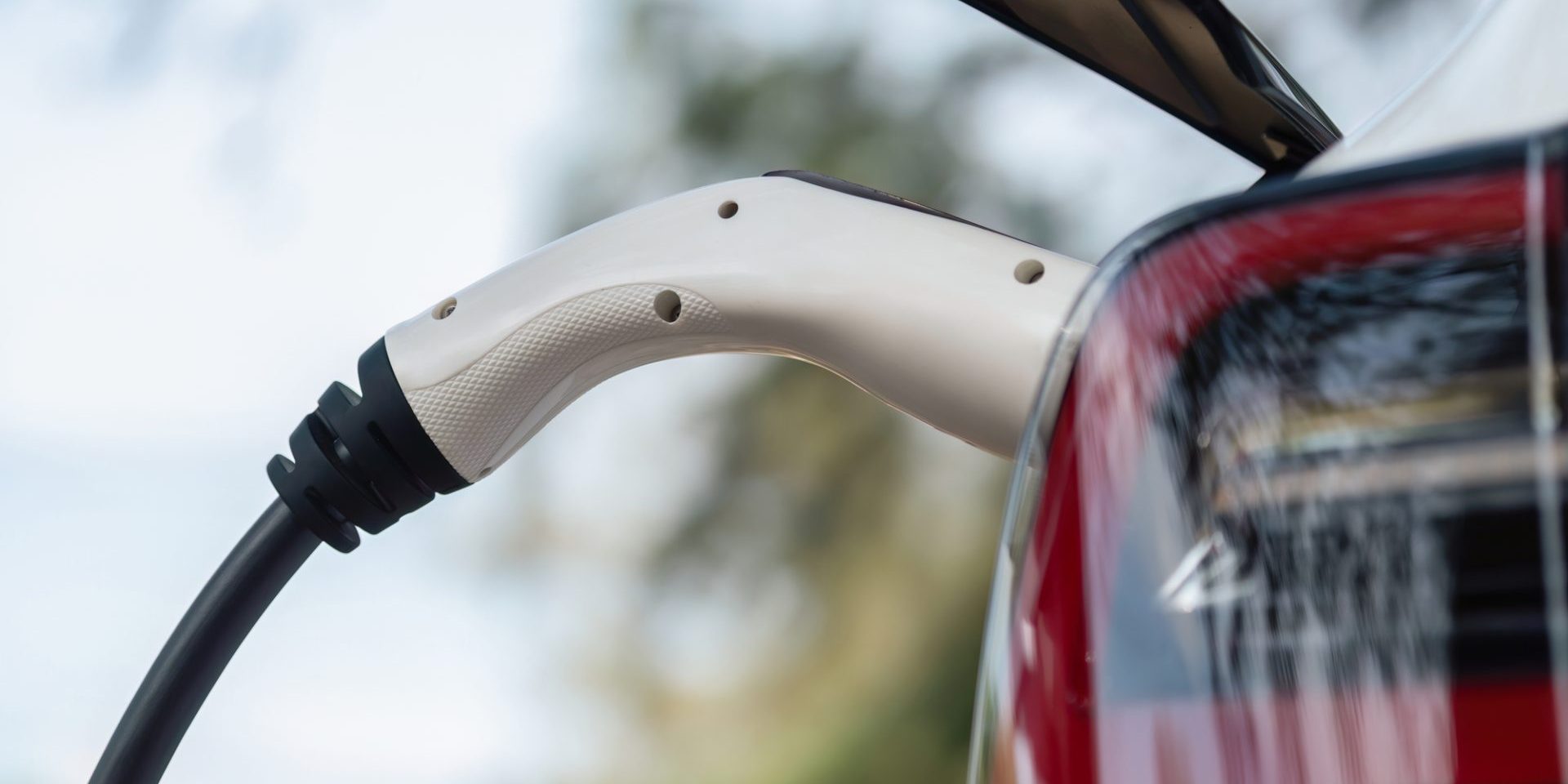

- Public rapid and ultra-rapid chargers now cost 79p per kWh on average, working out at 24p a mile, according to Zapmap’s UK EV Charging Price Index for September 2026.
- Standard and fast public chargers average 54p per kWh, or 16p a mile, with prices on both networks up around 4 percent over the past year.
- A driver who does most of their charging at home but tops up in public around a fifth of the time can still save roughly £1,130 a year against running a petrol or diesel car.
What Every EV Driver Now Pays at a Public Charger
Charging an electric car away from home has become one of the least predictable costs of owning one, and the latest figures show why drivers without off-street parking are watching their pence-per-mile far more closely than those who can plug in on the drive overnight. Zapmap’s Price Index, updated on 7 October and covering September’s charging sessions, puts the average cost of a rapid or ultra-rapid public charge at 79p per kWh. For a car doing an average 3.3 miles per kWh, that works out at 24p a mile, which is more than many drivers pay to run a comparable petrol car on fuel alone.
Slower standard and fast chargers, the type found on residential streets and in supermarket car parks, are cheaper at 54p per kWh, or 16p a mile. Both figures are drawn from roughly two million charging sessions a month across about three-quarters of the UK’s public charging points, making it one of the most complete pictures available of what drivers are actually paying rather than what a network advertises on its app.
The Gap Between Home and Public Charging
The size of the gap to charging at home is the real story here. Zapmap puts a typical home electricity price cap rate at around 26p per kWh, and a driver on an off-peak overnight tariff can pay closer to 9p per kWh. Set against a public rapid charger at 79p per kWh, that is roughly three to eight times the cost for exactly the same electricity, delivered to exactly the same battery.
Part of that gap comes down to tax rather than the cost of the electricity itself. Domestic electricity, the supply that reaches a home charger, is taxed at 5 percent VAT. Electricity sold through public charging points carries the full 20 percent rate, the same as any other retail purchase. A driver with a driveway charges at the lower VAT rate every single night. A driver without one, who has no choice but to use the public network, pays four times the tax on every unit of power, before the network operator’s own costs and margin are even added on top.
Who Is Still Saving, and Who Is Not
Zapmap’s own modelling shows the outlook is still broadly good news for most electric car owners, just not an equal one. A driver who covers about a fifth of their charging on the public network and the rest at home, the profile Zapmap calls “John and Rosa,” can expect to save around £1,130 a year in fuel costs compared with running a similar petrol or diesel car. That saving holds up even with public rapid prices at 79p per kWh: most of their charging still happens on cheap home electricity.
The calculation looks very different for drivers who rely entirely on the public network, having no driveway or dedicated parking space of their own, a profile Zapmap labels “Kris.” That group will often still come out ahead of a petrol or diesel driver, but the margin narrows sharply, and on the most expensive rapid networks it can close altogether depending on how much of their charging happens on the costliest tariffs. Prices vary widely between operators even within the public network. Zapmap’s data shows Tesla’s Supercharger network charging 69p per kWh when open to all drivers but only 48p per kWh for Tesla owners, while Believ prices at 66p per kWh and Sainsbury’s Smart Charge at 72p per kWh, a spread that means which app a driver opens can matter as much as which charger they plug into.
Why Prices Keep Climbing
Both standard and rapid public charging prices have risen by around 4 percent over the past year, a smaller increase than the sharp jumps seen when wholesale electricity costs spiked in previous years, but still a move in the wrong direction for drivers who were promised running an EV would get cheaper over time as the market matured. Network operators point to the cost of leasing forecourt space, grid connection charges, and maintaining rapid chargers that draw far more power than a domestic supply, all of which get passed through to the price at the plug.
What a Driver Without a Driveway Can Do
Shopping between networks is the most direct way to close the gap. The difference between Tesla’s open Supercharger rate of 69p per kWh and the cheapest standard chargers at 54p per kWh is large enough to be worth planning a route around, especially for regular commuters who pass the same chargers every week. Councils in a growing number of areas now offer discounted residential charging schemes for streets without driveways, and some energy suppliers bundle a public charging allowance into home tariffs aimed at EV owners. None of these fixes the underlying VAT gap, which only changes if the government alters the rate applied to public charging points, but comparing networks before plugging in, rather than using whichever charger happens to be free, is the one lever every driver without a driveway already has.
A Worked Example: The Same Drive, Three Different Prices
Take a driver covering 10,000 miles a year in a typical electric family car returning around 3.3 miles per kWh. Charged entirely at home on an off-peak tariff around 9p per kWh, that mileage costs in the region of £270 a year in electricity. Charged entirely on standard public chargers at 54p per kWh, the same mileage costs closer to £1,600. Charged entirely on rapid and ultra-rapid public chargers at 79p per kWh, it rises to roughly £2,400. The electricity itself has not changed. The battery does not know or care where its charge came from. What changes the bill by nearly tenfold is simply which socket the cable happened to be plugged into, and whether that socket sat on a driveway or a forecourt.
Almost no driver sits at either extreme. Most mix home and public charging in some proportion, which is why Zapmap builds its savings estimates around blended profiles like “John and Rosa” rather than a single average figure. But the worked example shows why campaigners and some MPs have pushed for years to bring the VAT rate on public charging down to match the 5 percent rate applied at home, arguing that the current split punishes exactly the drivers an EV transition most needs to reach: those in flats, terraced houses, and streets without off-road parking, who have no choice but to pay the public rate every time.
What the Price Index Does Not Capture
Zapmap’s figures are averages across roughly three-quarters of the UK’s public network, which means they smooth over genuine differences between urban and rural charging availability. A driver in a city with dense charging infrastructure has the luxury of comparing several operators within a short walk or drive. A driver in a rural area might have access to only one or two chargers within a reasonable distance, leaving little practical room to shop around regardless of how wide the published price gap looks on paper. That access gap sits on top of the price gap, and it is the reason the government’s own EV strategy has repeatedly flagged charging equity, not just charging price, as a barrier to wider adoption outside areas with driveways and good public infrastructure.
Want more car content? Add us as a preferred source on Google to your favourites list for the best automotive news and analysis on the internet.
If you enjoyed this article, be sure to follow us on Microsoft Start.
Sources:

Leave a Comment
More in News

What Counts as Fair Wear and Tear When You Hand Back a PCP Car

Every Car Since 2012 Can Fail Its MOT Over a £60 Warning Light

Start Rescue Warns Nine in Ten UK Drivers Blinded by Headlight Glare

GEM Warns Drivers to Give Pedestrians and Horse Riders Extra Space This Weekend

How Often Should You Rotate Your Tyres (and What Skipping It Costs You)
Trending on Motoring Chronicle

Realising the dream: a very special Speed Six [Photo Gallery]

Genesis Reveals GV90 Flagship SUV With 657 Horsepower and 310-Mile Range

DENZA Z9 GT Priced From £95,000 as Chinese Premium Brand Launches in the UK
