What Counts as Fair Wear and Tear When You Hand Back a PCP Car
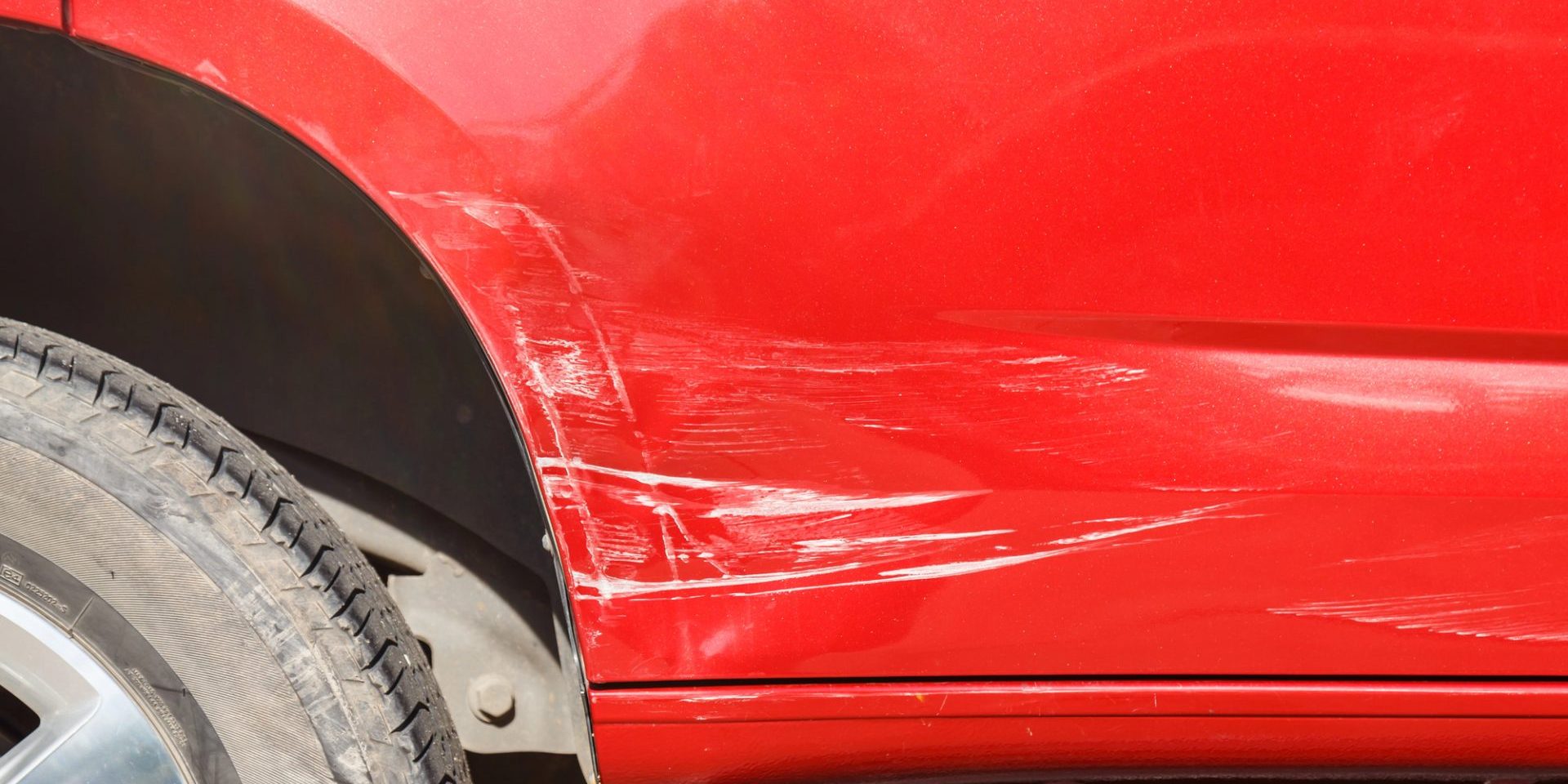

- Fair wear and tear is judged against the BVRLA guide: paint scratches up to 25mm and dents up to 15mm are usually acceptable, but wheel dents, cracked glass and missing keys are not.
- Excess mileage is charged per mile, and one broker says it can reach 30p a mile ($0.39) or more depending on the make and model.
- You can dispute a damage bill, and if you want out early you have a legal right to end the agreement once you have paid 50% of the total amount payable.
What Counts as Fair Wear and Tear on a PCP Hand Back
Fair wear and tear is the normal ageing a car picks up when it is used as intended, and it is not charged for. Damage beyond that is. Lenders such as Zopa say they judge the car against the BVRLA Fair Wear and Tear guidelines, which is the industry standard for handing back a financed or leased car. In plain terms, small paint chips and light scratches are fine, while dents, cracked glass, damaged wheels and missing keys will usually land you with a bill.
The AA’s leasing guide, which sets out the BVRLA-based limits, gives specific measurements. Paint chips under 3mm are acceptable, up to four per panel. Dents of 15mm or less are acceptable, up to two per panel, as long as the paint is not broken and the dent is not on the roof. Surface scratches of 25mm or less are acceptable, up to four per panel, provided no primer or bare metal shows. Wheel scuffs are acceptable up to 50mm around the rim.
Cinch, which publishes its own guide for PCP customers, makes the same distinction. It says small chips to the paintwork are allowed, as are scratches and scrapes up to 25mm, but wheel dents are not acceptable. A car that is returned dirty can also attract a charge, so the lender checks more than damage.
These figures come from leasing and finance guidance, and your own agreement is the document that applies to your car. Check the handback section of your contract and your lender’s website before the inspection, as some lenders publish their own versions of the standard.
Glass, Tyres, Lights and Keys
Glass has its own rules. The AA guide says windscreen damage over 10mm in the driver’s line of sight, or over 40mm elsewhere in the swept area, is not acceptable. Cinch says any chips and cracks in windows must be professionally repaired, though light scratching outside the driver’s line of sight is acceptable. A small chip repaired now costs far less than a lender’s charge for a replacement screen.
Tyres are the item most drivers forget. Cinch says tyres must meet the legal requirements, and the AA says light wear is acceptable if it is within UK legal limits. The legal minimum tread depth for a car is 1.6mm across the central three-quarters of the tyre, but a tyre near that figure will not impress an inspector, and mismatched or damaged tyres are a common source of charges. Check all four before you book the inspection, and replace any that are close to the limit rather than wait for a bill.
Missing items cost money too. The AA says a missing V5C logbook, locking wheel nut key or key is unacceptable, and that two keys must be returned. Cinch says lamps must work, so a blown bulb is a cheap fix to make before the car is collected. Gather both keys, the service book, the locking wheel nut key and the handbook in one place so nothing is missing on the day.
How Excess Mileage and Inspection Work
Your PCP agreement sets a mileage allowance, and going over it is charged by the mile. Zopa says it applies a charge per excess mile and checks the mileage at inspection. The rate is written in your contract, so find it now. Leasing Options says you could pay up to 30p per extra mile ($0.39) or more depending on the make and model. At that rate, 2,000 miles over the limit would cost £600 ($780), which is why it pays to check the mileage a few months before the agreement ends rather than at the last minute.
If you are heading for a large overshoot, ask your lender whether you can agree a different option, such as part-exchanging the car, before the end date. Zopa lists three choices at the end of a PCP: pay the optional final payment and keep the car, hand it back, or part-exchange it.
On handback, Zopa says a logistics partner inspects the car’s condition and checks the mileage. If the car is within the mileage limit and in good condition, the lender contacts you to confirm the end of the agreement. The AA’s guide says inspections take place in dry, bright conditions, that you should remove personal items and valet the interior, and that the exterior should be sufficiently clean. It also suggests leaving at least two metres of clear space around the car so every panel can be seen.
Take dated photographs of every panel, the wheels, the interior and the mileage on the dashboard before collection. Keep your service history and MOT certificates with them. Kandoo’s guide recommends photos, service history, MOT paperwork and both keys, and says to arrange a formal inspection and agree a collection date. Keep the car insured until the lender confirms collection.
What to Do If the Bill Looks Wrong
You do not have to accept the first figure. Cinch says you will have the opportunity to dispute charges, and Leasing Options says you can challenge an assessment by writing to the company. The AA’s leasing guide says you can contest a report and hire an independent engineer, and that if the engineer rules in your favour the inspection cost is refunded and the damage charges are waived.
Compare each item on the report with the BVRLA limits above. A 20mm scratch is within the 25mm guide, so a charge for it is worth challenging. Ask for the photographs the inspector took, and ask how each charge was calculated. Get your own quote for the repair, as a body shop can price the work well below the lender’s figure.
Pay the final bill only once you have checked it, and keep copies of every letter, photograph and email. If the lender will not move, you can take the complaint up through its formal complaints process, which the lender’s website will set out.
Ending a PCP Early
If you cannot afford the payments or no longer want the car, voluntary termination is a legal right under the Consumer Credit Act. Kandoo says you can use it after paying at least 50% of the total amount payable, a figure that includes fees and interest and, on a PCP, counts the optional final payment in the calculation. The final payment itself is not paid when you terminate. Leasing Options adds that if you have paid over 50% you will not be refunded the difference.
If you have paid less than 50%, Kandoo says you will need to pay the difference. Ask the lender for a settlement figure, which you can request at any time, before you decide. Leasing Options advises writing to the finance company, posting the letter by recorded delivery with the date, keeping proof of postage and emailing a copy.
Handing the car back early does not remove the fair wear and tear rules. The same inspection applies, and so do charges for excess mileage and damage, so the checks above still decide your final bill. Keep the car taxed and insured until the lender has collected it.
The cheapest approach is to plan six months ahead. Walk round the car with the BVRLA limits in your hand, book repairs for anything outside them, check the mileage against your allowance and read the handback section of your agreement. Small repairs done before the inspection almost always cost less than the same repair charged by the lender afterwards.
Want more car content? Add us as a preferred source on Google to your favourites list for the best automotive news and analysis on the internet.
If you enjoyed this article, be sure to follow us on Microsoft Start.
Sources:
- AA Lease: Car Leasing in the UK: Understanding the Fair Wear and Tear Standards | AA Lease
- Cinch: PCP car finance damage and fair wear and tear – cinch
- Zopa: What are my options at the end of a PCP agreement?
- Zopa: how to return car end pcp agreement
- Kandoo: Can You Return a Financed Car Without Penalty?
- Kandoo: How to End PCP Early Finance Guide | Kandoo
- Leasing Options: Easy Guide to PCP Voluntary Termination | Leasing Options

Leave a Comment
More in News

Every Car Since 2012 Can Fail Its MOT Over a £60 Warning Light

Start Rescue Warns Nine in Ten UK Drivers Blinded by Headlight Glare

GEM Warns Drivers to Give Pedestrians and Horse Riders Extra Space This Weekend

How Often Should You Rotate Your Tyres (and What Skipping It Costs You)
How DVSA Found Nearly 3 Million Cars Passed an MOT They Should Have Failed
Trending on Motoring Chronicle

Why Tesla Still Has No Fix for 20,349 Model 3 and Y Headlights That Blind Oncoming Drivers
What Your Licence Lets You Tow This Caravan Season (and the Fines to Avoid)

Home Charging Saves EV Drivers £1,240 a Year Over Diesel, Ofgem Cap Shows

GM’s New 6.6L V8 Makes 481 Horsepower for 2027 Silverado and Sierra