
How New Speed Cameras With No Warning Could Catch Every UK Driver Out
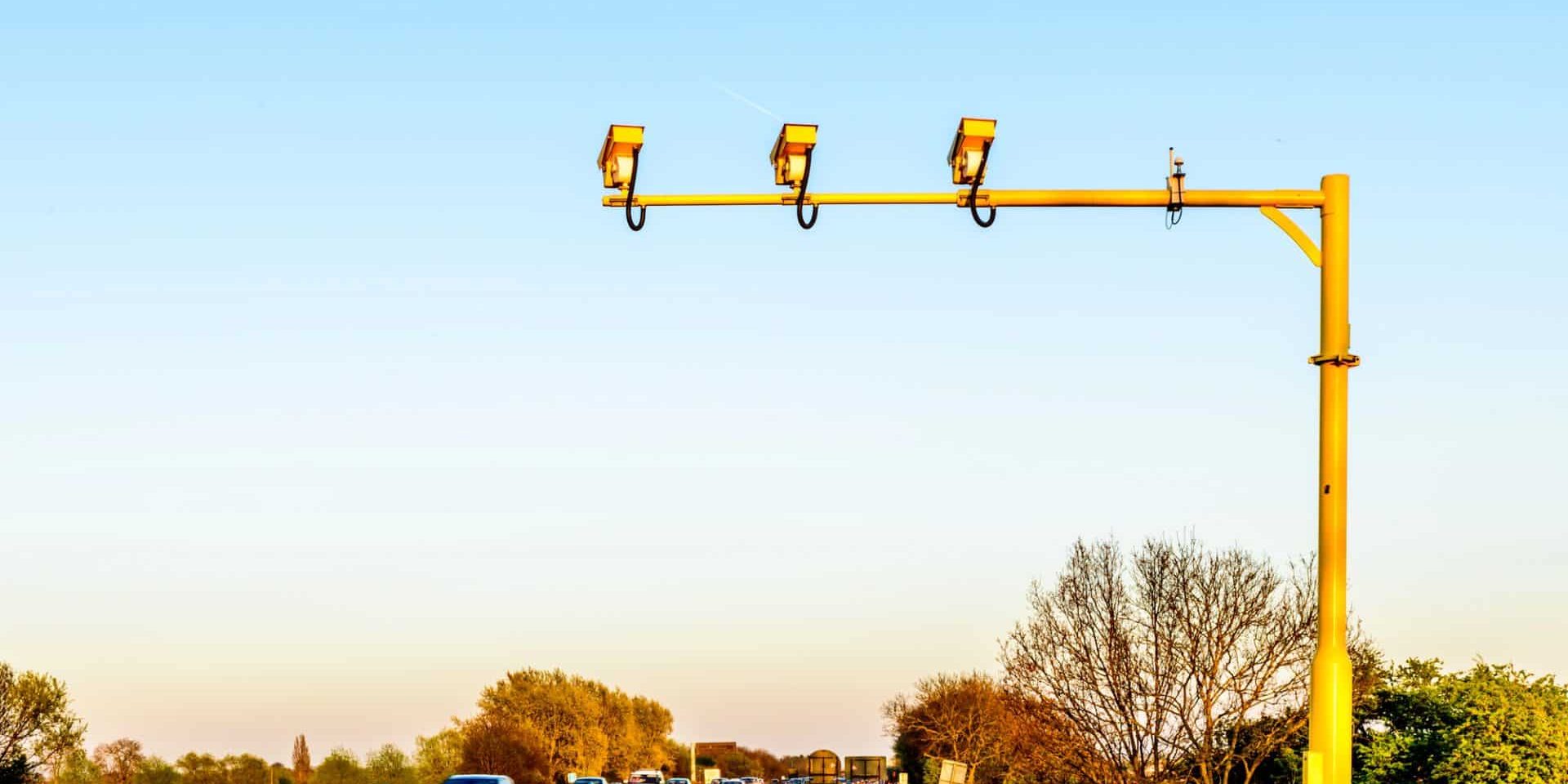
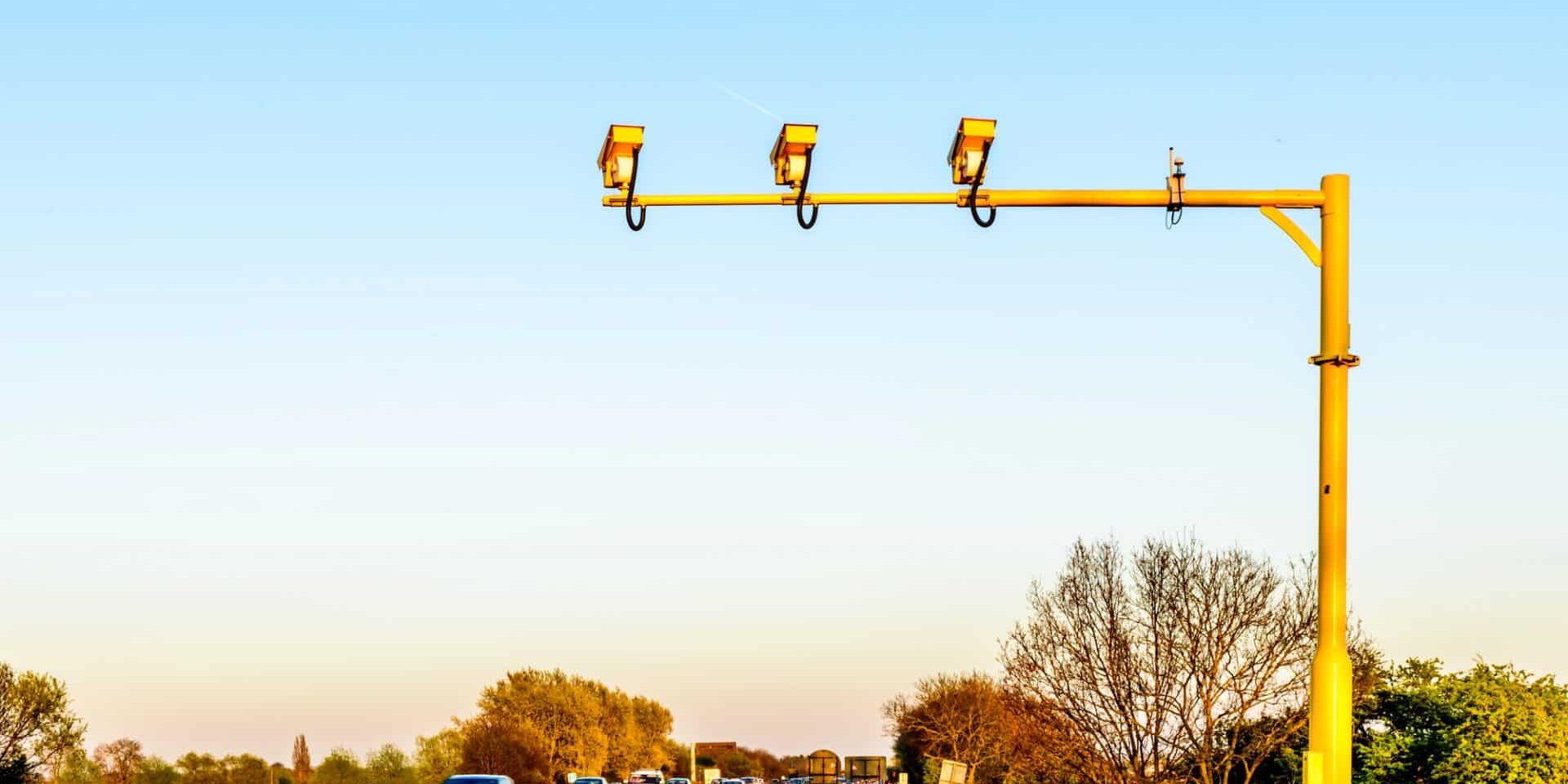
- Transport for London has begun installing speed cameras that use 4D radar and show no flash, no road markings and no warning sign that would let an app or a driver spot them in advance.
- The new cameras can watch up to five lanes of traffic at once, 67 percent more than the spot cameras most drivers are used to.
- The Metropolitan Police says the technology is designed to improve detection quality, and speed was a factor in roughly half of London’s fatal collisions last year.
No Flash. No Markings. No Warning.
Every speed camera most UK drivers have grown used to spotting gives some kind of clue. A yellow housing. A flash in the mirror. Painted boxes on the road surface above a buried sensor. The new generation of cameras being installed across London has none of that. TfL confirmed on 17 March 2026 that it was rolling out radar based cameras combining 4D tracking with a 4K colour camera, needing no flash, no visible light, no in-ground sensors and no road markings to signal an enforcement zone at all.
Up to 10 trial sites are going in across nine London boroughs: Haringey, Tower Hamlets, Havering, Croydon, Hammersmith and Fulham, Brent, Hackney, Ealing and Sutton. Every site sits on a 20mph or 30mph road chosen for its collision risk. Each unit can monitor up to five lanes of two way traffic simultaneously, compared with the three lanes a typical spot camera covers, and TfL says the new units survey 67 percent more traffic than the systems they are replacing.
Why TfL Says It Needs Them
TfL’s Vision Zero Action Plan, published the week before the camera announcement, sets out a five year push to cut deaths and serious injuries on London’s roads, including at least 20 new camera locations and more than 65km of additional safer speed limits across the network it controls. The plan was built around a sobering statistic: speed was a contributory factor in roughly half of all fatal collisions on London’s roads in 2024.
Siwan Hayward, TfL’s Director of Security, Policing and Enforcement, says the trial exists to test whether the new technology “meets London’s future enforcement needs,” while Detective Chief Superintendent Donna Smith of the Met’s Roads and Transport Policing Command says the cameras are expected to “improve reliability and deliver better quality images,” which officers can then use to build stronger cases against offenders. Before any camera can issue a fine, TfL and the Met must complete signage checks and calibrate each unit, and formal police enforcement only begins once that process is signed off.
Why Drivers Cannot Simply Spot Them Like the Old Cameras
The entire selling point of the new system, from an enforcement perspective, is that it removes the visual cues drivers have learned to rely on. Sat nav apps and dashcam warning systems that flag fixed camera locations are built around a database of known camera sites, flashes and road markings. A camera with no flash, no buried sensor and no painted box on the tarmac does not fit that pattern in the same way, and as the units can be installed without any visible infrastructure beyond the camera housing itself, spotting one by eye before it has already recorded a speed is far harder than with the systems most drivers grew up with.
That does not mean the cameras are invisible. The housing itself is still a physical object mounted at the roadside, and TfL has confirmed that standard signage requirements still apply before enforcement begins at any site. What has changed is the absence of the secondary cues, like a flash at the moment of detection or road markings warning of an average speed zone, that previously gave an attentive driver some sense that a particular stretch of road was being watched.
Could This Spread Beyond London
London is the first place in the UK to trial this specific combination of 4D radar and 4K imaging at this scale, but TfL is not operating in isolation. Average speed camera coverage has already roughly doubled across the wider UK road network in recent years as the technology has become cheaper to install and maintain, and other local authorities have historically followed London’s lead once a new enforcement technology clears a trial period and proves reliable in court. If the London trial produces convictions that hold up on appeal, there is no technical reason the same radar based units could not appear on major A roads or urban safety corridors elsewhere in Britain within the next few years.
What You Can Actually Do About It
The only reliable defence against a no warning camera is the one that was always true of any speed camera: stick to the posted limit on the road you are driving, especially through the 20mph and 30mph zones where these units are being installed first. Dashcam and sat nav camera alert databases will likely be updated once the locations become public knowledge after the trial, but relying on an app to warn you a split second before a radar unit records your speed was never a safe strategy, and it is explicitly undermined by a camera designed to give no advance signal at all.
Drivers who receive a notice of intended prosecution from one of the new cameras have the same rights of appeal as with any other enforcement camera. A borderline case, a genuine query over the accuracy of the reading, or a dispute over who was driving can all still be challenged through the normal process, and the burden remains on the enforcing authority to prove the offence. What has changed is simply the warning drivers get beforehand, not the legal process that follows a ticket.
How the Technology Actually Works
Spot cameras, the yellow boxes most drivers recognise, rely on a sensor buried in the road surface that triggers the camera the moment a vehicle passes over it too fast, producing the familiar flash as proof. Average speed cameras, the grey posts that line roadworks and smart motorways, calculate speed by timing a vehicle between two fixed points using automatic number plate recognition, with no flash needed at all, as the calculation happens over a distance rather than at a single point. The new radar units combine elements of both approaches without needing either a buried sensor or a second camera down the road. The radar tracks a vehicle’s speed directly, in real time, across multiple lanes at once, while the 4K camera captures a clear image for evidence. As the whole system sits above ground in a single unit, installation is faster and cheaper than digging up a road surface to bury a sensor, which is part of why authorities are keen to expand the approach once the trial proves reliable.
That installation speed counts for how quickly similar systems could appear elsewhere. A buried sensor camera can take weeks of roadworks to install properly, which limits how fast a council or police force can respond to a new accident blackspot. A camera that needs only a pole and a power connection, with no excavation, can go up in a fraction of that time, making it a far more attractive option for authorities trying to respond quickly to local safety campaigns or complaints about a specific stretch of road.
What Happens if You Are Caught
The legal process that follows a radar camera catching a driver speeding is identical to the process for any other type of speed camera in Britain. The registered keeper of the vehicle receives a Notice of Intended Prosecution within 14 days of the alleged offence, and the case proceeds exactly as it would with evidence from a traditional spot or average speed camera. Penalties follow the same scale that applies across the country: a fixed penalty of £100 and three penalty points for a minor excess, rising to a court summons, a much larger fine and a possible driving ban for more serious excess speed. Nothing about the underlying law changes simply as the camera that caught the offence looks different or gave no visible warning beforehand.
Drivers who believe they have grounds to contest a notice, whether over a technical reading, a dispute about who was driving, or a genuine procedural error, keep exactly the same right of appeal they would have with any other camera type. The burden of proving the offence beyond reasonable doubt still sits with the prosecuting authority, and a radar based reading can be challenged in court in the same way a traditional camera reading can be, through requesting the underlying calibration and evidence records.
Sources:

Leave a Comment
More in News
Why Connecticut Is Adding Speed Cameras to School Zones Across the State

Toyota Recalls 30,978 RAV4 Plug-in Hybrids Over Sudden Power Loss Risk
Why Your Steering Wheel Shakes at 70mph and the £10 Fix for It

Every Driver Owed Up to £830 in Car Finance Now Faces a 2027 Delay
What Nearly 670,000 Learner Drivers Face as DVSA Misses Its Seven-Week Test Target
Trending on Motoring Chronicle

Why Your Exhaust Smoke Colour Reveals What Is Actually Wrong With Your Car
Volvo Cleared by US Commerce Department to Keep Selling Connected Cars in America

Volkswagen Reveals Electric ID.3 GTI with 326PS and 5.6-Second Sprint

Honda Recalls 98,892 Vehicles Over a Seat Sensor That Can Trigger Airbags Without Warning
