
Volkswagen Recalls 49,958 Tiguans That Can Stall and Cut Power Mid-Drive
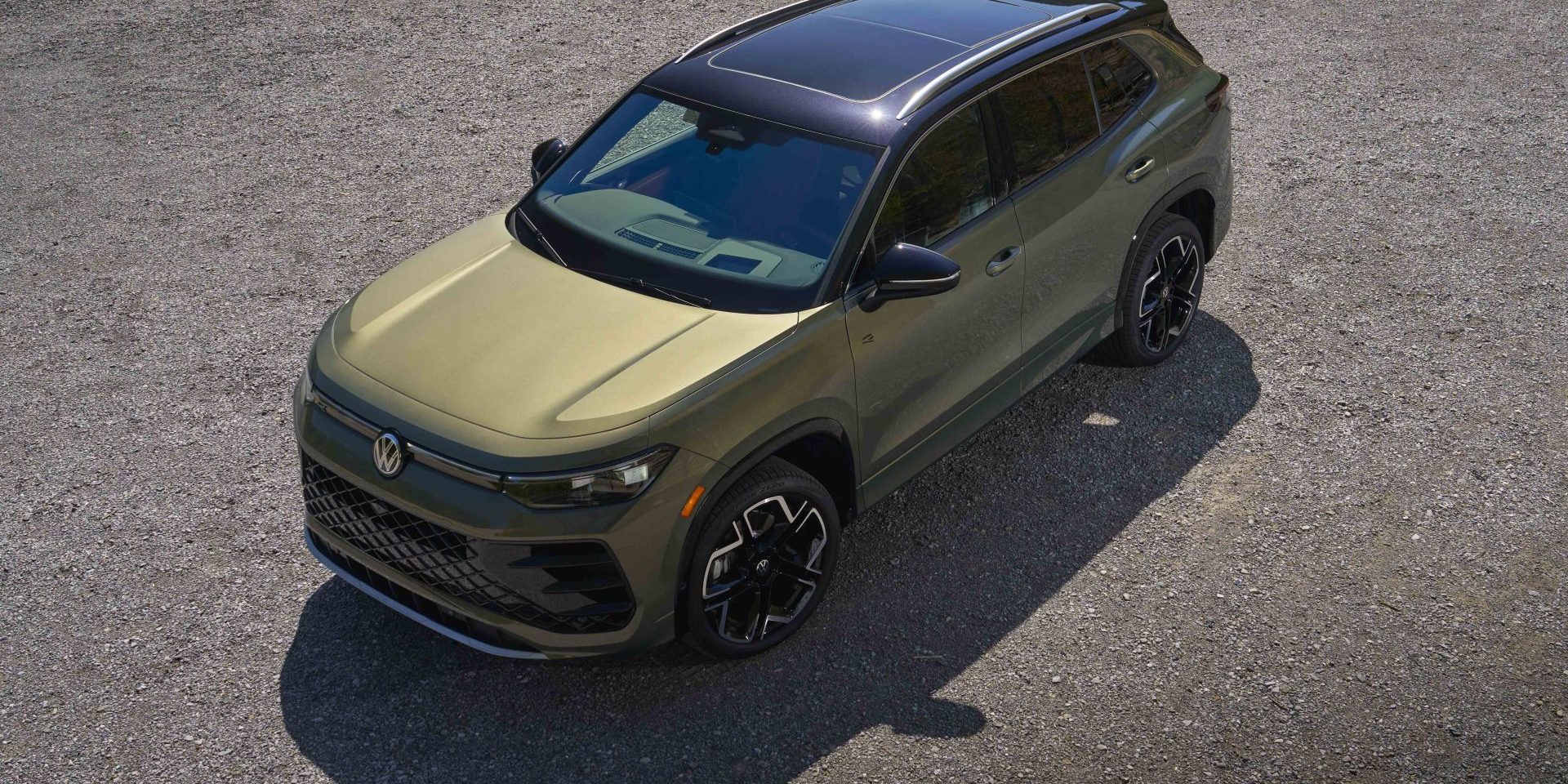
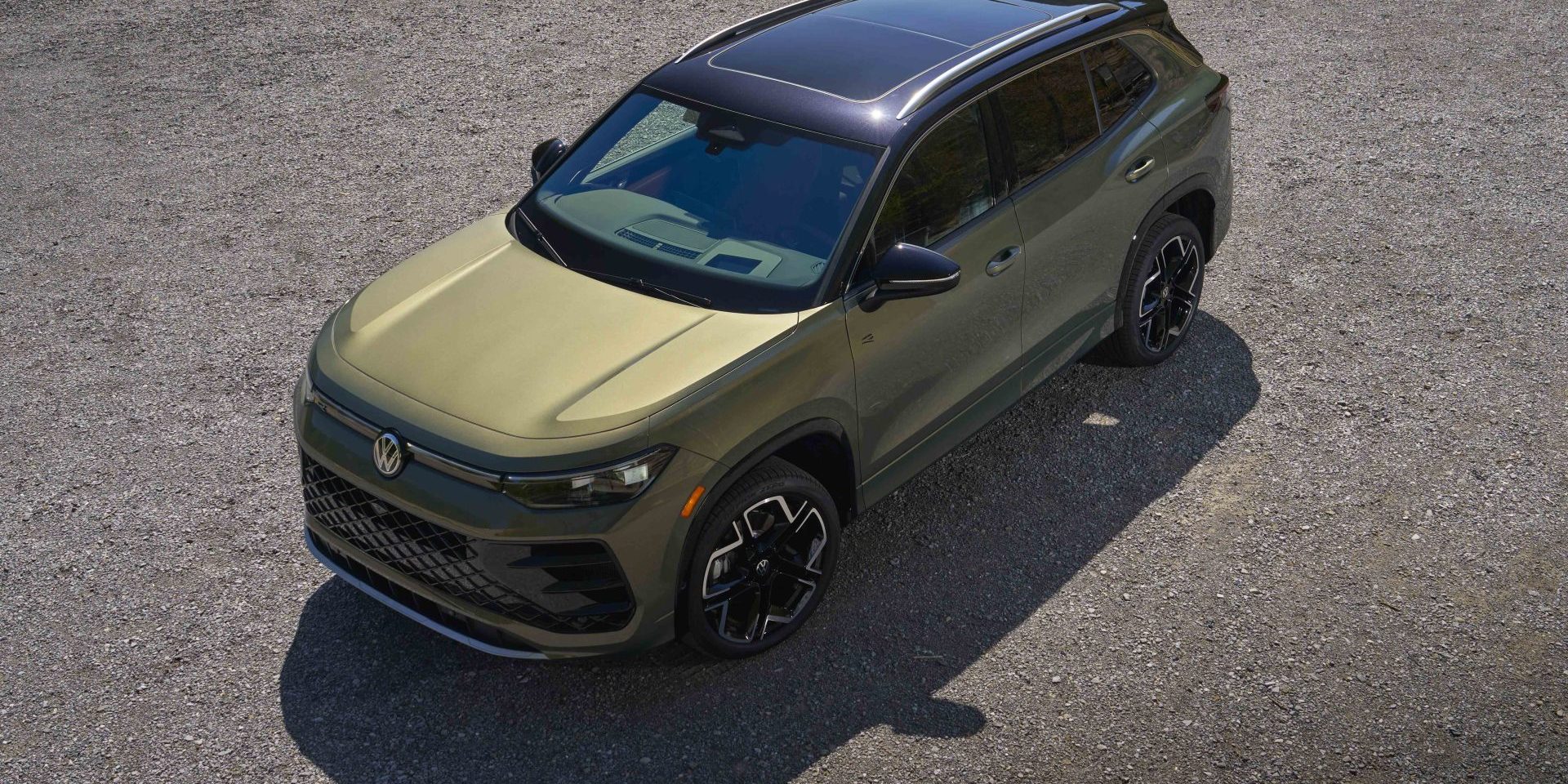
- Volkswagen is recalling 49,958 model-year 2025 Tiguan SUVs over a software flaw that can shut off the engine, exterior lights and rearview camera while the vehicle is moving.
- The defect sits in the body control module and can trigger a mid-drive reset if the software has not been updated to version 0326 or newer.
- Owner notification letters go out November 6, 2026, but owners can check their VIN at NHTSA.gov right now instead of waiting for the mail.
A Software Glitch That Can Kill Your Engine at Highway Speed
Volkswagen has opened a safety recall for 49,958 Tiguan SUVs built between March 24 and August 30, 2025, after finding that a software error in the body control module can reset the system mid-drive. When that reset happens, the ignition can shut off, cutting engine power, killing the exterior lights, blanking the dashboard warning lights, and disabling the rearview camera all at once. NHTSA logged the campaign as recall 26V587, and Volkswagen has assigned it internal recall code 57KL.
Unlike a mechanical recall involving a part that wears out, this is a pure software defect. Every affected Tiguan already has the physical hardware it needs. What it is missing is the corrected code. Volkswagen says vehicles running body control module software versions 0325 or 0324 are vulnerable, while version 0326 or newer resolves the issue.
What Losing Power Actually Looks Like Behind the Wheel
An engine that shuts off unexpectedly on a highway is a serious hazard on its own. Power steering assist and power brake assist typically weaken once the engine stops, meaning a driver who loses power at speed also loses much of the normal effort-reduction built into steering and stopping the vehicle. Layer on the simultaneous loss of exterior lighting, and a driver could be left in a car that is hard to control and invisible to traffic around it, at the same moment.
The dashboard warning lights going dark compounds the problem, as a driver who does manage to restart the vehicle has no way to know from the instrument cluster whether an underlying fault remains. And as the rearview camera feed also cuts out, the defect follows the driver from the moment it happens through any attempt to safely pull over and reverse into a parking space or driveway.
Which Tiguans Are Covered and How to Check Yours
The recall covers 2025 model-year Tiguans assembled in the five-month window from late March through late August 2025. Owners do not need to remember the exact production dates to find out if their vehicle is included. Every car has a 17-character Vehicle Identification Number, printed on the driver’s side dashboard where it meets the windshield and also on the vehicle registration and insurance card. Entering that VIN at nhtsa.gov/recalls returns an immediate answer on every open recall tied to that specific car, not just this one.
Owners can also call the NHTSA Vehicle Safety Hotline at 1-888-327-4236, or contact Volkswagen directly at 800-893-5298 and reference body control module recall 57KL. Formal notification letters are scheduled to go out November 6, 2026, which means owners who check now are getting a roughly six-week head start on the mailed notice.
The Fix Is Free, and It Is Quick
Volkswagen dealerships will reflash the body control module with the corrected software at no charge to the owner. Unlike recalls that require replacing a physical part and can leave owners waiting weeks for a component to arrive, a software reflash is typically a same-day service appointment. Owners should still call ahead to confirm their dealer has the update loaded and ready, as the formal rollout to service departments does not always align perfectly with the VIN lookup going live.
Buying a Used 2025 Tiguan? Check Before You Sign
The recall applies to the vehicle, not the original owner, so anyone shopping for a used 2025 Tiguan built in the March-to-August window inherits the same open recall unless a dealer or private seller has already had the software updated. A VIN check at NHTSA.gov before signing a purchase agreement takes less time than a test drive and can save a buyer from driving off the lot with an unresolved safety defect. Federal law requires franchised new-car dealers to complete open safety recalls on used vehicles they sell, but that requirement does not extend to private sellers or, in most states, to independent used-car lots, so the burden often falls on the buyer to check.
Leasing companies and rental fleets that took delivery of Tiguans in the affected production window face the same exposure, and fleet operators typically batch-process recall repairs once a service bulletin becomes available, which can mean a wait if a dealer’s shop is booking VW recall appointments several weeks out.
A Rough Year for Volkswagen Recalls
This Tiguan campaign lands in the middle of a heavier-than-usual recall stretch for Volkswagen. Weeks earlier, the automaker recalled 208,724 Atlas, Tiguan and Audi Q3 SUVs for a separate and unrelated defect: steering rack bolts that can corrode and snap, risking a loss of steering control. Volkswagen has also recalled 48,165 2025 and 2026 Jettas this year for a different issue. Three major recalls across three different vehicle lines and three different root causes, all within the same several-month period, is an unusually heavy volume even by the standards of an industry where software-related recalls have become routine as cars add more computer-controlled systems.
The pattern reflects a broader shift in how recalls happen. A decade ago, nearly every recall involved a physical part: a bad ignition switch, a faulty airbag inflator, a brake line that could corrode through. Today, a growing share of recalls, including this one, trace back to code rather than hardware. That has an upside for consumers, as a software recall is usually resolved in under an hour with no parts backorder to wait on, unlike a mechanical recall that can leave a vehicle undrivable for weeks while a replacement part ships.
Software Recalls Are Becoming the Industry Norm
Volkswagen is far from alone this year. Rivian recently recalled nearly 99,000 R1 and R2 electric vehicles for a rearview camera glitch, and Jeep recalled roughly 202,000 Grand Cherokee and Wagoneer SUVs after tire pressure warnings failed to display. Both were fixed the same way this Tiguan defect will be: an over-the-air or dealer-applied software update rather than a parts replacement. As automakers pack more functions into centralized computer modules, a single coding error can now touch systems as unrelated as lighting, cameras and tire sensors all at once, which is exactly what happened with this Tiguan recall.
That concentration cuts both ways for consumers. A single software fix can resolve a defect across tens of thousands of vehicles in a single afternoon at the dealership, far faster than sourcing and installing a physical part. But it also means a coding mistake in one module can disable several unrelated safety systems simultaneously, which is precisely why NHTSA treats these software-only defects with the same urgency as a mechanical one, and why this recall carries the same free-repair and VIN-lookup obligations as any other open safety campaign.
What Tiguan Owners Should Do This Week
Owners of a 2025 Tiguan built in the affected window should not wait for the November letter. Checking a VIN at NHTSA.gov takes under a minute, and scheduling the reflash costs nothing. Until the update is installed, it is worth paying extra attention to dashboard behavior, and if the vehicle ever loses power unexpectedly, drivers should move to the shoulder as soon as it is safe and contact Volkswagen roadside assistance rather than attempting to diagnose the fault themselves. With a fix this simple and this fast, there is little reason for an affected owner to put off the appointment once the dealer confirms the update is available.
Sources:

Leave a Comment
More in News
How California’s Speed Camera Pilot Works and Where It’s Expanding Next

Why Federal Regulators Are Investigating Comma.ai’s Openpilot After 3 Deaths
Toyota Recalls Grand Highlanders and Lexus SUVs Over Cracked Steering Knuckles
Speed Cameras Are Expanding in Cities Nationwide With Fines Up to $248
Why Federal Regulators Are Investigating a $999 Self-Driving Gadget After 3 Deaths
Trending on Motoring Chronicle

Red Bull Advanced Technologies joins forces with Singer

Louisiana Doubles Insurance Cancellation Notice to 60 Days [and What to Do if Dropped]

Why Lifting Windshield Wipers in Winter May Be Doing More Harm Than Good

How to Defrost Fast Without Stressing the Car
