
What Your Engine Oil Dipstick Reading Actually Means (and When to Top Up)
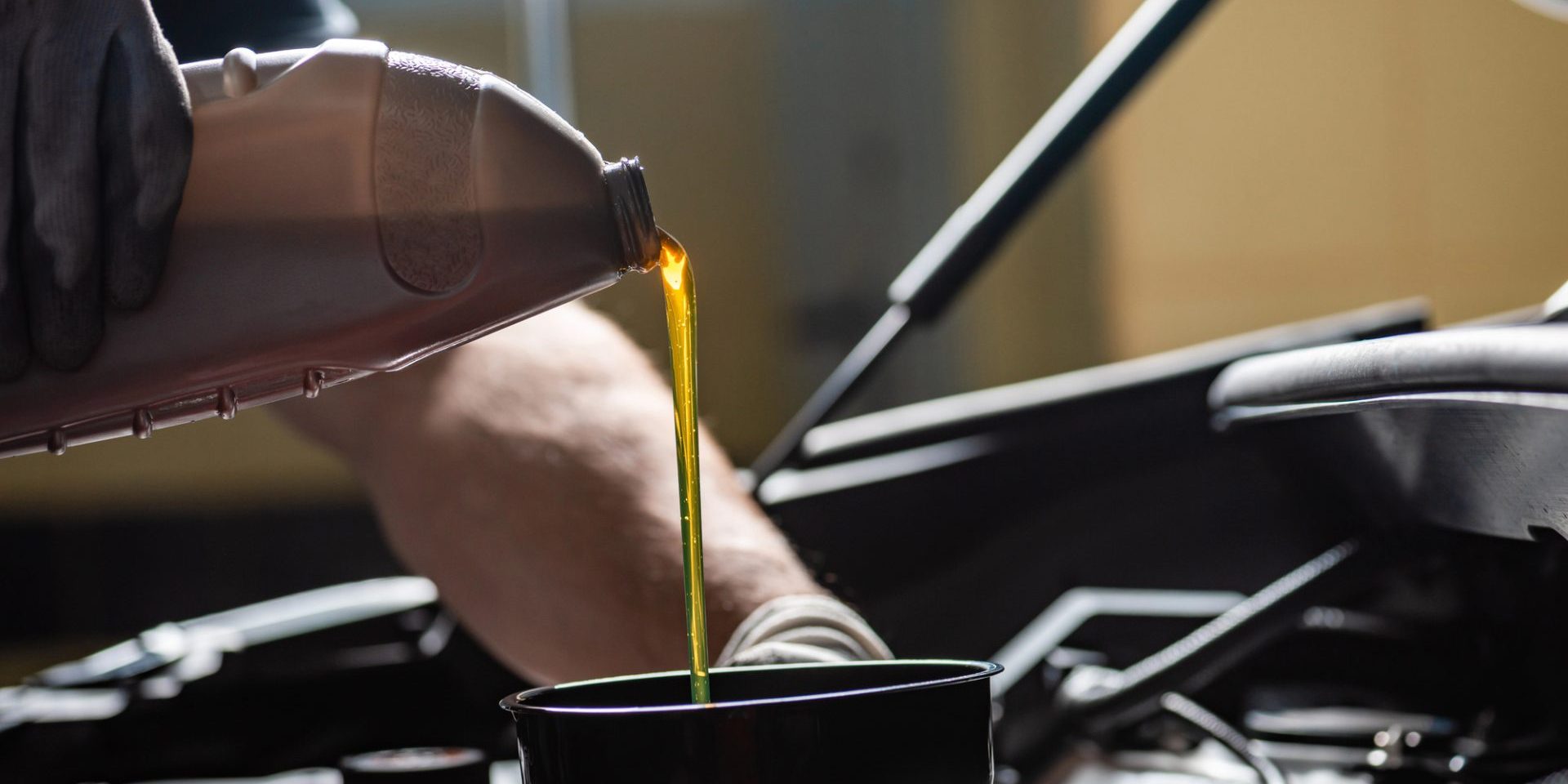

- Check your engine oil with the car parked on level ground, the engine off and cold, and wait ten to fifteen minutes after a drive so the oil has time to drain back into the sump before you read the dipstick.
- A reading at or near the minimum mark means it is time to top up, and running an engine noticeably below that line risks premature wear on bearings and, in serious cases, engine failure that can cost thousands to repair.
- Overfilling is just as risky as running low: too much oil can cause foaming, blow seals and in rare extreme cases lead to hydraulic lock, so add oil in small amounts and recheck between pours.
What Your Dipstick Reading Actually Tells You (and When to Act)
A dipstick reading is not just a pass or fail check. Where the oil sits between the minimum and maximum marks tells you how much working reserve your engine has left before its moving parts start running without enough lubrication. Read near the top and you have plenty of margin. Read near the bottom and the engine is close to running short on hard acceleration, motorway driving or a long uphill climb, exactly the moments when oil pressure counts most. Getting the check right, and knowing what the result means, is worth five minutes even on a car with a dashboard oil level warning.
How to Read Your Dipstick Correctly Every Time
Park on flat, level ground. A slope can shift oil to one side of the sump and give a false low or high reading. Switch off the engine and, if you have just been driving, wait ten to fifteen minutes before checking. This lets oil clinging to the upper engine and cylinder walls drain back down into the sump, so the level you read is the true resting level rather than an inflated in-use figure.
Open the bonnet and find the dipstick, usually marked with a bright yellow or orange handle loop. Pull it out fully and wipe the whole blade clean with a paper towel or rag, then push it all the way back into its tube. Pull it out a second time without turning the engine over, and look at where the oil film sits against the markings, shown as two notches on some dipsticks, a crosshatched panel on others, or the letters H and L depending on the manufacturer. The oil should sit at or close to the top mark. If it is at or below the lower mark, the engine needs oil before you drive it hard.
Some newer cars have no physical dipstick at all and rely entirely on an electronic sensor that reports the level through the dashboard display. Where that is the case, follow your owner’s manual for how to bring up the reading, as the menu path differs between manufacturers.
While you have the dipstick out, look at more than just the level. Fresh oil runs amber to light brown and feels smooth between your fingers. Oil that has gone black and thick, or that feels gritty rather than smooth, is carrying more contamination than it should for its age, and that alone is a reason to bring a service forward rather than wait for the usual interval. A milky, pale colour is a separate warning sign pointing to coolant mixing with the oil, most often from a failing head gasket, and calls for a garage visit rather than a simple top-up.
What Running Low Actually Risks
Engine oil does two jobs at once: it lubricates moving metal parts so they do not grind against each other, and it carries heat away from the areas around the crankshaft and camshaft bearings that a cooling system cannot reach directly. When the level drops too far, the oil pump can start drawing in air along with oil, which lets bearings run partly dry under load. The damage this causes is not always immediate. Many drivers report a knocking or ticking noise developing gradually as bearing surfaces wear, followed by a drop in oil pressure and, if ignored for long enough, a seized engine that needs a full rebuild or replacement rather than a simple repair.
A dashboard oil pressure warning light is a separate, later-stage signal from a physical dipstick check, and it means something different: pressure has already dropped enough for a sensor to notice, which can happen for reasons other than a low level, including a failing oil pump or a blocked pickup. Our guide on what your oil pressure warning light actually means covers that separate scenario. A manual dipstick check is meant to catch a low level long before it ever reaches that point.
Overfilling Is Its Own Separate Problem
It is tempting to assume more oil is always safer, but adding too much causes different faults. Overfilled oil can be churned into foam by the crankshaft spinning through it, and foamy oil lubricates and transfers heat far worse than clean liquid oil, which defeats the purpose of topping up in the first place. Excess pressure from an overfilled sump can also push oil past seals and gaskets that are not designed to hold it back, leading to leaks that were not there before. In rare and extreme cases, usually from a much larger overfill than a driver would add by hand, liquid oil can be forced up into a cylinder faster than the piston can push it back out, a condition called hydraulic lock that can bend a connecting rod or crack the block. The safe approach is plain: top up in small amounts, checking the dipstick between each pour, rather than pouring in a full bottle and hoping for the best.
Using the Right Oil Type Counts as Much as the Level
Not all engine oils are interchangeable. Modern engines are built around a specific viscosity grade, shown as a code like 5W-30 or 0W-20, and a specification standard set by the manufacturer, both listed in the handbook and often printed on the oil filler cap itself. Using the wrong viscosity will not usually cause instant damage, but it can affect how well the oil flows when the engine is cold, how well it protects at high temperature, and how it interacts with modern components like turbochargers and particulate filters over the long term. If you are topping up rather than doing a full service, use oil that matches the grade already in the engine where possible, and check the cap or handbook first rather than grabbing whatever is cheapest on the shelf.
Building a Simple Habit Around It
The RAC recommends checking oil roughly every couple of weeks, and definitely before a long motorway trip, given how much consumption varies between engines and driving styles. A car in good health should barely move the dipstick reading between services, while one burning oil, often visible as blue smoke on start-up, or leaking it externally, will drop measurably over a few hundred miles and deserves a proper look from a garage rather than repeated top-ups alone. Keeping a small bottle of the correct grade in the boot means a low reading on a Sunday morning does not turn into a delayed trip or an emergency stop at a fuel station forecourt for whatever is on the shelf.
What Getting This Wrong Actually Costs
The numbers make the case for spending five minutes on a dipstick. A litre of the correct branded oil typically costs £8 to £15 (about $11 to $20), and a full top-up rarely needs more than a litre between services. Compare that with the cost of bearing damage from prolonged low-oil running, which can mean a replacement short engine running into four figures, or a full engine rebuild that can cost more than an older car is worth. Catching a low reading early, and fixing whatever is causing the loss rather than just topping up indefinitely, is the cheaper path every time.
Sources

Leave a Comment
More in News

What Buying Car Insurance 25 Days Early Saves Drivers: £334 Off £708, MSE Finds
Why 28% of Lorry and Bus Medical Licence Checks Took Over 90 Days at DVLA
Parallel Parking Is the Toughest Manoeuvre for 37% of Drivers, IAM RoadSmart Finds

Chery Stockman Diesel Hybrid Ute Starts at $52,990 With New Urban Variant

What Penalty Points Stay on Your Licence for 4 Years and Which Last 11
Trending on Motoring Chronicle
What a Slipping Clutch Actually Means (and What It Will Cost to Fix)

Northampton and Daventry Drivers Face New Bus Lane Camera Fines From 22 June

Your Postcode Could Cost You £801 More a Year for Identical Car Insurance

Kia Prices 2027 K5 From $27,690 as EX Trim Is Cut
